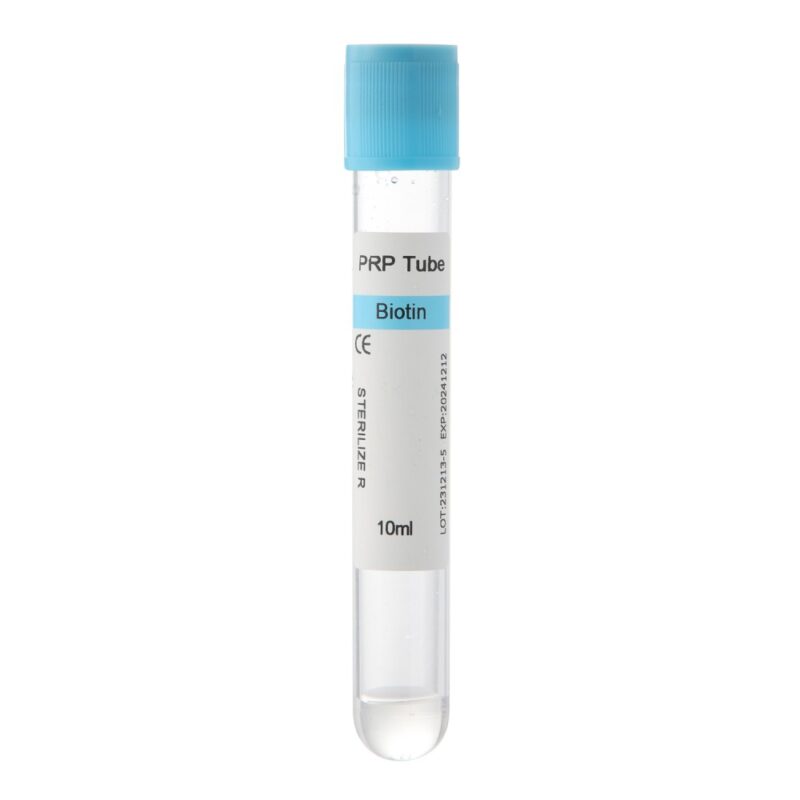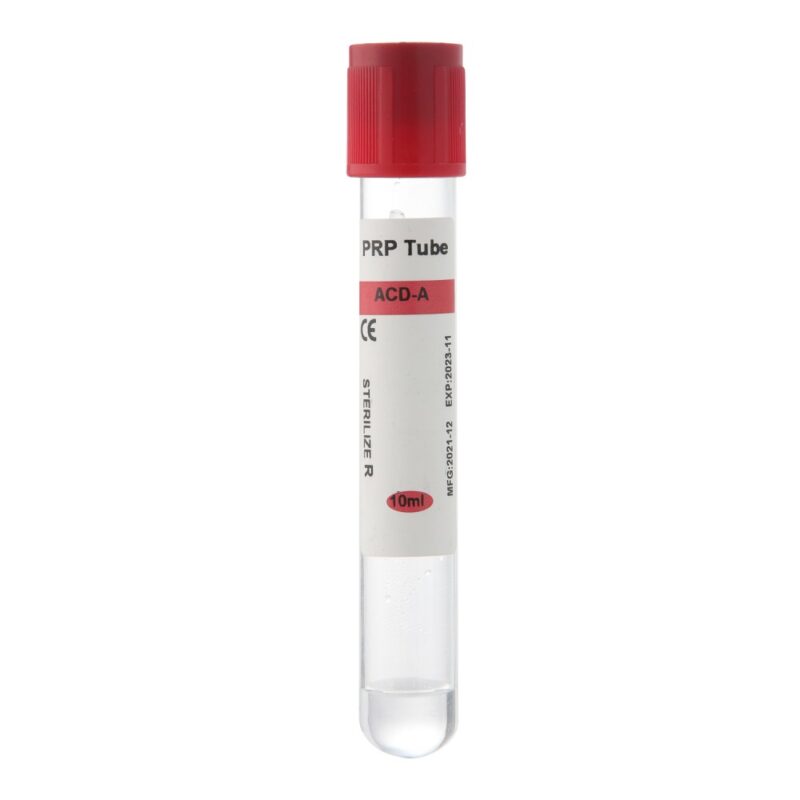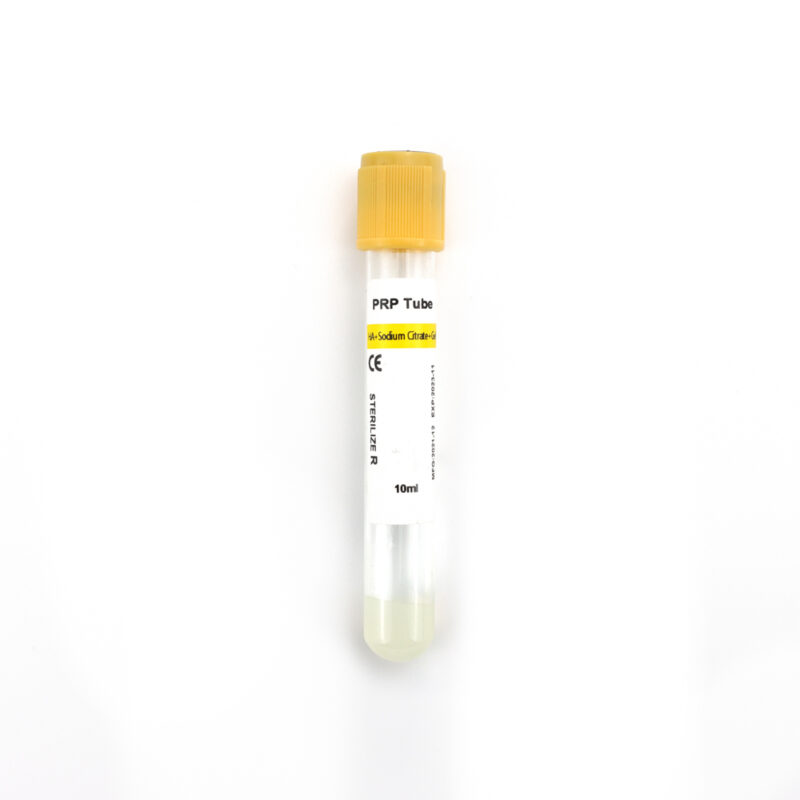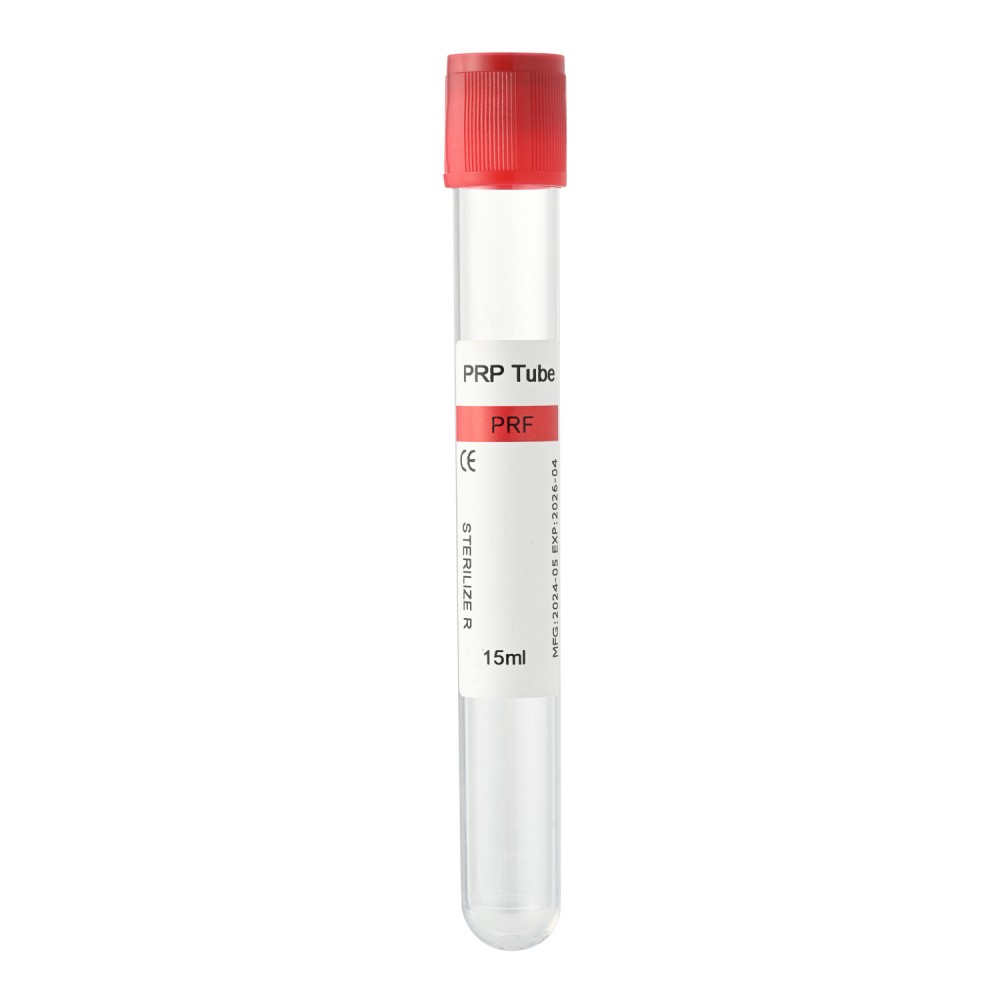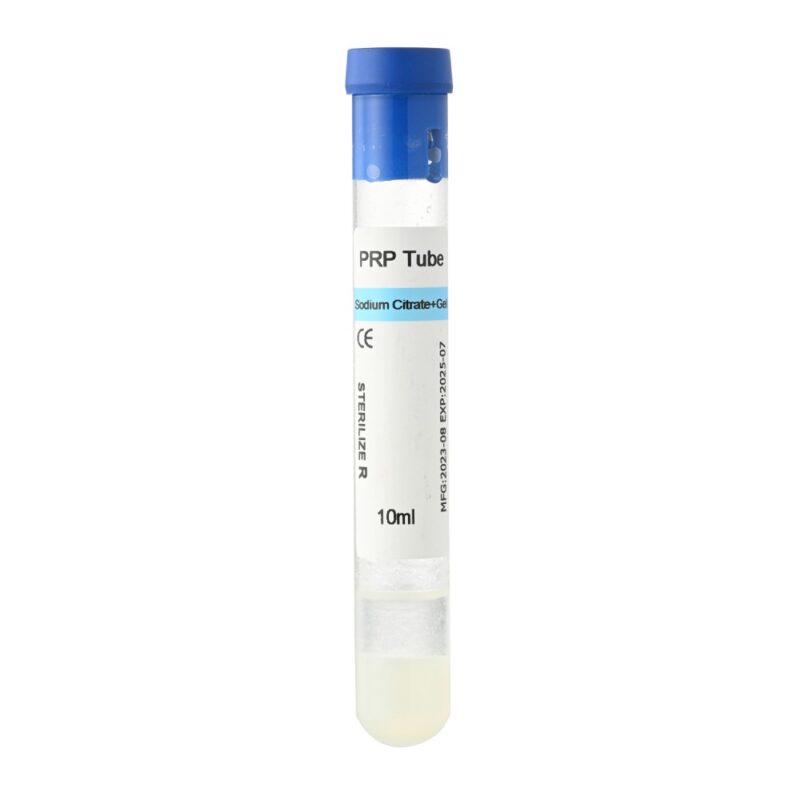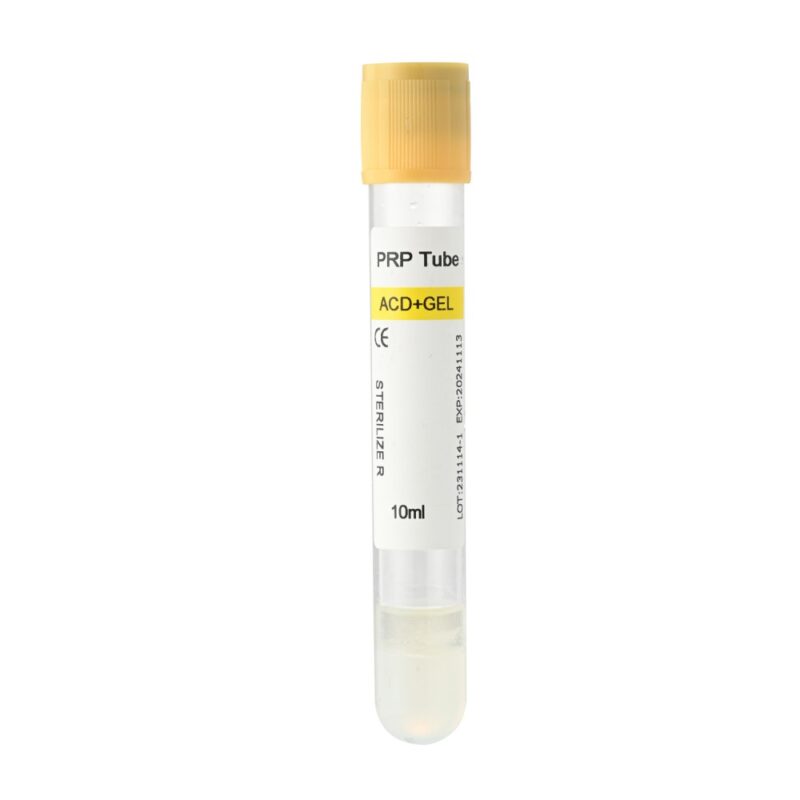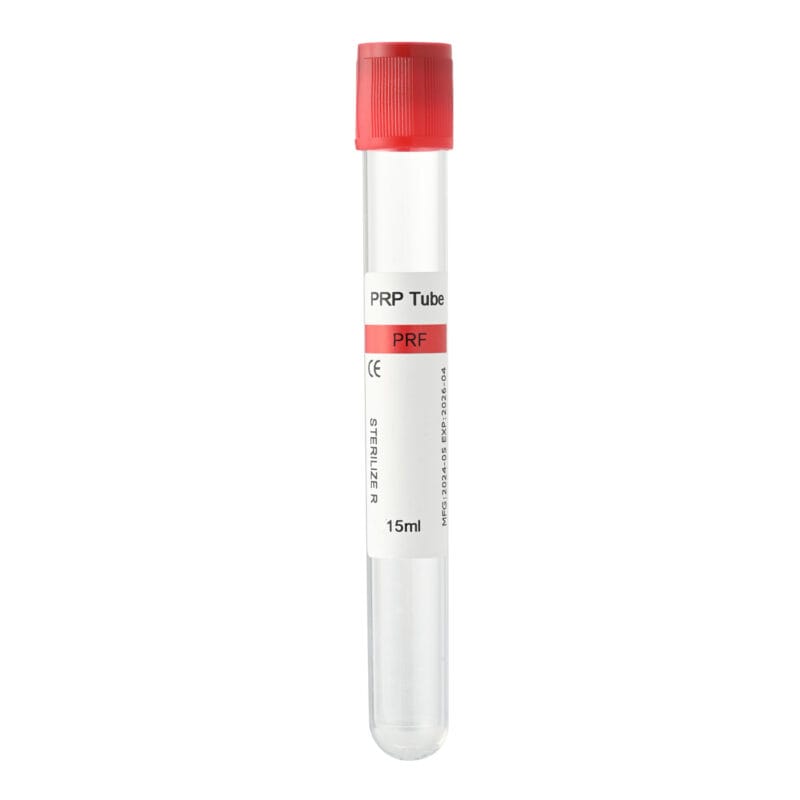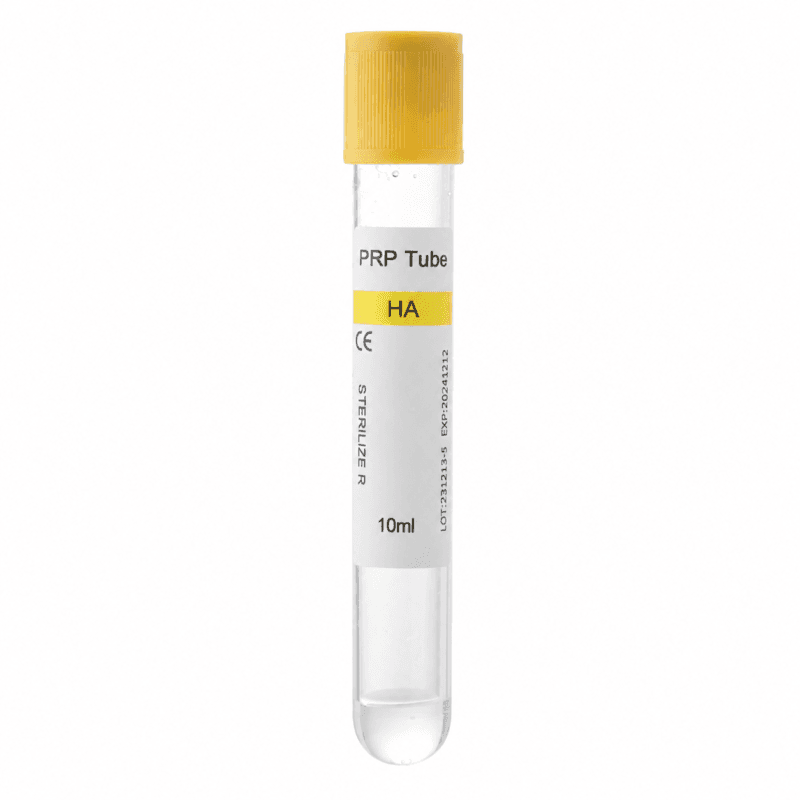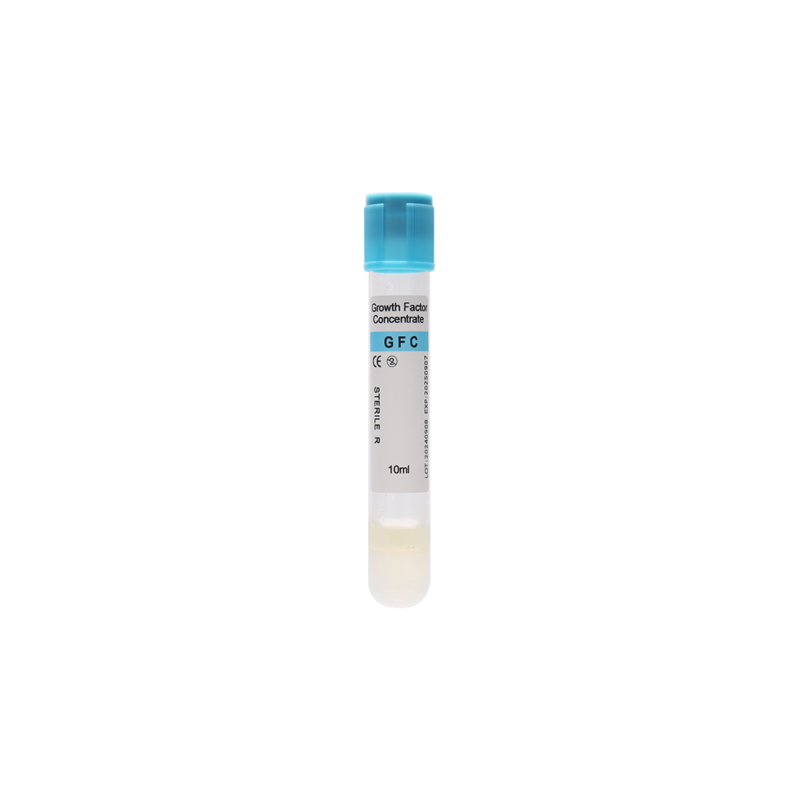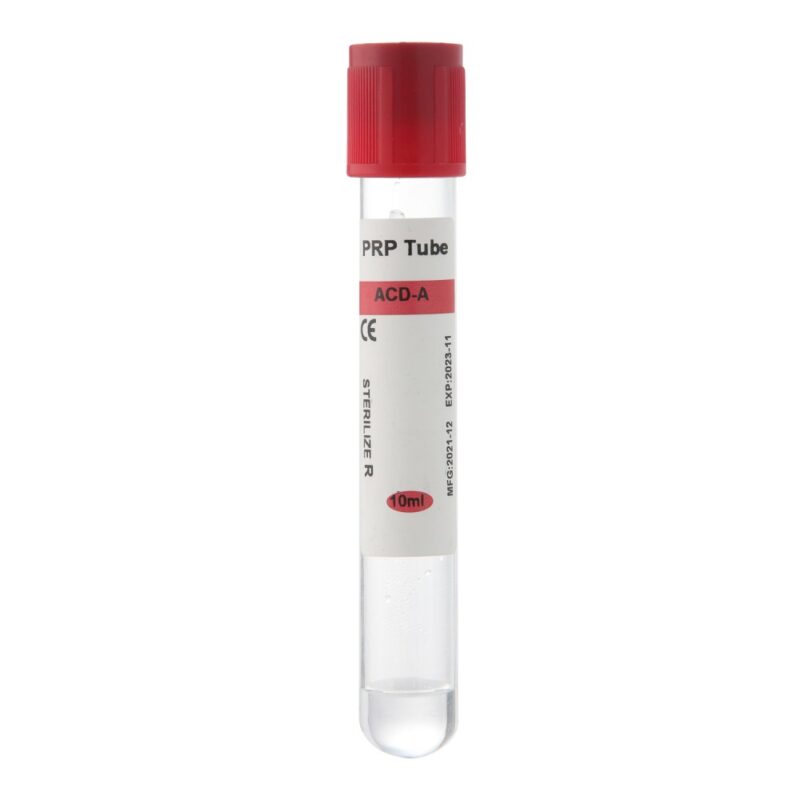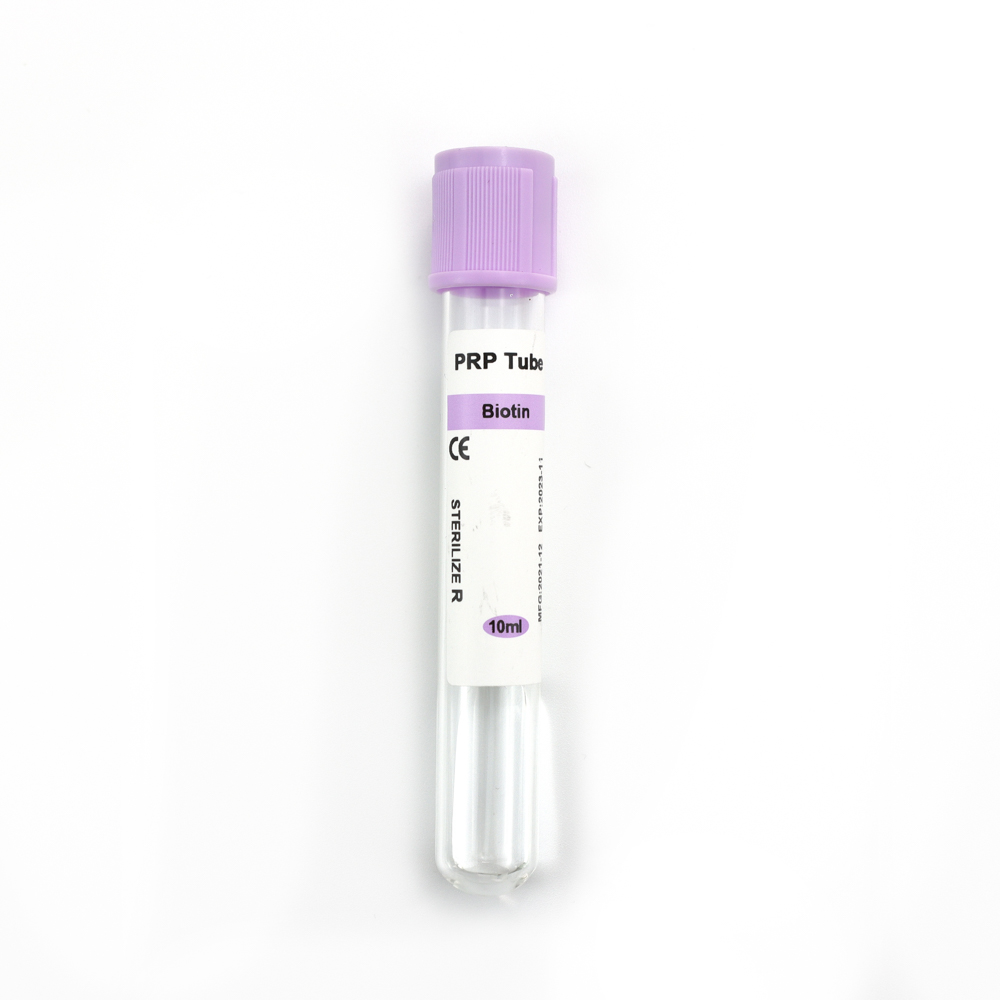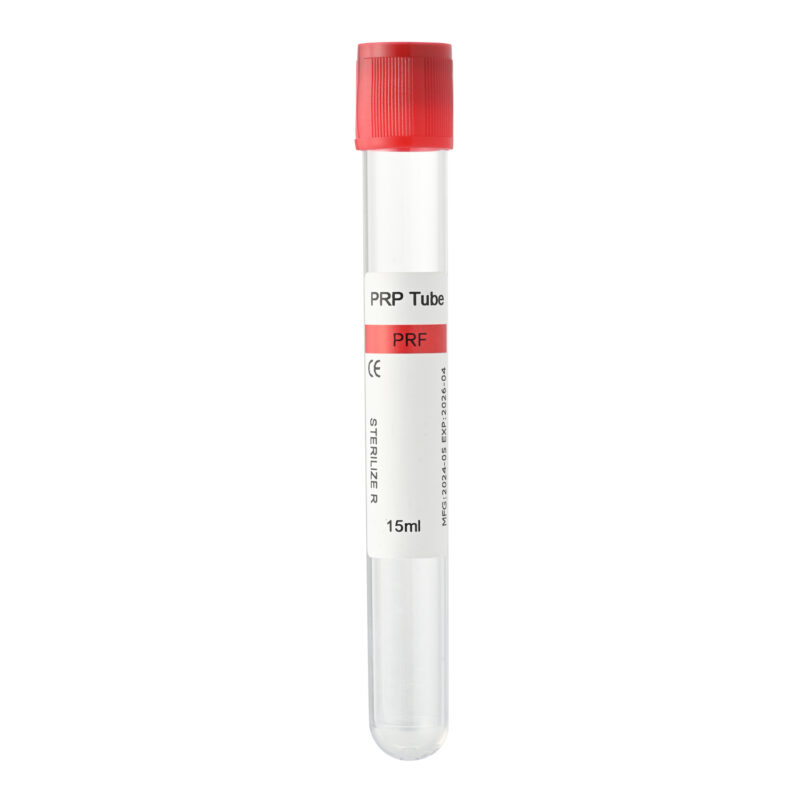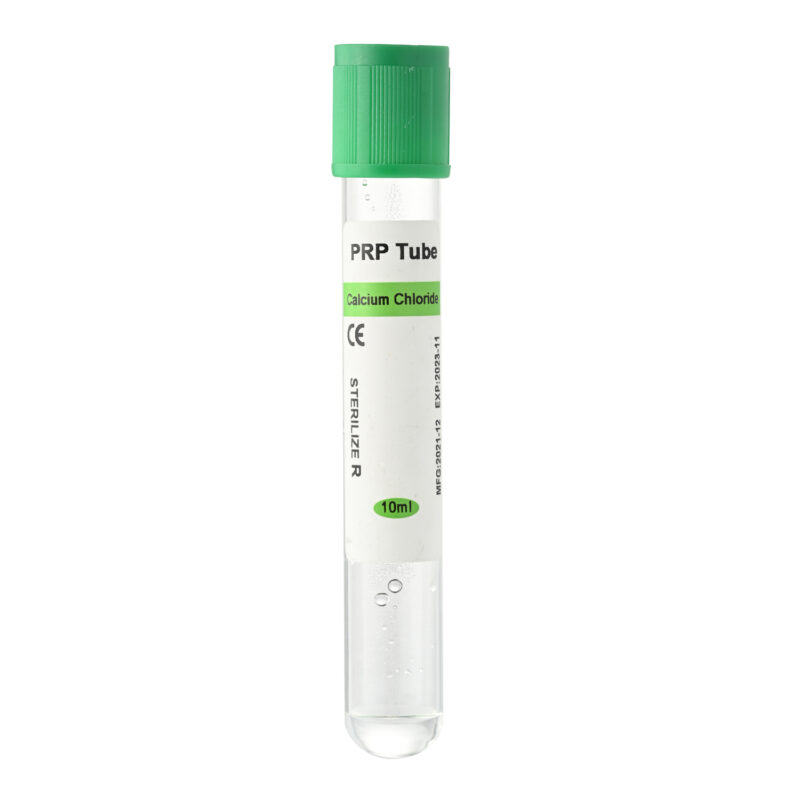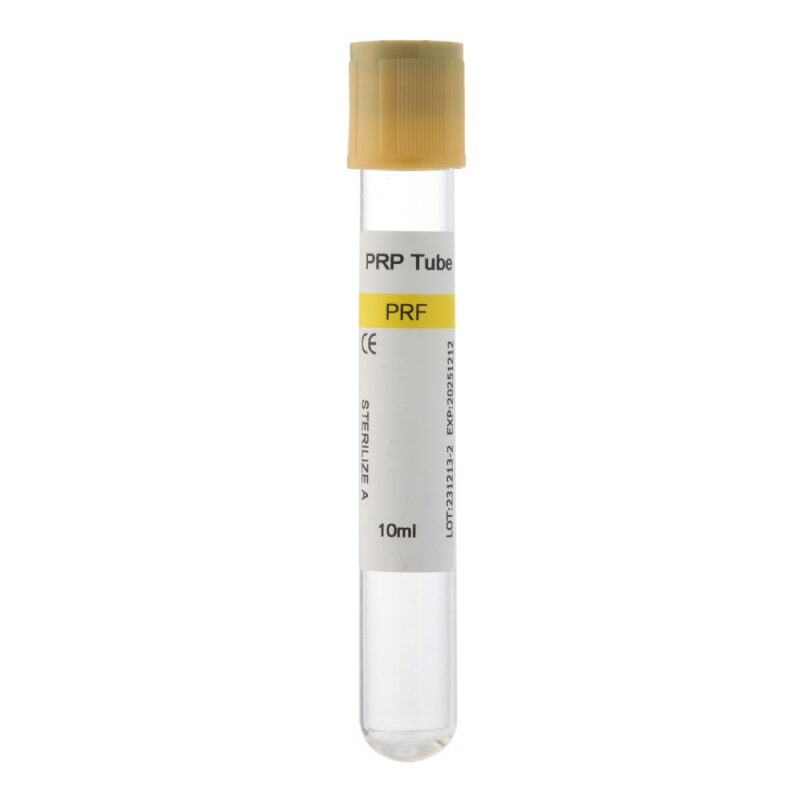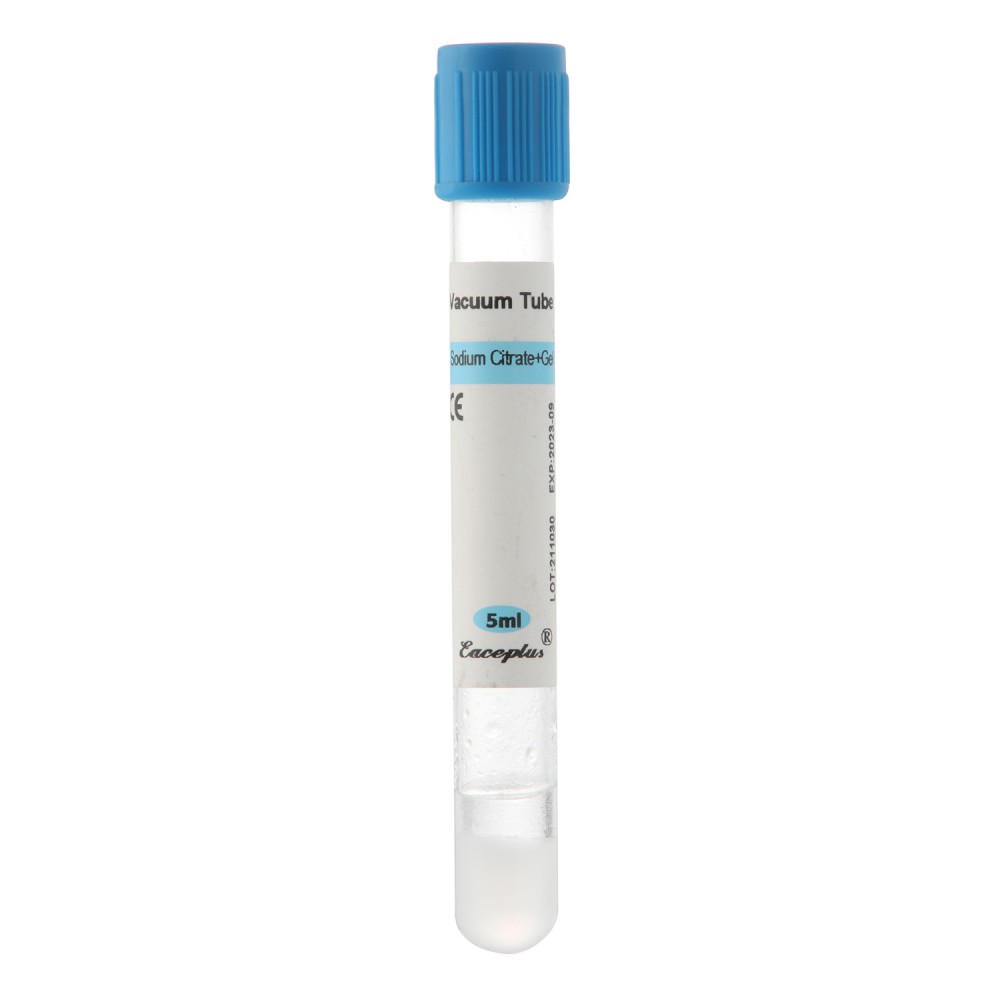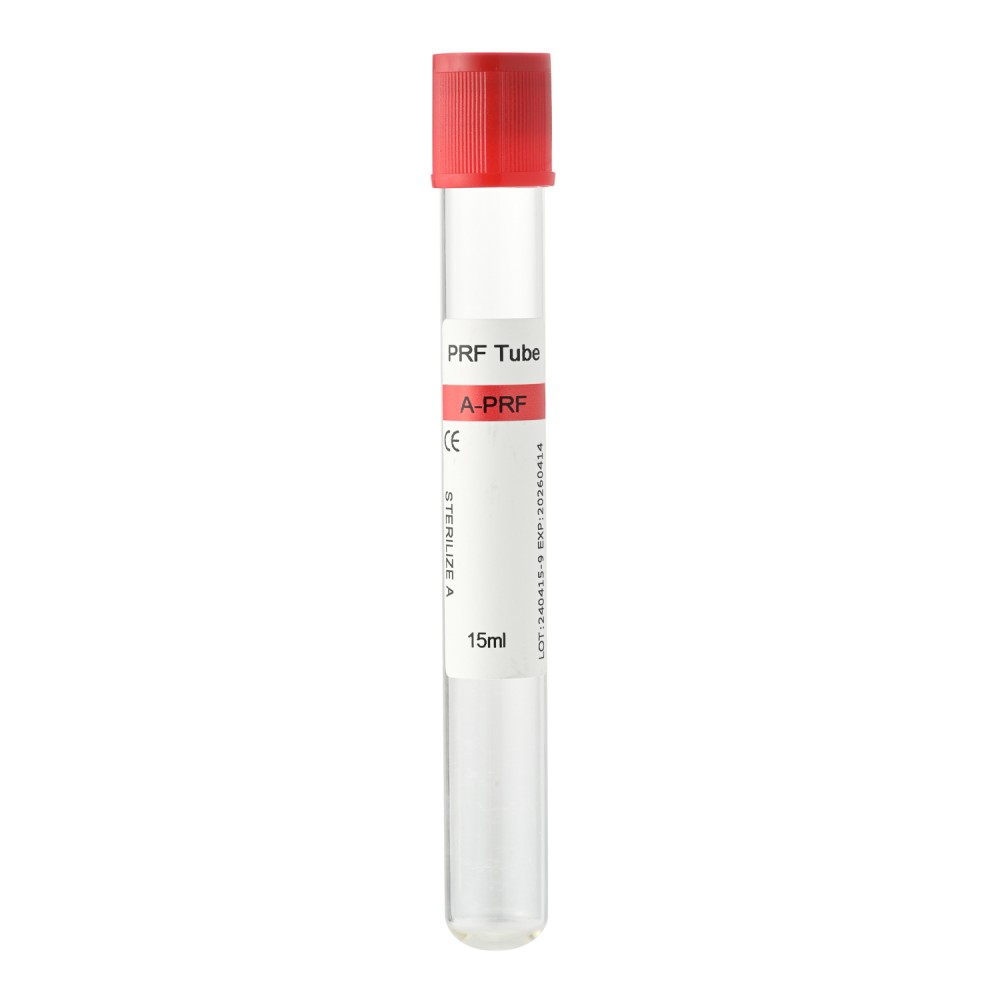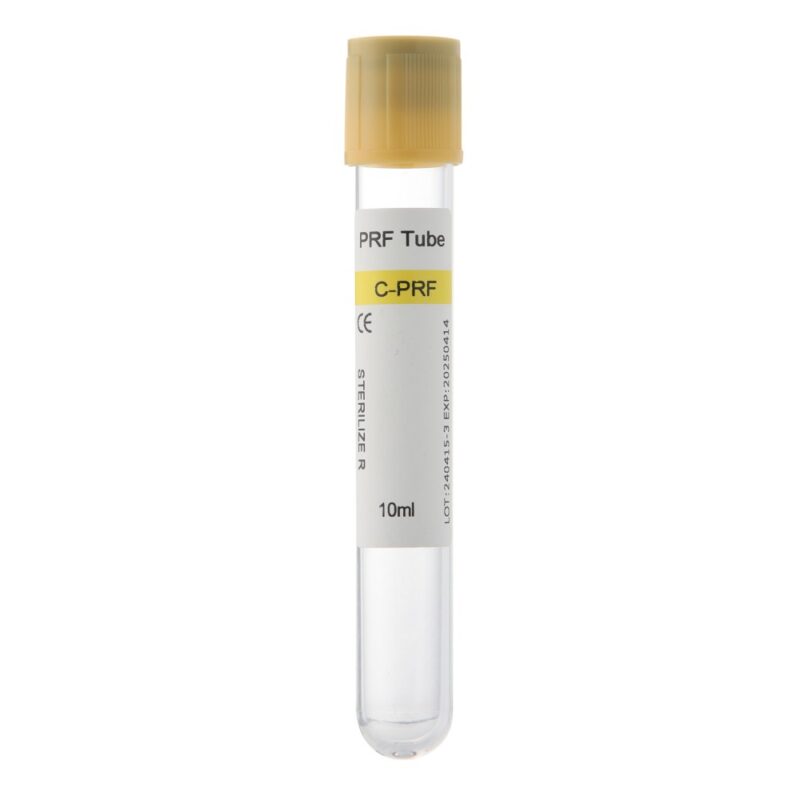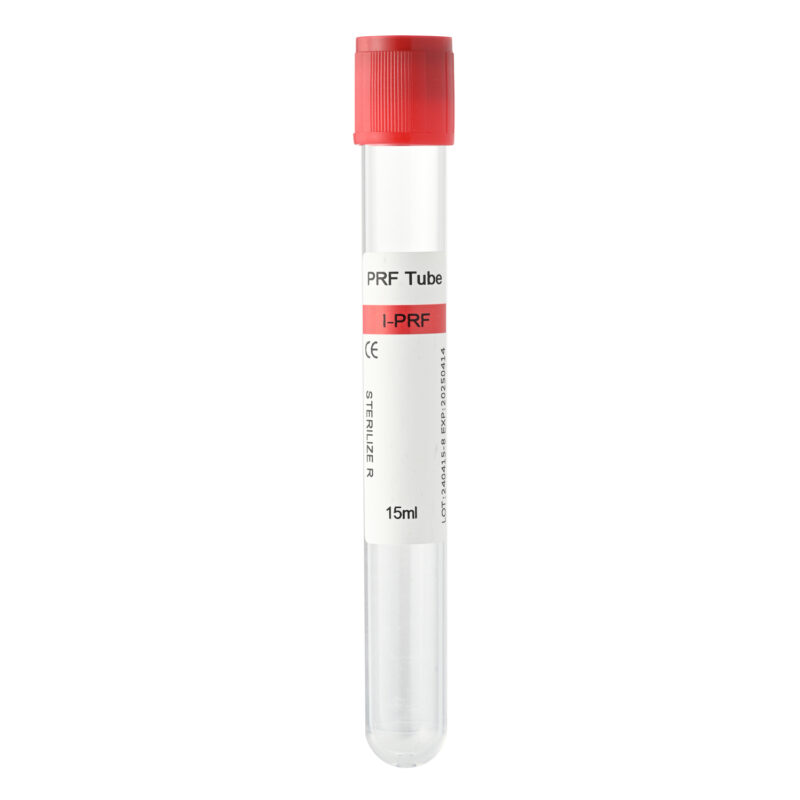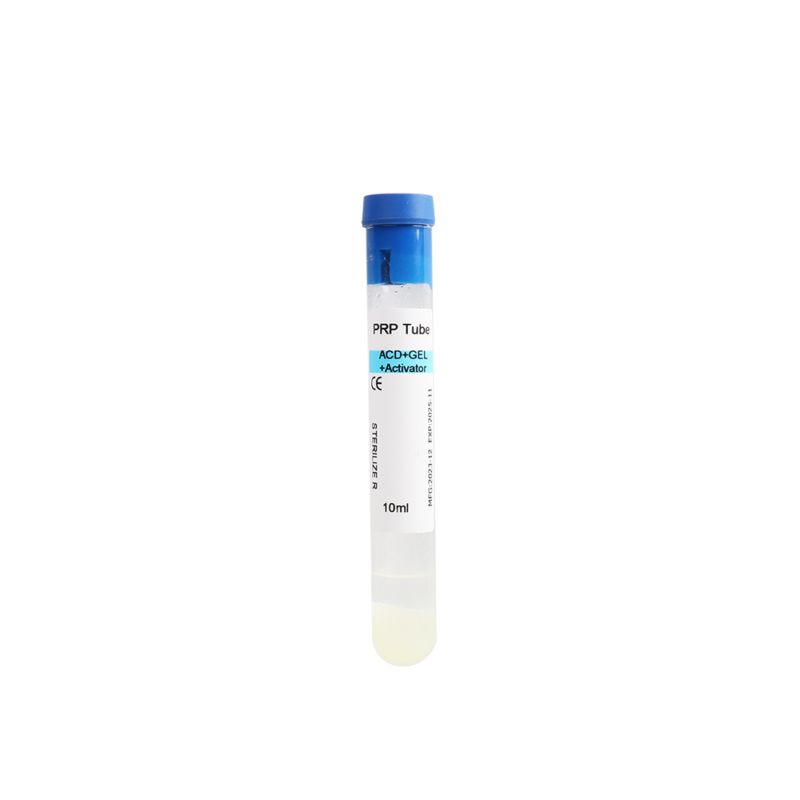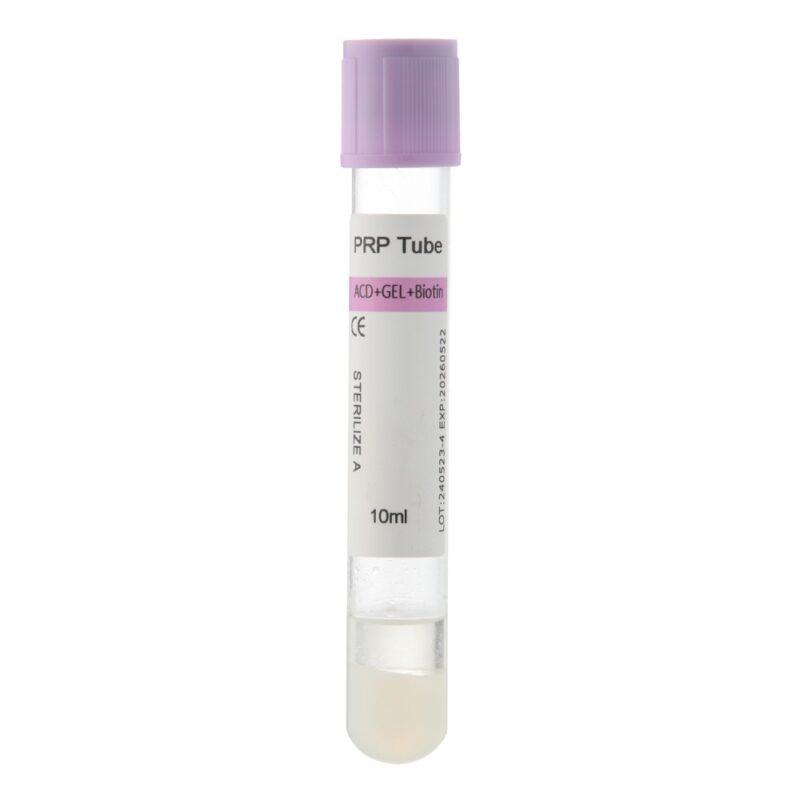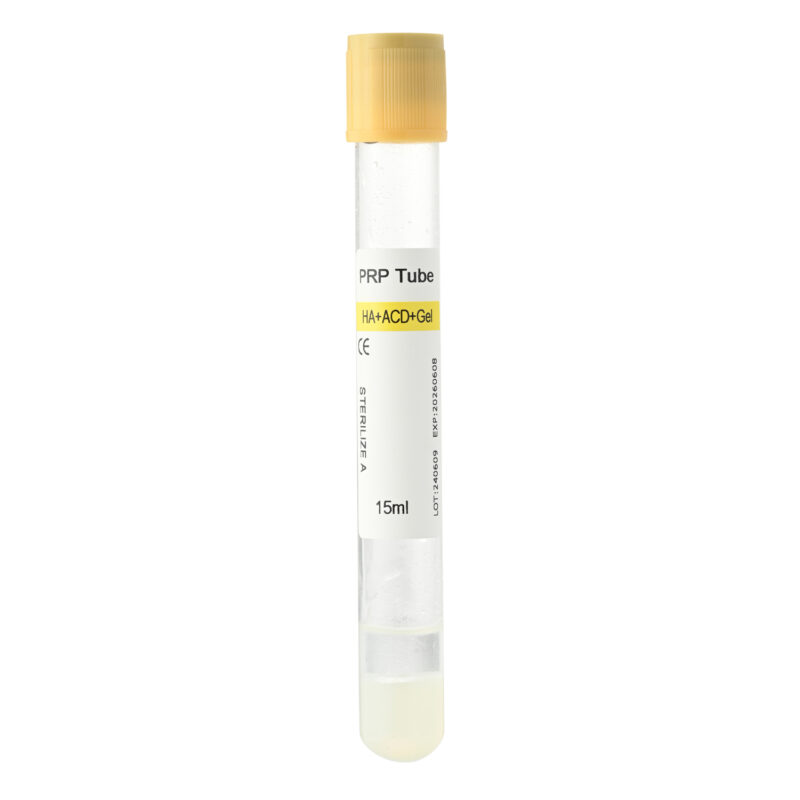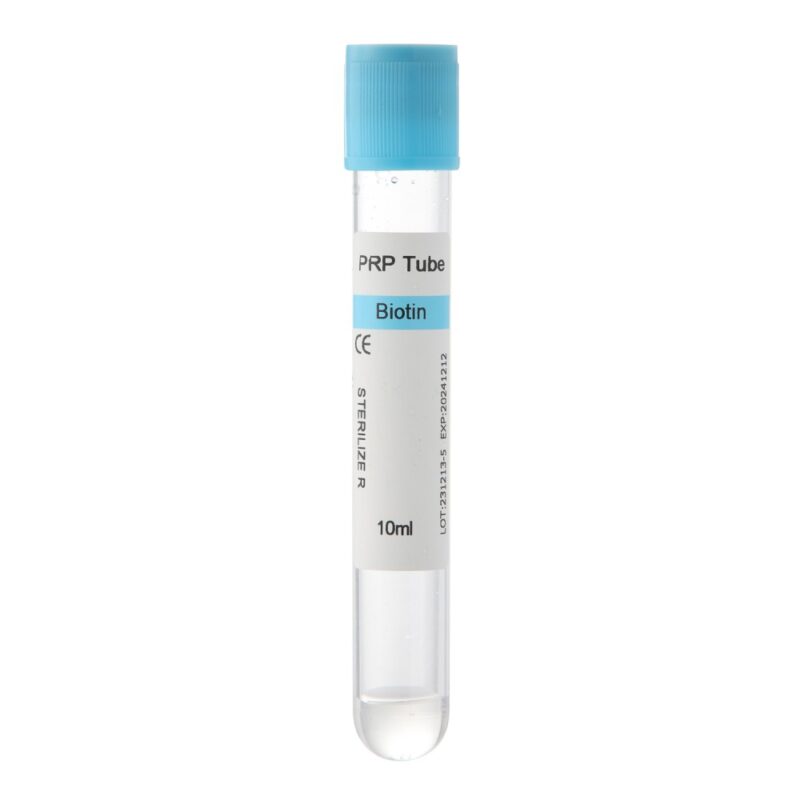
Platelet-Rich Plasma therapy has become a widely discussed topic in regenerative medicine, aesthetics, orthopedics, and hair restoration. As clinics and distributors search for more reliable systems, one question appears repeatedly: Glass vs. Plastic PRP Tubes: Which is Safer?
The answer is more complex than many marketing claims suggest. Both glass and plastic PRP tubes are used in modern clinical environments, and each material has advantages depending on the intended application, centrifugation protocol, platelet recovery target, and safety requirements. For buyers trying to compare suppliers, understanding the actual differences between these two tube types is far more important than simply following trends.
Today, many PRP manufacturers offer both PET plastic tubes and glass PRP tubes. Some clinics still prefer traditional glass because of its clot activation characteristics, while others move toward medical-grade plastic for handling safety and transport convenience. The real decision should focus on platelet concentration efficiency, biocompatibility, centrifuge compatibility, and clinical workflow consistency rather than marketing terminology alone.
Why Glass PRP Tubes Became Popular in Early PRP Procedures
Glass blood collection technology existed long before modern plastic vacuum tubes became mainstream. In the early years of PRP preparation, many practitioners preferred glass tubes because the glass surface naturally activates platelets and coagulation pathways. This characteristic made glass attractive for producing platelet concentrates in dental and orthopedic applications.
Common Advantages of Glass PRP Tubes
- Strong chemical stability
- High transparency during separation
- Good vacuum retention performance
- Natural clot activation properties
- Resistance to certain solvents and additives
In PRF-related procedures, especially where clot formation is desired, glass tubes are still commonly discussed because silica-coated glass can stimulate fibrin formation more rapidly. This is one reason why some clinicians continue using glass systems in oral surgery and implant procedures.
Another factor is centrifugation performance. High-quality glass tubes usually tolerate high centrifugal force very well, which can help maintain stable layer separation during PRP preparation.
However, being “traditional” does not automatically make glass superior in every scenario.
After selecting the right PRP preparation method, clinics should also evaluate tube quality consistency and sterility standards. A poorly manufactured tube — regardless of material — can affect PRP quality and patient safety. Clinics looking for stable PRP preparation systems often compare multiple tube structures before making purchasing decisions through suppliers such as Siny PRP.
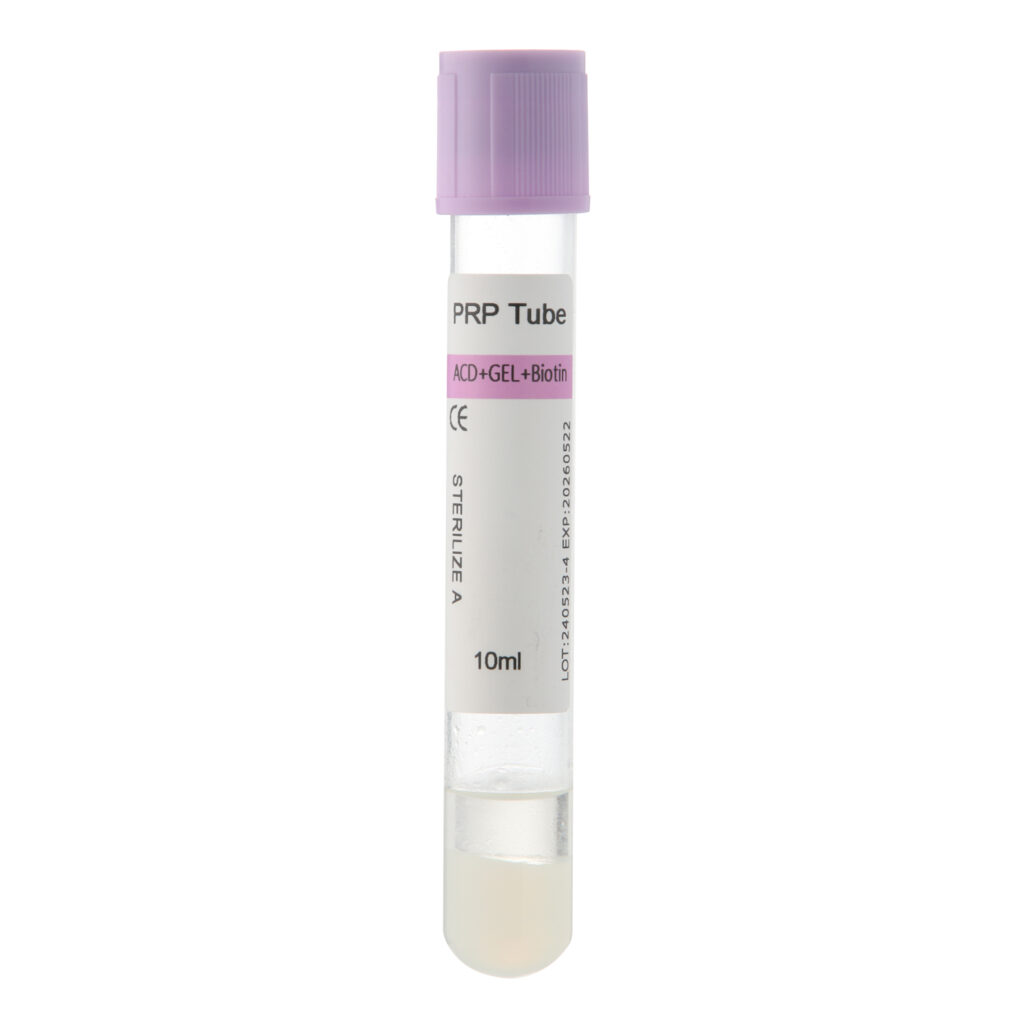
Are Plastic PRP Tubes Actually Safer?
Over the past decade, medical-grade PET and polymer-based PRP tubes have become increasingly common in global markets. One major reason is safety during handling and transportation.
The Biggest Concern With Glass PRP Tubes: Breakage
Glass can break during:
- Transportation
- Centrifuge imbalance
- Improper handling
- High-volume clinical workflow
- Accidental drops during procedures
Broken tubes create both contamination and sharps injury risks. In busy clinics or mobile treatment environments, this becomes a practical concern rather than just a theoretical issue.
Plastic PRP tubes significantly reduce the risk of accidental breakage. Modern PET vacuum tubes are lightweight, impact-resistant, and easier to transport internationally in large quantities. For distributors and OEM buyers, this often lowers shipping loss rates and packaging complications.
Plastic Technology Has Improved Dramatically
Many buyers still assume plastic tubes are “lower quality” than glass. That perception mostly comes from older generations of laboratory plastics.
Modern medical-grade PET PRP tubes now offer:
- Stable vacuum performance
- Excellent transparency
- Sterile manufacturing conditions
- High centrifuge compatibility
- Reduced breakage risk
- Better logistics durability
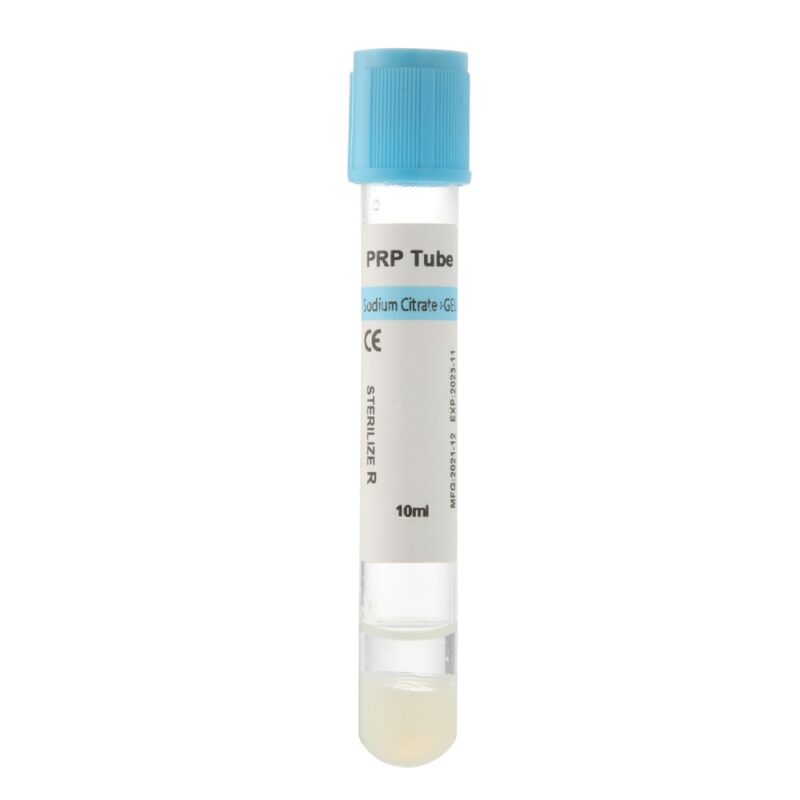
Some premium plastic PRP tubes also use specially designed separator gels and anticoagulants that help improve platelet isolation consistency.
This is why many hospitals, aesthetic clinics, and sports medicine centers now prefer plastic systems for daily PRP preparation.
Do Glass PRP Tubes Produce Better PRP Concentration?
This is probably the most misunderstood part of the debate.
Many online discussions suggest glass tubes automatically create “higher quality PRP.” In reality, PRP effectiveness depends on multiple factors working together:
- Centrifugation speed
- Spin time
- Anticoagulant formulation
- Separator gel design
- Blood handling technique
- Platelet recovery efficiency
- Tube sterility and manufacturing precision
The tube material alone does not determine PRP quality.
What Actually Affects Platelet Yield?
A well-designed plastic PRP tube can outperform a poorly designed glass tube if:
- The gel separation is more stable.
- The anticoagulant ratio is optimized.
- The vacuum level is accurate.
- The centrifugation protocol is validated.
Similarly, a high-quality glass PRP tube may perform extremely well in applications requiring stronger platelet activation or fibrin matrix formation.
This means buyers should avoid oversimplified claims like:
- “Glass is always superior.”
- “Plastic is unsafe.”
- “Only glass can create real PRP.”
Those statements are not technically accurate.
Instead, clinics should evaluate PRP systems based on clinical goals. Hair restoration clinics may prioritize platelet recovery and low inflammatory contamination, while dental PRF procedures may focus more on fibrin structure and clot formation behavior.
Comparing Glass vs Plastic PRP Tubes in Clinical Practice
Choosing between glass and plastic PRP tubes often comes down to workflow, safety, and treatment objectives.
| Feature | Glass PRP Tubes | Plastic PRP Tubes |
| Breakage Resistance | Lower | Higher |
| Weight | Heavier | Lighter |
| Transportation Safety | Moderate | Excellent |
| Platelet Activation | Naturally higher | Controlled by additives |
| Clarity | Excellent | Excellent |
| Cost Efficiency | Usually higher | Usually more economical |
| Handling Safety | Requires caution | Easier for daily use |
| International Shipping | More fragile | More stable |
When Glass PRP Tubes May Be Preferred
Glass systems are often selected for:
- Certain PRF procedures
- Applications requiring rapid clot activation
- Dental surgery workflows
- Clinics following traditional PRP protocols
When Plastic PRP Tubes May Be Better
Plastic PRP tubes are commonly preferred for:
- Hair restoration clinics
- Aesthetic medicine centers
- High-volume PRP procedures
- International distribution
- Daily outpatient treatment environments
This is one reason why many modern PRP systems now rely heavily on PET-based vacuum tubes rather than traditional glass-only designs.
How to Choose the Right PRP Tube Supplier
Whether choosing glass or plastic, buyers should pay attention to manufacturing quality rather than focusing only on the material.
Important Questions to Ask a Supplier
- Is the tube sterile?
- What anticoagulant is used?
- Is the separator gel included?
- Has the tube been tested under centrifugation?
- What platelet recovery range is expected?
- Is OEM/private labeling available?
- Are CE and ISO certifications available?
- What centrifuge speeds are recommended?
Many low-cost PRP tubes on the market look similar externally but behave very differently during centrifugation. Inconsistent gel movement, weak vacuum retention, or unstable additives can directly affect treatment consistency.
For distributors and clinics, long-term reliability is usually more important than choosing glass or plastic alone.
Are Glass PRP Tubes Really More Effective?
The short answer is: not always.
Glass PRP tubes still have advantages in specific clinical applications, especially where clot activation and fibrin formation are important. However, modern medical-grade plastic PRP tubes have improved significantly and now dominate many PRP markets because of their safety, convenience, and stable manufacturing consistency.
The better choice depends on:
- Your treatment protocol
- Your centrifuge system
- Your target platelet concentration
- Your clinic workflow
- Your shipping and handling requirements
Rather than asking whether glass or plastic is universally “better,” clinics should focus on selecting a validated PRP system from a reliable manufacturer.
FAQ About Glass and Plastic PRP Tubes
Are glass PRP tubes safer than plastic tubes?
Not necessarily. Glass tubes offer excellent stability, but they are more fragile and can break during handling or transportation. Plastic PRP tubes are generally considered safer for high-volume daily clinical use.
Do glass PRP tubes produce higher platelet concentration?
Not automatically. Platelet concentration depends more on centrifugation protocol, anticoagulants, separator gel quality, and tube design than on tube material alone.
Why do some PRF procedures still use glass tubes?
Glass surfaces can naturally promote clot activation and fibrin formation, which may be useful in certain PRF and dental applications.
Are plastic PRP tubes reliable for professional clinics?
Yes. Modern PET medical-grade PRP tubes are widely used in aesthetic medicine, orthopedics, sports medicine, and hair restoration clinics worldwide.
Which is better for hair restoration PRP?
Many hair restoration clinics prefer plastic PRP tubes because they are lightweight, safer to handle, and compatible with high-volume PRP preparation workflows.
Can glass PRP tubes break during centrifugation?
If improperly balanced or handled incorrectly, glass tubes may crack or break under centrifugation stress. High-quality manufacturing helps reduce this risk, but it cannot eliminate it completely.
Should distributors stock both glass and plastic PRP tubes?
In many markets, yes. Different clinics follow different PRP protocols, so offering both options can help meet broader customer demand.
Final Thoughts
The discussion around glass vs. plastic PRP tubes often sounds more dramatic than it really is. Both materials can perform well when they are manufactured correctly and matched with the right PRP preparation protocol. Glass PRP tubes still play an important role in certain PRF and fibrin-focused procedures, while modern plastic PRP tubes have become the preferred option for many clinics because of their safety, convenience, and reliable day-to-day handling.
For clinics, distributors, and purchasing managers, the smarter approach is not simply choosing “glass” or “plastic.” Instead, focus on the complete PRP system — including anticoagulants, separator gel quality, centrifugation compatibility, sterility standards, and manufacturing consistency. A high-quality PRP tube should help create stable platelet separation while fitting naturally into your clinical workflow.