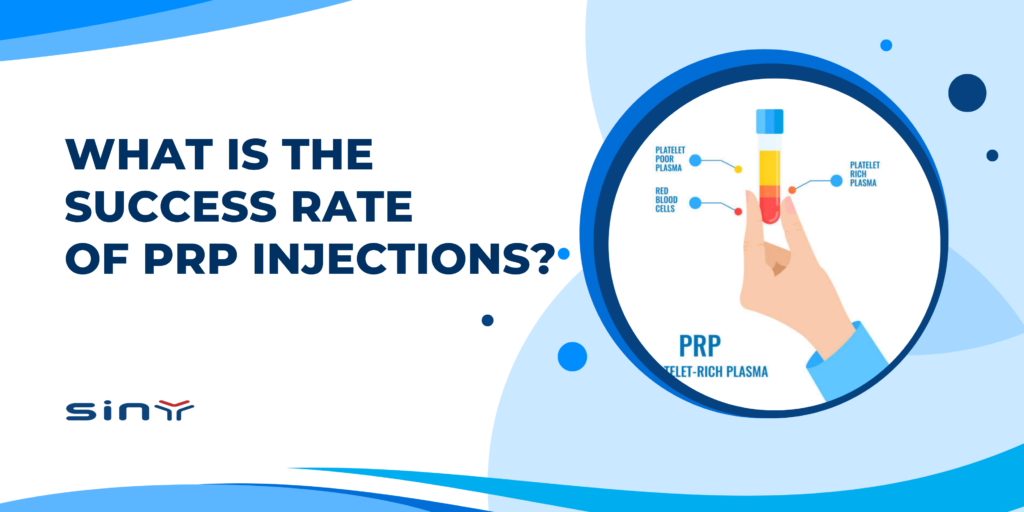
If you’re researching what is the success rate of PRP injections, you’re likely evaluating whether platelet-rich plasma therapy is worth the investment—either clinically or commercially. The short answer is: PRP injections typically show a success rate between 60% and 85%, depending on the application, preparation method, and product quality used.
However, this number alone can be misleading. In reality, PRP effectiveness varies significantly across treatments such as hair restoration, orthopedic therapy, and skin rejuvenation. More importantly, the consistency of results is highly dependent on how PRP is prepared, including the quality of PRP tubes and separation systems used.
Understanding these variables is essential—not just for clinicians, but also for distributors and procurement professionals selecting the right products.
PRP Injection Success Rate by Treatment Type
When analyzing what is the success rate of PRP injections, it’s important to break it down by clinical use case. PRP is not a single standardized therapy—it behaves differently depending on the target tissue.
Hair Loss (Androgenetic Alopecia)
PRP therapy for hair restoration typically reports success rates of 70%–85%, especially in early-stage hair thinning. Patients often experience:
- Increased hair density
- Reduced shedding
- Improved follicle strength
This is why PRP has become widely used alongside microneedling and mesotherapy protocols.
Orthopedic Conditions (Knee, Tendon, Joint)
For joint-related conditions such as knee osteoarthritis or tendon injuries, the success rate is typically 60%–75%, depending on severity and patient condition.
PRP helps by:
- Reducing inflammation
- Promoting tissue regeneration
- Supporting long-term healing rather than temporary relief
However, variability is higher in this category, largely due to differences in PRP preparation methods.
Skin Rejuvenation & Aesthetic Treatments
In aesthetic medicine, PRP injections show success rates of around 70%–80%, particularly for:
- Fine lines and wrinkles
- Skin texture improvement
- Post-laser recovery
The results are often gradual but noticeable over multiple sessions.

What Factors Influence the Success Rate of PRP Injections?
Understanding what is the success rate of PRP injections is incomplete without analyzing what actually drives those results.
1. Platelet Concentration and Viability
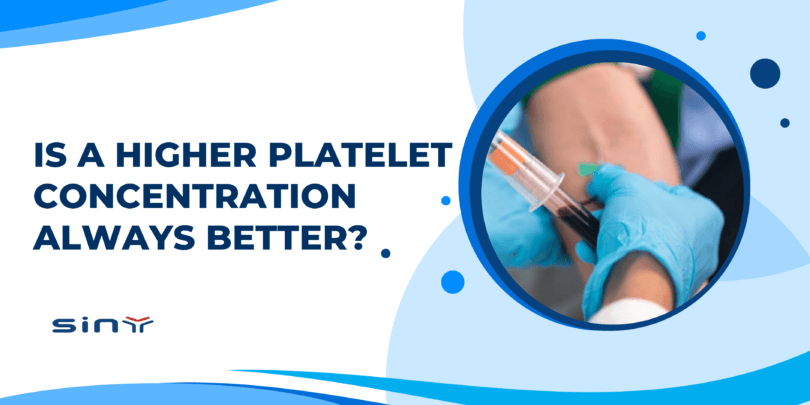
The therapeutic effect of PRP depends heavily on platelet concentration. Poor separation can lead to:
- Low platelet yield
- Contamination with red blood cells
- Reduced efficacy
2. Centrifugation Process
Speed, time, and protocol all matter. Even small deviations can significantly affect PRP quality.
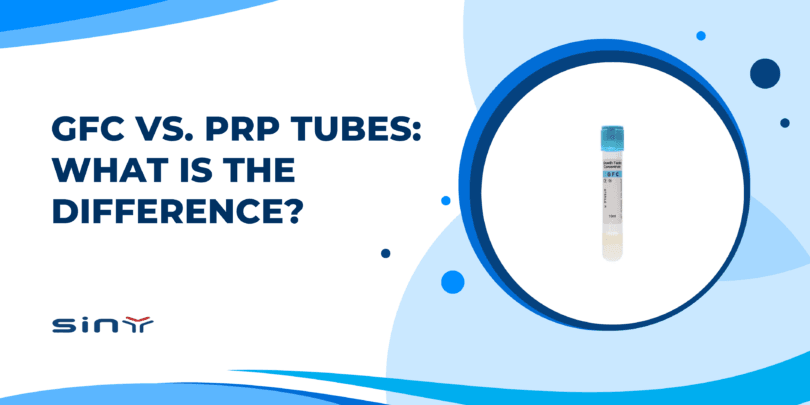
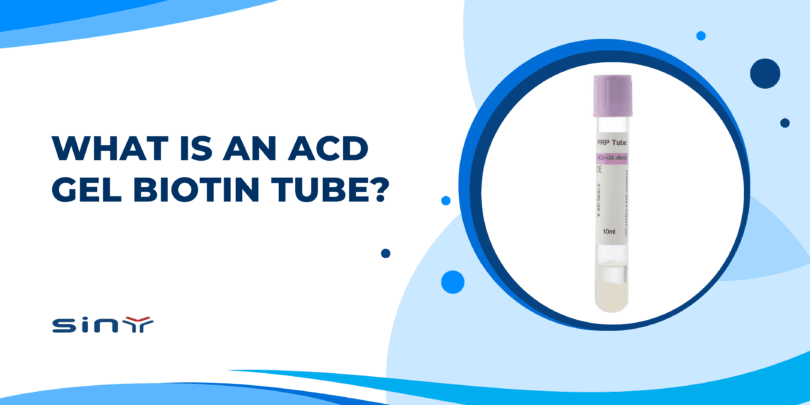
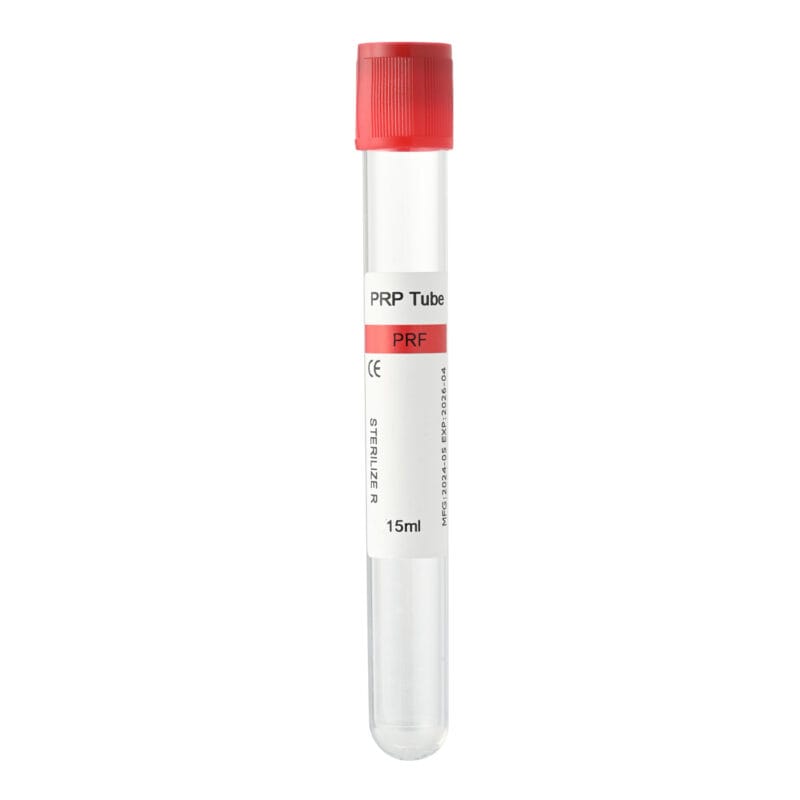
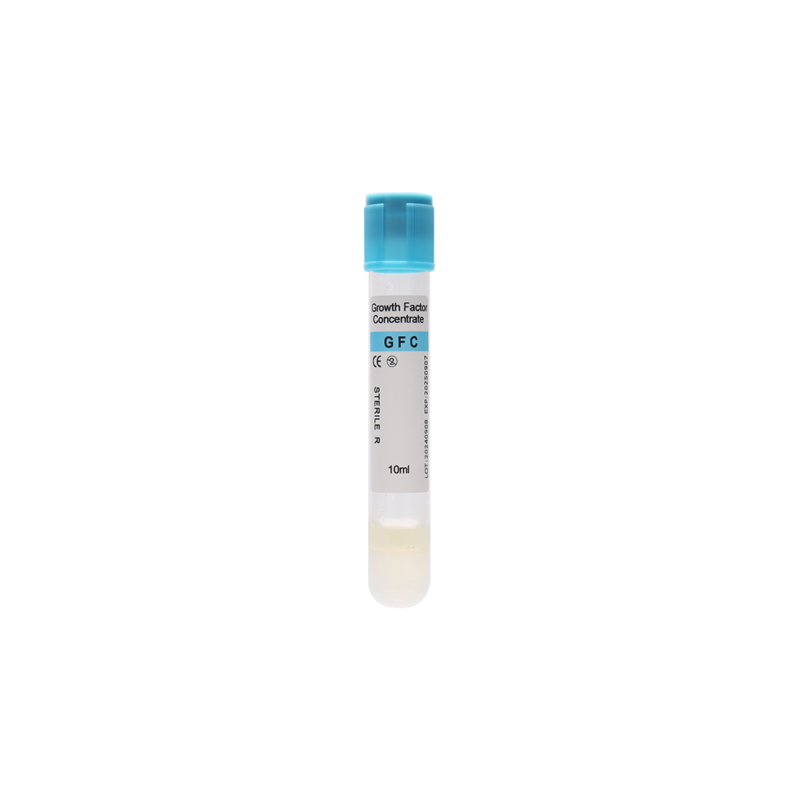
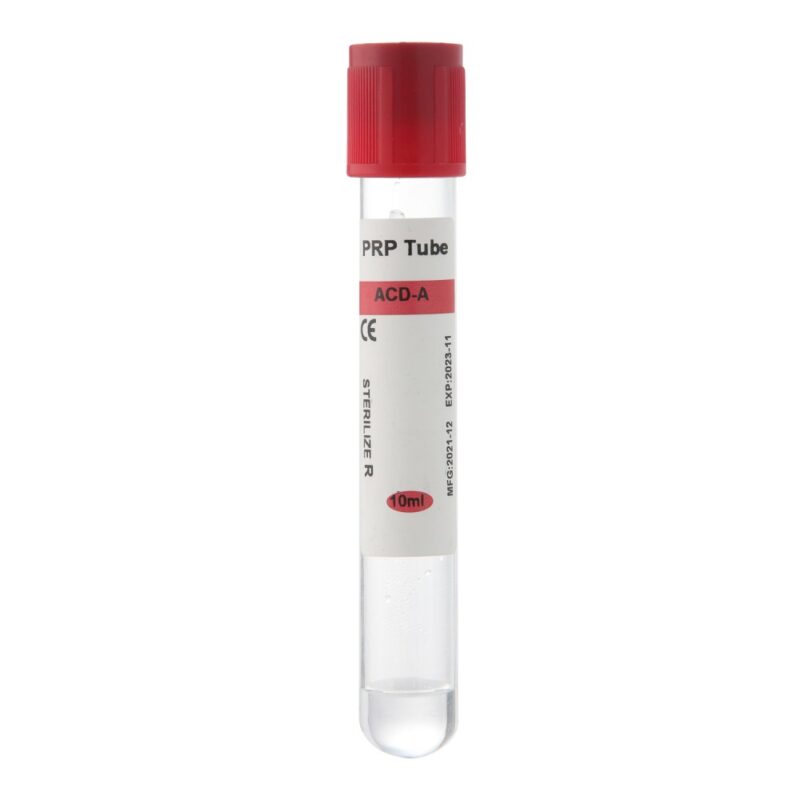
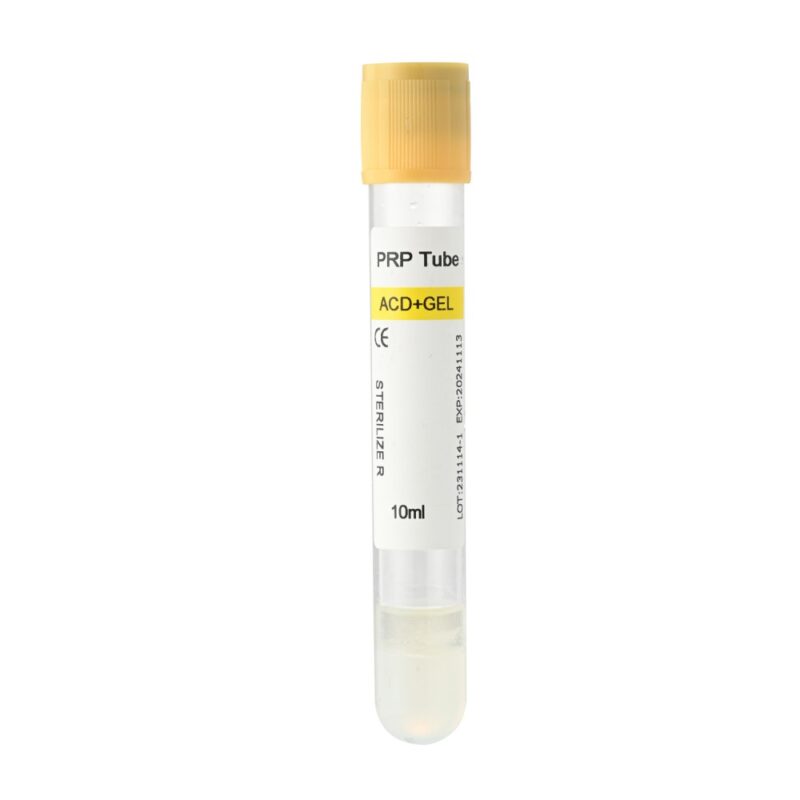
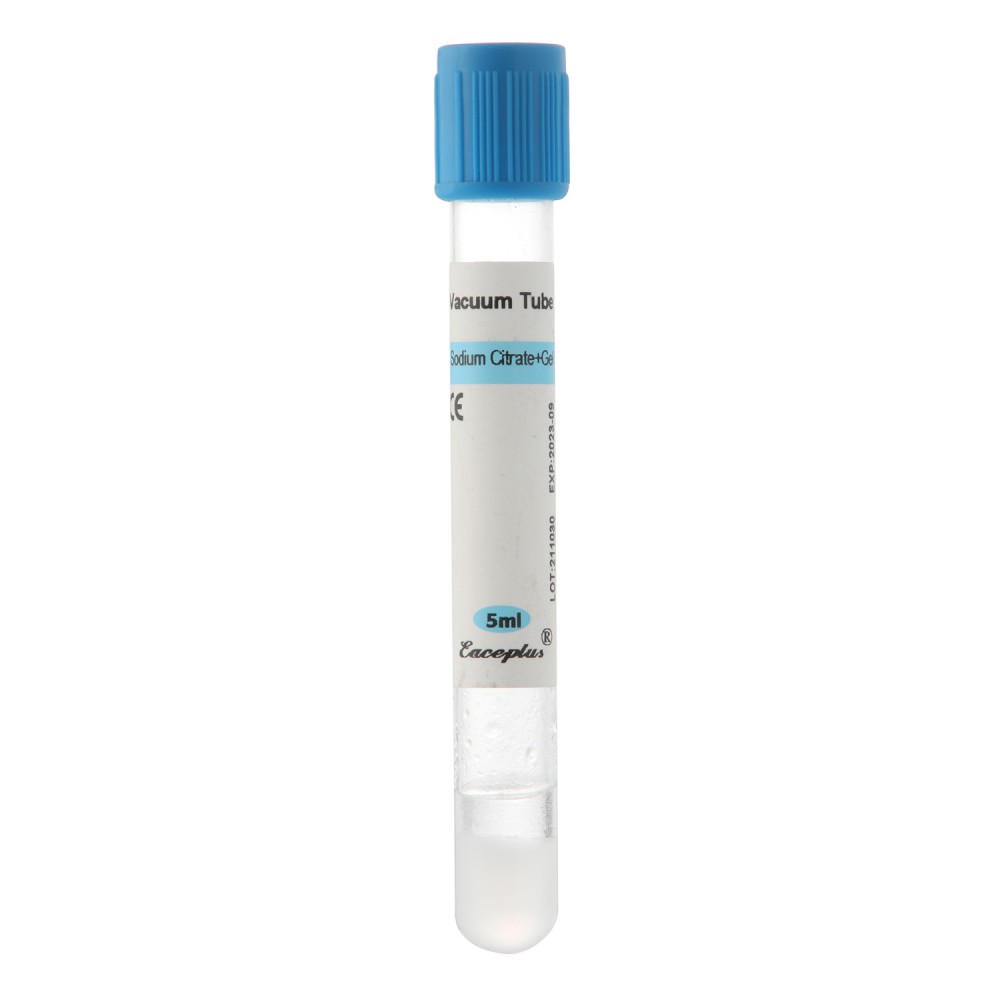
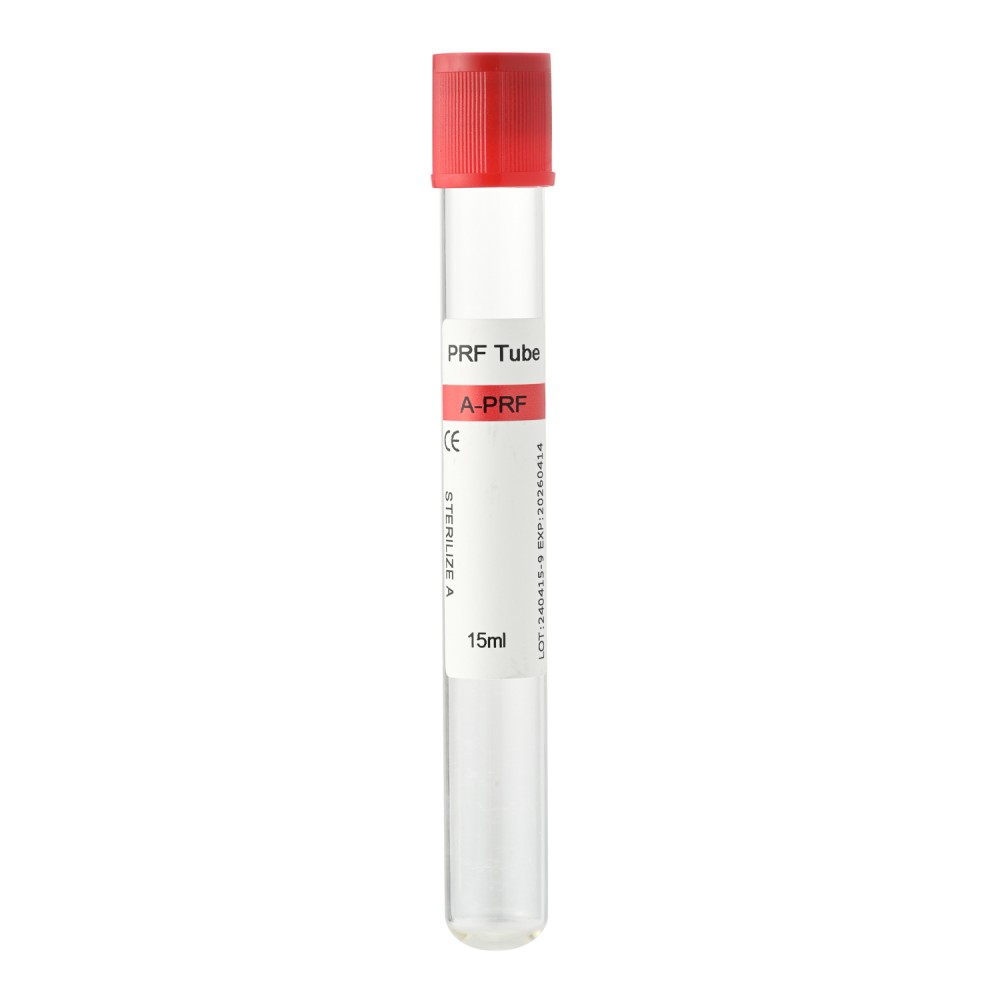
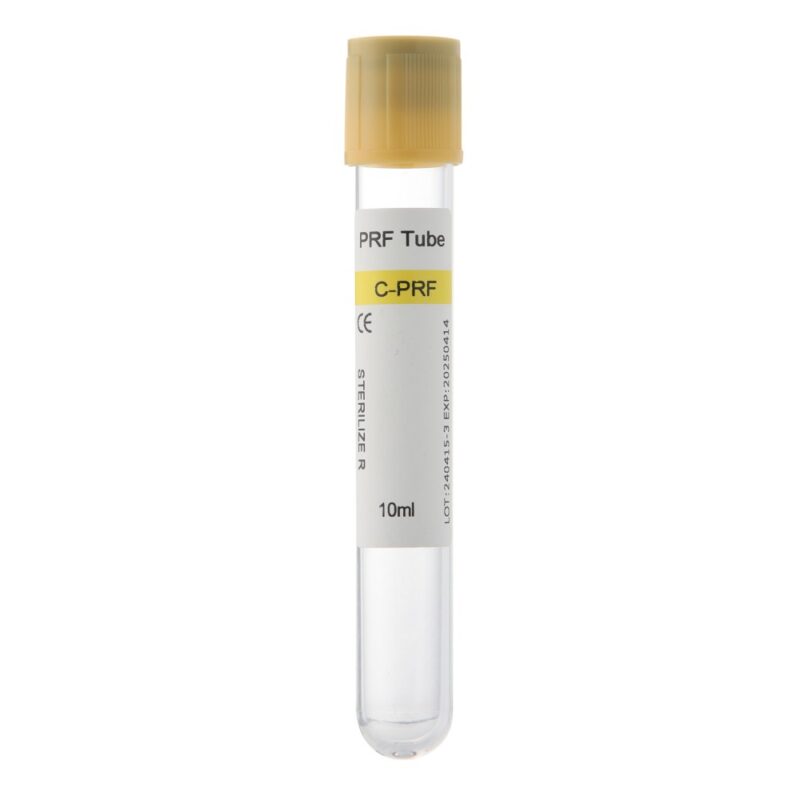
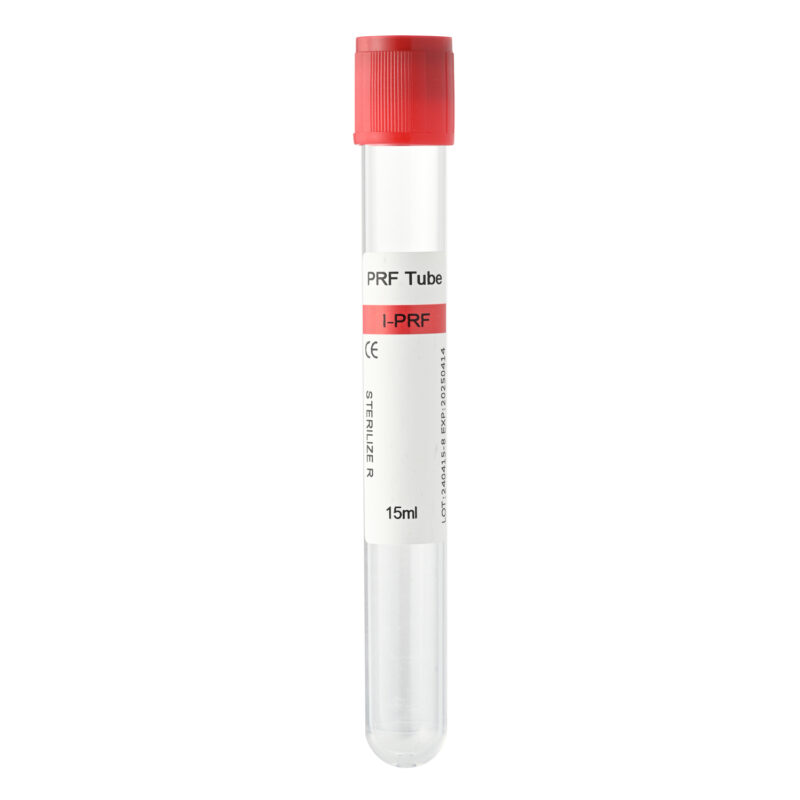
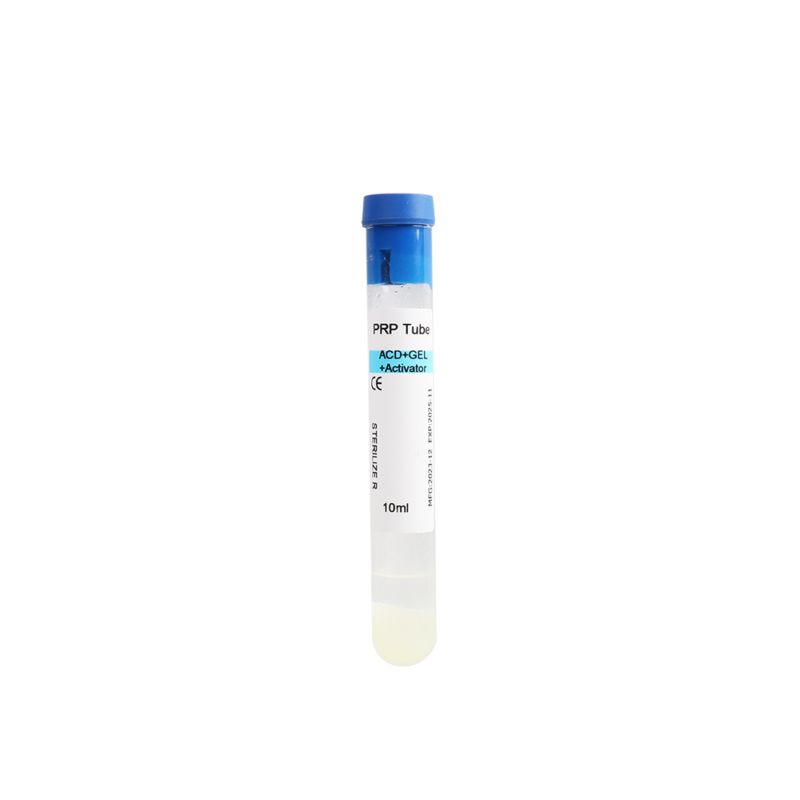
3. PRP Tube Design and Additives
This is one of the most overlooked—but most critical—factors.
High-quality PRP tubes ensure:
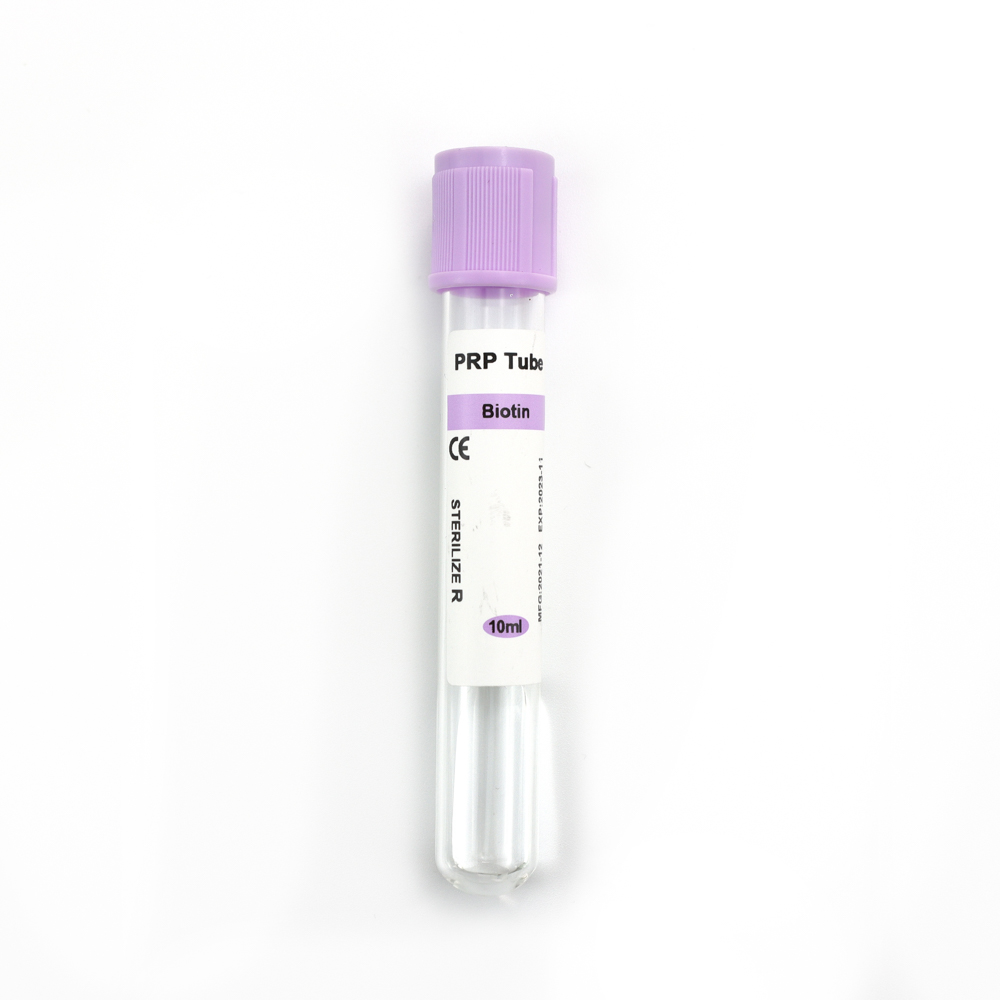
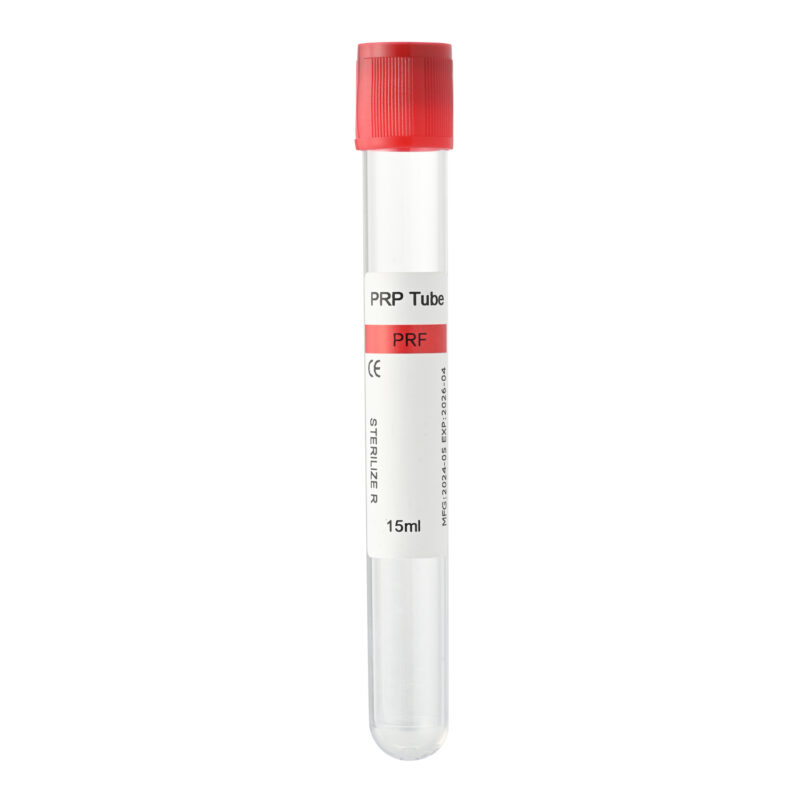
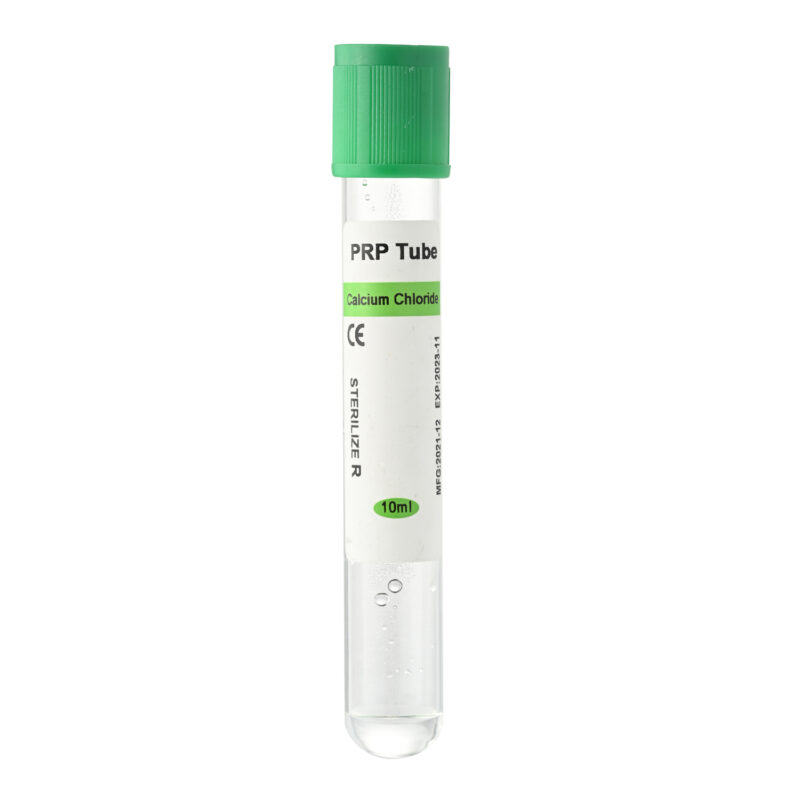
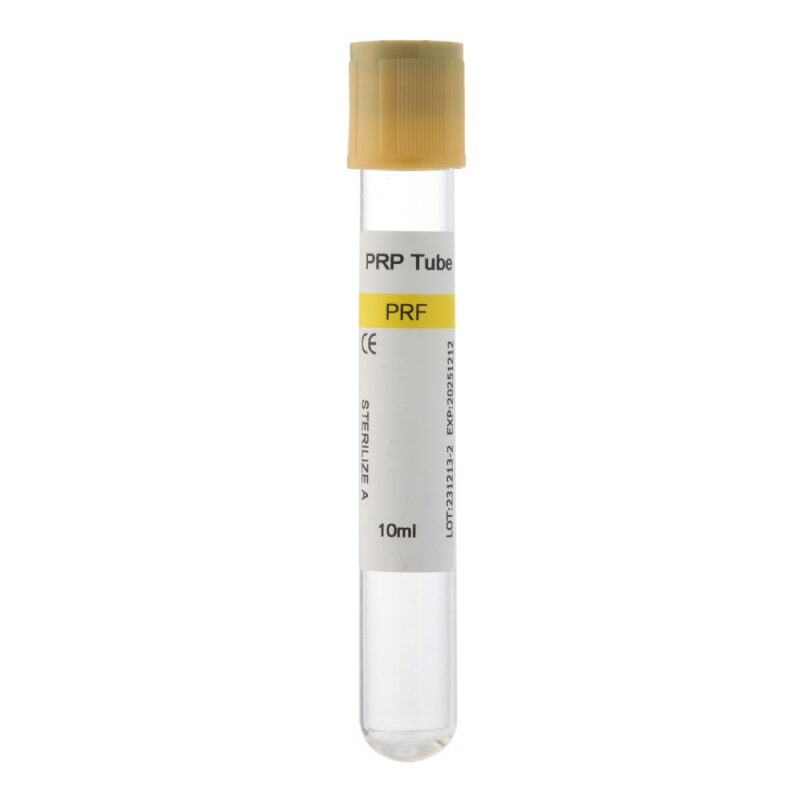
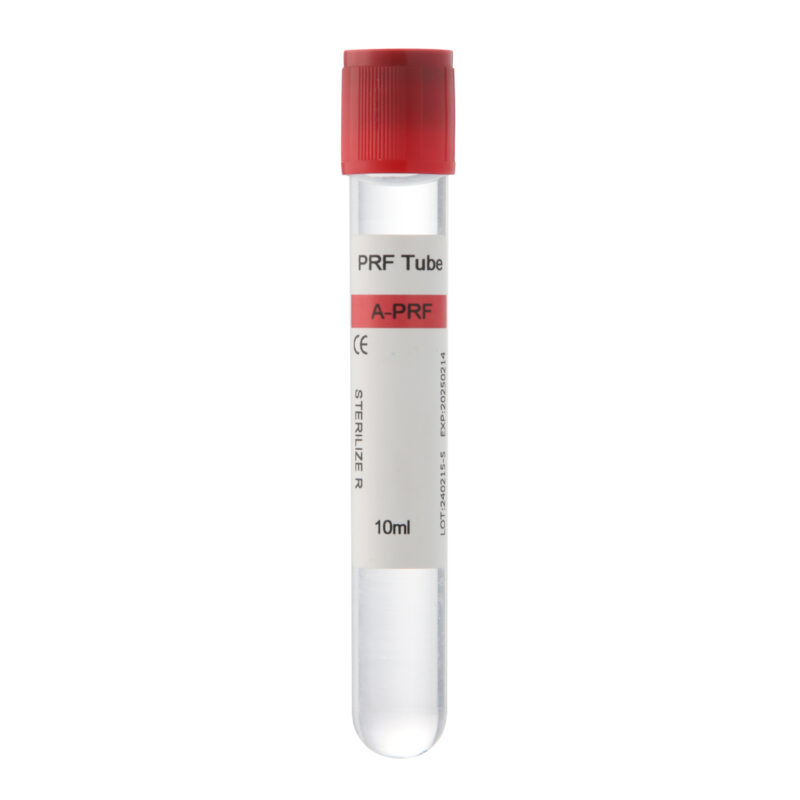
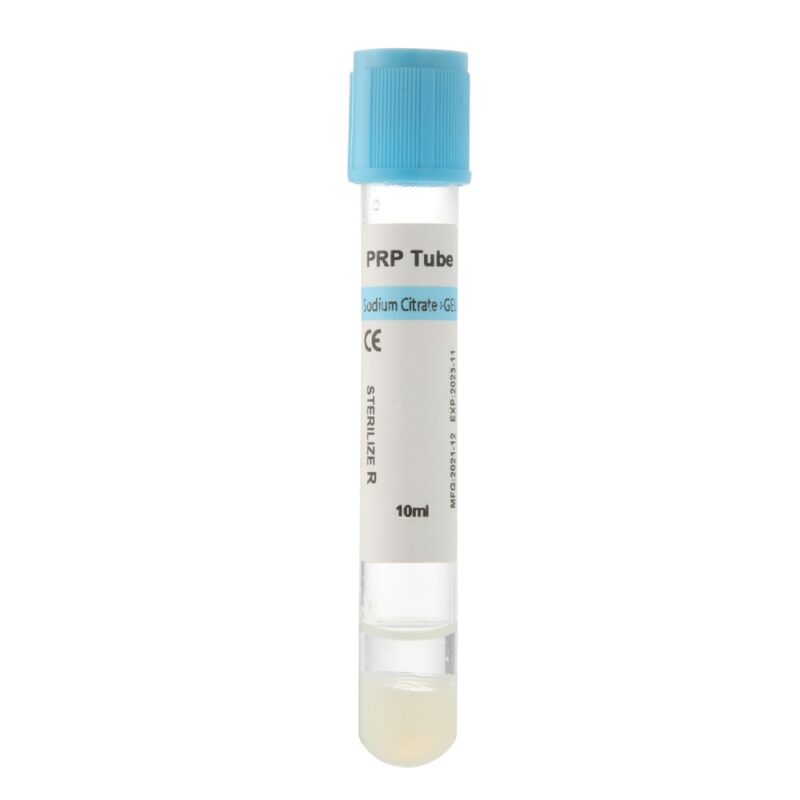
- Stable anticoagulation (e.g., ACD-A, Sodium Citrate)
- Effective separation via medical-grade gel
- Preservation of platelet activity
Low-quality tubes, on the other hand, may result in inconsistent layers and poor yield.
If you’re sourcing PRP products, working with a manufacturer that offers controlled additive ratios and gel stability—like Siny PRP—can significantly reduce variability across treatments.
4. Clinical Technique
Even with perfect PRP, improper injection techniques can reduce effectiveness. Skill and protocol standardization are essential.

Why PRP Success Rates Vary Across Suppliers
Here’s something many buyers overlook: not all PRP systems are created equal.
Even if two clinics follow the same protocol, outcomes can differ due to:
- Tube material (PET vs glass)
- Gel separation efficiency
- Anticoagulant quality
- Sterility and manufacturing standards
This explains why some practitioners report inconsistent results—even when using “PRP” as a method.
For distributors and clinics, choosing a reliable supplier is not just about cost—it directly impacts treatment outcomes. You can review different configurations and request technical details directly from Siny PRP to better evaluate your options.
How to Improve PRP Injection Success Rates in Practice
If your goal is to achieve higher and more consistent outcomes, focus on these three areas:
- Use standardized, clinically validated PRP tubes.
- Follow strict centrifugation protocols.
- Ensure proper training in injection techniques.
Additionally, selecting the right PRP system for your application (hair vs orthopedic vs aesthetic) can significantly improve success rates.
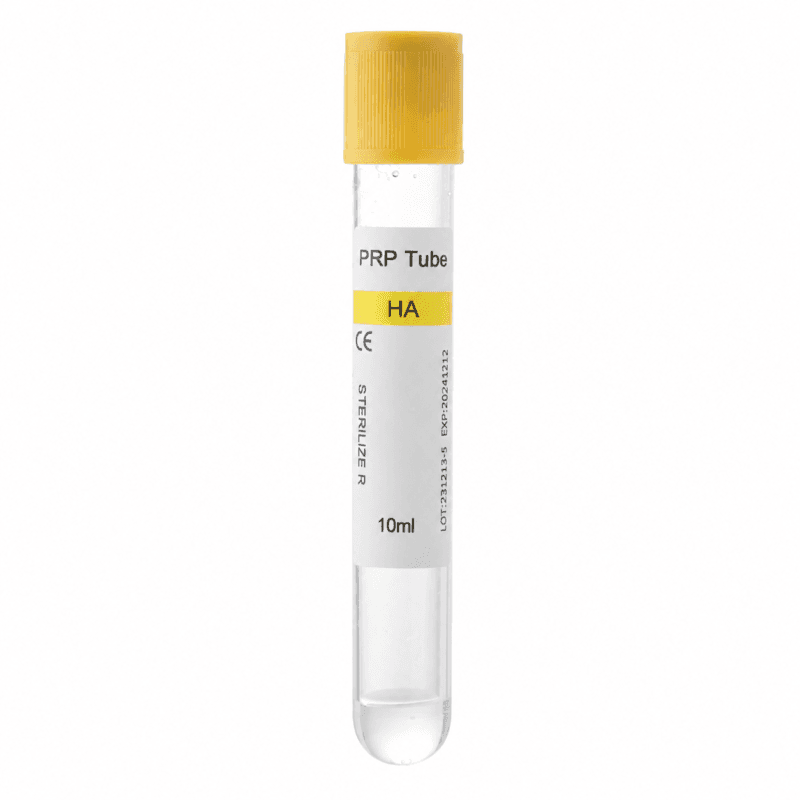
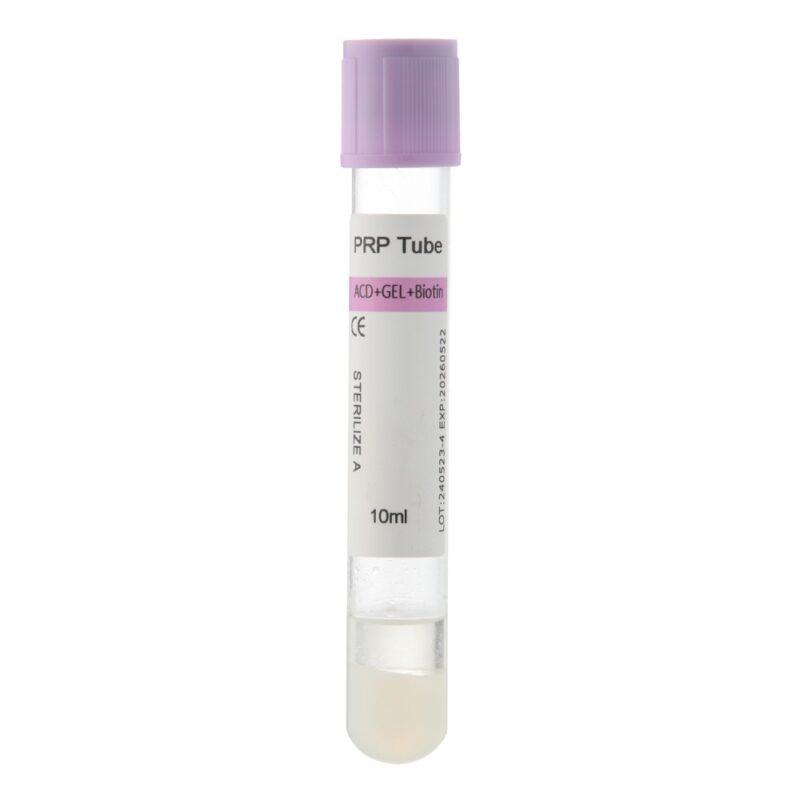
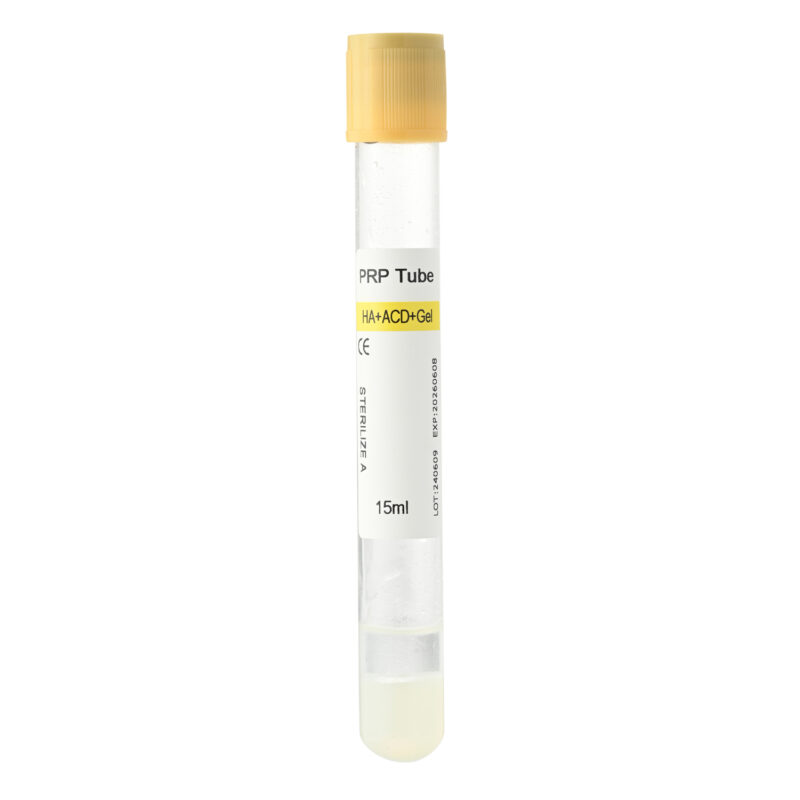
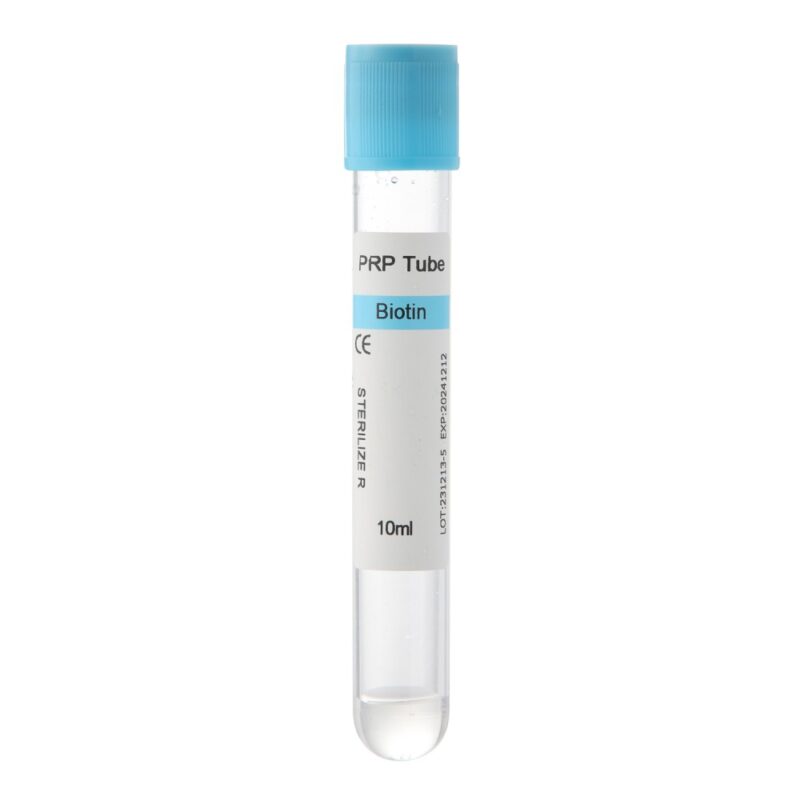
Many clinics are now shifting toward specialized tubes such as Biotin PRP Tubes for Hair Loss or HA PRP Tubes to optimize outcomes.

FAQ: PRP Injection Success Rate
Is PRP guaranteed to work?
No. While success rates are relatively high, PRP is not a guaranteed treatment. Results vary depending on patient condition, treatment area, and preparation quality.
How many sessions are needed for good results?
Most treatments require 3–4 sessions, spaced 4–6 weeks apart, followed by maintenance sessions.
Why do some PRP treatments fail?
Common reasons include:
- Poor PRP preparation
- Low platelet concentration
- Inconsistent product quality
- Incorrect clinical technique
Does PRP work better with high-quality tubes?
Yes. The quality of PRP tubes directly affects platelet yield and consistency, which in turn impacts treatment success.
Summary
So, what is the success rate of PRP injections? While the average ranges between 60% and 85%, the real takeaway is this: success is not just about the therapy—it’s about how the therapy is prepared.
For clinics and distributors, this means that selecting the right PRP system is just as important as the treatment itself. Consistency, reliability, and product quality all play a decisive role in outcomes.
If you’re currently evaluating PRP suppliers or looking to improve treatment consistency, exploring a more standardized solution from Siny PRP could be a practical next step.