Platelet-rich plasma therapy has become a widely used treatment in dermatology, orthopedics, sports medicine, and hair restoration. As more clinics adopt the procedure, many patients begin searching for practical preparation advice, including one common question: Can I drink alcohol before PRP injection?
The short answer is no—most physicians recommend avoiding alcohol for at least 24–48 hours before PRP therapy. Alcohol can interfere with platelet function, reduce hydration, and potentially affect the quality of platelet-rich plasma derived from a patient’s blood. Since PRP relies entirely on the patient’s own platelets to stimulate tissue regeneration, any factor that reduces platelet performance may weaken treatment outcomes.
Understanding why alcohol matters—and how PRP therapy works—can help both patients and medical professionals prepare properly. It also highlights why using high-quality PRP preparation systems and reliable PRP tubes, such as those used in professional clinical settings, is essential for achieving consistent results.
What Is PRP Therapy and How Does It Work?
To understand whether alcohol affects PRP treatment, it helps to first understand how PRP therapy functions.
Platelet-rich plasma (PRP) is a concentration of platelets extracted from a patient’s own blood. Platelets contain growth factors and proteins that play a key role in tissue repair and regeneration. When injected into damaged tissue or the skin, these growth factors stimulate healing, collagen production, and cellular regeneration.
The standard PRP preparation process usually involves several steps:
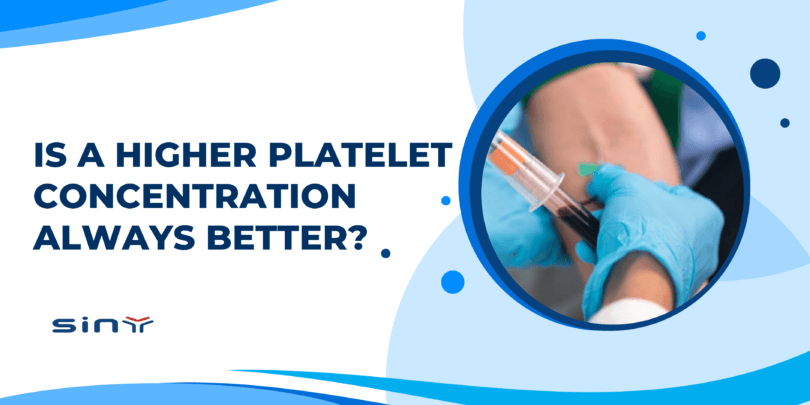
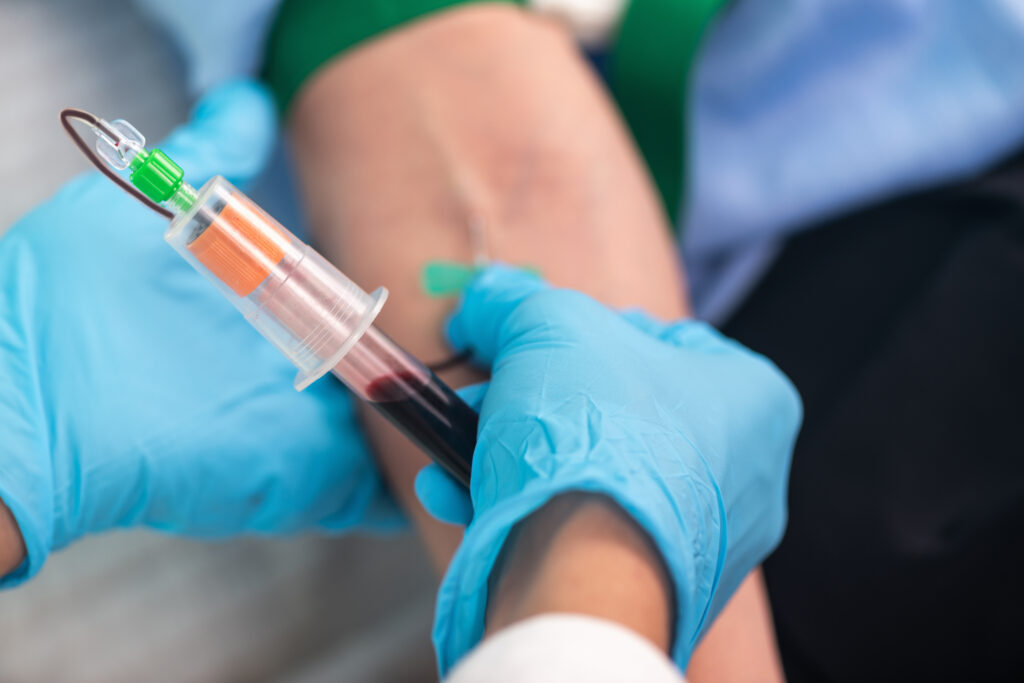
- Blood Collection – A small amount of blood is drawn from the patient using sterile blood collection or PRP tubes.
- Centrifugation – The blood sample is spun in a centrifuge to separate red blood cells, platelet-rich plasma, and platelet-poor plasma.
- PRP Extraction – The platelet-rich portion is carefully isolated.
- Injection or Application – The concentrated PRP is injected into joints, scalp tissue, or skin.
Because the therapy depends entirely on the quality of the platelets collected from the patient’s blood, every step of preparation matters. This includes the patient’s lifestyle before treatment and the clinical equipment used during PRP preparation.
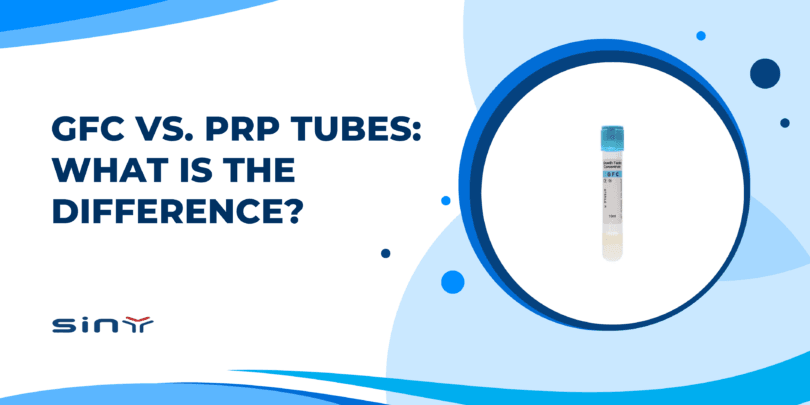
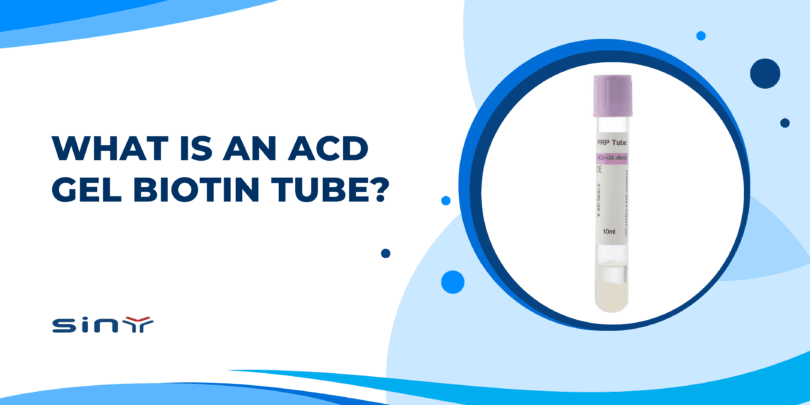
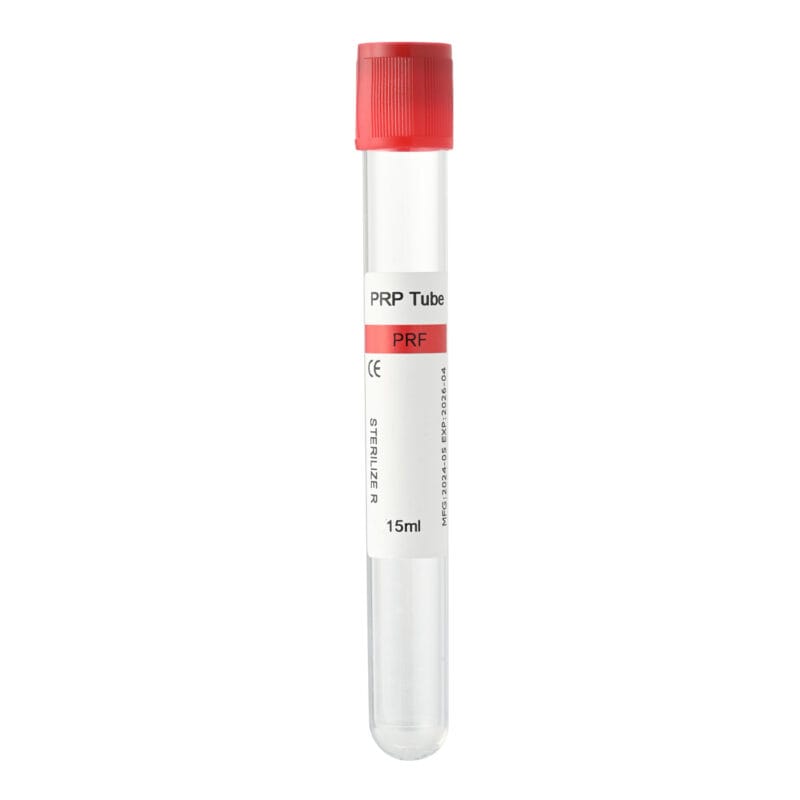
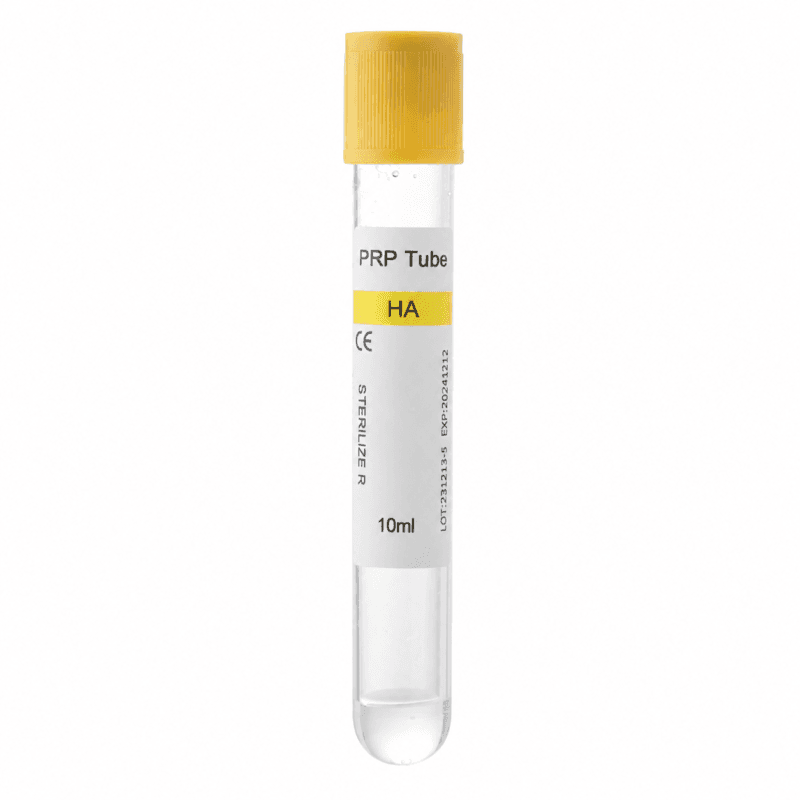
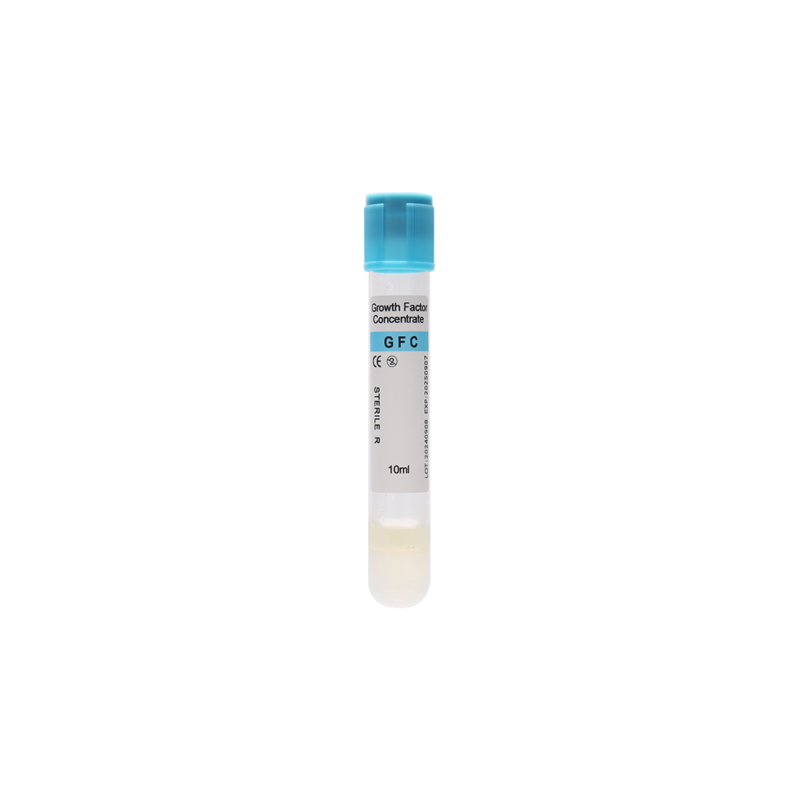
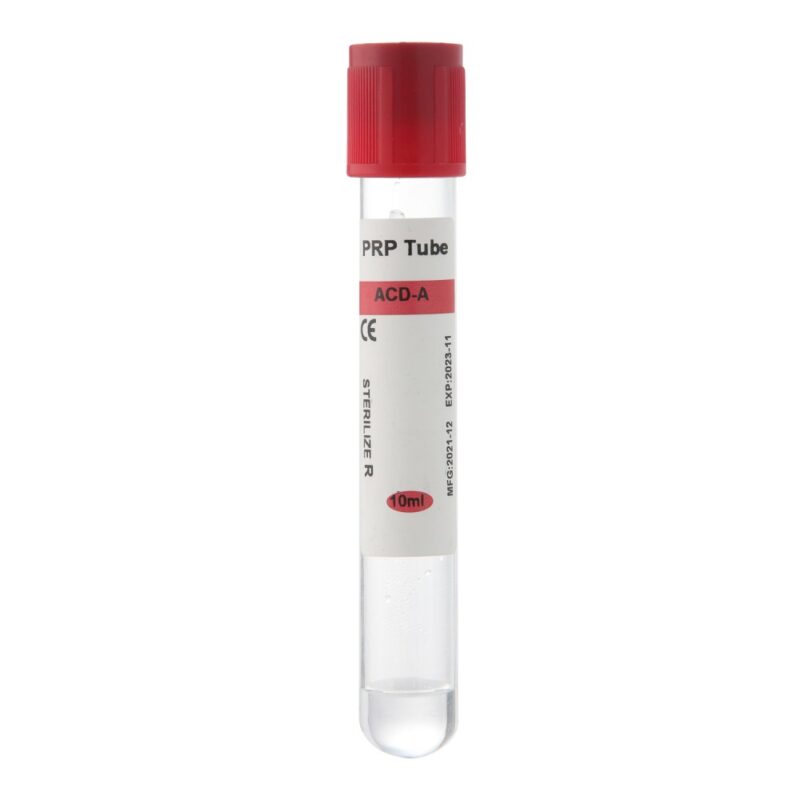
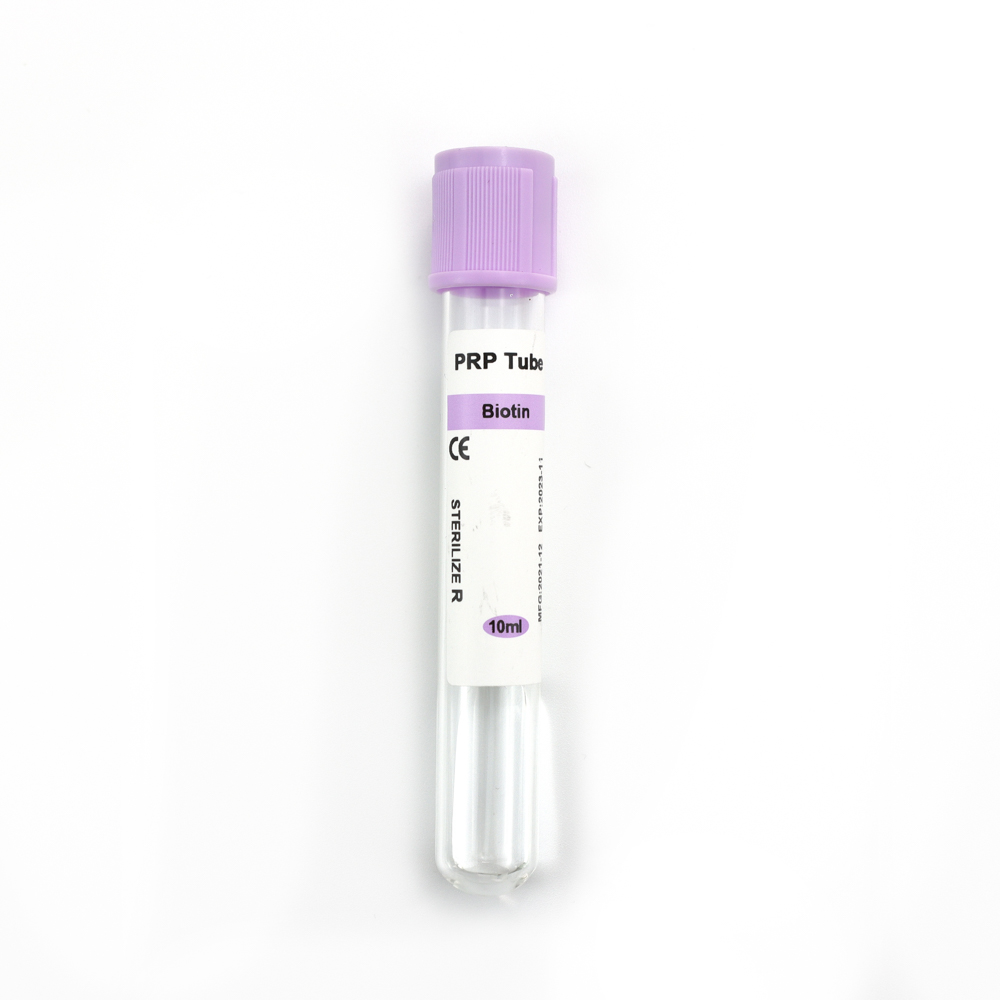
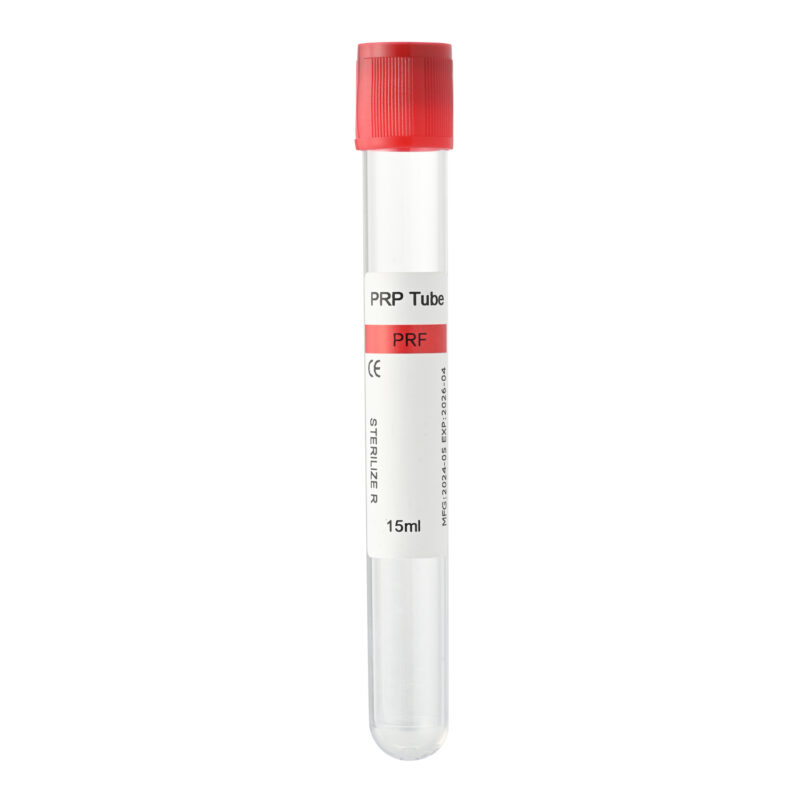
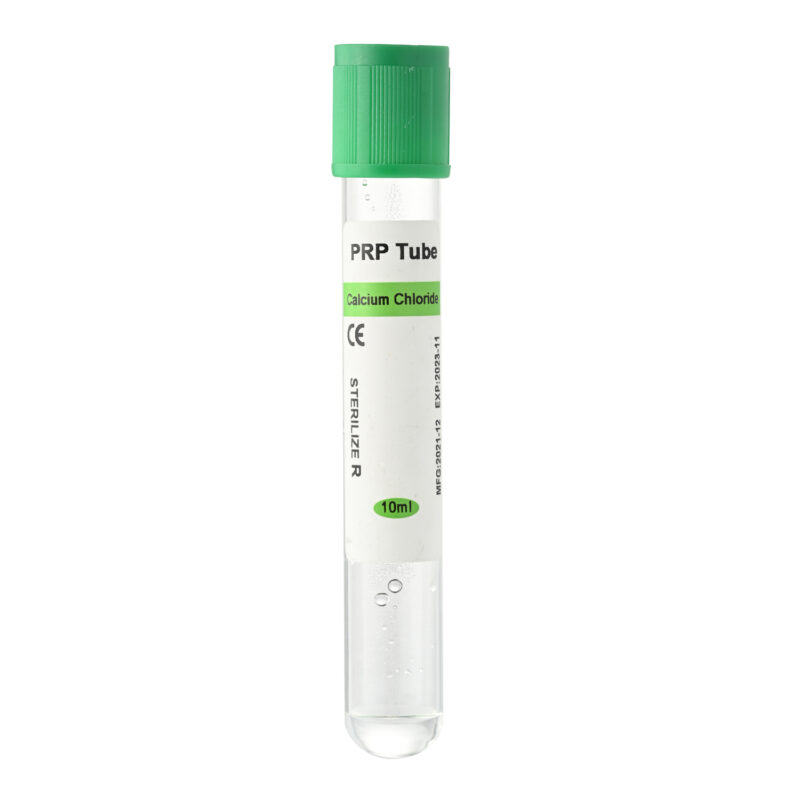
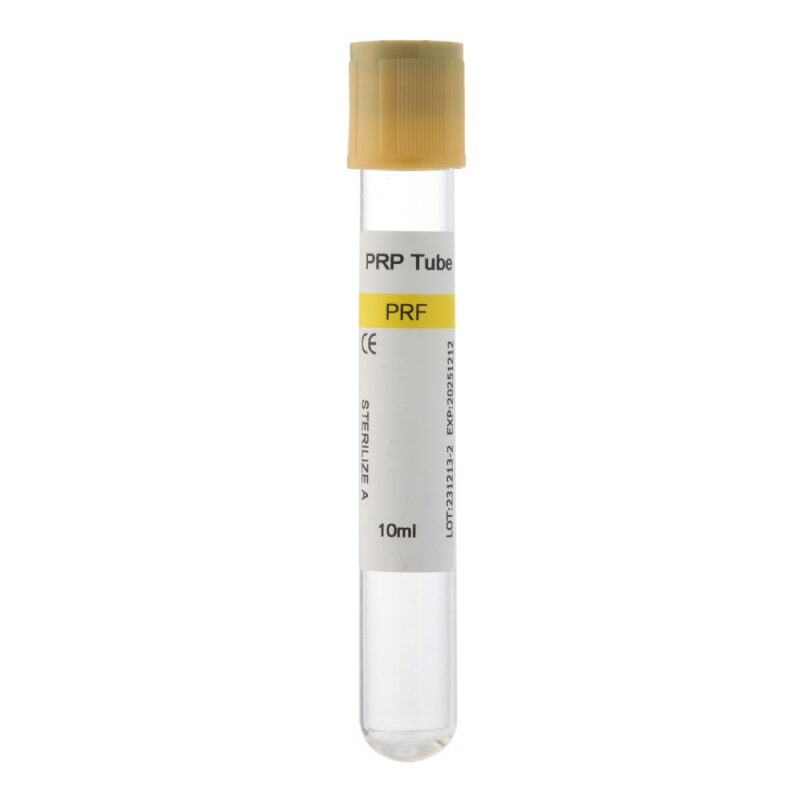
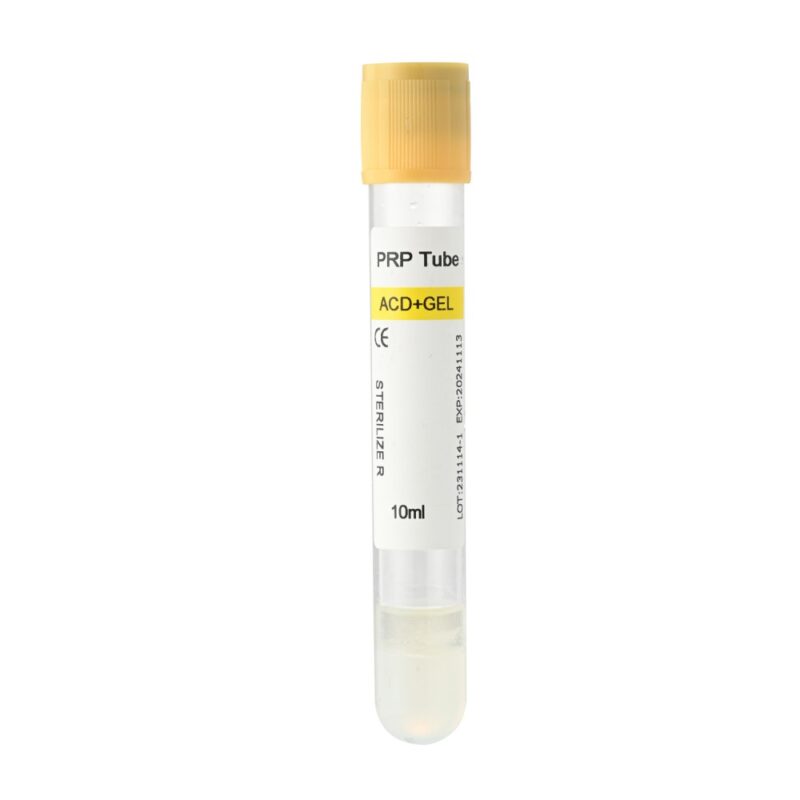
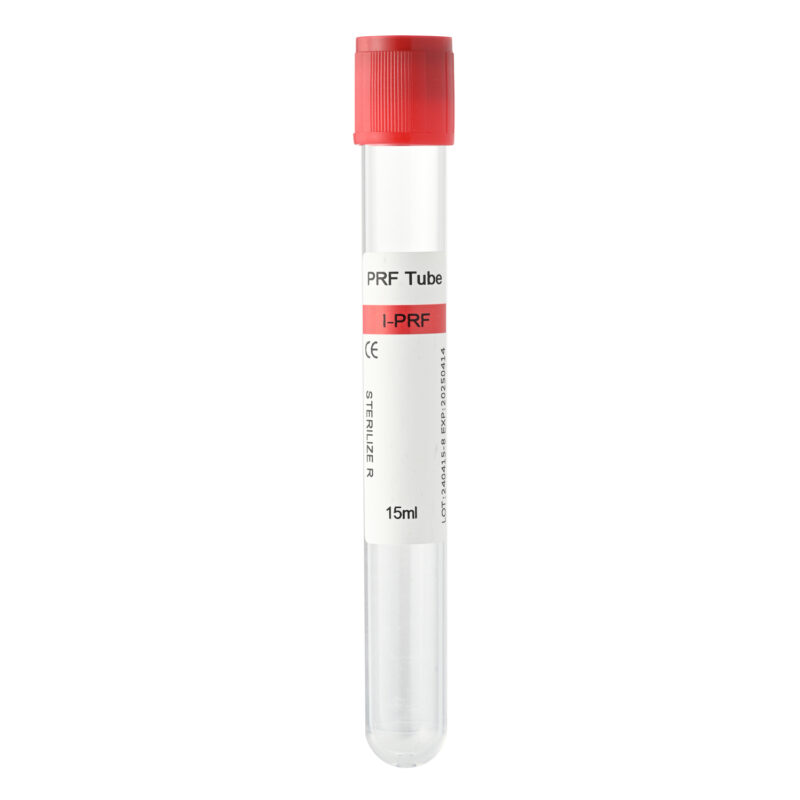
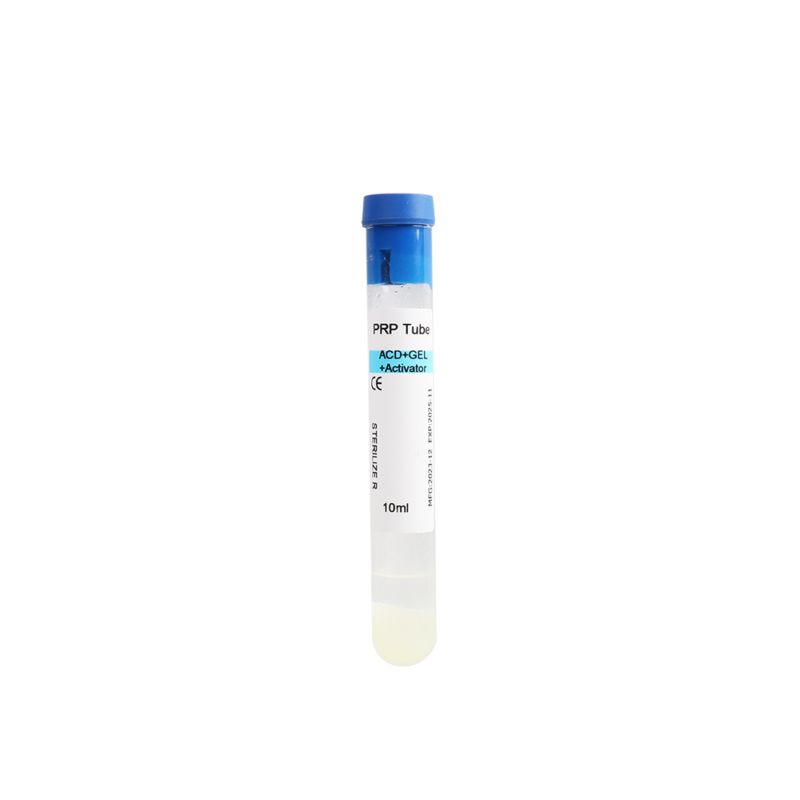
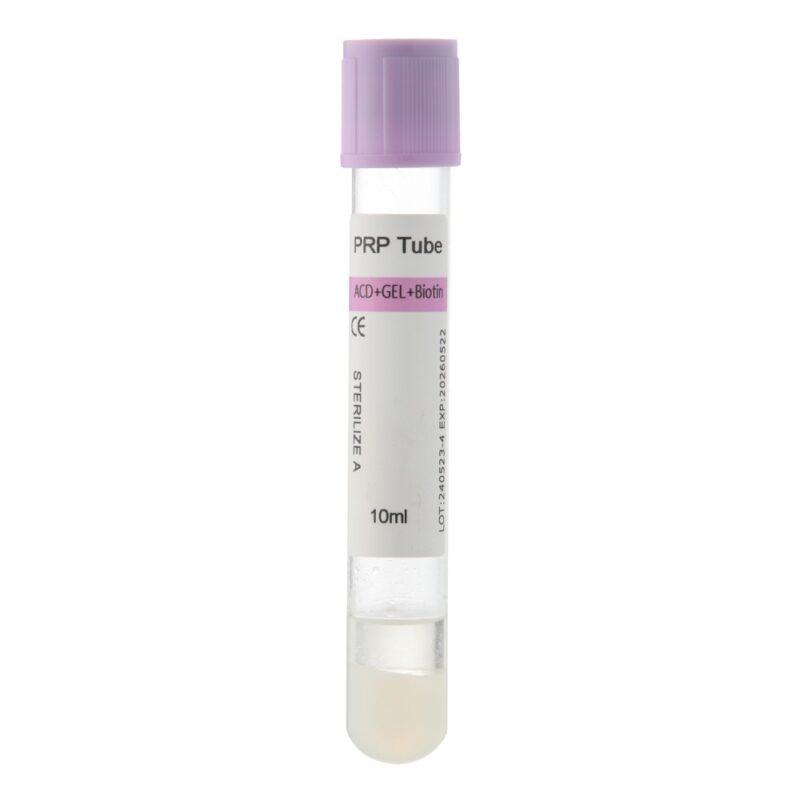
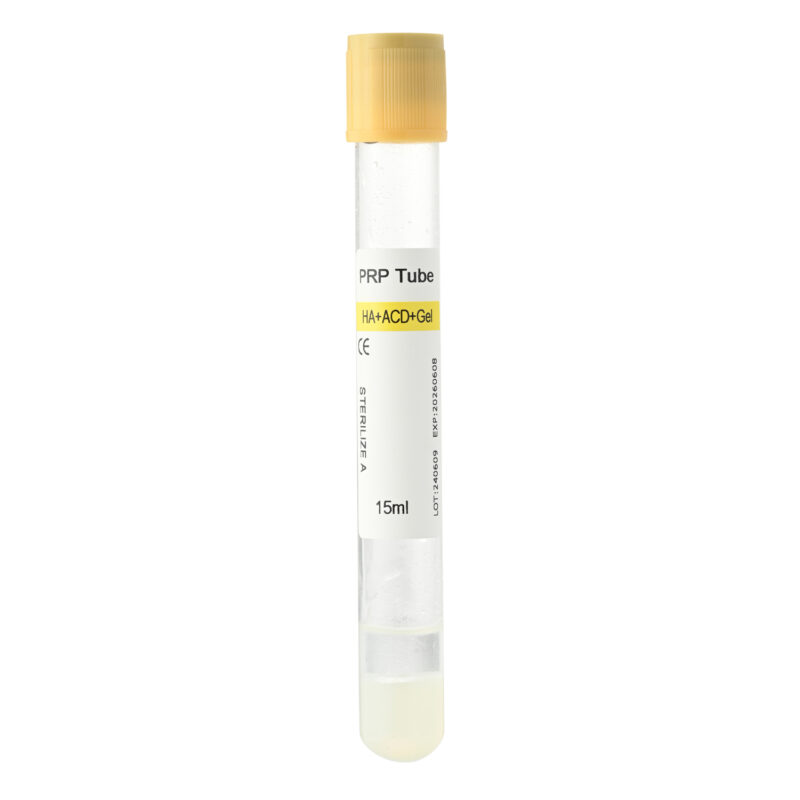
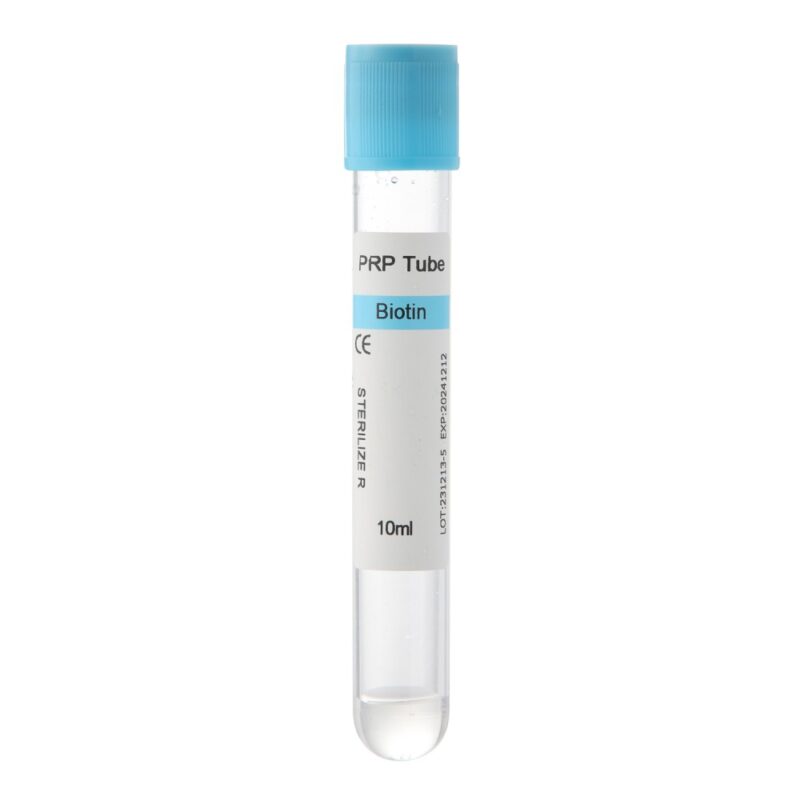
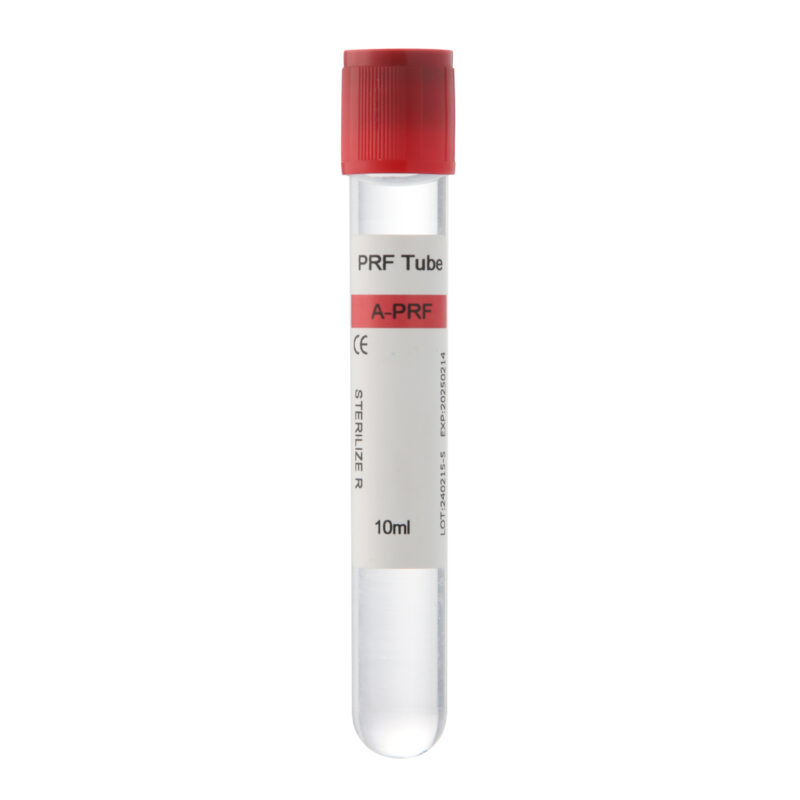
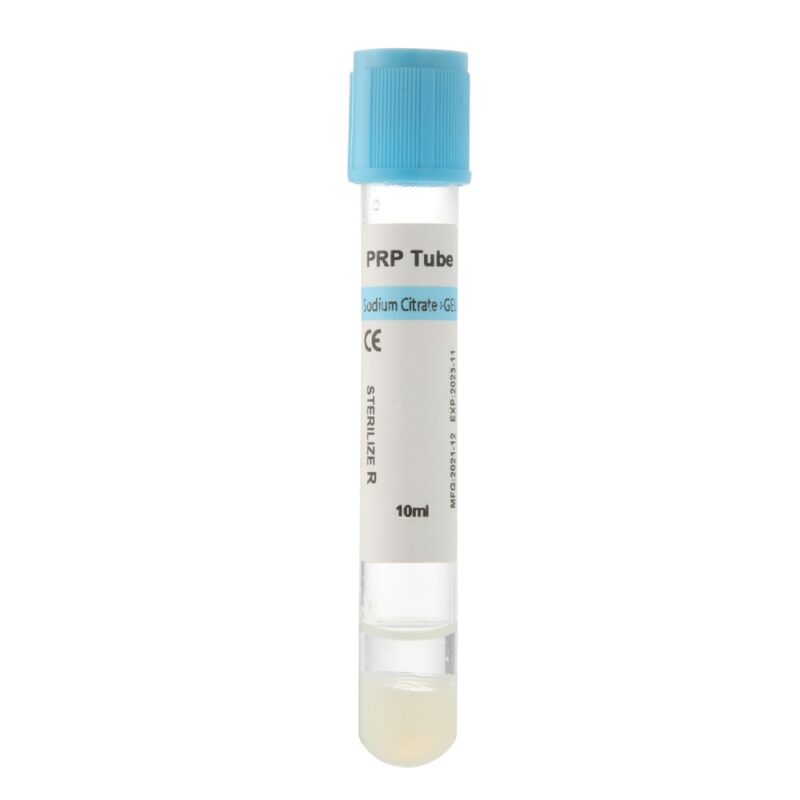
Clinics that regularly perform PRP procedures often rely on specialized PRP tubes with anticoagulant and separation gel to improve platelet recovery and consistency. Choosing reliable preparation materials is one of the factors that can influence treatment success.
Can I Drink Alcohol Before PRP Injection?
Returning to the main question: Can I drink alcohol before PRP injection?
Most medical professionals advise patients to avoid alcohol for at least 24 to 72 hours before the procedure. The reason lies in how alcohol affects the body’s circulatory and cellular systems.
Alcohol can influence platelet behavior in several ways:
Reduced Platelet Function
Alcohol may temporarily impair platelet aggregation. Since platelets must activate and release growth factors during PRP therapy, reduced platelet function could potentially decrease therapeutic effectiveness.
Dehydration Effects
Alcohol is a diuretic, which means it promotes fluid loss. Dehydration can make blood draws more difficult and may influence plasma quality during PRP preparation.
Inflammatory Changes
Alcohol consumption can trigger inflammatory responses and metabolic stress within the body. Because PRP treatment aims to initiate a controlled healing response, excessive alcohol may interfere with that process.
For these reasons, physicians often include alcohol restrictions in standard PRP preparation guidelines. Patients are typically advised to avoid alcohol before treatment and for a short recovery period afterward.
Why Pre-Procedure Preparation Matters in PRP Treatment
PRP therapy may appear simple—a blood draw followed by reinjection—but the success of the procedure relies on careful preparation and technique.
Several factors can influence PRP quality:
- Patient hydration
- Medication use (such as NSAIDs or anticoagulants)
- Lifestyle habits before treatment
- Platelet concentration achieved during centrifugation
- Quality of PRP tubes and separation technology
Alcohol consumption before PRP treatment is one of several lifestyle factors that may influence platelet performance. For this reason, physicians commonly recommend the following preparation steps:
- Avoid alcohol for 24–72 hours before treatment
- Drink adequate water to stay hydrated
- Avoid anti-inflammatory medications when advised
- Maintain a healthy diet before the procedure
Clinics also rely on high-quality PRP preparation equipment, including centrifuges and specialized PRP tubes, to achieve reliable platelet separation. Consistency in the preparation process is essential for clinics performing large volumes of PRP procedures.
If your clinic or medical practice is exploring PRP therapy systems, reviewing professional-grade PRP tubes and preparation solutions—such as those available from Siny PRP—can help ensure reliable platelet recovery and treatment consistency.

The Role of High-Quality PRP Tubes in Treatment Outcomes
While patient preparation is important, clinical equipment also plays a significant role in PRP therapy.
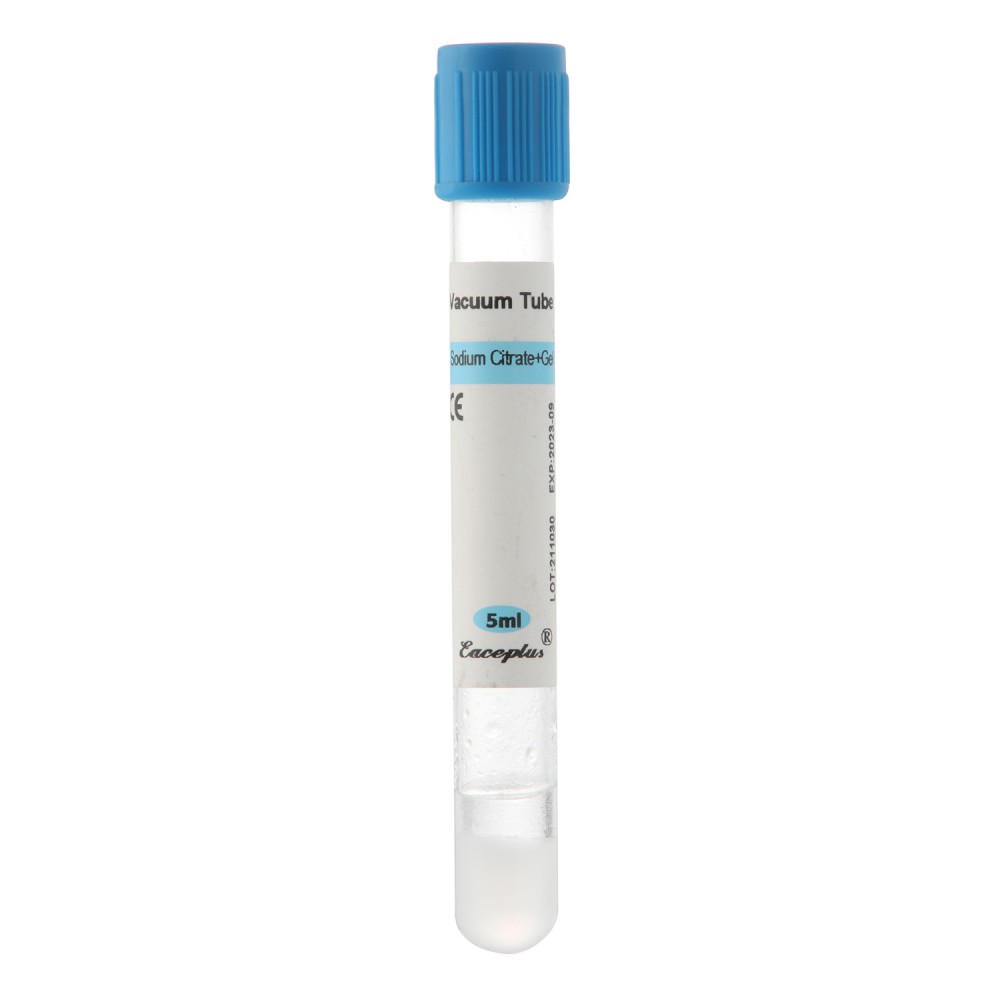
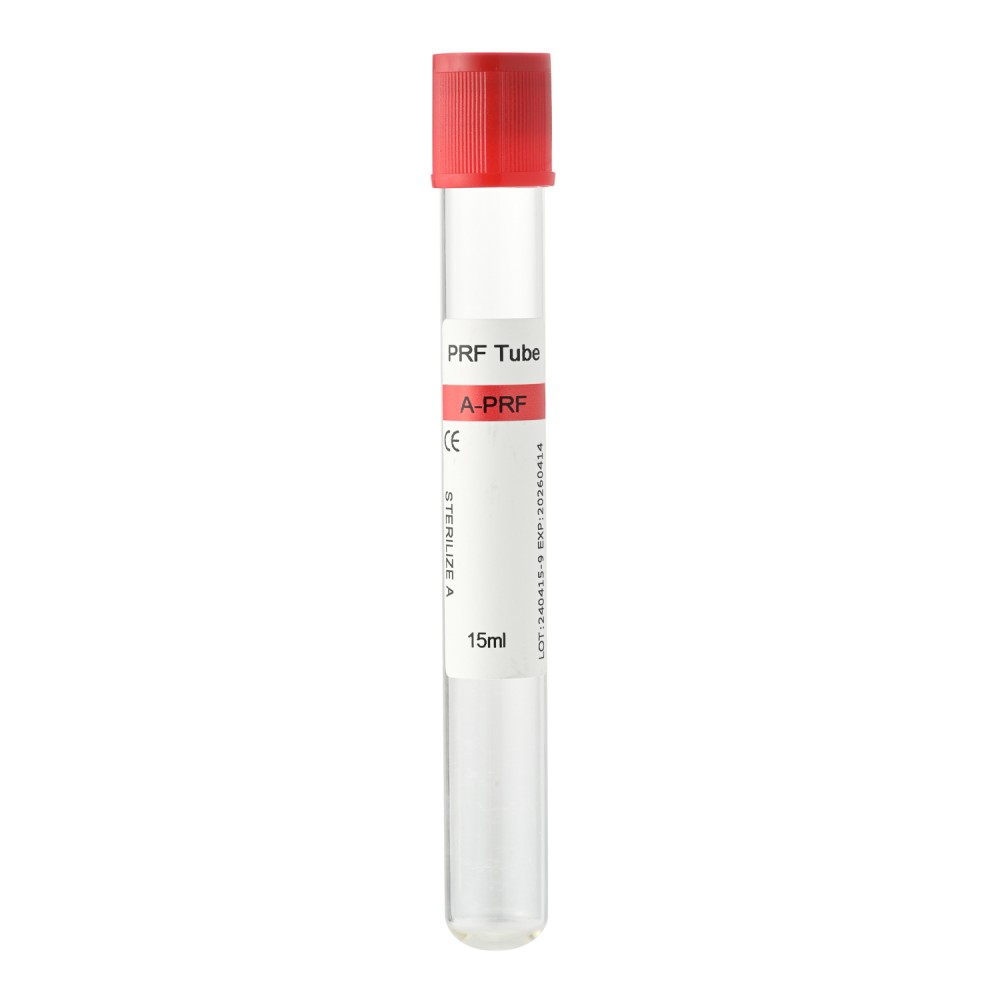
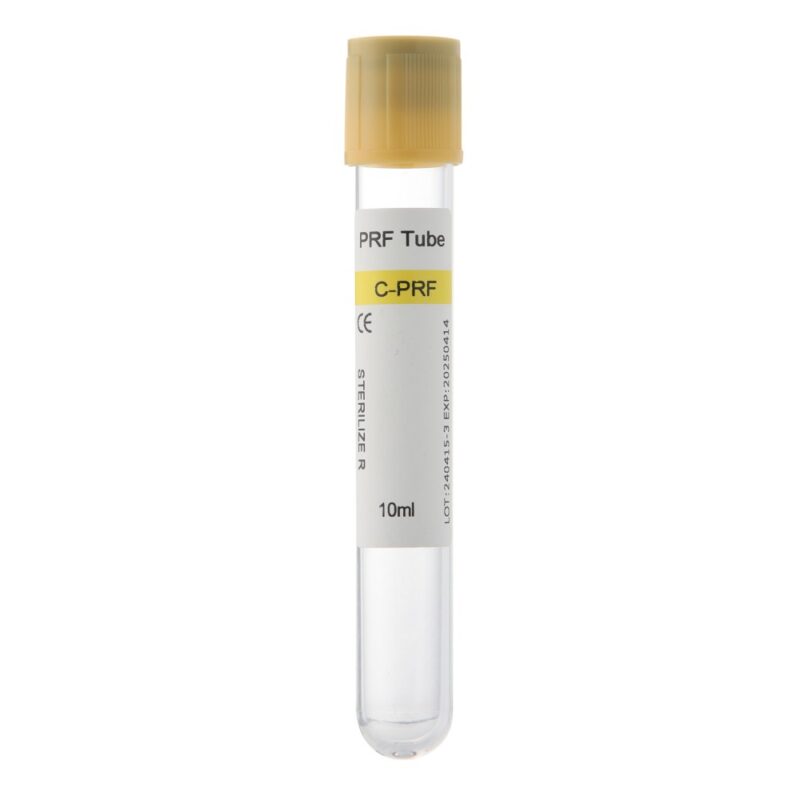
PRP preparation tubes are designed to separate blood components efficiently during centrifugation. Many advanced PRP tubes include:
- Medical-grade anticoagulants (such as sodium citrate)
- Separation gel to isolate platelet layers
- Sterile vacuum systems for accurate blood collection
- Specialized materials compatible with centrifugation forces
The purpose of these design features is to ensure that platelet-rich plasma can be isolated with minimal contamination from red blood cells or platelet-poor plasma.
Poor-quality tubes may result in inconsistent platelet concentration, which can reduce treatment reliability. For clinics performing PRP therapy regularly—whether for orthopedics, aesthetic medicine, or hair restoration—choosing a trusted supplier is an important part of maintaining consistent treatment outcomes.
Many healthcare providers, therefore, evaluate PRP preparation systems carefully before selecting a supplier. Exploring professional solutions such as those offered by Siny PRP may help clinics maintain standardized PRP preparation protocols while supporting long-term clinical performance.
FAQ About Alcohol and PRP Injections
Can I drink alcohol the night before PRP injection?
Most physicians advise avoiding alcohol at least 24 hours before PRP treatment, though some recommend up to 72 hours for optimal platelet function.
Does alcohol affect platelet-rich plasma quality?
Yes. Alcohol may reduce platelet activity and alter blood composition, which could potentially influence the quality of PRP extracted during centrifugation.
How long should I avoid alcohol after PRP therapy?
Many clinics suggest avoiding alcohol for 24–48 hours after the procedure to allow the healing response initiated by PRP to progress normally.
What else should I avoid before PRP treatment?
Common recommendations include avoiding anti-inflammatory medications (such as ibuprofen), smoking, and excessive caffeine. Staying hydrated and eating a balanced meal beforehand may also help improve blood draw quality.
Why do clinics use specialized PRP tubes?
PRP tubes help separate platelet-rich plasma efficiently during centrifugation. High-quality tubes ensure consistent platelet concentration and reduce contamination from other blood components.
Summary
So, can I drink alcohol before PRP injection? In most cases, medical professionals recommend avoiding alcohol for at least 24–48 hours before treatment. Alcohol can temporarily affect platelet function, hydration, and the body’s inflammatory response, all of which may influence the effectiveness of PRP therapy.
Proper preparation—including avoiding alcohol, staying hydrated, and following physician guidance—helps ensure that platelets remain active and capable of releasing growth factors during treatment.
At the clinical level, achieving consistent PRP results also depends on reliable preparation systems. Medical providers often select high-quality PRP tubes and equipment to improve platelet separation and treatment reliability. Clinics exploring PRP therapy systems can learn more about professional preparation solutions by visiting the Siny PRP website or consulting experienced suppliers.