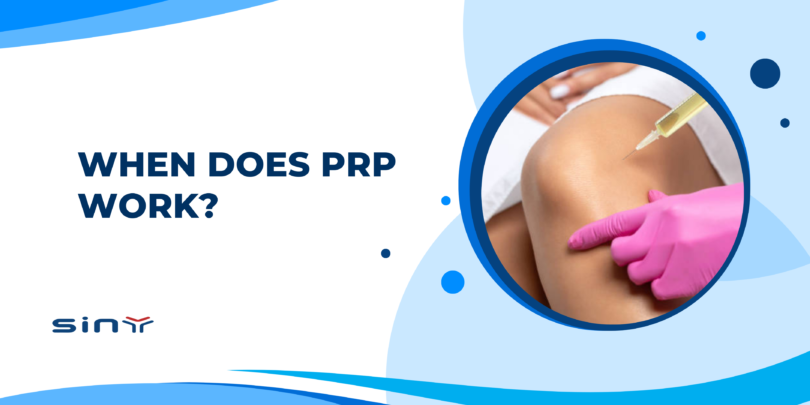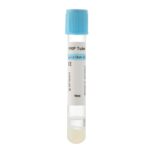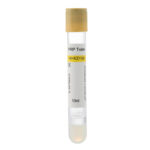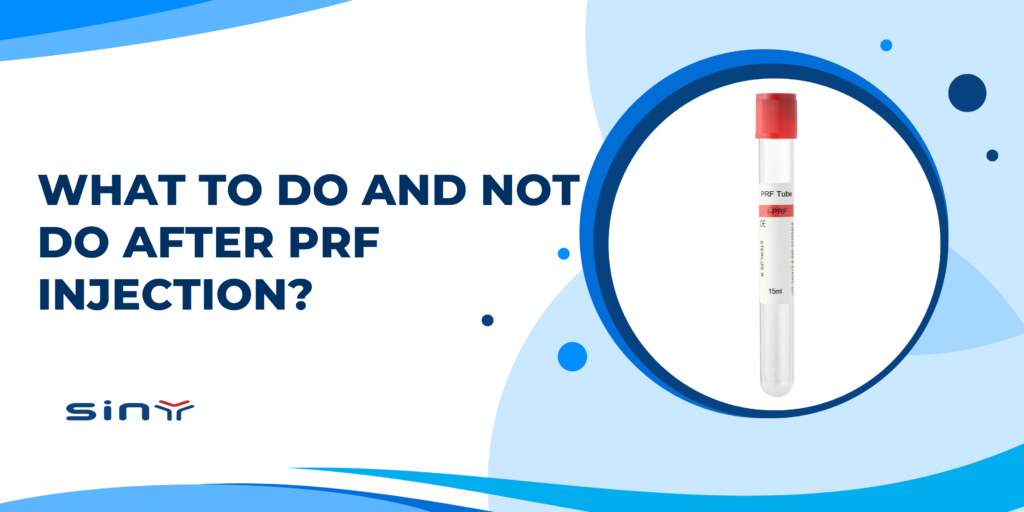
When it comes to regenerative therapies, understanding what to do and not do after PRF injection is just as important as the procedure itself. Platelet-Rich Fibrin (PRF) is a biological material derived from a patient’s own blood that has gained popularity in aesthetic, dental, and orthopedic medicine due to its natural healing properties. PRF contains platelets, leukocytes, and growth factors embedded in a fibrin matrix that supports tissue regeneration.
For clinics preparing PRF, including the selection of quality PRF tubes, consistent preparation protocols, and clear aftercare guidance significantly influence final outcomes. Many practices still face challenges choosing between competing products on the market, and reliable consumables help support both preparation and patient education.
What to Do After PRF Injection
Aftercare is designed to protect the biological activity of PRF while supporting tissue repair. Performing the right actions post-procedure can enhance comfort and healing.
Follow Immediate Post-Procedure Instructions
Immediately after PRF injection, avoid touching, rubbing, or manipulating the treated area. This helps prevent infection and allows platelets to remain concentrated in the target region, supporting the natural healing cascade. Staying upright and avoiding pressure on the area for the first few hours also aids in proper PRF stabilization.
Hydrate and Support Healing
Adequate hydration supports systemic blood flow, which can support cellular activity in the treated tissues. Maintaining nutritional balance, including protein, vitamins, and minerals, may aid in recovery — especially for procedures targeting skin, hair, or soft tissue regeneration.
Gentle Care for Treatment Sites
For facial or cosmetic PRF treatments, gentle cleansing with lukewarm water and a mild, non-irritating cleanser is recommended once the initial waiting period ends. Avoid harsh exfoliants, retinoids, or strong actives until the area has sufficiently healed.
Sun Protection and Skin Care
Protecting treated areas from direct sun exposure and using broad-spectrum sunscreen helps prevent irritation and pigmentation changes during the early healing phase.
Effective aftercare supports the biological mechanisms that make PRF effective. And clinics that provide clear instructions often see better patient outcomes. To further support reliable PRF protocols, you may explore quality PRF tube solutions and technical documentation at Siny PRP.
What Not to Do After PRF Injection
Just as important as what you should do after a PRF injection, several actions can impede the healing process or reduce the therapeutic benefits.
Avoid Anti-Inflammatory Medications and Blood Thinners
Taking non-steroidal anti-inflammatory drugs (NSAIDs) such as ibuprofen, aspirin, or supplements that thin the blood may interfere with the inflammatory response that helps PRF work. These agents can blunt growth factor activity and potentially diminish regenerative signals after injection. Avoiding these medications (unless prescribed for medical conditions) for several days post-treatment is often recommended.
Refrain from Heat, Sun, and Strenuous Activity
Heat exposure from saunas, hot showers, or vigorous exercise increases blood flow and can exacerbate swelling or discomfort at the injection site. Similarly, prolonged sun exposure may irritate tissues still in the early phase of healing. Most protocols advise avoiding heavy exercise, excessive heat, and direct ultraviolet exposure for at least 24–48 hours post-injection.
Do Not Apply Makeup or Harsh Products Early
Direct application of makeup, chemical exfoliants, or active skincare products to the treated area too soon after PRF injections may introduce bacteria or irritate sensitive skin. Most care guidelines suggest waiting at least several hours, if not longer, before resuming typical cosmetic regimens.
Avoid Smoking, Alcohol, and Caffeine
Smoking and alcohol intake can adversely affect circulation and tissue repair, potentially prolonging swelling and delaying the regenerative process. Similarly, excessive caffeine may dehydrate tissues, which is counterproductive during the early healing phase.
Adhering to these “do not” items helps protect the biological integrity of the PRF treatment and supports a favorable healing environment.
Additional Aftercare Considerations by Treatment Type
Understanding what to do and not do after PRF injection can vary slightly based on the treated area and clinical intent.
Facial and Cosmetic PRF Treatments
After cosmetic PRF injections (such as for skin rejuvenation), mild redness, tenderness, and swelling are common and typically resolve within days. Patients may be advised to avoid makeup, sun exposure, and harsh skincare actives until tissue sensitivity decreases.
Hair Restoration with PRF
For scalp or hairline PRF applications, patients are often advised to avoid direct scalp washing for a short period and to avoid harsh hair products or dyes immediately after treatment to minimize irritation.
Dental or Surgical PRF Applications
In dental or minor surgical settings where PRF is applied to grafts or extraction sites, aftercare may include avoiding strenuous chewing, hot food and beverages, and ensuring gentle oral hygiene to prevent dislodgement. Each clinical setting may have tailored instructions based on procedural complexity.
These aftercare nuances emphasize the importance of clear patient education tailored to specific PRF application areas.
Advantages and Limitations of PRF Treatment
Understanding the advantages and limitations of PRF treatment helps both clinicians and patients set realistic expectations and apply PRF more effectively across different medical and aesthetic indications. While PRF is widely recognized for its regenerative potential, it is not without constraints.
Advantages of PRF
One of the most significant advantages of PRF is its 100% autologous nature. Because PRF is derived entirely from the patient’s own blood, it eliminates the risk of allergic reactions or immune rejection. This makes PRF particularly suitable for patients seeking natural, biologically driven therapies.
PRF also provides a sustained release of growth factors. Unlike PRP, which releases growth factors rapidly, the fibrin matrix in PRF allows for a slower, more prolonged release. This gradual delivery supports ongoing tissue regeneration, angiogenesis, and collagen synthesis over time. Which is especially beneficial in skin rejuvenation, hair restoration, and wound healing.
Another advantage is the absence of anticoagulants or chemical additives. PRF relies on natural coagulation, preserving leukocytes and cytokines that contribute to immune regulation and healing. This aligns well with clinics aiming for minimally manipulated, biologically conservative treatment protocols.
Finally, PRF is versatile in clinical applications. It can be injected, used topically, or applied during surgical and dental procedures as a membrane or scaffold, making it adaptable across multiple specialties.
Limitations of PRF
Despite its benefits, PRF does have limitations that should be acknowledged. One key challenge is its short handling window. Because PRF begins clotting immediately after blood collection, timing and workflow must be well controlled. Delays during preparation can affect fibrin structure and clinical consistency.
PRF outcomes are also highly operator-dependent. Centrifugation speed, time, tube quality, and handling technique all influence the final product. Without standardized protocols, results may vary between treatments or practitioners.
Another limitation is variability between patients. Factors such as age, hydration status, overall health, and platelet concentration can influence PRF quality and effectiveness. This means results may not be uniform across all individuals.
Lastly, PRF is not a permanent solution. While it stimulates natural regeneration, maintenance treatments are often required, particularly in aesthetic or hair restoration applications.
By weighing these advantages and limitations, clinics can better determine when PRF is the most appropriate regenerative option and communicate clearly with patients about expected outcomes.
FAQs
Q: How long should I avoid strenuous activity after PRF?
Most guidelines recommend avoiding intense exercise and heavy exertion for at least 24–48 hours to minimize swelling and support healing.
Q: Can I apply ice to the PRF injection site?
Some protocols advise against icing immediately, as it may inhibit the necessary inflammatory response, while others suggest cold packs for comfort. Follow your provider’s specific guidance.
Q: How soon can makeup be applied after PRF injection?
Makeup and active skincare products are generally avoided for several hours to allow skin barrier recovery, with precise timing depending on treatment area and clinician instructions.
Q: What normal sensations might I experience after PRF?
Mild swelling, tenderness, or redness is common and usually resolves within 48–72 hours post-injection.
Q: Should I avoid alcohol and smoking after PRF?
Yes. Alcohol and smoking can impair circulation and tissue repair, so avoiding them for a few days post-treatment is generally recommended.
Summary
Knowing what to do and not do after PRF injection is vital for maximizing the regenerative potential of the treatment. Post-care practices such as protecting the treated area, avoiding anti-inflammatory medications, and limiting heat exposure help create the optimum biological environment for PRF to work. Meanwhile, avoiding harsh products, strenuous activities, and factors that impair circulation supports healing and minimizes complications.
Combining evidence-based aftercare with thoughtful selection of quality PRF supplies—starting with stable PRF tubes and standardized protocols—can help clinics achieve more consistent regenerative outcomes. For providers evaluating consumables or seeking technical guidance, connecting with experienced supplies and support at Siny PRP may help streamline both preparation and patient education.