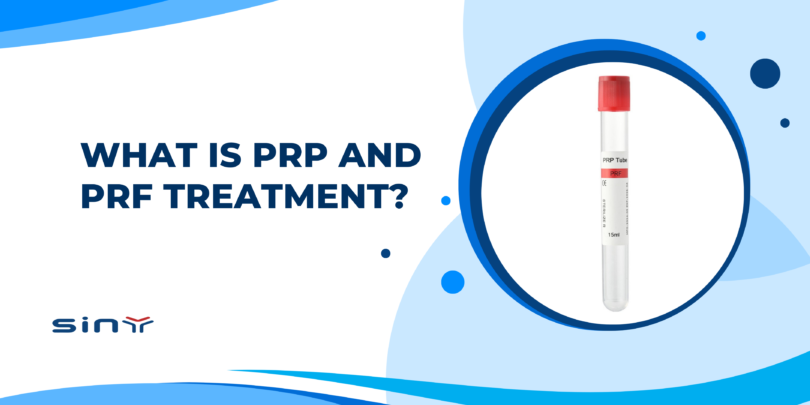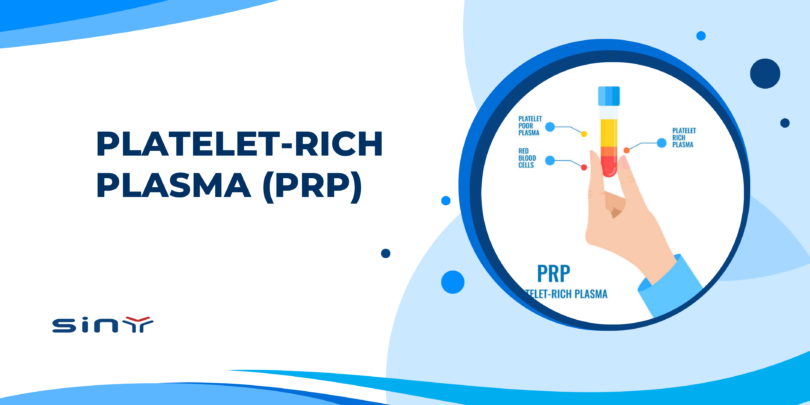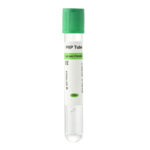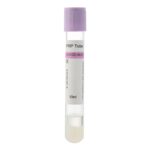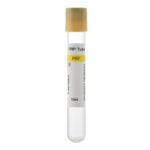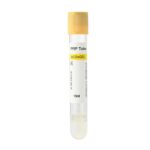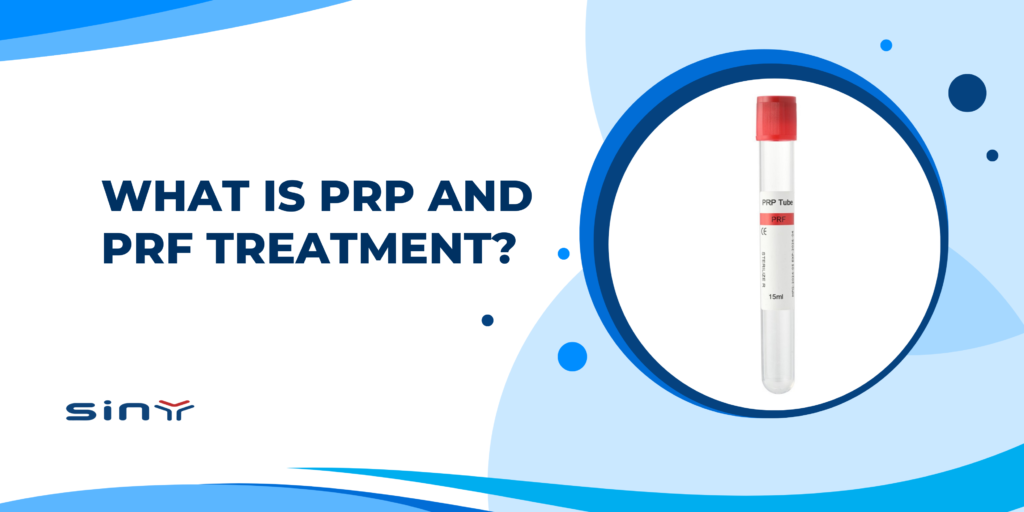
What is PRP and PRF treatment? This is one of the most frequently asked questions by patients, clinicians, and laboratory buyers alike. Platelet-Rich Plasma (PRP) and Platelet-Rich Fibrin (PRF) are two regenerative therapies that use a patient’s own blood to stimulate healing, tissue regeneration, and rejuvenation. Both treatments have gained wide popularity across medical aesthetics, orthopedics, dentistry, and wound care because they harness the body’s innate healing mechanisms.
For clinics and procurement teams considering a range of PRP tubes and PRF tubes, understanding the core science, application workflows, and differences between these therapies is essential. With many products on the market, choosing the right consumables affects clinical outcomes and laboratory efficiency. If you’re evaluating options, reviewing technical specifications and supplier support—such as those offered through Siny PRP—can help ensure consistent performance in your practice.
What Is PRP and PRF Treatment? The Basics of Platelet-Based Regenerative Therapies
In simple terms, both PRP and PRF treatment involve collecting a patient’s blood, processing it to concentrate platelets and growth factors, and then applying it to a target area to promote healing. Platelets contain a reservoir of growth factors such as PDGF, VEGF, and TGF-β, which signal cells to regenerate damaged tissue, stimulate collagen formation, and enhance microcirculation.
PRP (Platelet-Rich Plasma)
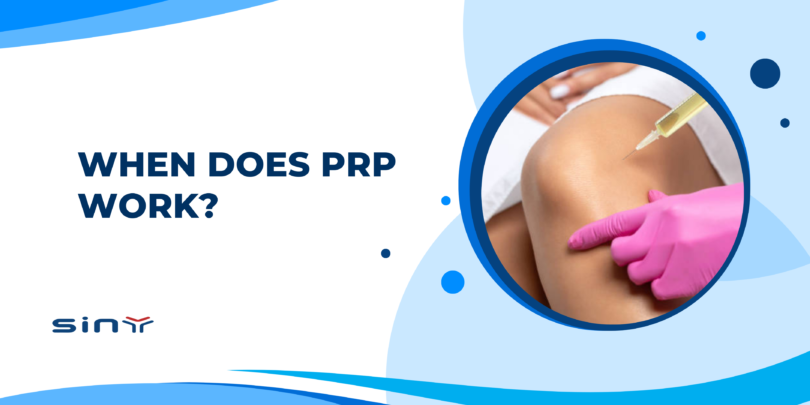
PRP treatment uses anticoagulants during preparation to prevent clotting. This allows the extracted plasma with highly concentrated platelets to remain in liquid form, which is then injected into tissues such as the scalp for hair restoration or joints for orthopedic repair.

PRF (Platelet-Rich Fibrin)
PRF treatment forgoes anticoagulants, allowing the blood to clot naturally during centrifugation. This forms a fibrin matrix that gradually releases growth factors over time, which can be beneficial for skin rejuvenation, wound healing, and surgical site support.
Understanding these foundational mechanisms helps answer what is PRP and PRF treatment beyond a simple definition — it illustrates why they work and where each method excels.

How PRP and PRF Treatments Are Prepared and Delivered
A standardized preparation workflow is central to how PRP and PRF treatment results can be consistent and reproducible across sessions.
Step-by-Step Preparation
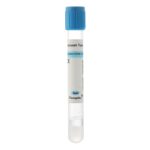
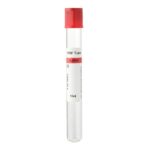
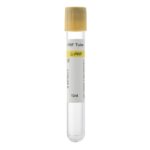
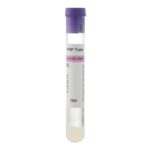
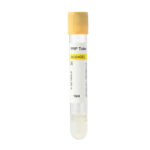
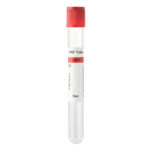
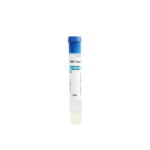
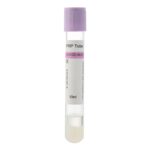
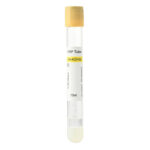
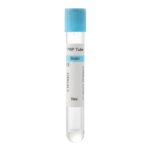
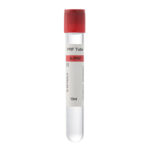
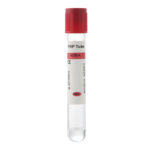
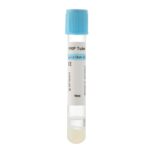
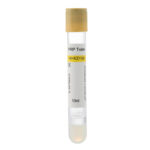
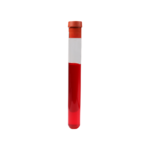
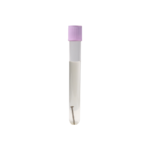
- Blood Collection – A small amount of blood is drawn from the patient into specialized tubes designed for PRP or PRF preparation. The quality of these tubes (e.g., anticoagulant formulation, internal surface treatment) is critical to yield and platelet enrichment.
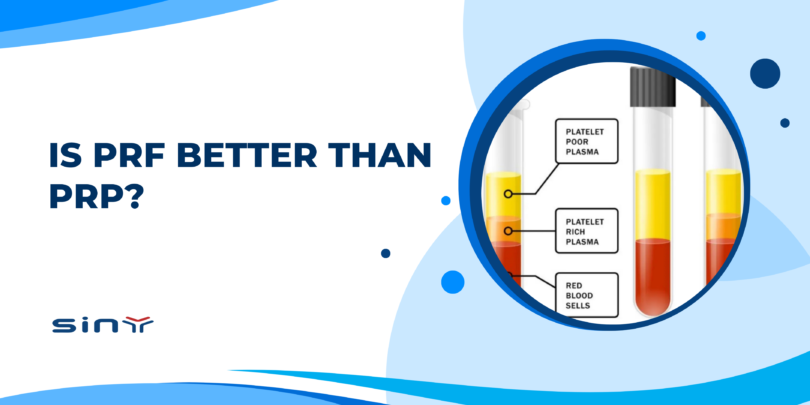
If you are evaluating tube options for clinical use, exploring the product range at Siny PRP may help clarify material and additive differences. - Centrifugation – The blood is spun at a controlled speed and time to separate platelets from red blood cells. PRP uses anticoagulants to maintain liquid separation layers, while PRF forms a fibrin clot.
- Harvesting – The platelet-rich layer (PRP) or fibrin matrix (PRF) is carefully extracted with sterile technique.
- Application – The concentrate is applied via injection or topical placement according to the treatment plan.
The precision of this process influences potency, consistency, and therapeutic effect. Therefore, choosing high-quality tubes and validated protocols ensures better reproducibility.

Clinical Applications: What Is PRP and PRF Treatment Used For?
Both PRP and PRF therapies are versatile, with overlapping yet distinct clinical uses:
Aesthetic Medicine
- Skin rejuvenation – Improves texture, minimizes fine lines.
- Microneedling support – Enhances tissue repair and collagen production.
- Scar revision and pigmentation control
Hair Restoration
- Stimulates dormant follicles and improves hair density
- Often requires multiple PRP sessions spanning several months.
Orthopedics and Sports Medicine
- Treats tendon injuries, ligament sprains, and early osteoarthritis
- PRP is often used for joint injections to reduce inflammation and promote repair
Surgical and Dental Applications
- Supports healing in extraction sockets, grafts, and implant sites
- PRF’s fibrin scaffold can aid in soft tissue integration
Limitations vary by indication, and clinicians often tailor their approach based on patient condition, desired outcome, and evidence base. Knowing what is PRP and PRF treatment for your specific specialty is allows you to select appropriate consumables, including compatible tubes and processing devices.

PRP vs PRF: Differences That Matter for Practice and Procurement
When evaluating what is PRP and PRF treatment, understanding their differences can guide both clinical and purchasing decisions.
Mechanism
- PRP is liquid and relies on immediate growth factor release.
- PRF forms a fibrin network with sustained release over days.
Preparation
- PRP requires anticoagulants in tubes to prevent clotting.
- PRF uses tubes without anticoagulants, allowing natural clot formation.
Application
- PRP is preferred for injectable joint or scalp therapies.
- PRF may be more suitable for surgical or wound healing support.
Result Timing
- PRP results often begin within weeks.
- PRF may show progressive benefit over a longer period due to gradual growth factor release.
These nuances matter when choosing tubes, centrifuge settings, and clinical protocols. Standardization helps reduce variability, which is particularly important for multi-practitioner clinics or labs seeking consistent quality. Reviewing technical specs and engaging with experienced manufacturers like Siny PRP can help streamline consumable selection for both PRP and PRF workflows.
Why Choosing a Reliable Supplier Is Essential for Consistent Treatment Outcomes
Selecting quality products is as important as clinical technique. Variability in tube material, anticoagulant type, internal coating, and gel presence can directly influence platelet yield and growth factor concentration. Low-quality consumables can lead to inconsistent results, higher variability between sessions, and compromised clinical credibility.
Critical factors to consider in supplier evaluation include:
- Medical-grade materials
- Consistent additive formulation
- Sterility validation and quality control
- Regulatory compliance (ISO, CE, FDA, where applicable)
- Technical support and documentation
Clinics and laboratories often balance price with reliability. However, long-term performance and reproducibility are more valuable indicators of supplier quality than cost alone. Exploring detailed product documentation and comparison data from manufacturers like Siny PRP can help procurement teams make informed decisions.
FAQ: What Is PRP and PRF Treatment?
1. What is the main difference between PRP and PRF?
PRP uses anticoagulants and releases growth factors rapidly, while PRF forms a fibrin matrix that gradually releases growth factors.
2. Are PRP and PRF treatments safe?
Both are autologous therapies using the patient’s own blood, reducing the risk of allergic reaction. Sterile technique and quality consumables are essential for safety.
3. How many sessions of PRP or PRF are typically needed?
Treatment frequency varies by indication, but multiple sessions (e.g., 3–6) are common for aesthetic or hair restoration protocols.
4. Do PRP and PRF require special equipment?
Yes. Centrifuges compatible with the chosen tubes and validated processing protocols are required.
5. Can PRP and PRF be used together?
Some clinicians combine elements of both therapies depending on patient needs, though protocols differ by clinic.
Summary
Understanding what is PRP and PRF treatment involves more than a simple definition. These regenerative therapies rely on carefully controlled blood processing and clinical protocols to deliver growth factors that stimulate healing and regeneration. From aesthetics to orthopedics, PRP and PRF are versatile tools in modern regenerative medicine.
The choice of consumables — especially PRP tubes and PRF tubes — affects the quality and consistency of results. Clinics and procurement teams should evaluate suppliers based on quality standards, documentation, and product performance rather than price alone. For detailed product information and technical guidance, consider exploring the PRP and PRF solutions available at Siny PRP.