PRP Therapy While Pregnant: Is It Safe? This is a question increasingly raised by both patients and medical professionals, especially as platelet-rich plasma (PRP) continues to gain popularity across aesthetic, orthopedic, and regenerative medicine fields.
PRP therapy involves drawing a patient’s own blood, processing it to concentrate platelets, and re-injecting the enriched plasma into targeted areas to promote healing. Because it is autologous, PRP is often perceived as “natural” and low-risk. However, pregnancy introduces a unique physiological state where even low-risk procedures must be carefully reconsidered.
For clinics and distributors sourcing PRP systems, understanding not only the clinical perspective but also the technical preparation process is essential. The performance of PRP therapy depends heavily on the quality of collection and separation systems. If you are evaluating product options, reviewing different configurations on Siny PRP can help clarify which system aligns with your clinical needs.

What Is PRP Therapy and Why Is It Used?
To properly answer PRP Therapy While Pregnant: Is It Safe?, we first need to understand what PRP therapy actually involves.
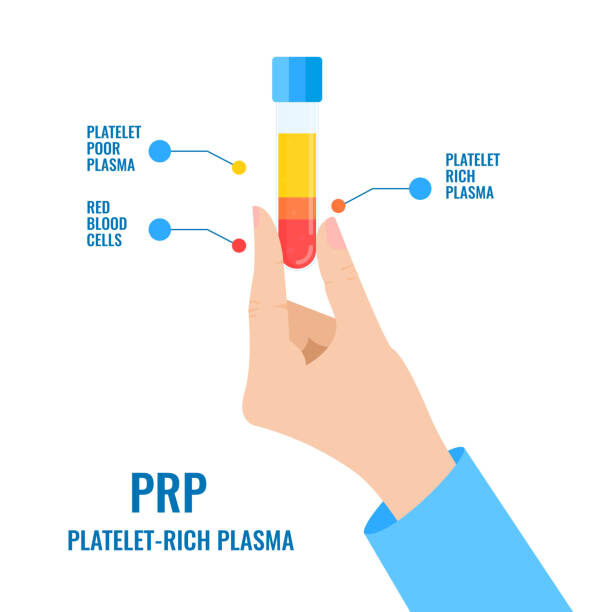
Platelet-Rich Plasma (PRP) is derived from a patient’s own blood. After collection, the sample is processed—usually via centrifugation—to concentrate platelets, growth factors, and bioactive proteins. These components are then re-injected into targeted areas to promote healing or regeneration.
PRP is widely used in:
- Orthopedic treatments (e.g., tendon injuries, osteoarthritis)
- Aesthetic procedures (e.g., skin rejuvenation, hair loss)
- Dental and oral surgery applications
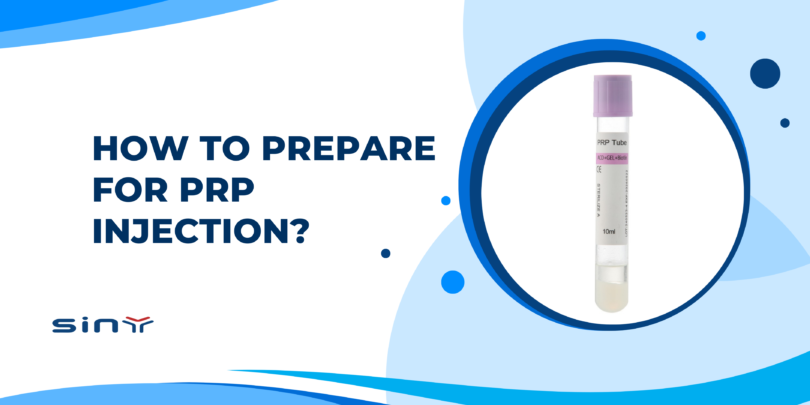
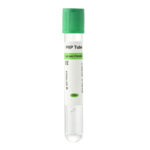
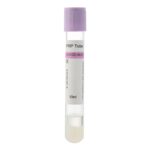
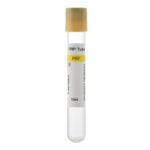
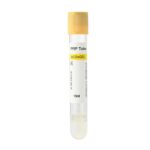
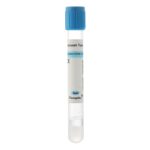
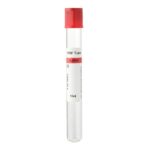
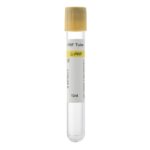
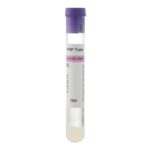
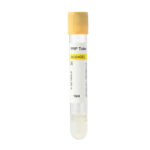
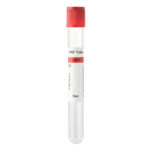
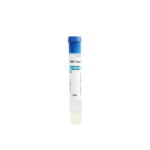
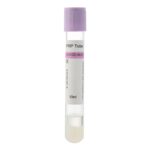
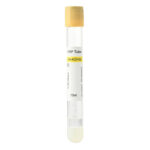
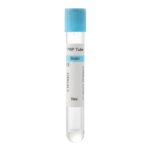
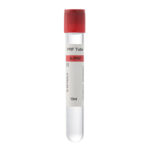
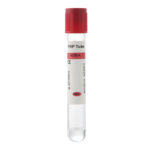
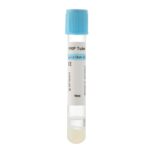
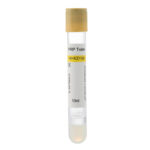
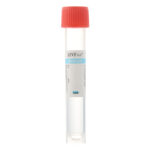
The quality of PRP largely depends on how it is prepared. For example, systems like Biotin Tube for Hair Restoration, ACD – A PRP Tube with Separator Gel, and Soudium Citrate + Gel+ HA Tube for Skin Rejuvenation are designed to optimize platelet concentration and separation efficiency.
For clinics aiming for consistent outcomes, choosing a stable and validated PRP preparation system is just as important as the procedure itself. To transition into a closer look at safety during pregnancy, if you’re evaluating options, you can explore different configurations on the Siny PRP product pages to compare designs and additives.
PRP Therapy While Pregnant: Is It Safe or Not Recommended?
Now to the core question: PRP Therapy While Pregnant: Is It Safe?
The short answer is: there is no strong clinical evidence confirming safety, and most practitioners avoid it during pregnancy.
Here’s why:
- Lack of clinical trials: Ethical limitations prevent large-scale studies on pregnant women, so safety data is extremely limited.
- Unknown systemic effects: Although PRP is autologous (from the patient’s own blood), growth factors may still influence biological pathways that are not fully understood in pregnancy.
- Risk vs benefit imbalance: Most PRP treatments (especially cosmetic ones) are elective rather than medically necessary.
Because of these factors, pregnancy is generally treated as a relative or absolute contraindication, depending on the clinic’s protocol.
From a clinical procurement perspective, this also means that clear product documentation, IFU guidance, and compliance ( ISO 13485) become even more critical. High-quality PRP systems ensure better control over preparation variables, even when procedures are postponed until after pregnancy.
How PRP Preparation Systems Affect Safety and Consistency
Even though the question “PRP Therapy While Pregnant: Is It Safe?” leans toward caution, understanding preparation systems is still essential for clinics planning treatments before or after pregnancy.
A typical PRP workflow includes:
- Blood collection using anticoagulant-containing PRP tubes
- Centrifugation to separate plasma layers
- Extraction of platelet-rich fraction
- Application or injection
The design of the PRP tube directly affects:
- Platelet recovery rate
- Separation clarity
- Risk of contamination
- Reproducibility of results
For instance:
- ACD-A PRP Tubes help maintain platelet viability.
- Gel Separator PRP Tubes improve layer isolation.
- Non-Gel PRP Tubes allow flexible customization depending on protocol.
Inconsistent or low-quality tubes can lead to poor platelet yield or unstable PRP composition, which ultimately impacts treatment outcomes. That’s why experienced buyers often prioritize suppliers with stable manufacturing, validated materials (PET or glass), and complete regulatory documentation.
If you’re sourcing long-term projects or distribution, it’s worth taking a closer look at systems like those offered by Siny PRP, especially when consistency and scalability matter.

Choosing a Reliable PRP Supplier Matters More Than You Think
When discussing PRP Therapy While Pregnant: Is It Safe?, safety isn’t just about the patient—it’s also about the entire supply chain.
A reliable PRP supplier should offer:
- ISO 13485 compliance
- Stable additive formulations (e.g., sodium citrate, ACD)
- Consistent vacuum draw and sterility assurance
- Clear IFU and clinical usage guidance
- OEM/private label support for distributors
In global markets—whether in the Middle East, South America, or Southeast Asia—regulatory expectations are becoming stricter. Clinics and distributors are increasingly expected to provide traceability and documentation.
Choosing the right supplier reduces:
- Regulatory risks
- Product inconsistency
- Customer complaints or treatment variability
If you’re comparing multiple PRP tube manufacturers, taking time to evaluate product structure, additive stability, and export experience can save high costs down the line. You can also reach out directly to Siny PRP for detailed specifications or sample evaluation.

Final Thoughts: Should PRP Be Used During Pregnancy?
So, back to the main question: PRP Therapy While Pregnant: Is It Safe?
Based on current evidence and clinical consensus:
- PRP is not generally recommended during pregnancy
- Most treatments are postponed until after delivery.
- Safety data remains limited and inconclusive.
For clinics, the takeaway is clear: prioritize patient safety, follow conservative medical guidelines, and ensure your PRP systems meet high-quality standards for when treatments are appropriate.
FAQ: PRP Therapy While Pregnant
1. Can PRP harm the baby during pregnancy?
There is no definitive evidence showing harm, but due to the lack of studies, most doctors avoid PRP treatments during pregnancy as a precaution.
2. Is PRP safe for medical conditions during pregnancy?
Even in medical cases, PRP is rarely recommended unless absolutely necessary and approved by a specialist.
3. Why is pregnancy considered a contraindication for PRP?
Mainly due to insufficient clinical data and the unknown effects of growth factors on fetal development.
4. When can PRP be safely resumed after pregnancy?
Typically, after delivery and breastfeeding (depending on clinical advice), but this varies by patient and treatment type.
5. Does PRP tube quality affect safety?
Yes. High-quality PRP tubes ensure better platelet separation, sterility, and consistency, which are essential for safe and effective treatments.