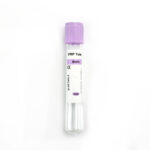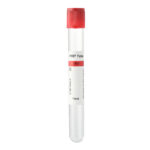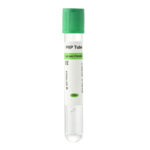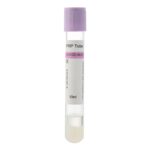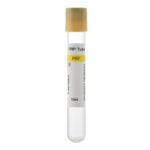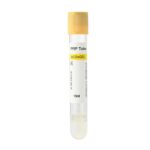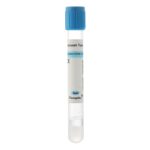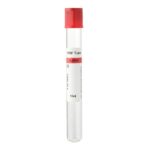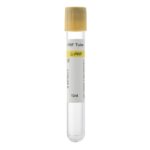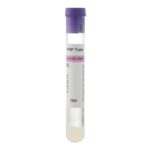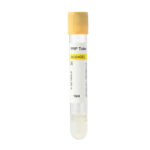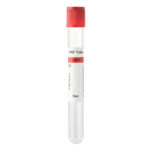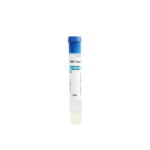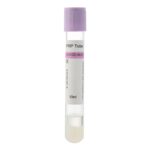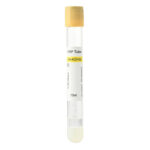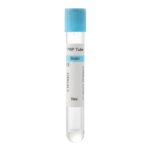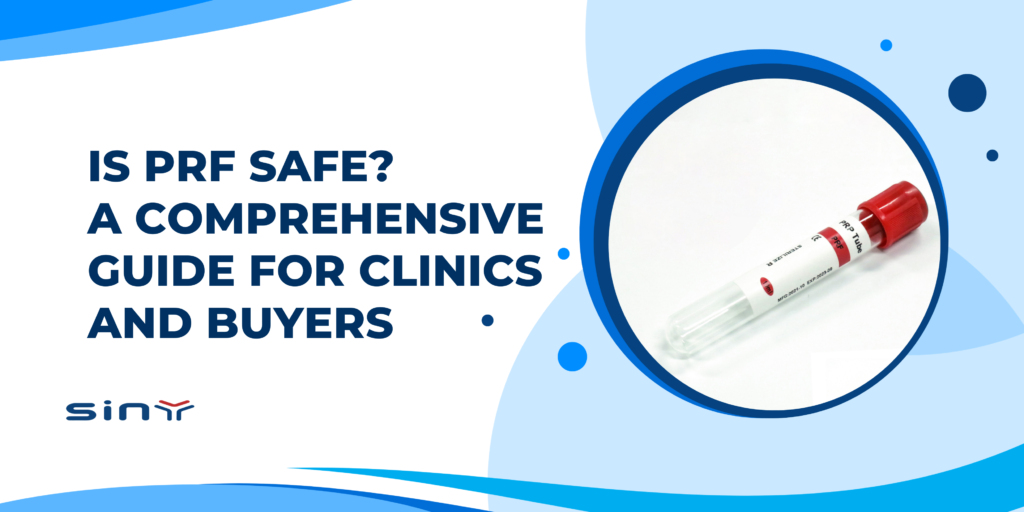
When evaluating regenerative treatments, many clinicians and patients ask: is PRF safe? Platelet-Rich Fibrin (PRF) has become increasingly popular in regenerative medicine, aesthetic treatments, and tissue repair because it is derived entirely from a patient’s own blood.
However, PRF safety is not solely determined by biology. The preparation method, handling process, and the quality of PRF tubes used all play a critical role. For clinics and distributors sourcing consumables, understanding both the clinical safety and the material standards behind PRF is essential for consistent outcomes.
In this guide, we examine the safety of PRF from both practical and clinical perspectives, explaining how it works, its applications, potential risks, and why product quality is crucial in daily practice.
How PRF Works and Why Safety Is Built In
PRF is an autologous platelet concentrate obtained by drawing a small amount of the patient’s blood and processing it through controlled centrifugation. This process separates blood components and produces a fibrin-rich matrix containing platelets, leukocytes, and naturally occurring growth factors.
One key reason clinicians consider PRF safe is that it contains no synthetic additives or foreign substances. Because the material comes directly from the patient, the risk of an immune reaction or allergy is extremely low. This biological compatibility is a major advantage over many synthetic or donor-derived treatments.
Unlike earlier platelet concentrates, PRF forms a natural fibrin scaffold. This structure allows growth factors to be released gradually rather than all at once, supporting sustained tissue repair and reducing the likelihood of irritation associated with sudden biological stimulation.
Common Clinical Applications and Safety Considerations
PRF is widely used across multiple medical and aesthetic fields, including:
- Facial rejuvenation and microneedling support
- Hair restoration and scalp treatments
- Dental and oral surgery procedures
- Soft tissue repair and wound healing
- Musculoskeletal regenerative support
Across these applications, PRF is generally well tolerated. Most safety concerns are related not to the PRF itself, but to how it is prepared and applied. When sterile techniques and standardized protocols are followed, adverse reactions are uncommon.
Clinics using PRF should still assess patient suitability carefully. Factors such as overall health, blood quality, and healing capacity can influence both safety and effectiveness. Proper consultation and realistic expectations remain essential parts of safe PRF treatment.
Potential Risks and Limitations of PRF
While PRF is widely regarded as safe, it is critical to recognize its primary risks. As with any procedure involving injections or blood handling, there is a possibility of side effects such as infection, bruising, or discomfort at the application site. These risks are not unique to PRF but are inherent to procedures that involve similar methods.
Possible short-term reactions include mild swelling, redness, tenderness, or bruising at the treatment site. These effects are usually temporary and resolve without intervention. Infection risk is low but can increase if aseptic procedures are not strictly followed.
Another limitation is outcome variability. Because PRF relies on the patient’s own blood composition, results may differ depending on age, hydration status, platelet count, and overall health. PRF is also a regenerative treatment, meaning results develop gradually rather than instantly.
Understanding these limitations helps practitioners use PRF responsibly and communicate clearly with patients.
Best Practices That Support PRF Safety
Ensuring PRF safety requires attention to the entire workflow, from blood collection to application. Best practices include:
- Strict sterile handling during blood draw and processing
- Accurate centrifugation settings to achieve a consistent fibrin structure
- Proper mixing and timing during preparation
- Correct injection or placement techniques
- Clear post-treatment care instructions for patients
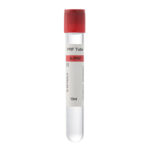
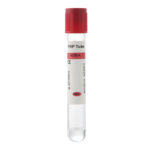
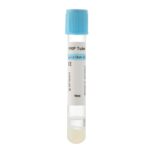
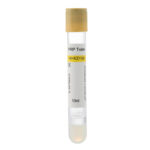
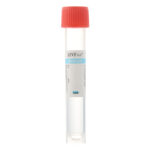
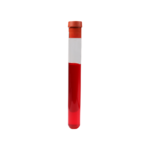
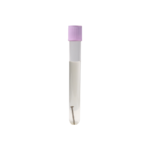
An often overlooked factor is the quality of PRF tubes. Tubes with inconsistent materials, poor vacuum control, or unclear specifications can affect clot formation and platelet concentration, indirectly impacting safety and outcomes.
Using well-manufactured PRF tubes from experienced suppliers helps reduce variability and supports reliable preparation across different clinical settings. Clinics evaluating PRF systems may find it useful to review technical specifications or consult suppliers such as Siny PRP for product details or usage guidance.
Why Product Quality Matters for Safe PRF Outcomes
Although PRF is biologically safe, its clinical reliability depends heavily on the tools used to prepare it. Differences in tube material, internal surface treatment, and manufacturing consistency can influence fibrin quality and platelet retention.
For buyers and clinics, choosing PRF tubes is not only a purchasing decision but also a safety consideration. Consistent products help standardize procedures, reduce preparation errors, and support predictable biological behavior.
If you are sourcing PRF consumables for long-term use, working with a supplier that understands clinical workflows and provides stable product performance can contribute to safer, more consistent treatments. Exploring PRF tube options or reaching out for technical support can be a practical next step.
FAQs
Is PRF safe for most patients?
PRF is generally safe for most healthy individuals, as it is made from their own blood and contains no foreign additives.
Can PRF cause allergic reactions?
Allergic reactions are extremely rare because PRF is autologous and free from synthetic substances.
Are there side effects after PRF treatment?
Mild swelling, redness, or tenderness may occur but usually resolves within a short period.
Is PRF safer than other injectable treatments?
PRF avoids synthetic materials and is often considered safer in terms of immune response, though treatment choice depends on clinical goals.
Does PRF safety depend on the tube used?
Yes. Tube quality can influence PRF consistency, which affects both safety and treatment reliability.
Summary
So, is PRF safe? In most clinical settings, the answer is yes. PRF’s autologous nature, lack of additives, and biological compatibility make it a well-tolerated regenerative option across many applications.
However, safe outcomes depend on proper technique, patient selection, and the quality of preparation materials. Clinics that follow standardized protocols and use reliable PRF tubes are more likely to achieve consistent and predictable results.
For professionals looking to integrate or optimize PRF treatments, understanding both the science and the tools behind PRF is essential. Reviewing product options or consulting with experienced suppliers like Siny PRP or Siny Medical can support safer preparation and better long-term outcomes