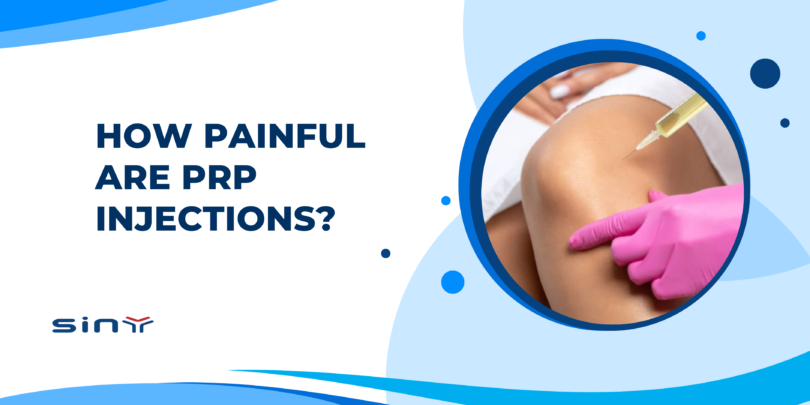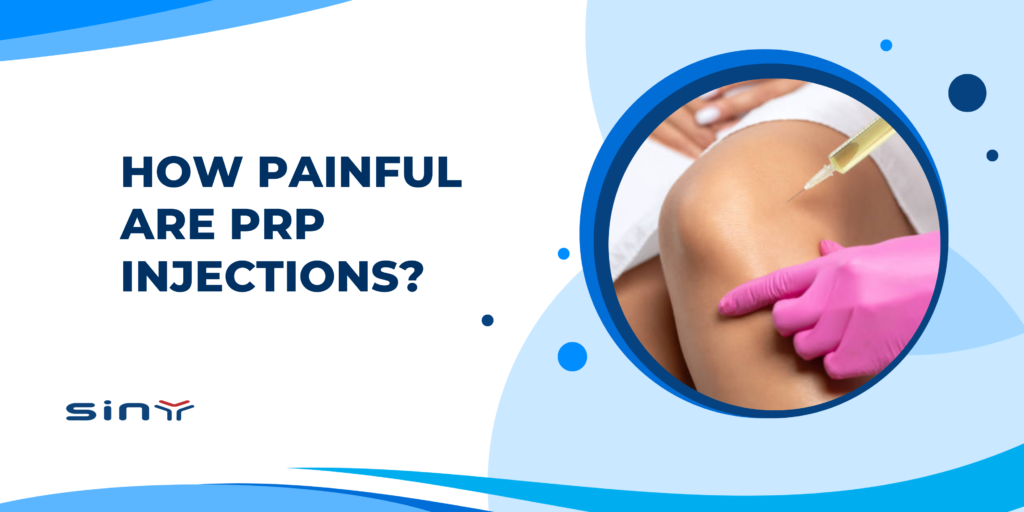
When people ask how painful are PRP injections, the honest answer is: it depends, but they are usually manageable.
In most cases, patients describe PRP injection pain as:
- A sharp pinch during needle insertion
- Followed by pressure or aching during injection
- Mild to moderate discomfort lasting a few hours to 2–3 days
Compared to corticosteroid injections, PRP can sometimes feel slightly more uncomfortable. Why? Because PRP stimulates a localized healing response, which means temporary inflammation is expected.
That said, pain levels vary depending on:
- Injection site (joint vs scalp vs tendon)
- Patient sensitivity
- Injection technique
- Quality and concentration of PRP
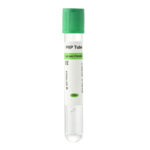
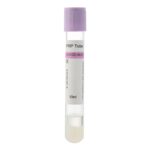
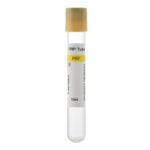
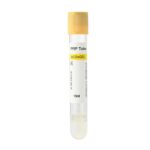
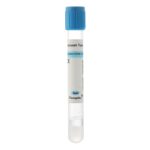
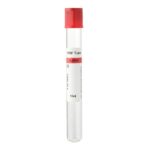
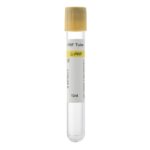
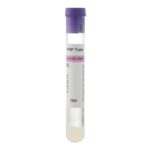
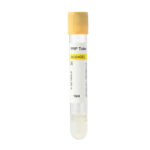
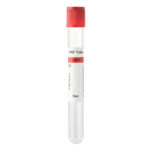
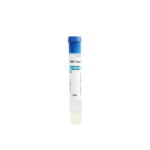
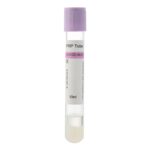
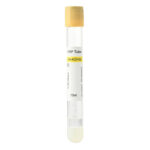
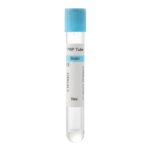
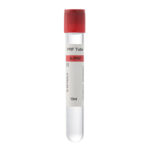
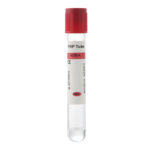
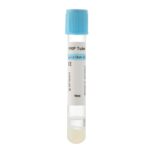
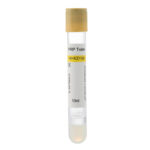
This last factor is often overlooked—but it matters more than most people think. Clinics using well-prepared PRP from high-quality systems tend to see more consistent results and smoother patient experiences. If you’re evaluating suppliers, it’s worth exploring reliable systems like Siny PRP, where tube design and separation efficiency are optimized for clinical use.
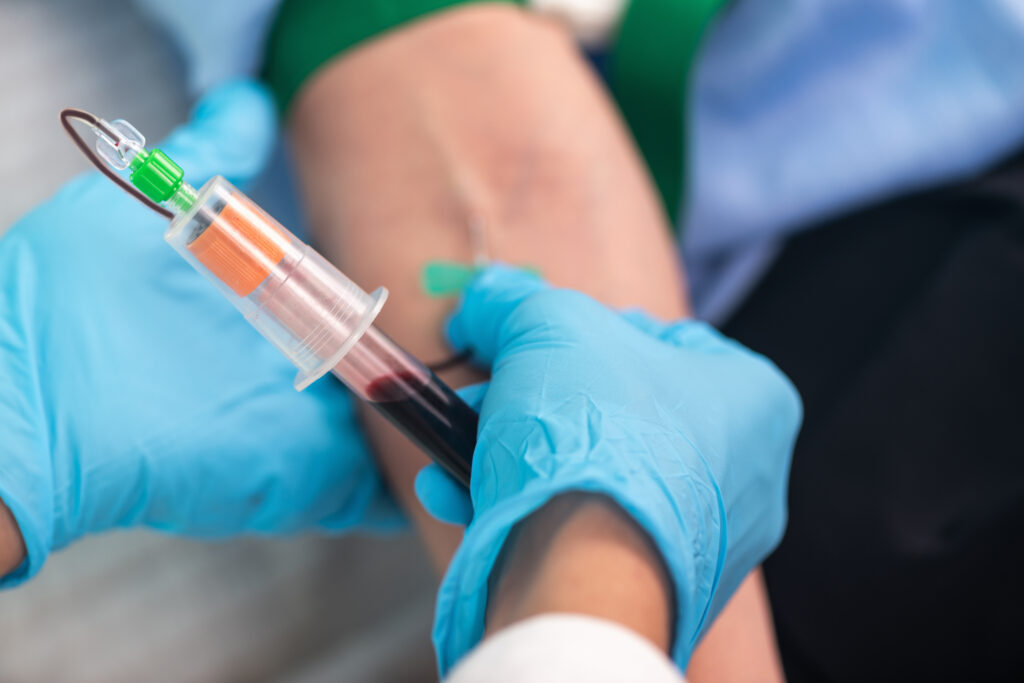
What Makes PRP Injections Painful? Key Factors Explained
To fully understand how painful PRP injections are, you need to break down where the discomfort actually comes from.
1. Needle Insertion
This is the most straightforward part. A fine needle is used, but:
- Areas like the scalp or joints can be more sensitive.
- Repeated microinjections (e.g., hair restoration) increase cumulative discomfort.
2. Pressure During Injection
PRP is slightly thicker than normal plasma, so:
- Injecting into tight spaces (like tendons or ligaments) can cause pressure pain.
- The speed of injection also affects patient comfort.
3. Post-Injection Inflammation
This is unique to PRP:
- Platelets release growth factors.
- This triggers a controlled inflammatory response.
- Patients may feel soreness, stiffness, or warmth for 24–72 hours.
4. PRP Quality and Composition
This is where procurement decisions matter.
Low-quality PRP systems may produce:
- Inconsistent platelet concentration
- Excess red blood cells (which can increase irritation)
- Poor separation layers
High-quality PRP tubes, on the other hand, help ensure:
- Cleaner plasma separation
- Controlled platelet concentration
- Reduced impurities
This directly influences both pain levels and treatment outcomes. Clinics that prioritize reliable supply chains—such as working with established manufacturers like Siny PRP—often report more predictable patient responses.

Pain Levels by Treatment Area: Where PRP Hurts More (or Less)
Not all PRP injections feel the same. If you’re asking how painful PRP injections are, the location matters a lot.
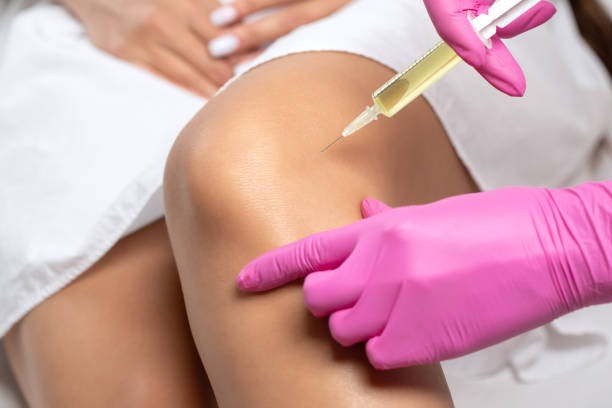
Knee (Osteoarthritis)
- Pain level: Mild to moderate
- Sensation: Pressure and fullness inside the joint
- After-effect: Temporary stiffness
Shoulder / Tendon
- Pain level: Moderate
- Sensation: Deep ache during injection
- Often depends on the inflammation level before treatment.
Scalp (Hair Restoration)
- Pain level: Moderate to high (without numbing)
- Sensation: Multiple small pinches
- Usually improved significantly with local anesthesia.
Face (Aesthetic PRP / Vampire Facial)
- Pain level: Low to moderate
- Sensation: Mild stinging or tingling
- Typically well tolerated
Across all these applications, technique and preparation matter just as much as anatomy. Clinics using standardized, high-quality PRP preparation systems tend to deliver more consistent injection experiences—something buyers should keep in mind when sourcing.
How to Reduce PRP Injection Pain: Practical Strategies
If your concern is how painful are PRP injections, the good news is that there are several effective ways to minimize discomfort.
1. Local Anesthesia
- Lidocaine creams or injections are commonly used.
- Especially important for scalp or facial treatments
2. Skilled Injection Technique
- Slow injection reduces pressure pain.
- Correct depth and angle improve comfort.
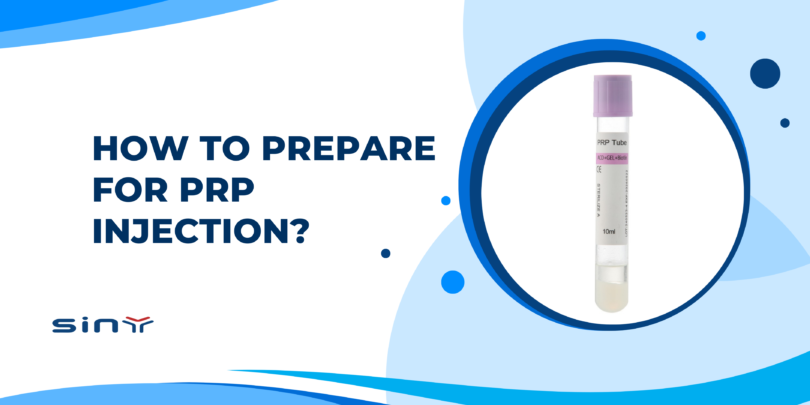
3. Proper PRP Preparation
This is often underestimated.
Well-prepared PRP:
- Has fewer contaminants
- Flows more smoothly
- Causes less irritation
That’s why many clinics are becoming more selective about the systems they use. Choosing a reliable supplier—such as Siny PRP—can help ensure consistency in platelet concentration and separation quality.
4. Post-Treatment Care
- Avoid strenuous activity for 24–48 hours.
- Apply a cold compress (if advised)
- Stay hydrated
These small steps significantly reduce post-injection discomfort.
Why Product Quality Matters More Than You Think
Most SEO articles stop at patient experience. But from a clinical and procurement perspective, the question how painful are PRP injections is also tied to product quality and preparation systems.
Here’s why:
- Separation efficiency affects PRP purity.
- Additives and gel barriers influence platelet concentration.
- Tube material (glass vs PET) impacts stability and safety.
- Sterility and consistency affect patient outcomes.
Inconsistent PRP preparation can lead to:
- Increased inflammation
- Unpredictable pain levels
- Variable clinical results
That’s why experienced buyers don’t just compare prices—they evaluate:
- Manufacturer certifications (ISO, CE)
- Production consistency
- Clinical feedback
If you’re sourcing PRP tubes for long-term use, working with a trusted manufacturer like Siny PRP can reduce variability and support better treatment outcomes—without turning your workflow into a trial-and-error process.
Summary
In short, PRP injections are not pain-free—but they are very manageable.
Most patients experience:
- Mild to moderate discomfort during the procedure.
- Temporary soreness afterward.
- Gradual improvement as healing begins.
The key takeaway is this: pain is influenced not just by the injection itself, but by how well the PRP is prepared and delivered.
For clinics and distributors, this makes supplier selection more than just a cost decision—it becomes a quality and patient experience decision. If you’re exploring reliable PRP systems, you can always review options or reach out through Siny PRP to better understand what differentiates high-performance tubes in real clinical use.
FAQs
1. Are PRP injections more painful than steroid injections?
They can be slightly more uncomfortable due to the inflammatory response PRP triggers, but the difference is usually minimal and temporary.
2. How long does the pain last after PRP injections?
Most discomfort lasts 24 to 72 hours, with gradual improvement afterward.
3. Can PRP injections be done without anesthesia?
Yes, but for sensitive areas like the scalp, anesthesia is strongly recommended to improve patient comfort.
4. Does better PRP quality reduce pain?
Yes. Cleaner, well-separated PRP with fewer impurities tends to cause less irritation and more predictable outcomes.
5. What is the most painful PRP treatment area?
The scalp (for hair restoration) is often reported as the most uncomfortable, especially without numbing.