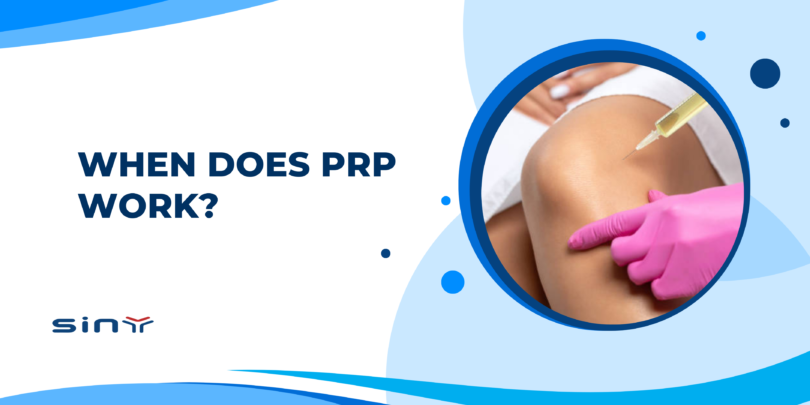
One of the most common questions in regenerative medicine and aesthetics is how does PRF work? Platelet-Rich Fibrin (PRF) is an advanced autologous treatment that harnesses the body’s own healing mechanisms by concentrating platelets, white blood cells, and growth factors from the patient’s blood into a fibrin matrix. Unlike traditional Platelet-Rich Plasma (PRP), PRF forms a natural, gel-like scaffold that supports the sustained release of regenerative proteins and cells over time — a key reason clinicians favor it for tissue repair, skin rejuvenation, and enhanced healing.
For practices using PRF, understanding its mechanism, preparation, clinical applications, and how to integrate it into patient care is essential. Selecting the right PRF tubes and consumables is an early but critical step in ensuring consistent PRF preparation, making supplier choice an important consideration for anyone evaluating PRF workflows. If you are exploring high-quality PRF tubes or need support in establishing standardized protocols, Siny PRP provides detailed product information and technical guidance.
What PRF Does in the Body
To fully understand how does PRF work, it is necessary to look at its biological foundation. PRF is derived from the patient’s own blood and processed without anticoagulants, allowing the natural coagulation cascade to occur during centrifugation. This process leads to the formation of a dense fibrin network that traps platelets, leukocytes, and circulating progenitor cells.
Within this fibrin matrix are growth factors such as platelet-derived growth factor (PDGF), transforming growth factor-β (TGF-β), and vascular endothelial growth factor (VEGF). These bioactive molecules play essential roles in angiogenesis, collagen synthesis, and cellular proliferation. Because PRF releases these factors gradually rather than all at once, the regenerative signals remain active for a longer period at the treatment site, supporting more sustained healing responses.
How is PRF Is Prepared?
Another key aspect of understanding how does PRF work lies in the preparation process. PRF preparation follows a streamlined workflow that prioritizes biological integrity and minimal manipulation.
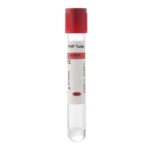
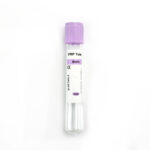
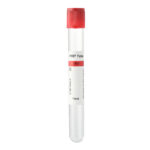
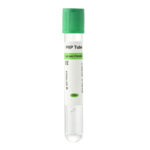
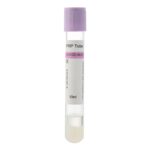
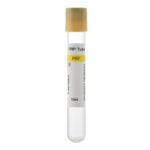
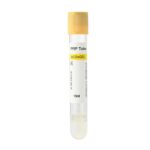
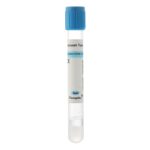
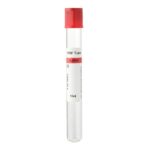
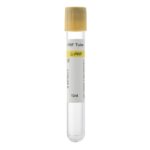
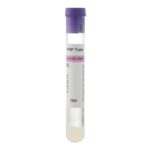
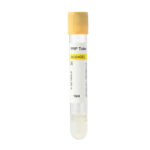
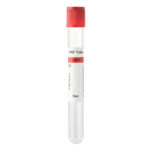
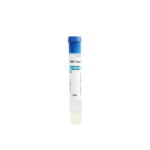
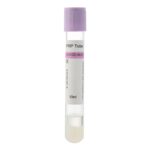
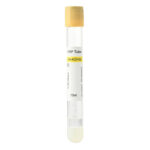
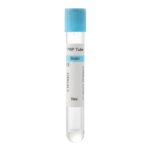
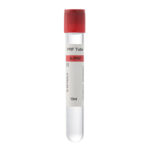
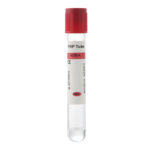
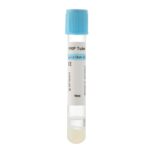
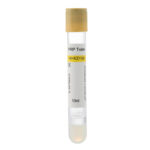
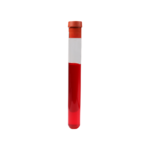
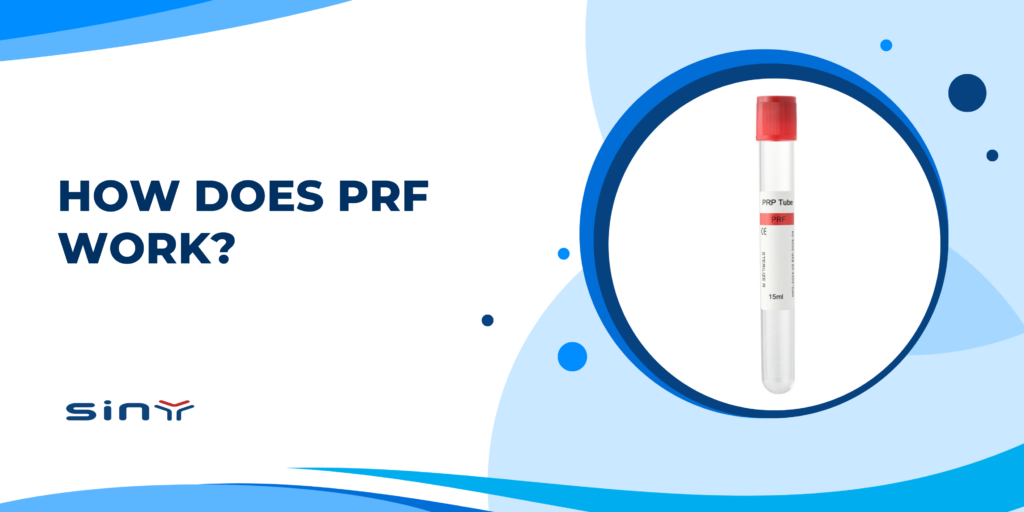
Blood is first collected using dedicated PRF tubes designed to support proper clot formation. The tubes are then placed in a centrifuge and spun at a controlled low speed for a short duration. This gentle centrifugation separates the blood into layers, with the PRF clot forming in the middle layer between red blood cells and platelet-poor plasma.
Once isolated, the PRF clot can be used in several forms depending on clinical needs. It may be injected directly, applied topically after procedures such as microneedling, or compressed into membranes for surgical or dental applications. Each form retains the fibrin structure that enables slow growth factor release and tissue support.
How PRF Works at the Treatment Site?
To answer how does PRF work in real clinical settings, it is important to examine what happens after application. Once PRF is placed into or onto tissue, the fibrin matrix acts as a temporary extracellular scaffold. This structure supports cell migration, adhesion, and organization — all essential steps in tissue repair.
As platelets within the matrix gradually activate, they release growth factors over time rather than in a single burst. This sustained release supports ongoing collagen production, new blood vessel formation, and modulation of inflammation. The presence of leukocytes further contributes to immune regulation and may help reduce infection risk while supporting tissue remodeling.
These combined effects explain why PRF is often associated with improved healing quality, longer-lasting results, and more natural tissue regeneration compared to earlier platelet-based therapies.
Where PRF Is Commonly Used?
Understanding how does PRF work also means recognizing where it delivers the most value. PRF has gained wide acceptance across multiple medical and aesthetic disciplines.
In aesthetic medicine, PRF is frequently used for facial rejuvenation to improve skin texture, elasticity, and tone. It is also applied after microneedling to accelerate recovery and enhance skin renewal. In hair restoration, PRF injections into the scalp aim to stimulate dormant follicles and support healthier hair growth cycles.
Dental and oral surgeons use PRF as a biologic membrane to promote faster healing following extractions, implants, and bone grafting procedures. Orthopedic and wound care specialists may also incorporate PRF into treatment plans for soft tissue injuries and chronic wounds due to its regenerative and anti-inflammatory properties.
Why PRF Tube Quality Matters in Treatment Outcomes?
When discussing how does PRF work, it is essential to acknowledge the role of preparation materials. The quality of PRF tubes directly affects clot formation, platelet concentration, and fibrin consistency. Variations in tube materials or vacuum stability can lead to inconsistent PRF results, which may impact clinical outcomes.
Reliable PRF tube suppliers provide products manufactured from medical-grade materials, with stable performance and clear quality standards. Consistency in tube design supports predictable separation during centrifugation and helps clinicians achieve reproducible PRF preparations across patients and procedures.
For clinics and distributors seeking to standardize their PRF protocols, working with an experienced supplier can simplify procurement and reduce variability. Practices looking to evaluate PRF tube options or technical specifications may contact Siny PRP for further information or product support.
Summary
In summary, understanding how does PRF work begins with recognizing its biological foundation and extends through preparation, application, and material selection. PRF functions by creating a fibrin-based scaffold that delivers platelets, growth factors, and immune cells in a slow and sustained manner, closely aligning with the body’s natural healing processes.
From blood collection and centrifugation to clinical use, each step influences PRF quality and effectiveness. Equally important is the reliability of PRF tubes, as consistent materials support stable fibrin formation and predictable outcomes. For clinics aiming to integrate PRF into regenerative or aesthetic treatments, selecting dependable consumables and suppliers forms a practical foundation for long-term success. Additional product details and support are available through Siny PRP for those seeking to optimize their PRF workflows.
FAQs
Q: What is PRF, and how does it differ from PRP?
PRF forms a fibrin matrix that slowly releases growth factors. PRP is a liquid concentrate that releases growth factors more rapidly and over a shorter duration.
Q: How long does PRF remain active in the body?
PRF may release growth factors for several days to weeks, depending on the tissue environment and preparation method.
Q: Is PRF preparation complicated?
PRF preparation is relatively simple but requires proper tubes, centrifugation protocols, and handling to ensure consistent results.
Q: Can PRF be combined with other treatments?
Yes. PRF is often combined with microneedling, fillers, or surgical procedures to enhance healing and regenerative outcomes.
Q: Why does PRF tube quality affect results?
Tube quality influences clot formation, platelet concentration, and fibrin structure, all of which directly affect PRF performance.