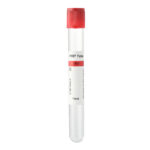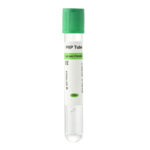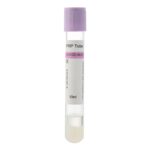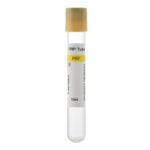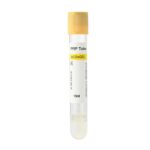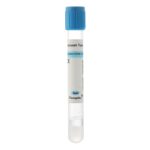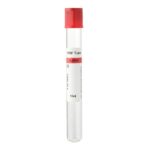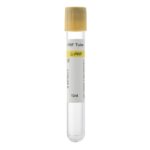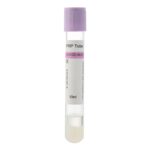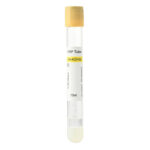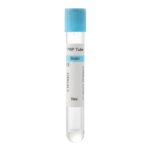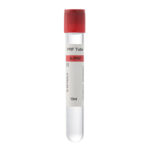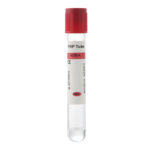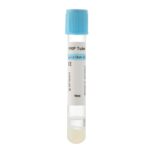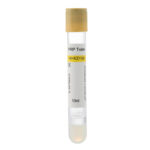
A common question among clinicians, lab technicians, and procurement professionals is: What is the difference between PRP tubes and vacuum blood collection tubes? At first glance, both products are types of evacuated tubes used to collect blood, but their intended functions, internal design, additives, and clinical applications are distinct. Understanding these differences is crucial when purchasing consumables for your clinic or laboratory, especially in regenerative medicine programs that offer platelet-rich plasma (PRP) therapies.
This guide will help clarify how PRP tubes differ from standard vacuum blood collection tubes, how each is used, and why choosing the right tube — both in terms of performance and supplier quality — can influence clinical consistency and patient outcomes. If you are evaluating PRP consumables for your practice, browsing verified products and technical specifications at Siny PRP can help simplify your decision process.
What Are Vacuum Blood Collection Tubes?
Before we compare, it’s essential to define vacuum blood collection tubes and their primary role. Vacuum blood collection tubes are sterile tubes used in phlebotomy to collect and transport whole blood from the patient to the laboratory for diagnostic testing. These tubes typically contain a calibrated vacuum that draws the correct volume of blood when attached to a compatible holder and needle. They may also include additives — such as anticoagulants, clot activators, separation gels, or preservatives — depending on the type of test intended.
Common Types of Vacuum Blood Collection Tubes
- EDTA tubes: Contain an anticoagulant for hematology testing (e.g., CBC).
- Citrate tubes: Used for coagulation assays like PT and APTT.
- Serum tubes: Include clot activators and may have gel separators for chemistry tests.
- Heparin tubes: For plasma chemistry analyses.
Vacuum blood collection tubes are ubiquitous in clinical labs and form the backbone of routine diagnostic workflows. They are designed to maintain specimen integrity for analyzers, cytology exams, and biochemical assays.
What Are PRP Tubes?
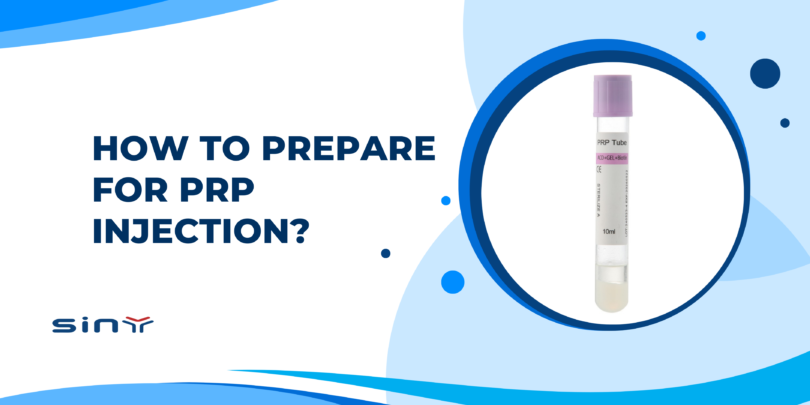
In contrast, PRP tubes have a particular purpose: to prepare platelet-rich plasma from a patient’s own blood for therapeutic use. PRP therapy is widely used in orthopedic, sports medicine, dermatology, and cosmetic procedures because PRP contains a high concentration of platelets and growth factors that support tissue repair and regeneration.
Key Characteristics of PRP Tubes
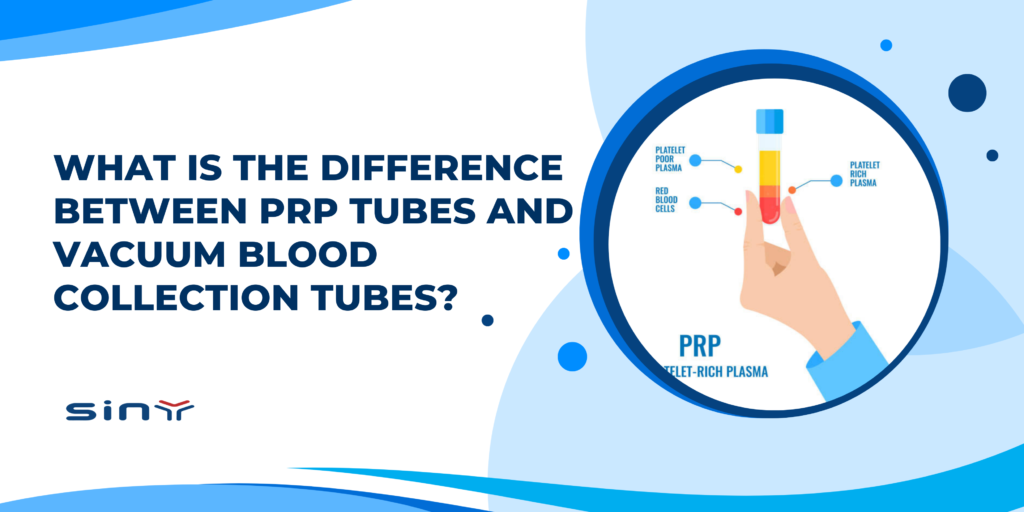
- Centrifugation design: PRP tubes are formulated to facilitate the separation of red blood cells, platelet-poor plasma (PPP), and the PRP layer during centrifugation.
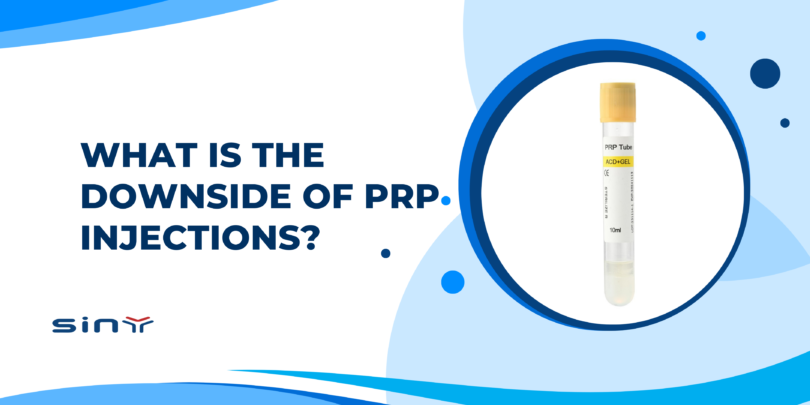
- Additives (optional): Some tubes contain anticoagulants such as sodium citrate or ACD-A to prevent clotting until processing. Others may include separation gels that help isolate the PRP layer.
- Biological output: The goal is not merely blood collection but obtaining a biologically active fraction that can be reinjected for therapeutic purposes.
In short, all PRP tubes are vacuum tubes by design, but not all vacuum blood collection tubes are PRP tubes — the difference lies in additive formulation and intended use.
Functional Differences
To answer what the difference is between PRP tubes and vacuum blood collection tubes, we can compare how each functions in practice:
Additive Differences
- Standard vacuum tubes contain additives meant for specific diagnostic tests (e.g., EDTA for hematology, citrate for coagulation). These additives are not tailored for regenerative concentration.
- PRP tubes include additives that allow platelets to remain in a concentrated, viable form. Anticoagulants like ACD-A or sodium citrate delay clotting until processing, and separation gels help isolate platelets in a usable fraction.
Centrifugation Protocol
- Vacuum tube samples are centrifuged to prepare specimens for laboratory analysis (e.g., plasma separation, serum extraction).
- PRP tubes are centrifuged under optimized protocols to concentrate platelets — typically a two-spin process: a “soft spin” to separate red cells and a “hard spin” to concentrate platelets. The result is a plasma layer enriched with platelets.
Biological Output
- Vacuum tubes — when used diagnostically — yield whole blood fractions suited for analyzers, not for therapeutic reinjection.
- PRP tubes yield a therapeutic concentrate containing platelets and growth factors that is intended for clinical application, not laboratory analysis.
Understanding these functional differences helps ensure that your product selection aligns with the use case — diagnostic vs therapeutic — and prevents misapplication of consumables.
Clinical Applications and Use Cases
Knowing what the difference between PRP tubes and vacuum blood collection tubes is also means understanding where each is used:
Vacuum Blood Collection Tubes
These are core to clinical diagnostics and lab workflows:
- Complete Blood Count (CBC)
- Coagulation testing
- Serum chemistry and immunoassays
- Microbiology specimen preparation
For standard laboratory medicine, vacuum tubes with the correct additive are essential for accurate test results.
PRP Tubes
PRP tubes are used specifically for regenerative therapies, including:
- Orthopedic injections for tendon and joint injuries
- Cosmetic and aesthetic treatments such as facial rejuvenation and hair restoration
- Post-operative healing support
- Sports medicine applications to enhance tissue repair
Because PRP tubes are intended to produce a biologically active product, the requirements for their manufacture and quality are different from those of diagnostic tubes. For practices offering multiple PRP protocols, selecting high-quality tubes with consistent platelet yield and minimal contamination is crucial. Clinics interested in consistent PRP outcomes can explore validated PRP tube options at Siny PRP.
Why Supplier Quality Matters
One of the most practical aspects of understanding the difference between PRP tubes and vacuum blood collection tubes comes down to product quality and supplier reliability. Even within the same category, performance variation can affect clinical outcomes or diagnostic accuracy.
Consistency and Reproducibility
- High-quality PRP tubes deliver consistent platelet concentration and separation efficiency, which supports predictable clinical responses.
- Vacuum collection tubes with poorly controlled additive distribution can lead to clotting, hemolysis, or inaccurate test results.
Manufacturing Standards
- Medical consumables should be produced under regulated conditions with traceable batch documentation, material certifications, and sterility validation.
- A reputable supplier provides transparent technical data, stability studies, and quality control metrics.
Workflow Compatibility
- Tubes must be compatible with standardized holders, centrifuges, and laboratory analyzers. Mismatched hardware increases the risk of pre-analytical errors.
Selecting products from a reliable manufacturer reduces risk and supports long-term consistency for both diagnostic and therapeutic workflows. For clinics and buyers evaluating PRP tube options, reviewing product specifications and quality assurance documents at Siny PRP can help ensure you choose consumables that meet your needs.
FAQs
Q: Are PRP tubes and vacuum blood collection tubes interchangeable?
A: No. While both use vacuum technology for sample collection, PRP tubes are designed to produce a platelet concentrate for therapeutic use, whereas vacuum blood collection tubes are made for diagnostic testing.
Q: Can a standard vacuum tube be used to prepare PRP?
A: Standard vacuum tubes lack the specific additives and design needed for efficient platelet concentration and are not suitable for producing therapeutic PRP.
Q: What additives are commonly found in PRP tubes?
A: PRP tubes may contain anticoagulants like ACD-A or sodium citrate and may include gels that facilitate separation during centrifugation.
Q: Why is supplier quality critical for PRP tubes?
A: Consistent tube quality affects platelet yield and biological activity of PRP, making reliable suppliers essential for predictable clinical outcomes. Clinics evaluating consumables should review technical data and support from trusted sources like Siny PRP.
Summary
So, what is the difference between PRP tubes and vacuum blood collection tubes? The key lies in their design purpose, additive contents, and intended application. Vacuum blood collection tubes serve diagnostic workflows and are optimized for analyzers and lab tests. PRP tubes, on the other hand, are tailored to produce a concentrated biologically active product used in regenerative therapies.
Choosing the right tube for your workflow — and sourcing it from a high-quality supplier — can improve both diagnostic accuracy and therapeutic consistency. For clinics and buyers considering PRP consumables, exploring validated products and documentation at Siny PRP supports confident procurement decisions and reliable clinical practice.