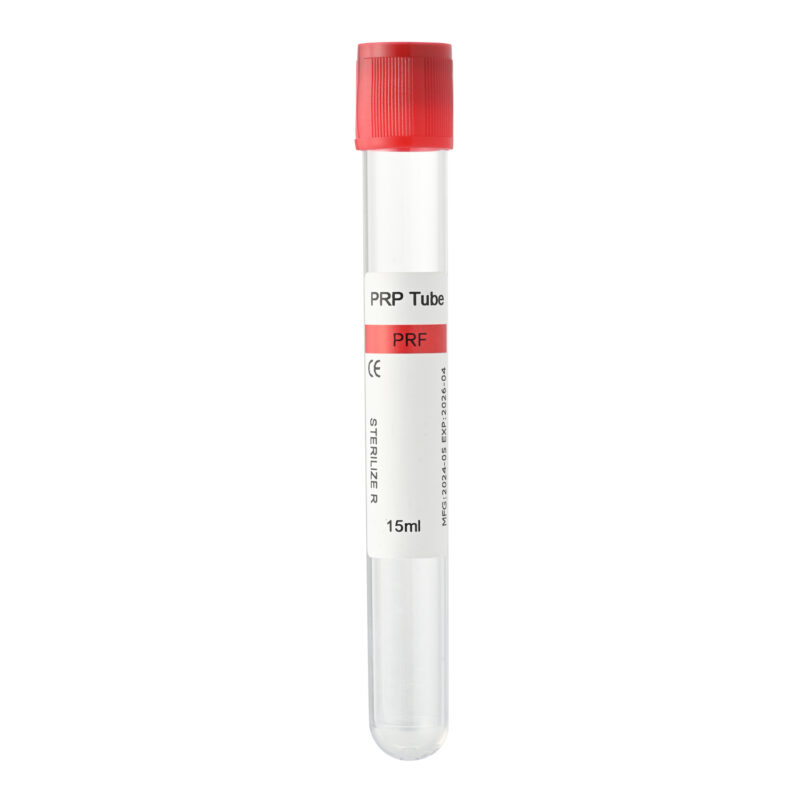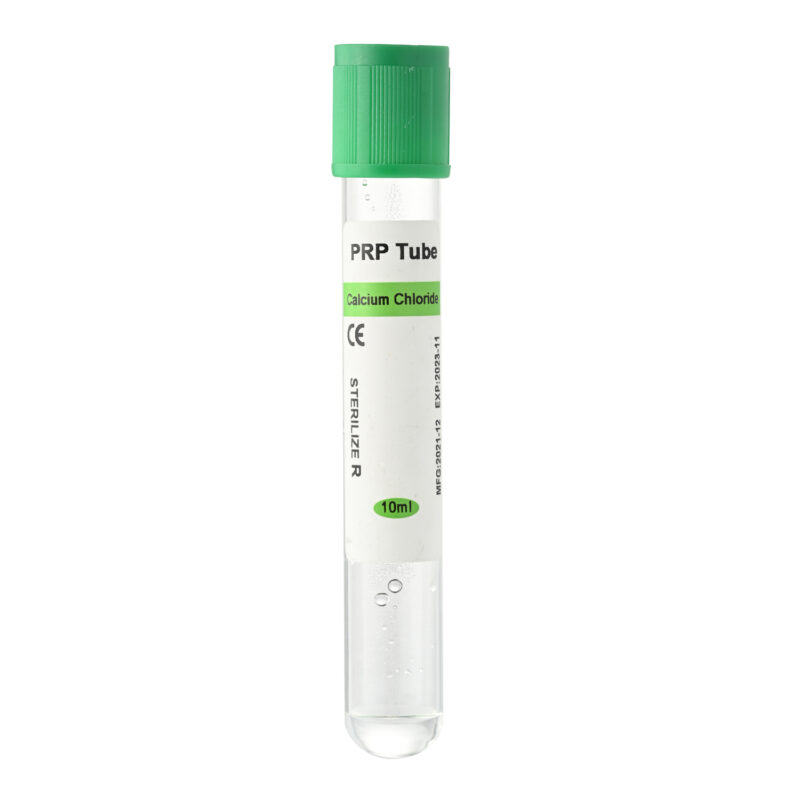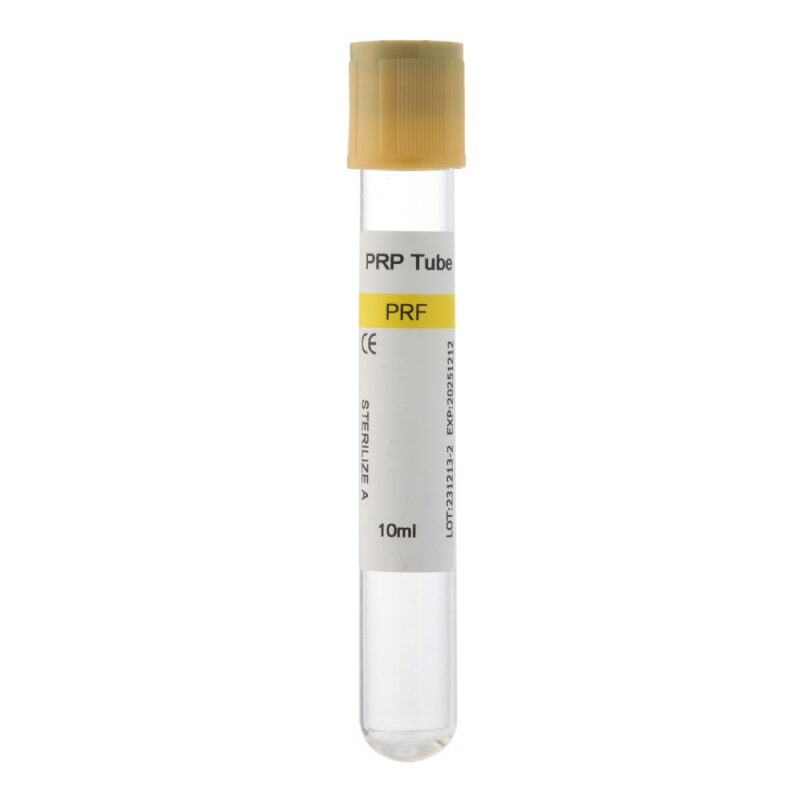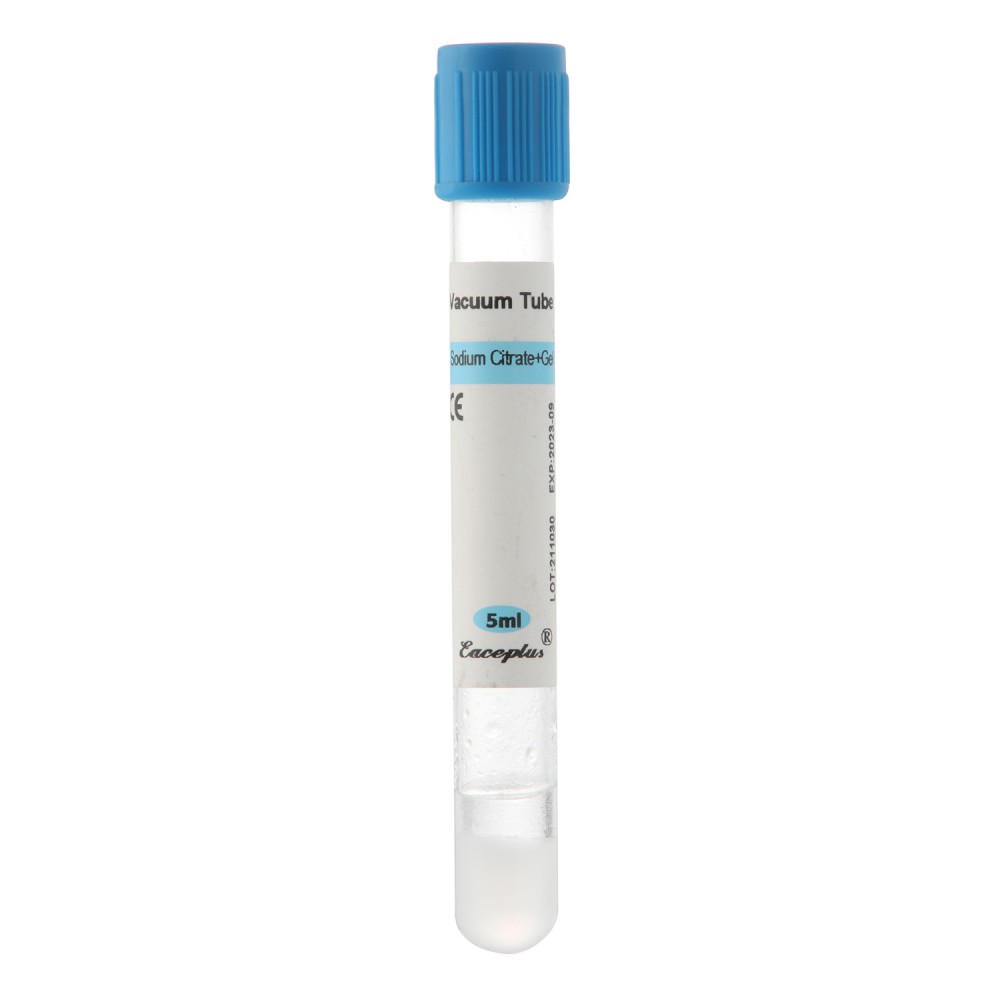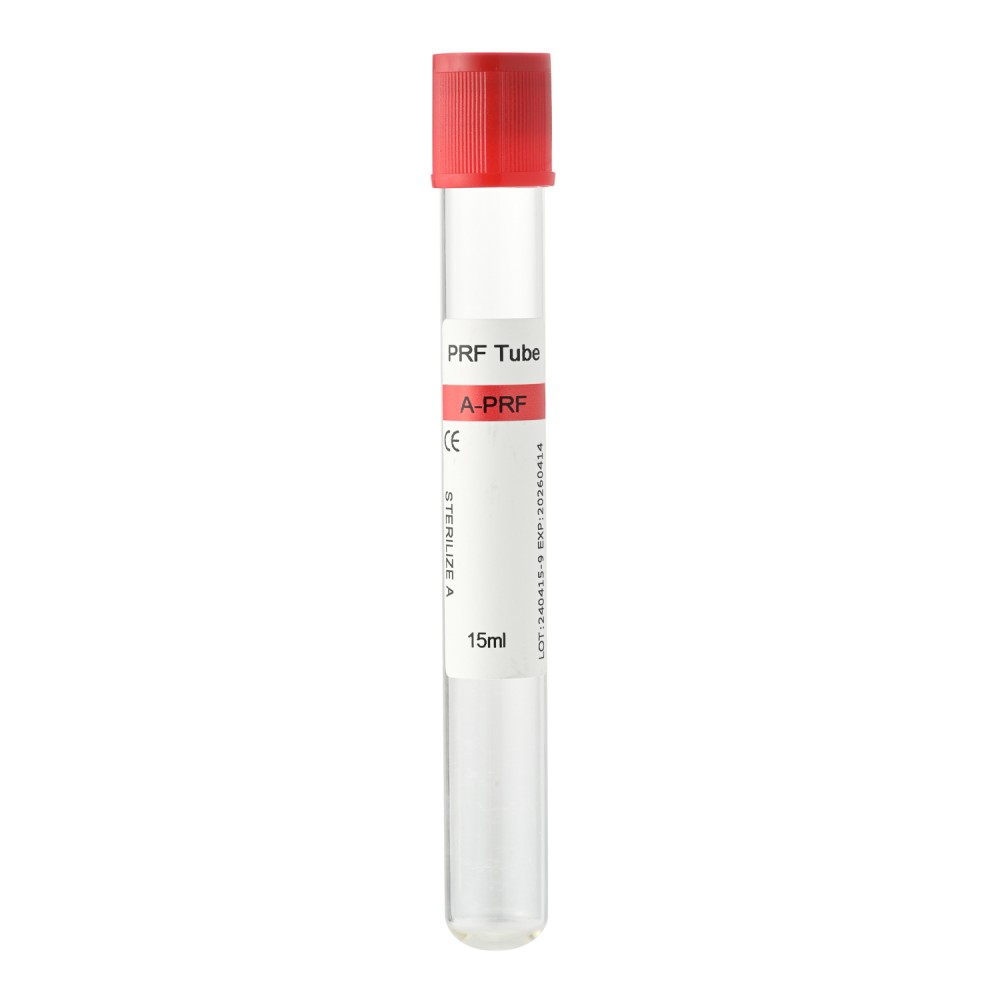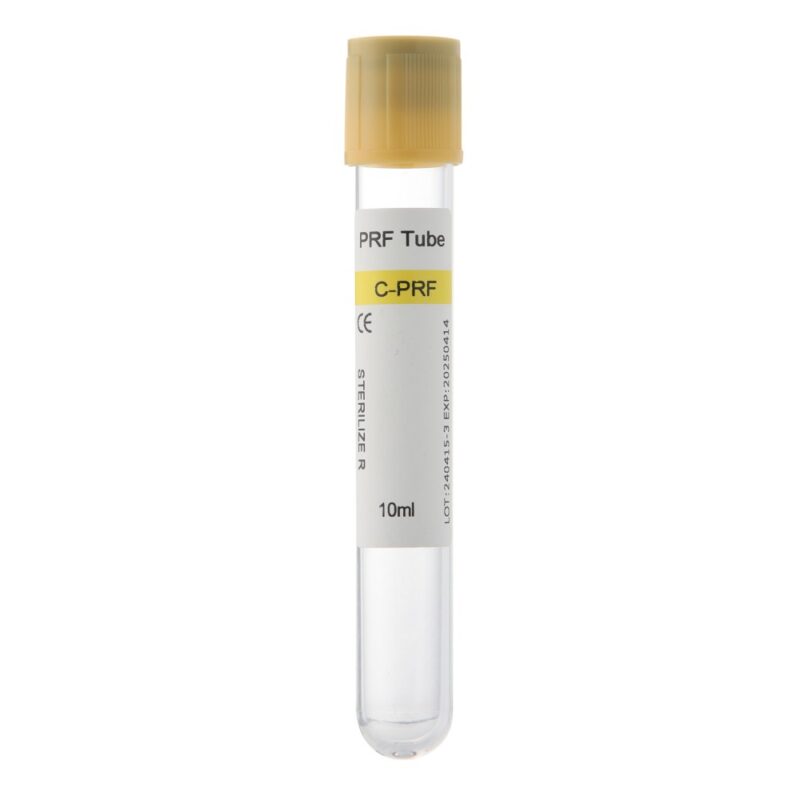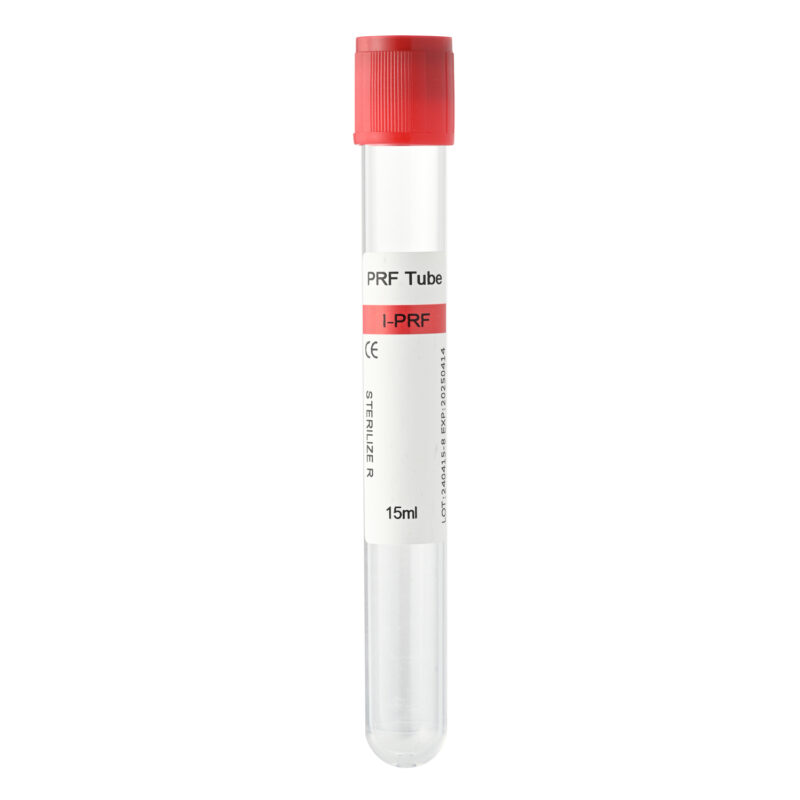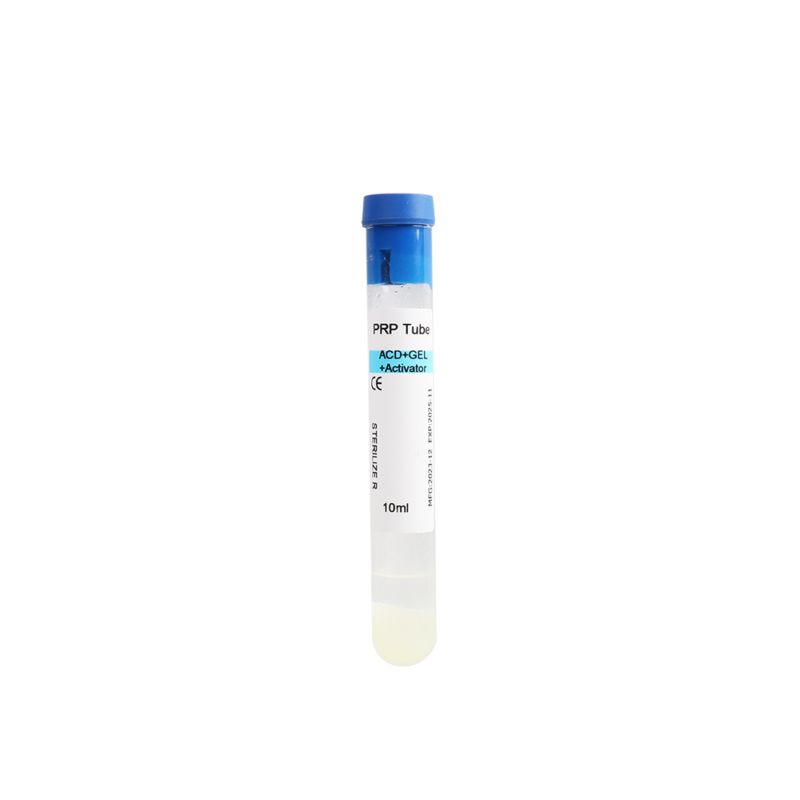
When clinicians search for how to get PRF from blood, they are usually not just looking for a basic protocol—they want a reliable way to obtain high-quality platelet-rich fibrin (PRF) with consistent outcomes. In practice, the success of PRF preparation depends not only on technique but also on timing, tube quality, and centrifugation parameters. This guide walks through the full process while helping you understand what actually impacts results in real clinical settings.
What Is PRF?
Platelet-rich fibrin (PRF) is a second-generation platelet concentrate derived from autologous blood. Unlike PRP, PRF does not require anticoagulants or external additives. Instead, it forms a natural fibrin matrix that traps platelets, leukocytes, and growth factors.
This biological structure allows for:
- sustained release of growth factors
- improved tissue regeneration
- better handling in surgical procedures
PRF is widely used in dental surgery, orthopedics, and aesthetic medicine. However, achieving a stable fibrin clot requires strict control over preparation steps—especially during the early phase after blood collection.
How to Get PRF from Blood?
Understanding how to get PRF from blood requires more precision than complexity. The process is simple—but timing is everything.
Step 1: Blood Collection Without Anticoagulant
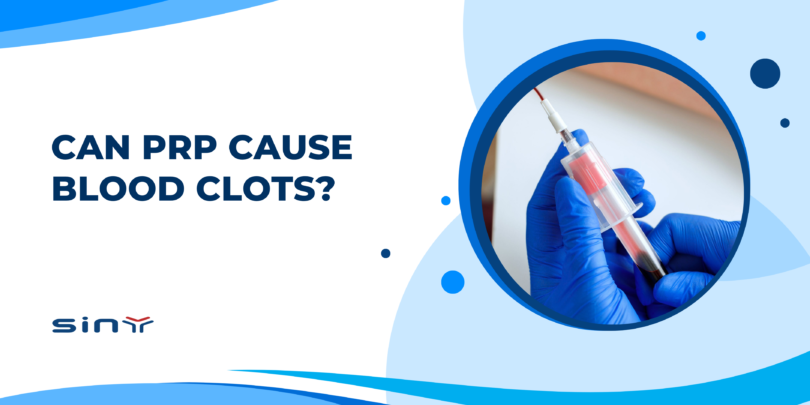
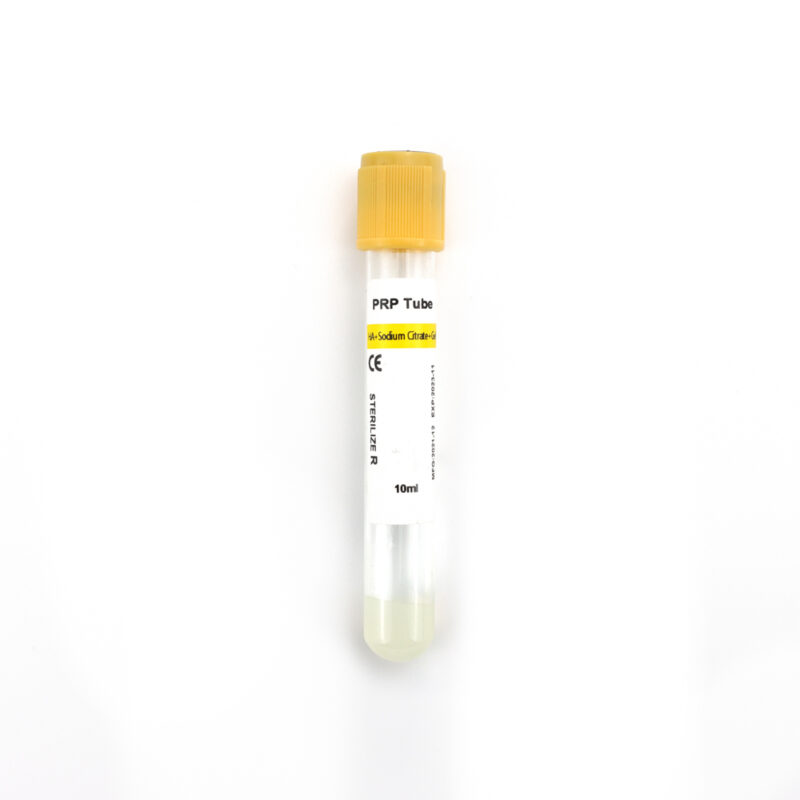
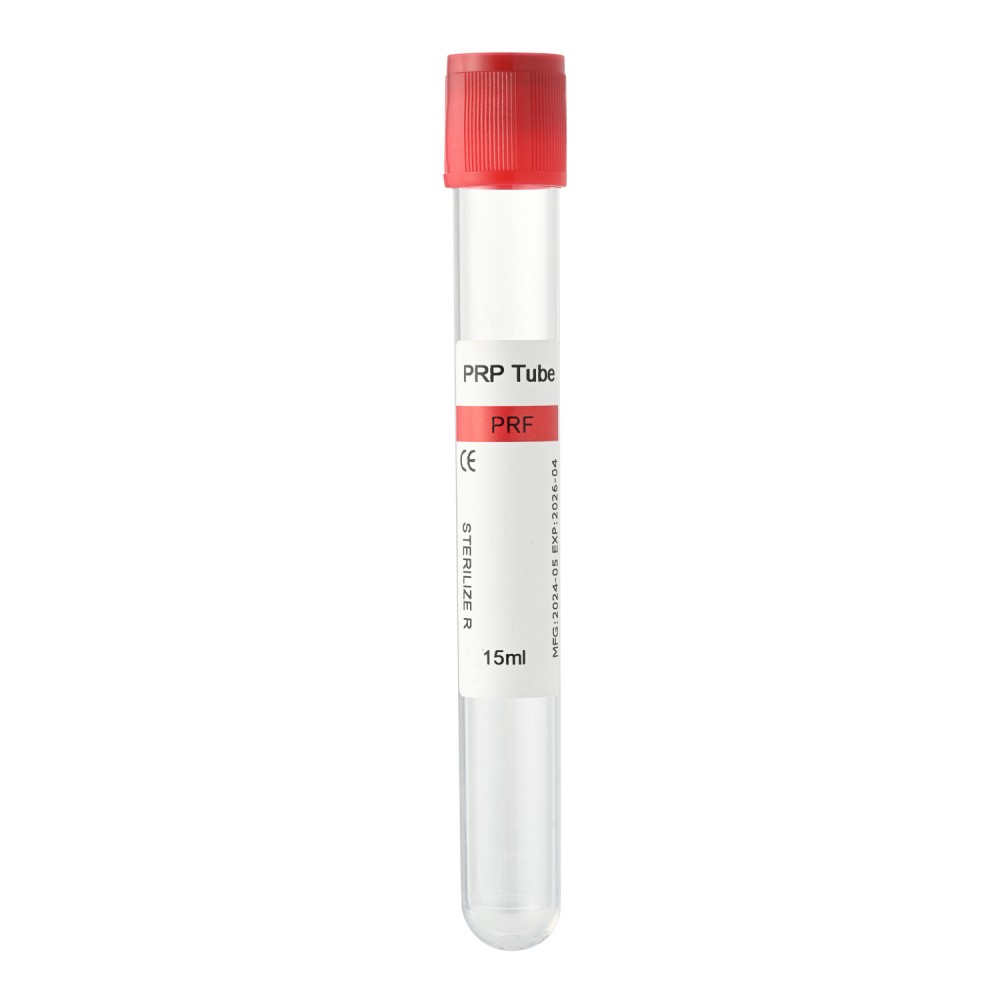
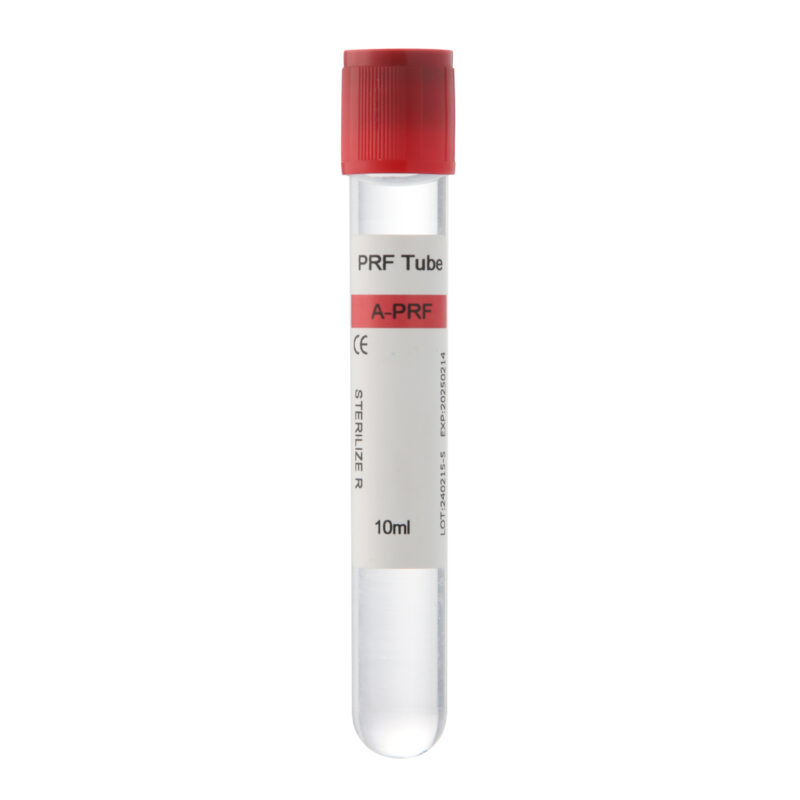
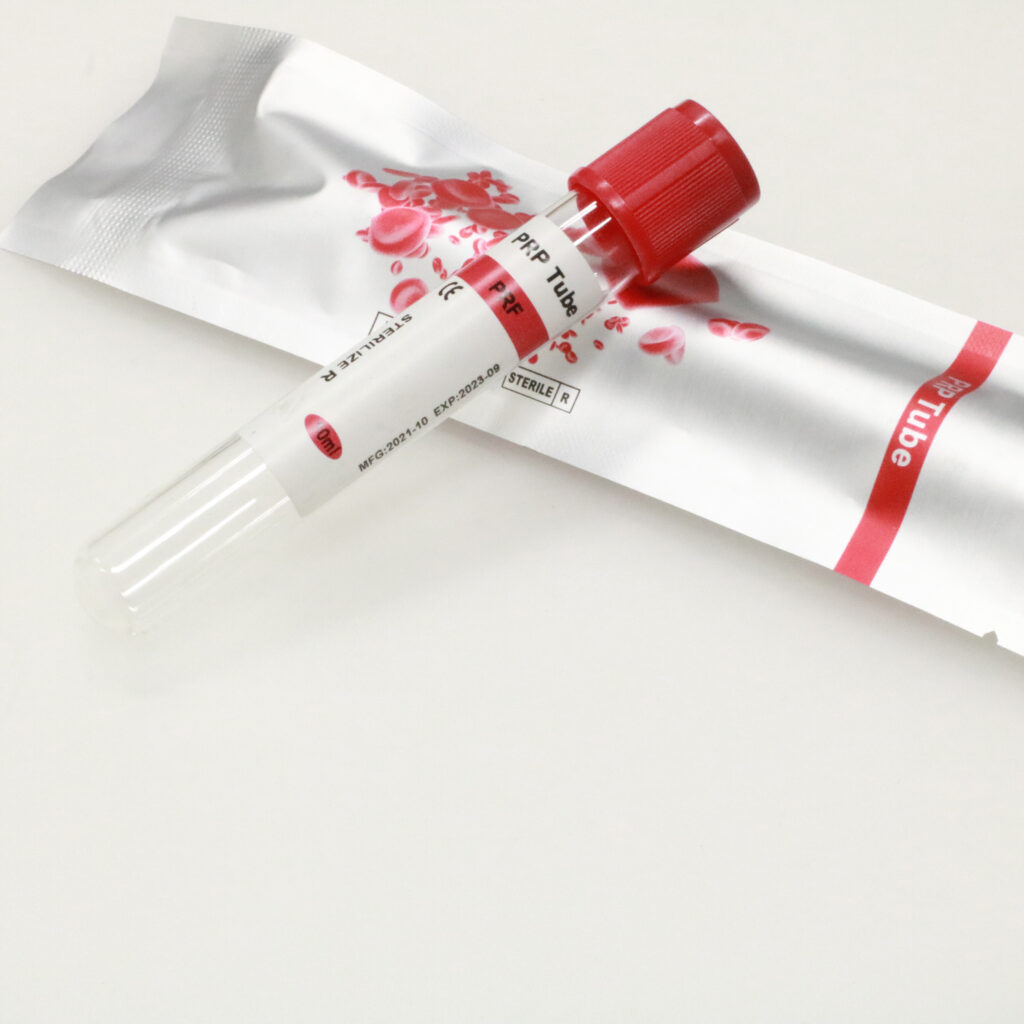
Blood is drawn directly into a sterile PRF tube without anticoagulants. This is critical because clotting must begin naturally.
Step 2: Immediate Centrifugation
The tube must be placed into the centrifuge immediately (usually within 60–90 seconds). Any delay may lead to premature clotting and inconsistent separation.
Step 3: Controlled Centrifugation
Typical parameters:
- Speed: 2700–3000 RPM
- Time: 10–12 minutes
During centrifugation, blood separates into three layers:
- Top: platelet-poor plasma (PPP)
- Middle: PRF clot
- Bottom: red blood cells
Step 4: PRF Clot Collection
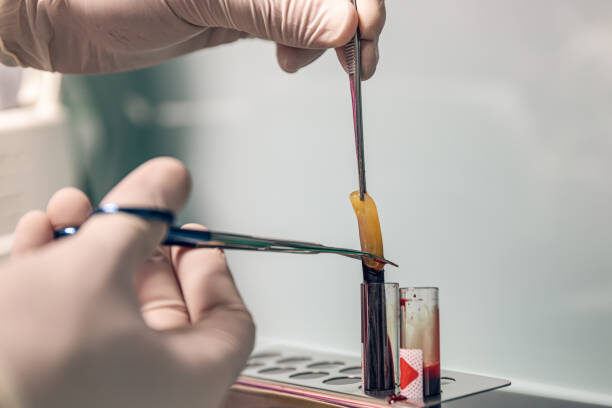
The fibrin clot is gently removed and can be compressed into membranes or used directly.
Step 5: Application
PRF is applied immediately in surgical or regenerative procedures.
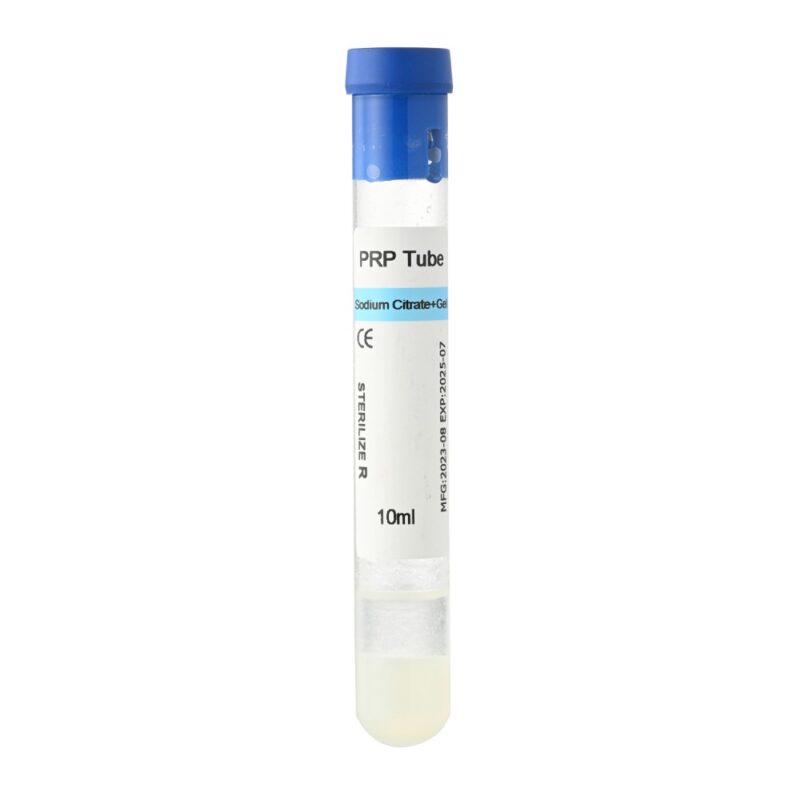
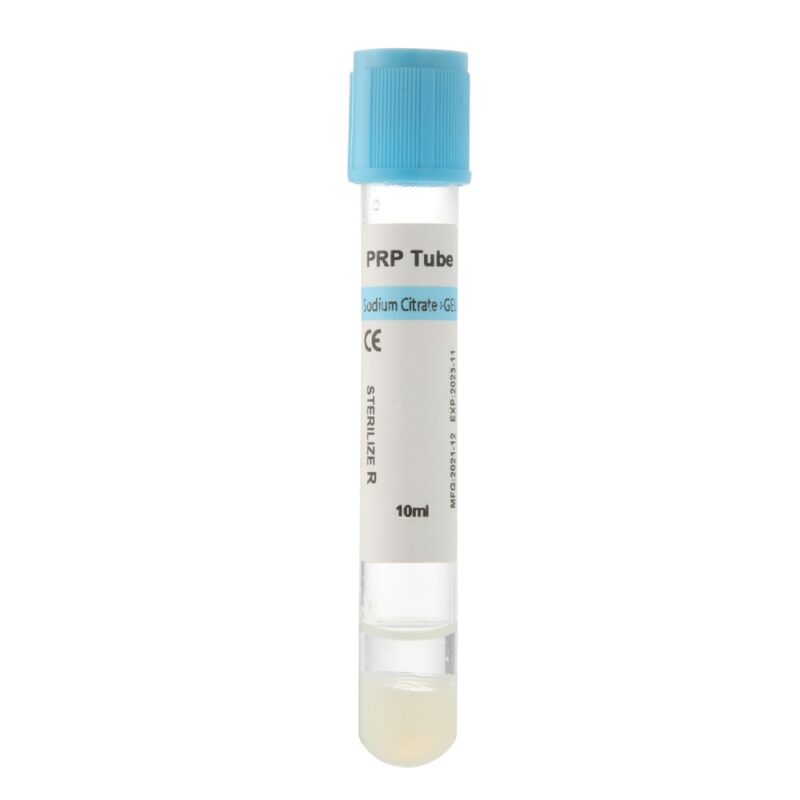
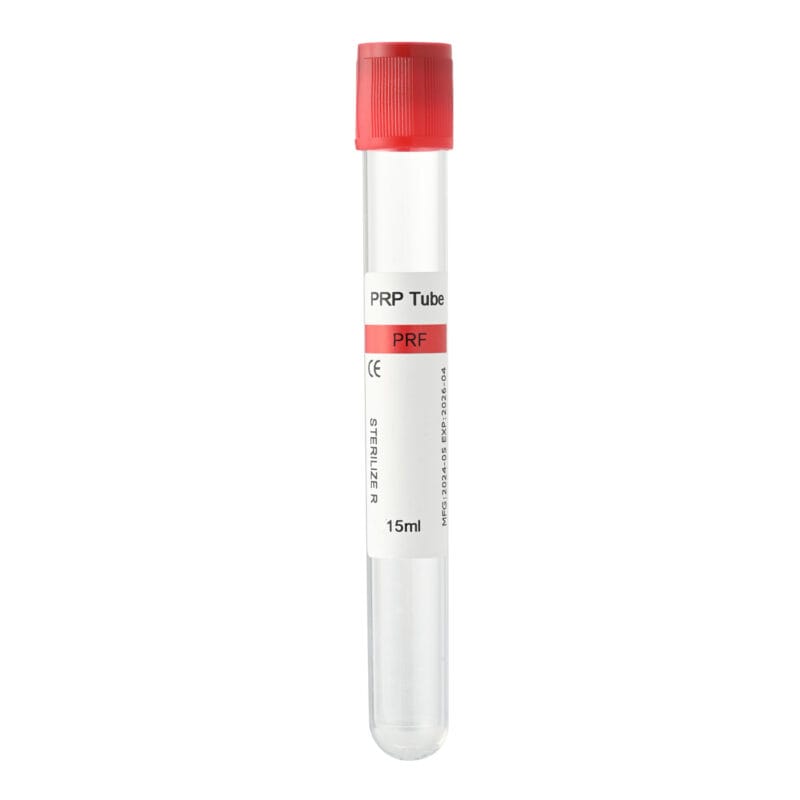
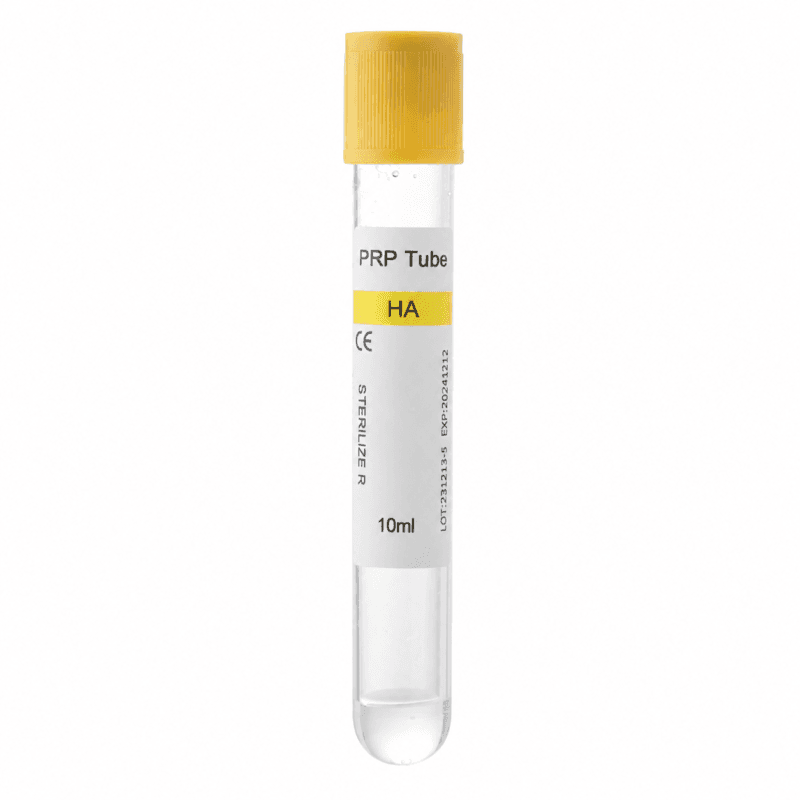
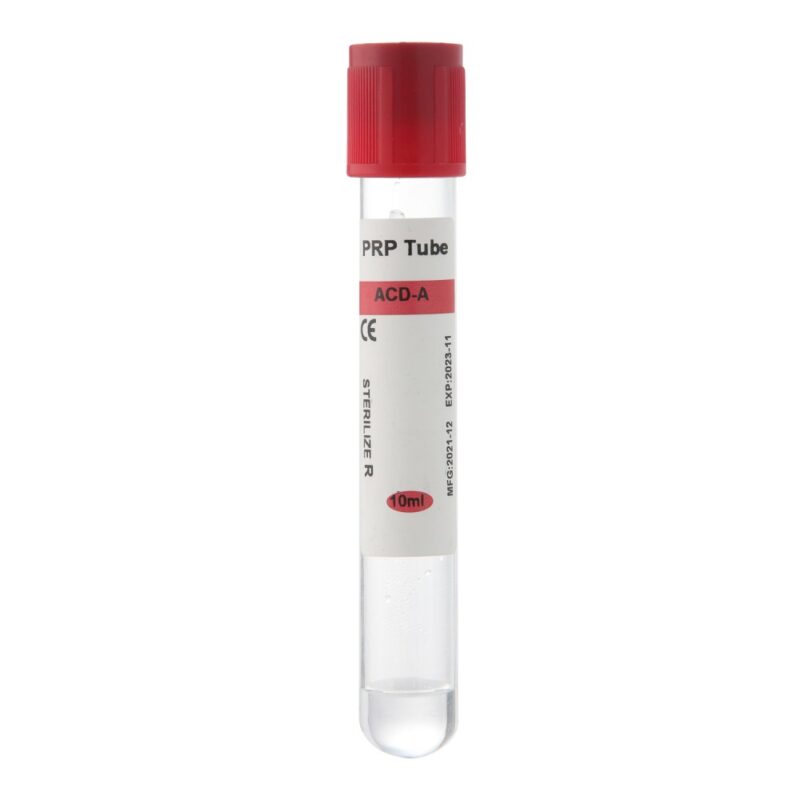
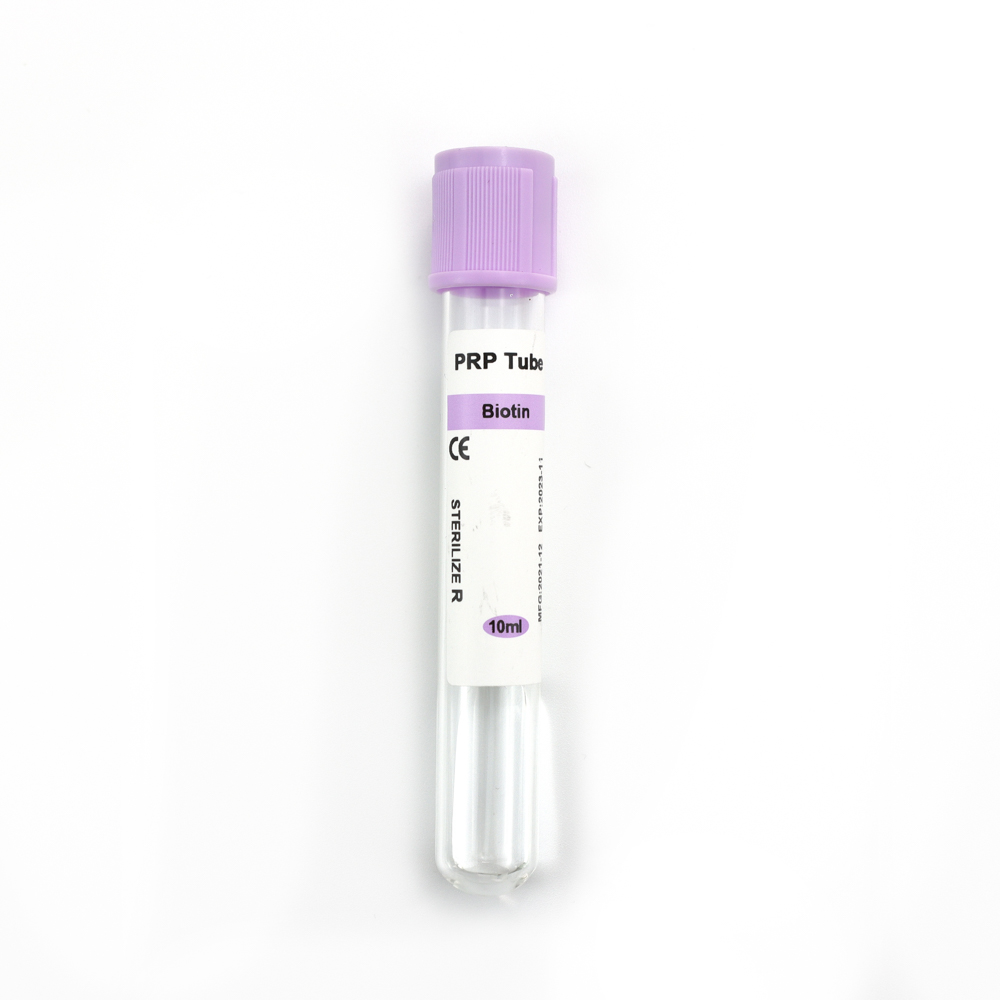
Many clinicians underestimate how tube design affects layer separation. Using stable, medical-grade tubes can significantly improve clot integrity and yield consistency.
Key Factors That Affect PRF Quality
Even when you follow the correct protocol, PRF quality can vary. Here are the most important factors:
1. Timing After Blood Draw
PRF begins clotting immediately. Delays reduce the quality of the fibrin matrix.
2. Tube Material and Surface
Glass vs plastic tubes behave differently in clot activation. Surface properties influence fibrin formation.
3. Centrifuge Stability
Vibration or inconsistent RPM can disrupt layer separation.
4. Operator Technique
Even small differences in handling can impact outcomes.
For distributors or clinics scaling up PRF procedures, standardizing consumables is often the easiest way to reduce variability. You can explore suitable options or request technical support through Siny PRP to optimize your workflow.
PRF vs PRP: Why the Preparation Method Is Different
Many users confuse PRF with PRP, but their preparation methods are fundamentally different.
| Feature | PRF | PRP |
| Anticoagulant | No | Yes |
| Structure | Fibrin matrix | Liquid plasma |
| Processing speed | Immediate | More flexible |
| Growth factor release | Slow & sustained | Rapid |

Because PRF relies on natural coagulation, the window for processing is much shorter. This is why understanding how to get PRF from blood correctly is essential—mistakes cannot be reversed once clotting begins.
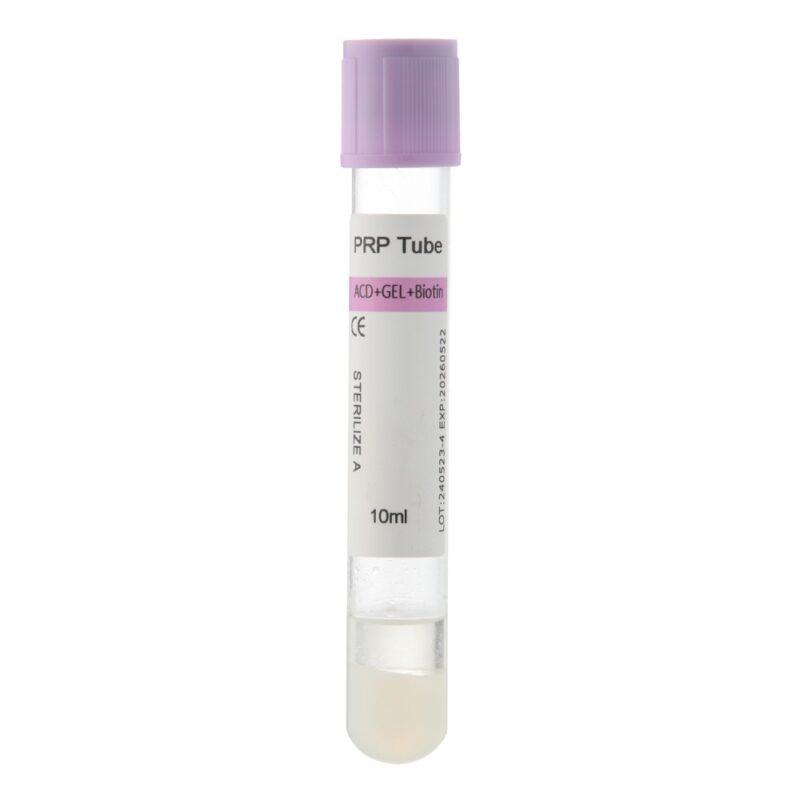
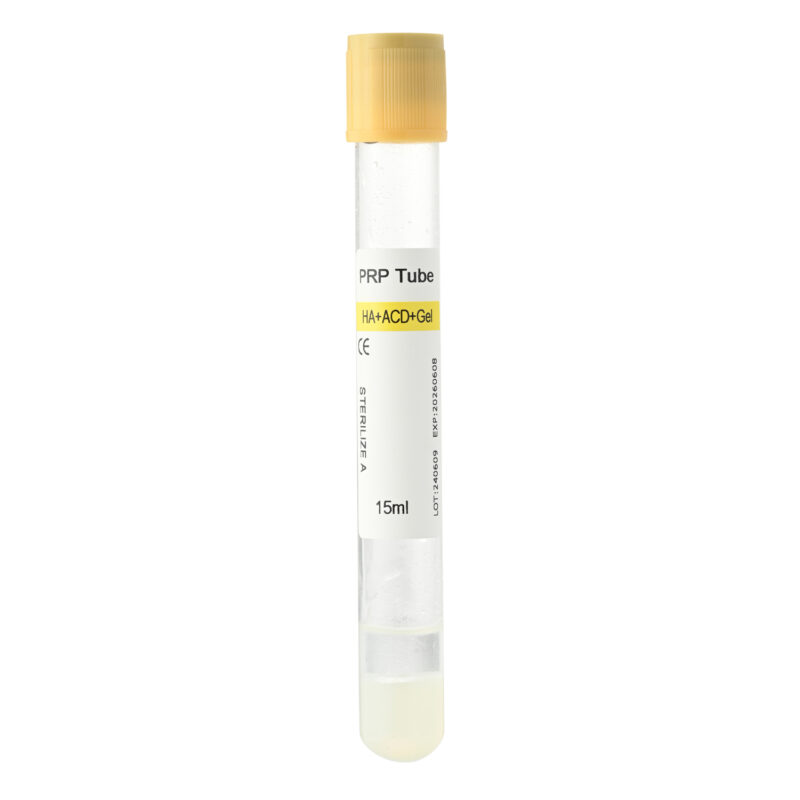
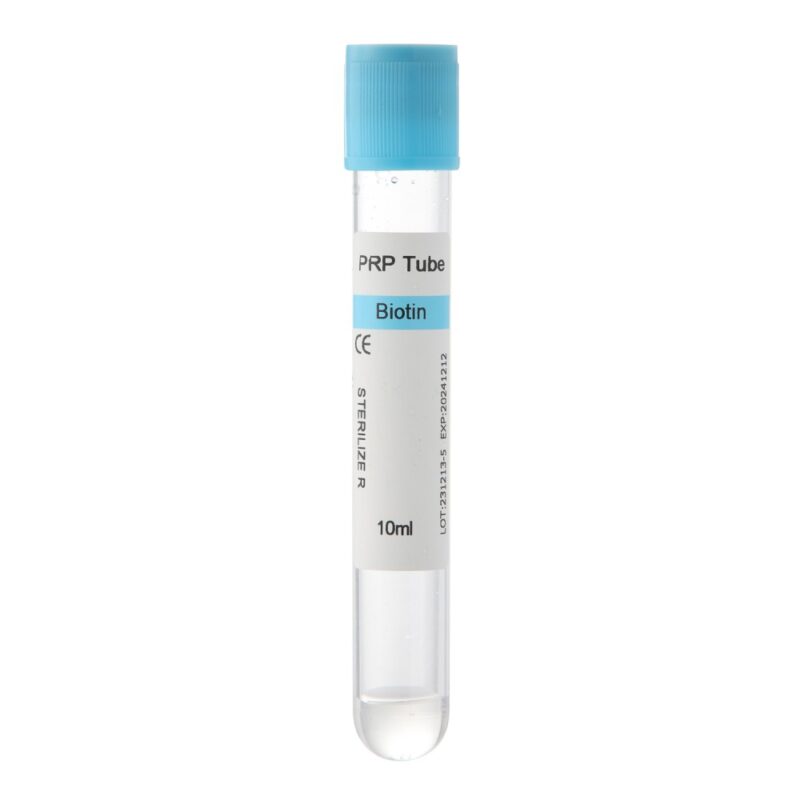
Choosing the Right PRF Tube for Reliable Results
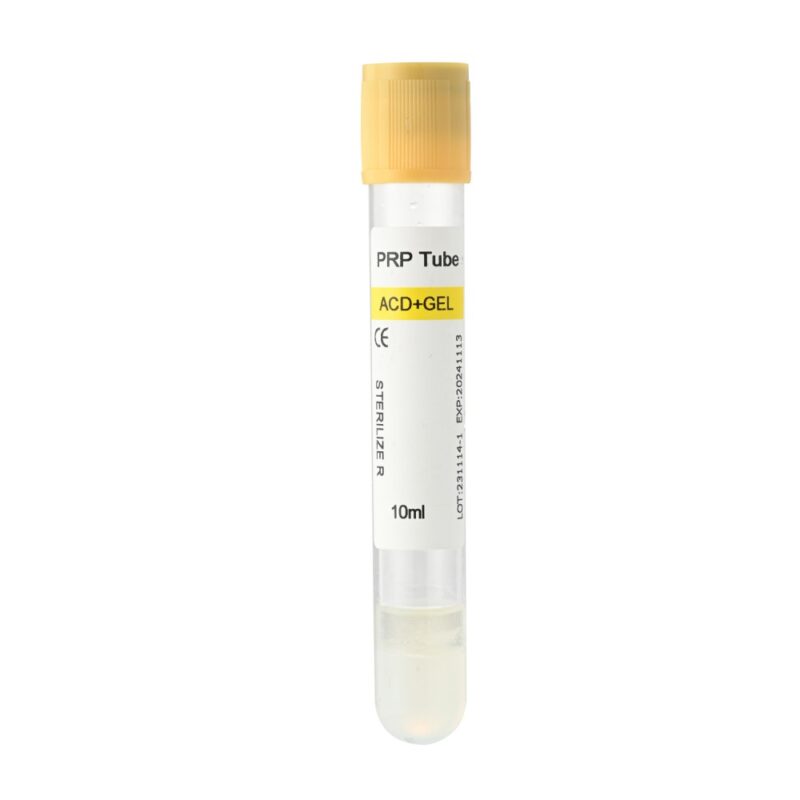
While the procedure itself is simple, the choice of tube often determines success or failure.
A high-quality PRF tube should provide:
- consistent clot activation
- stable material under centrifugation
- sterile, medical-grade production
- compatibility with common centrifuge systems
Inconsistent tubes can lead to:
- weak fibrin structure
- poor separation
- Reduced clinical effectiveness
If you’re comparing suppliers, it’s worth reviewing technical specifications and requesting samples. Siny PRP offers multiple PRF tube configurations designed for different clinical applications, helping distributors and clinics standardize their protocols.
FAQ: How to Get PRF from Blood
1. How quickly should blood be centrifuged for PRF?
Ideally, within 60–90 seconds after collection. Delays can compromise clot formation.
2. Can PRF be prepared without a specialized tube?
Technically, yes, but results are inconsistent. Specialized PRF tubes improve reliability and safety.
3. What happens if the centrifugation speed is incorrect?
Too high or too low speeds can disrupt layer separation and reduce PRF quality.
4. Is PRF better than PRP?
They serve different purposes. PRF is preferred when a fibrin scaffold and sustained release are needed.
5. How long can PRF be stored?
PRF should be used immediately after preparation for the best results.
Final Thoughts
Learning how to get PRF from blood is not just about following steps—it’s about controlling variables that affect the final outcome. From timing to tube quality, every detail plays a role in producing a stable and effective PRF matrix.
For clinics and distributors, consistency is the real challenge. Standardized protocols, reliable consumables, and proper technical support can make the difference between variable results and predictable performance.
If you are looking to improve your PRF preparation workflow or evaluate suitable tube options, exploring solutions from Siny PRP can be a practical next step.