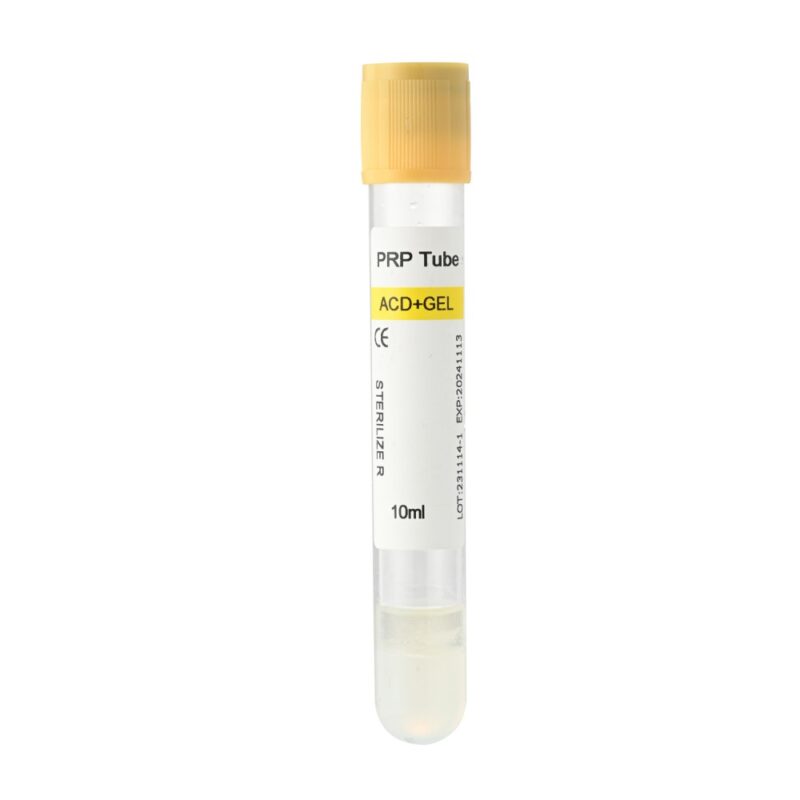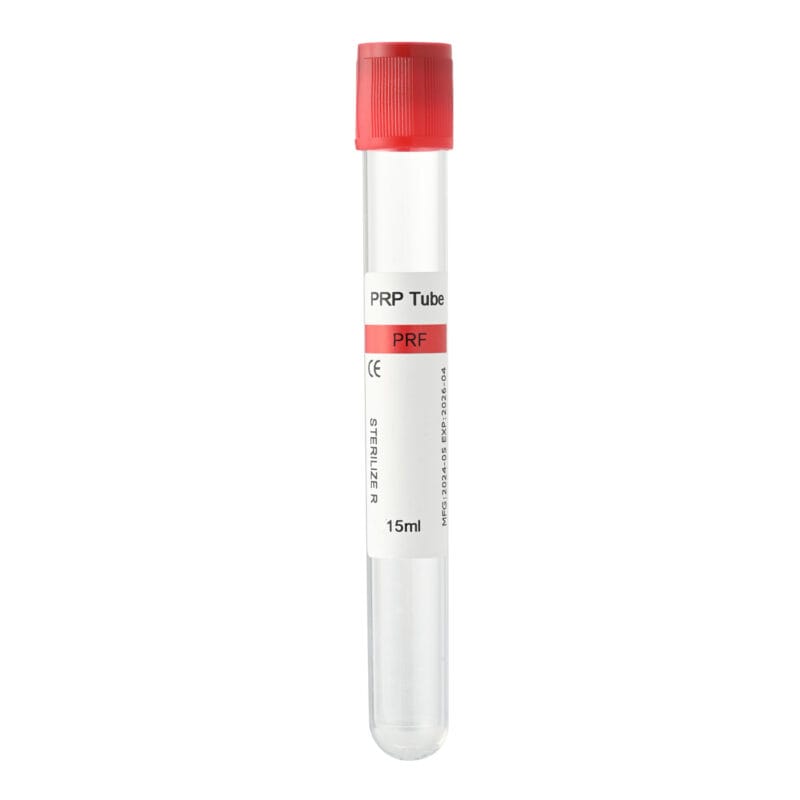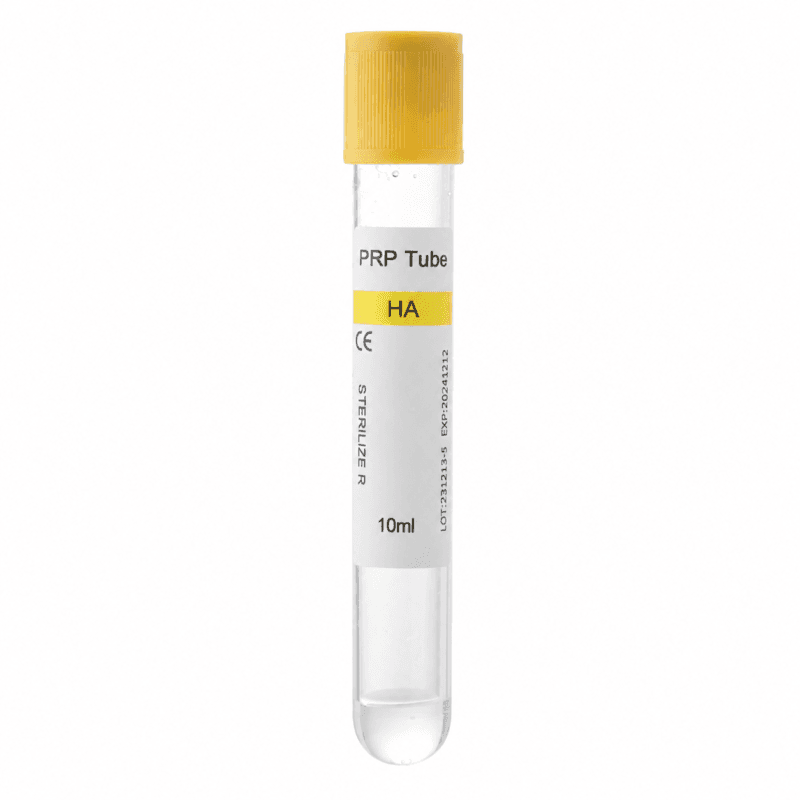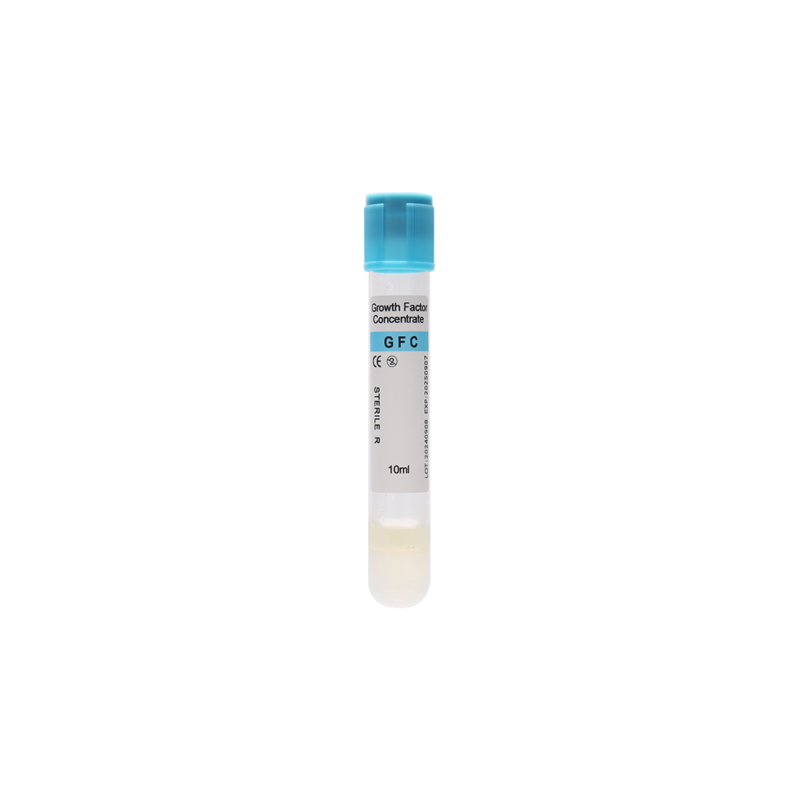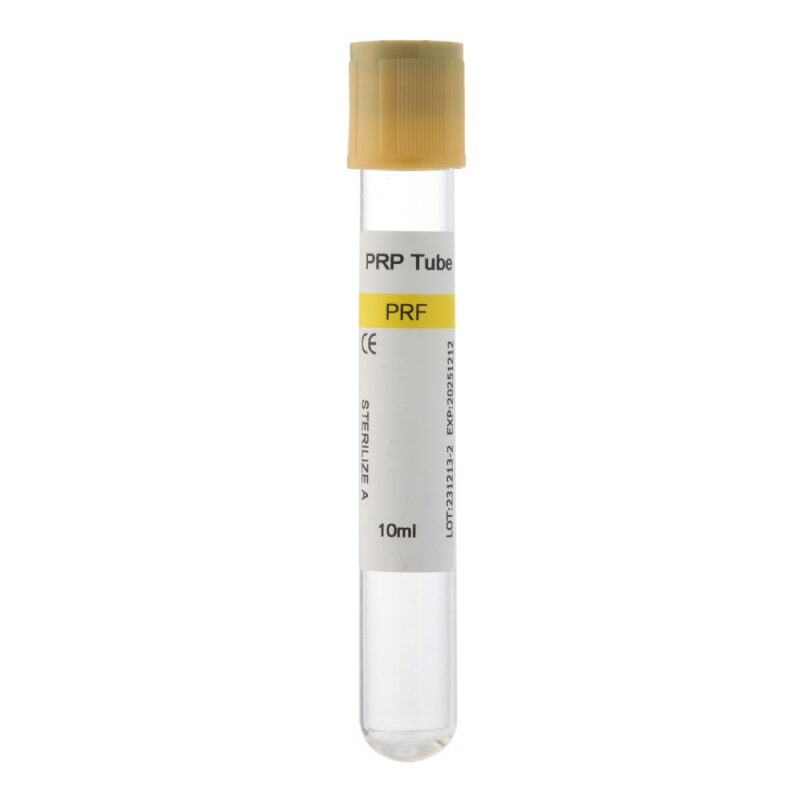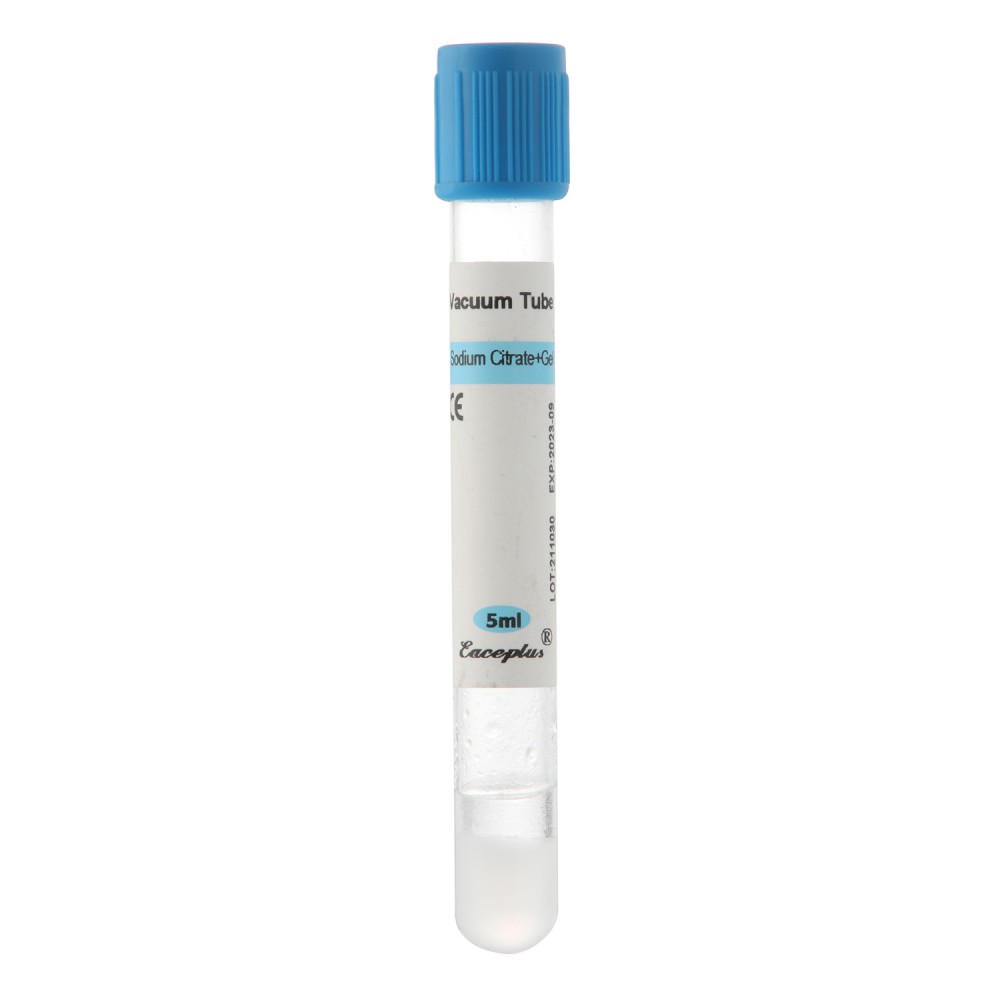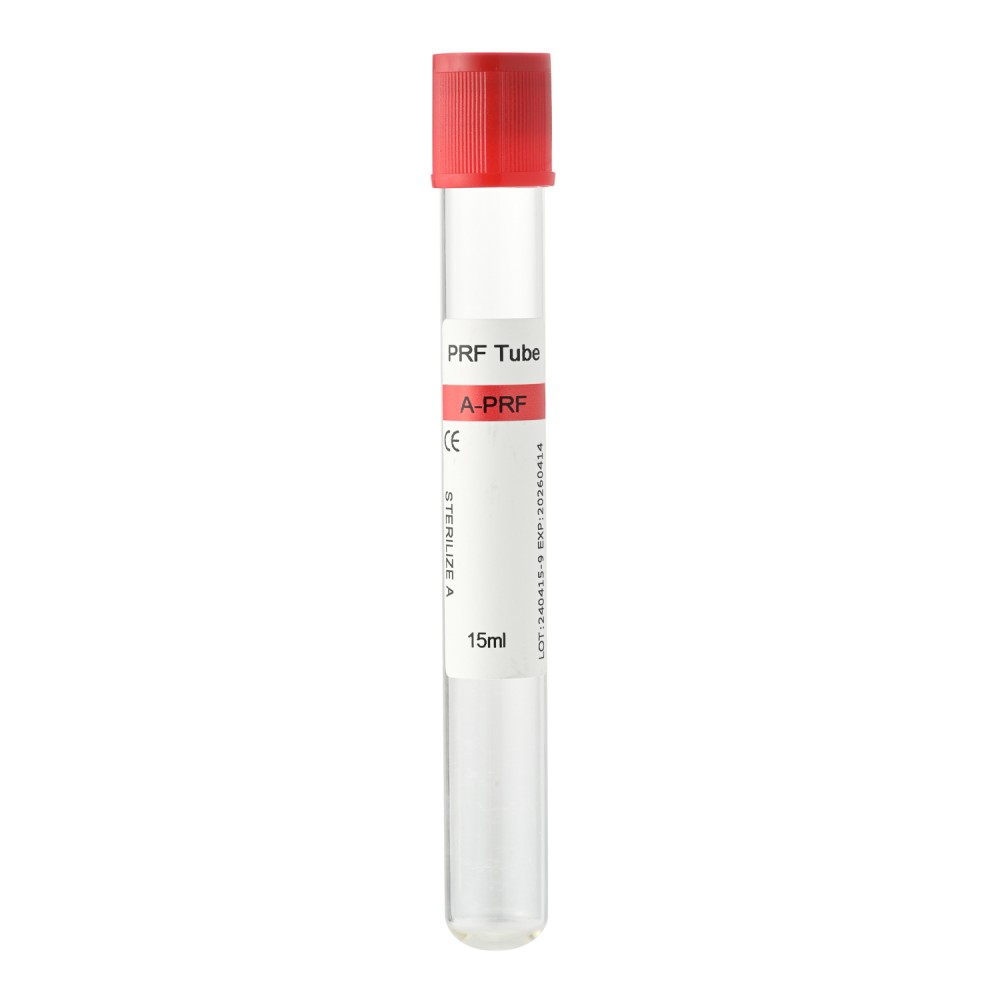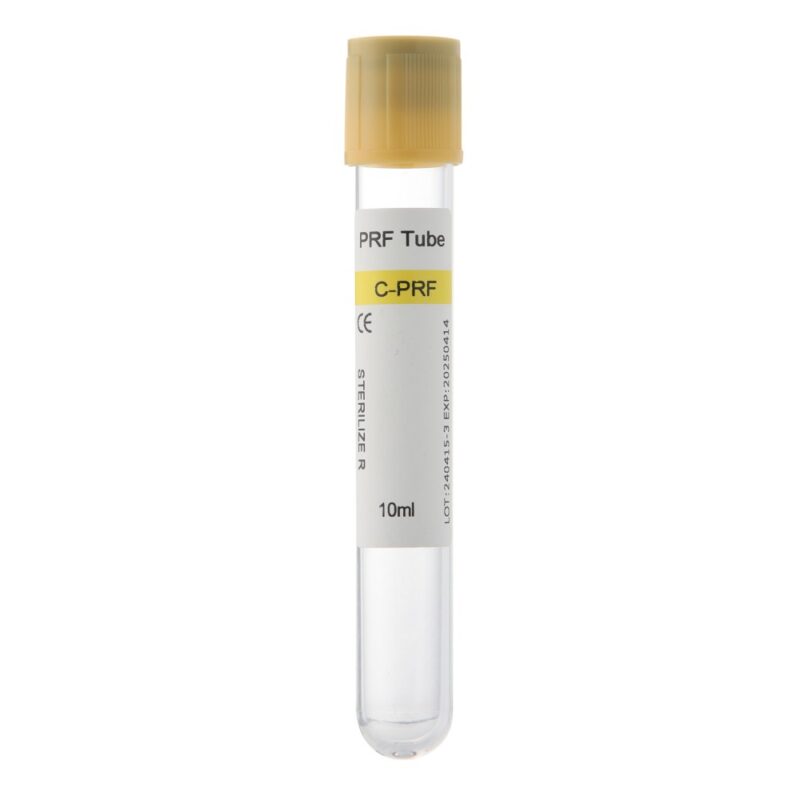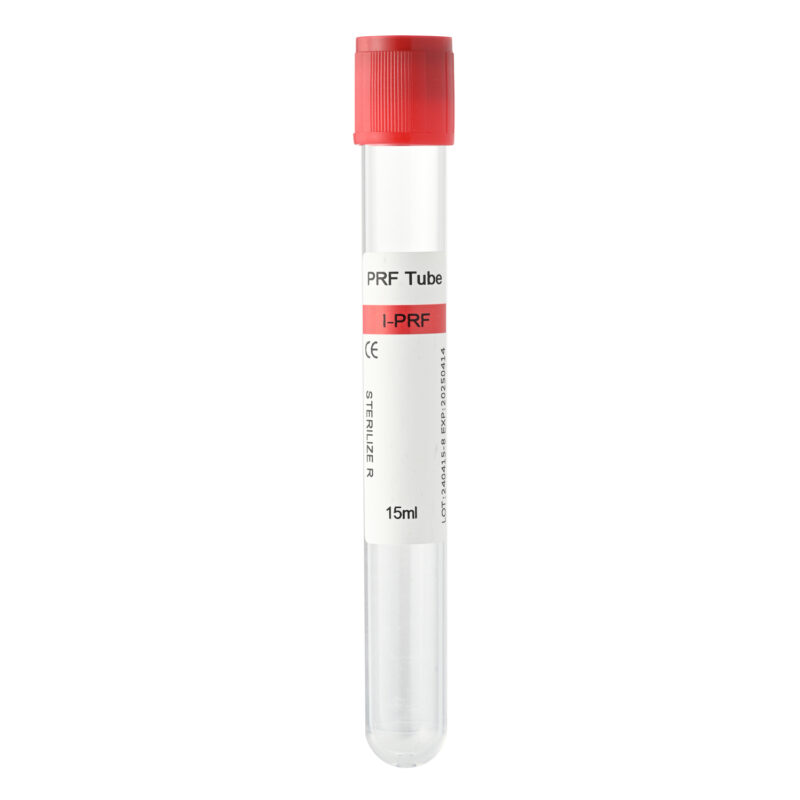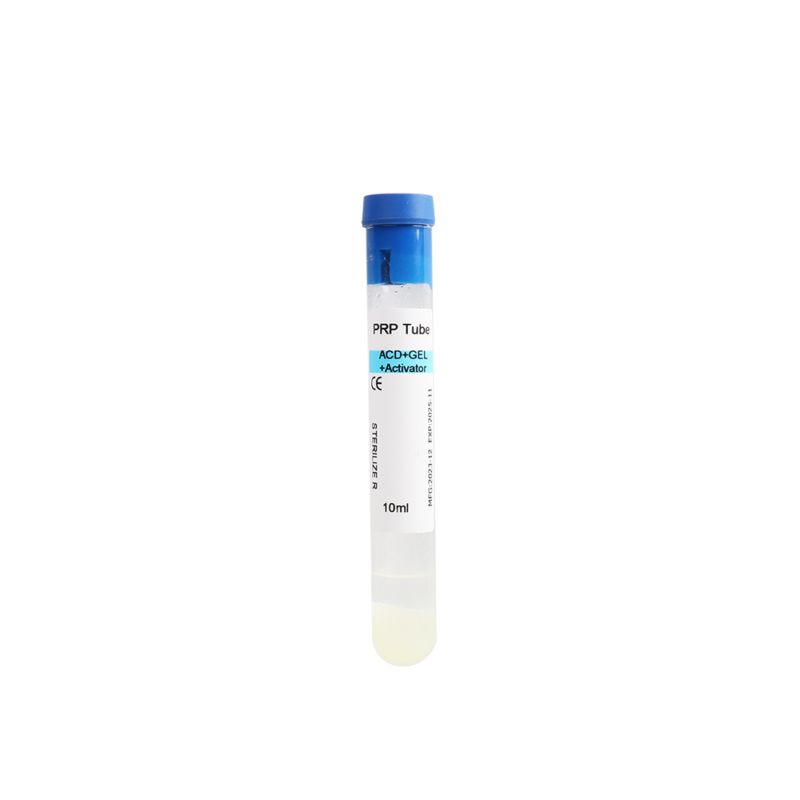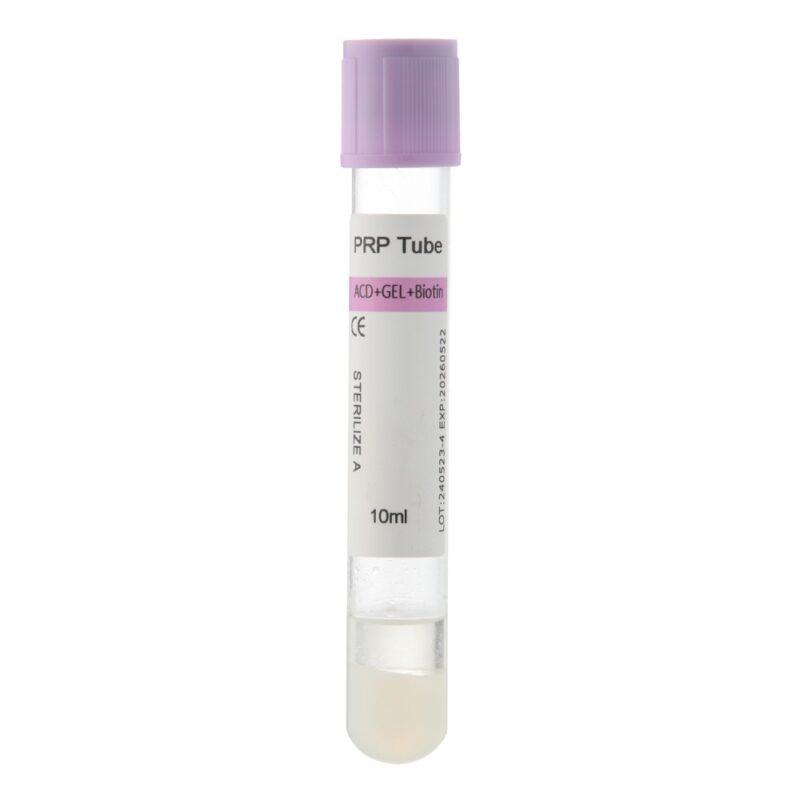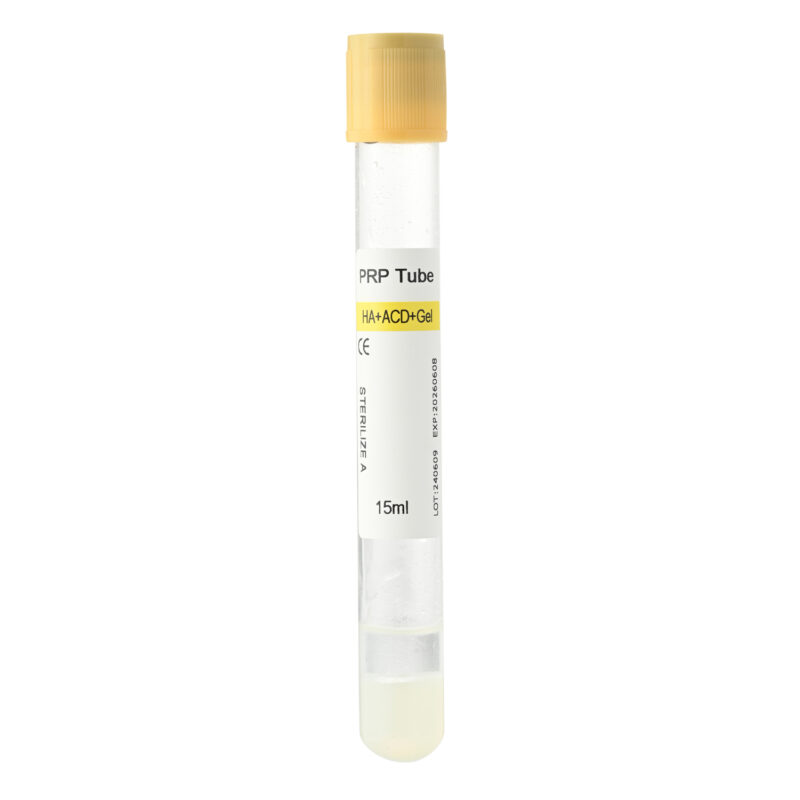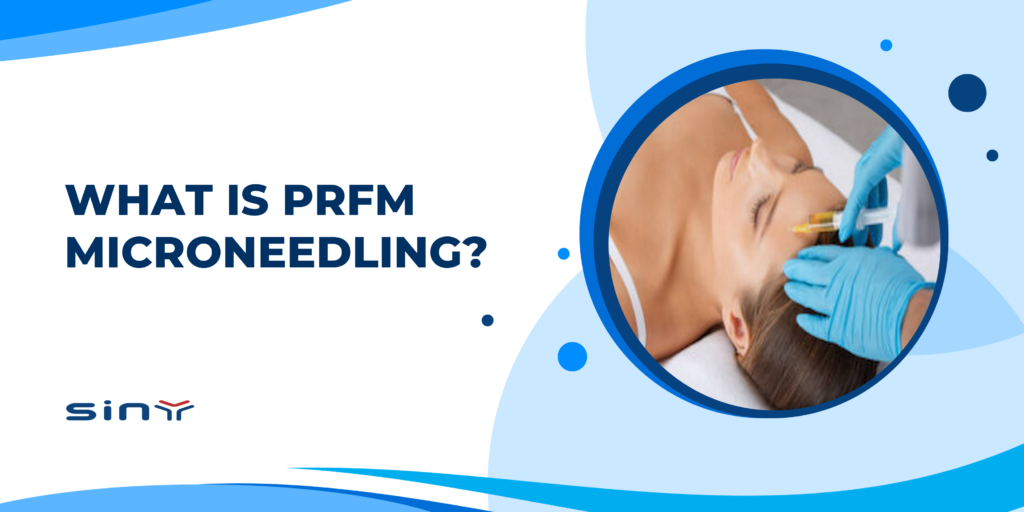
When exploring advanced skin rejuvenation and regenerative therapies, one term you’ll often encounter is PRFM microneedling. This treatment combines microneedling — a minimally invasive technique — with Platelet-Rich Fibrin Matrix (PRFM) to enhance the body’s natural healing processes. In simple terms, PRFM microneedling leverages a patient’s own blood components to stimulate collagen production, improve skin texture, and support long-term tissue regeneration.
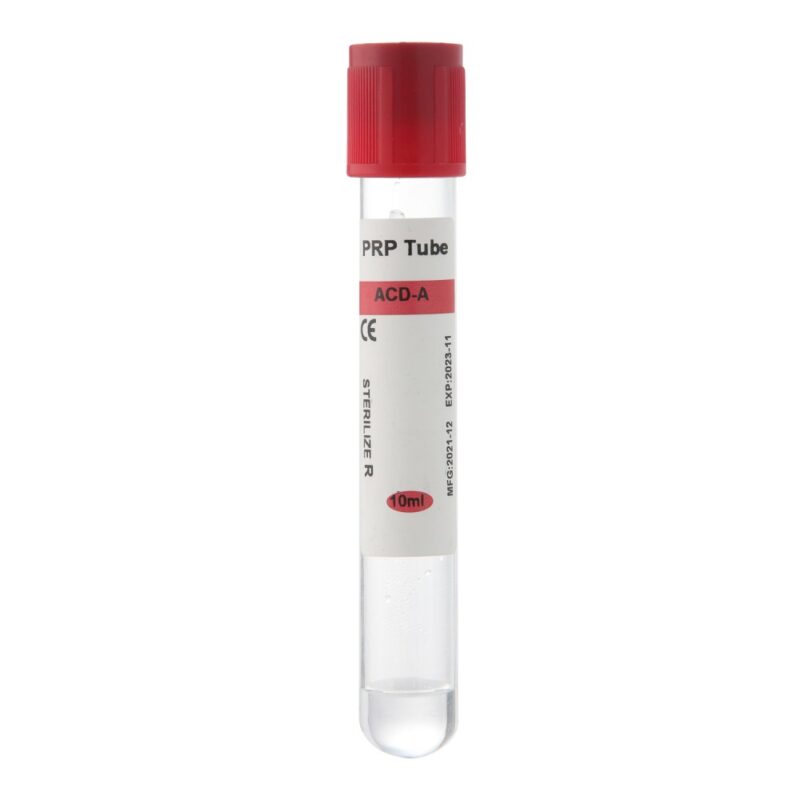
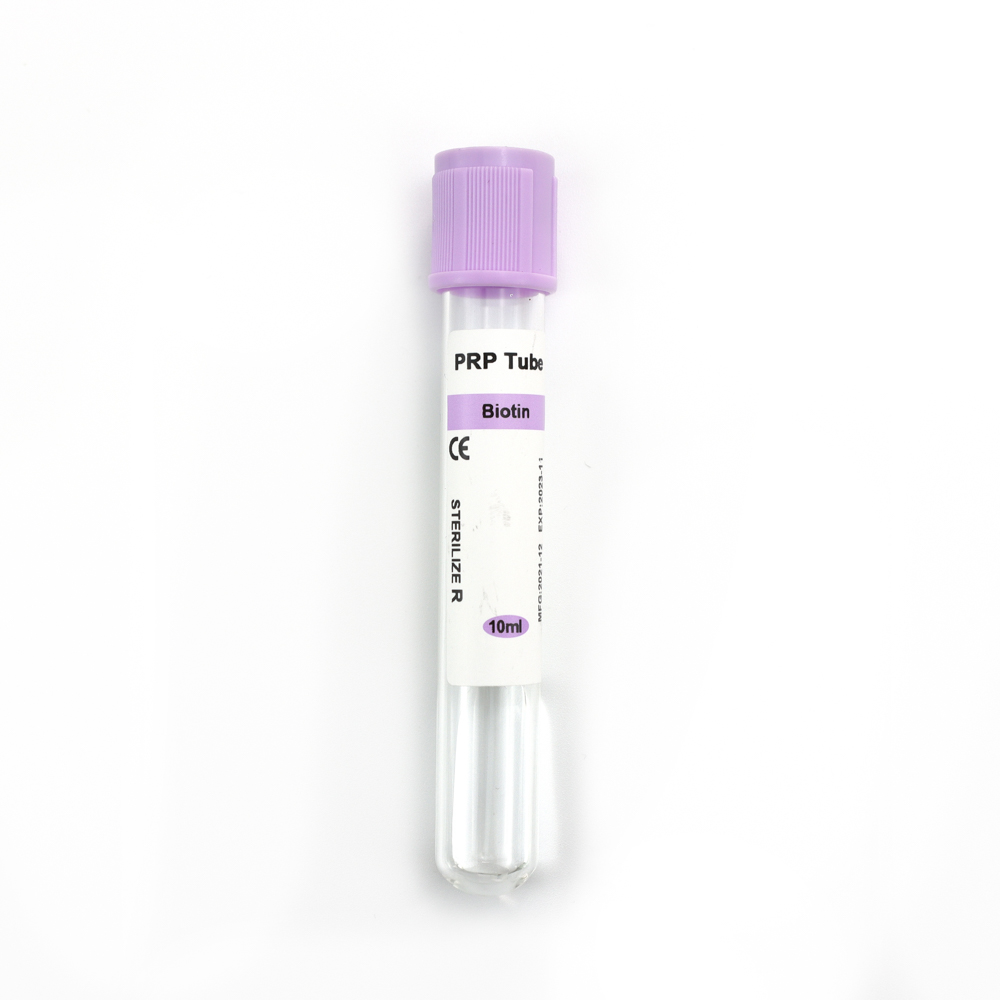
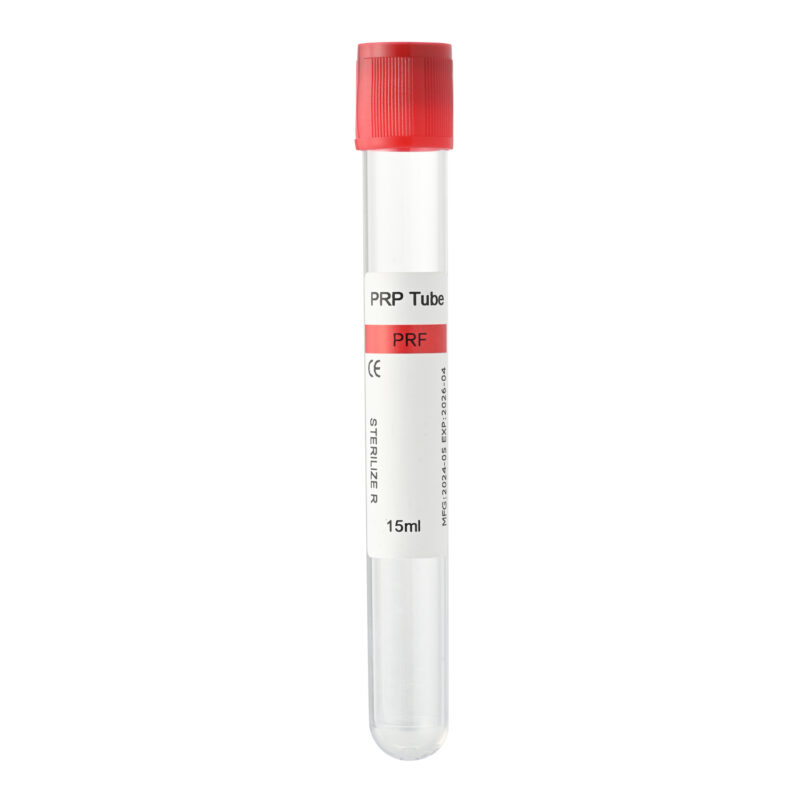
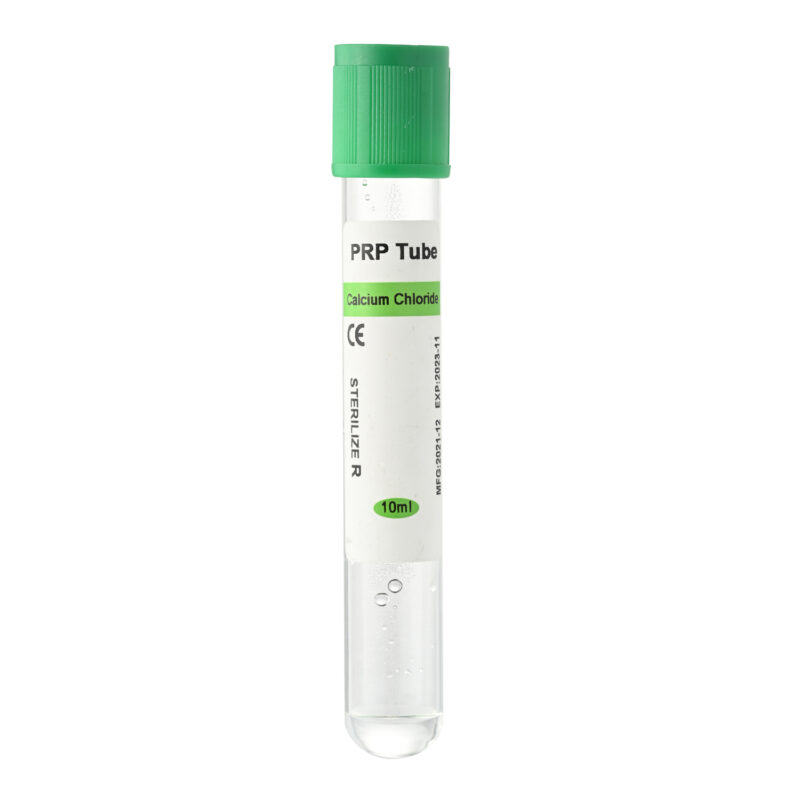
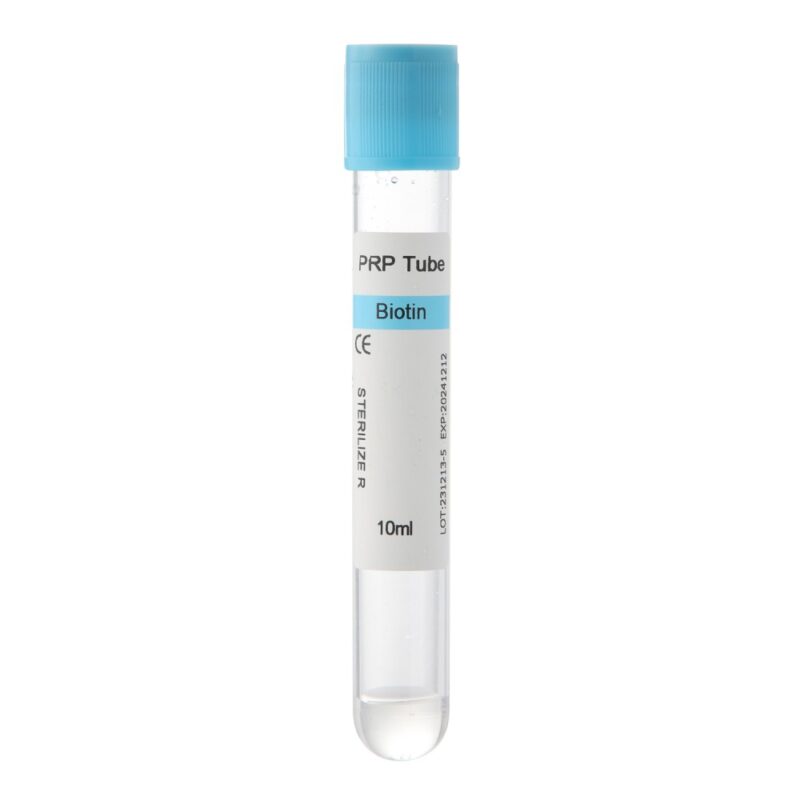
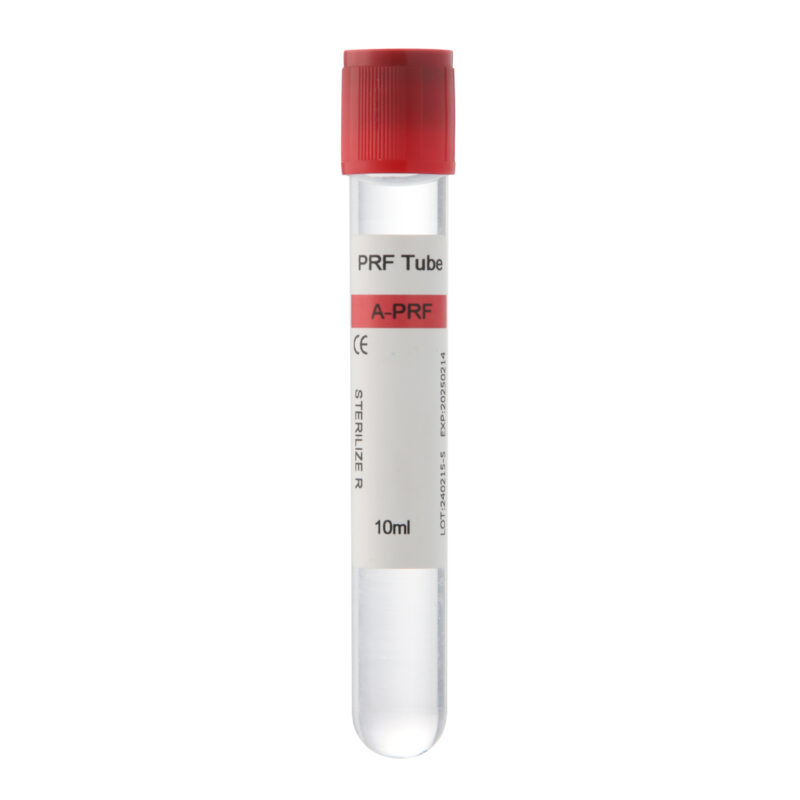
Understanding what PRFM microneedling is and how it works is especially relevant for clinics and laboratory procurement teams who must choose consumables like PRFM tubes and related supplies. With many products on the market, selecting the right preparation system is critical to achieving consistent clinical results — something that experienced suppliers such as Siny PRP can support with detailed product and technical documentation.
The Science Behind PRFM Microneedling
To grasp what PRFM microneedling is, it helps to understand its two main components:
Microneedling
Microneedling involves gently creating micro-injuries in the skin using a device equipped with fine, sterile needles. These tiny channels trigger the body’s healing response, encouraging increased cell turnover and stimulating the production of collagen and elastin. This helps improve overall skin texture, elasticity, and firmness.
Platelet-Rich Fibrin Matrix (PRFM)
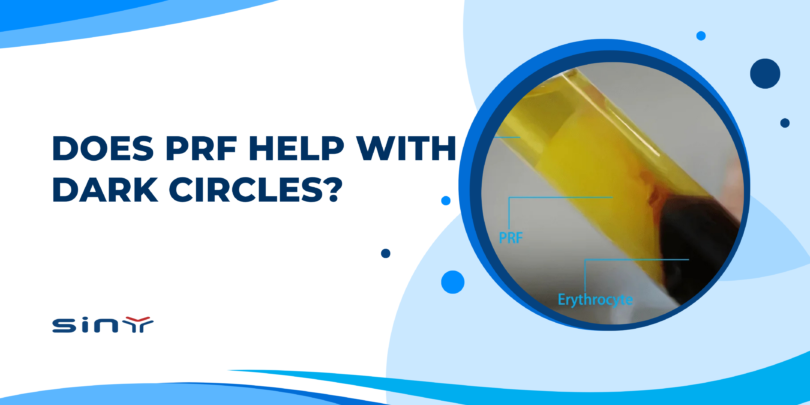
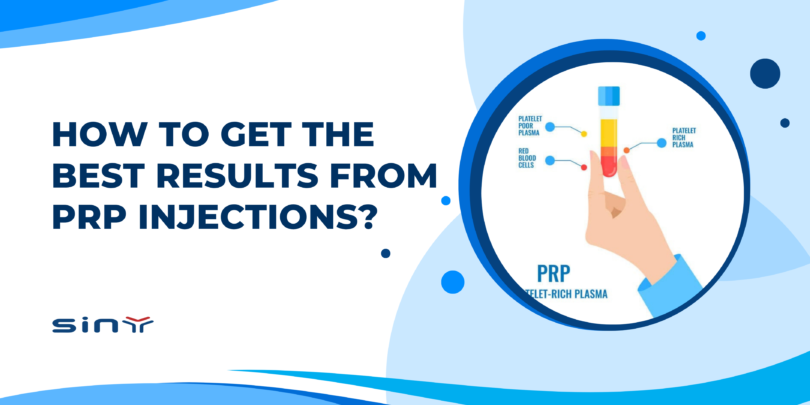
PRFM is an advanced form of platelet-rich fibrin matrix (PRFM) derived from the patient’s own blood. Unlike traditional Platelet-Rich Plasma (PRP), PRFM is processed to form a three-dimensional fibrin scaffold that holds platelets and growth factors in place, allowing them to be released gradually over time. This slow release supports prolonged regenerative activity in the treated area.
When combined, microneedling and PRFM work synergistically: the microchannels created by the needles act as pathways for growth factors and regenerative components to penetrate deeper into the dermis, enhancing the healing and rejuvenation response beyond what microneedling alone can achieve.
How PRFM Microneedling Is Performed
Understanding what PRFM microneedling is also means knowing how the procedure unfolds in a clinical setting:
- Blood Collection and PRFM Preparation
A small sample of the patient’s blood is drawn and processed in a centrifuge to isolate PRFM. This results in a fibrin-rich matrix containing concentrated platelets and growth factors. - Skin Preparation
The treatment area is cleansed and often numbed with a topical anesthetic to enhance patient comfort during the procedure. - Microneedling with PRFM Application
Microneedling is performed using a handheld device that creates controlled micro-injuries in the skin. PRFM is then applied topically or injected into selected regions, allowing the treatment solution to enter through the microchannels and act where it’s needed most. - Post-Treatment Care
After the procedure, clinicians typically recommend avoiding sun exposure, strenuous exercise, and anti-inflammatory medications to allow the body’s healing processes to work optimally.
This combined approach enhances collagen production, improves skin texture, and supports tissue regeneration with minimal downtime.
What PRFM Microneedling Is Used For
Clinics use PRFM microneedling for a variety of aesthetic and regenerative purposes. Some of the most common applications include:
Skin Rejuvenation
PRFM microneedling is widely used to improve skin tone and texture, reduce fine lines and wrinkles, and enhance overall radiance. Because PRFM contains growth factors that support natural healing, applying it during microneedling can lead to more noticeable improvements compared to microneedling alone.
Scar and Stretch Mark Improvement
The treatment can help reduce the appearance of acne scars, surgical scars, and stretch marks by stimulating collagen remodeling and tissue repair in the affected areas.
Hair Restoration
When used on the scalp, PRFM microneedling may encourage hair regeneration and support dormant follicles, contributing to increased hair density over time.
Anti-Aging Benefits
By stimulating fibroblast activity and boosting elastin and collagen synthesis, PRFM microneedling can support firmer, more resilient skin, helping address age-related texture concerns.
These applications make PRFM microneedling an attractive option for clinics seeking natural, regenerative alternatives to synthetic fillers or more invasive procedures.
Benefits and Limitations of PRFM Microneedling
Understanding what PRFM microneedling is also requires a balanced look at its advantages and potential limitations. Like any regenerative treatment, PRFM offers clear clinical benefits, but it also has constraints that clinics and patients should realistically understand.
Key Benefits of PRFM Microneedling
One of the most significant advantages of PRFM microneedling is that it uses autologous material, meaning it is derived entirely from the patient’s own blood. This greatly reduces the risk of allergic reactions, immune rejection, or long-term foreign-body complications.
Another major benefit lies in the slow-release mechanism of growth factors. The fibrin matrix acts as a natural scaffold, allowing platelets and bioactive proteins to be released gradually rather than all at once. This sustained release supports longer-lasting collagen stimulation, improved tissue remodeling, and more stable regenerative outcomes compared to short-acting platelet concentrates.
PRFM microneedling is also valued for its versatility. It can be applied to facial rejuvenation, scar revision, scalp treatments, and overall skin quality improvement. When combined with microneedling, PRFM penetrates efficiently into the dermis, maximizing the biological response without increasing invasiveness or downtime.
Potential Drawbacks and Limitations
Despite its advantages, PRFM microneedling is not without limitations. One key consideration is that results are not immediate. Because the treatment relies on natural healing and collagen regeneration, visible improvements develop gradually over several weeks. Patients expecting instant results may require proper education and expectation management.
Another limitation is outcome variability. Since PRFM is derived from the patient’s own blood, factors such as age, overall health, hydration status, and platelet concentration can influence the final quality of the fibrin matrix and clinical response.
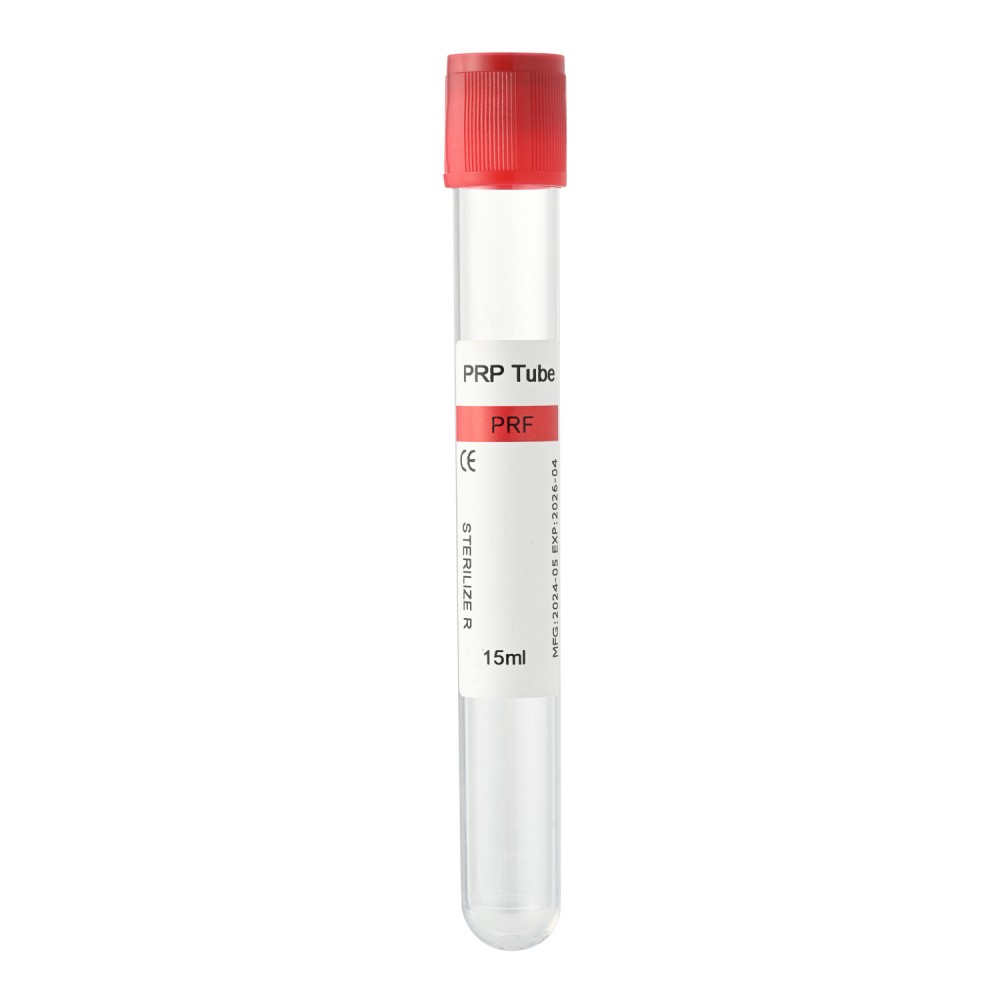
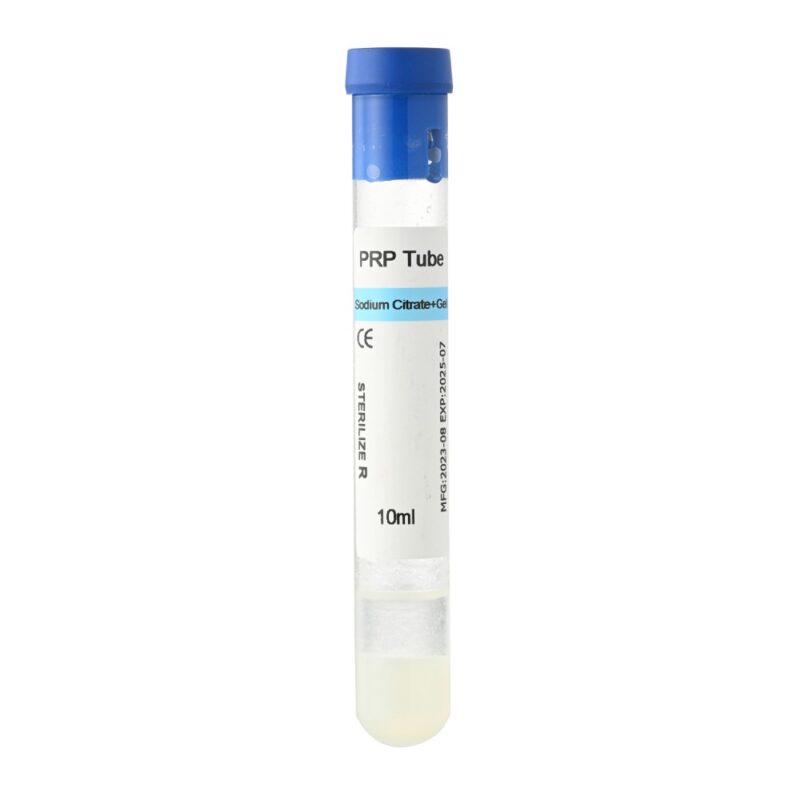
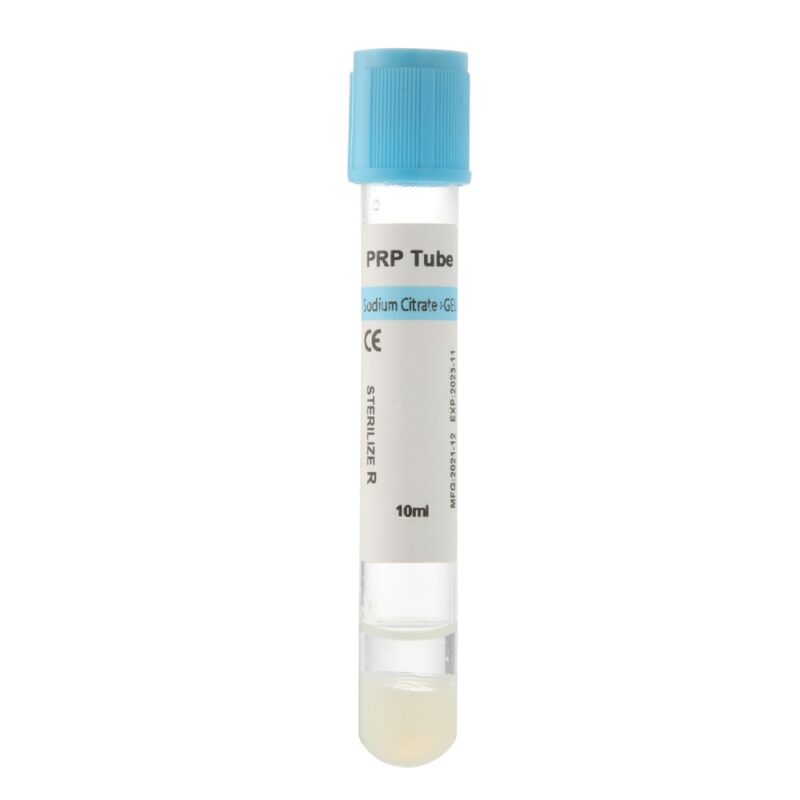
Additionally, PRFM preparation requires strict handling protocols and appropriate consumables. Inconsistent centrifugation parameters or low-quality tubes may affect fibrin structure and growth factor retention, indirectly influencing treatment consistency.
Overall, PRFM microneedling offers a strong safety profile and natural regenerative benefit. But it performs best when patient selection, clinical protocols, and preparation standards are carefully controlled.
FAQs
Q: Is PRFM microneedling painful?
Most patients report only mild discomfort during the procedure, and topical numbing agents are typically used to enhance comfort.
Q: How many treatments are recommended?
For best results, clinics often recommend a series of 2–3 sessions spaced several weeks apart, with maintenance treatments yearly depending on patient goals.
Q: What is the downtime after PRFM microneedling?
Downtime is minimal for most patients, with mild redness or swelling that generally subsides within a few days.
Q: How long do the results last?
Improvements in skin texture and tone may continue to develop for several weeks as collagen production increases.
Q: Can PRFM microneedling be combined with other treatments?
Yes. PRFM microneedling can be combined with other aesthetic modalities to enhance results. Clinicians typically tailor combinations based on individual patient needs.
Summary
In summary, PRFM microneedling is an advanced regenerative therapy that combines microneedling with Platelet-Rich Fibrin Matrix derived from a patient’s own blood. By leveraging the body’s natural growth factors and controlled micro-injuries, this treatment stimulates collagen production, improves skin texture, and supports tissue regeneration across multiple aesthetic concerns.
Choosing high-quality PRFM consumables and processing systems helps ensure consistent preparation and supports reliable clinical outcomes. For clinics and practices looking to refine their regenerative protocols or evaluate PRFM tube options, resources and support are available through Siny PRP.