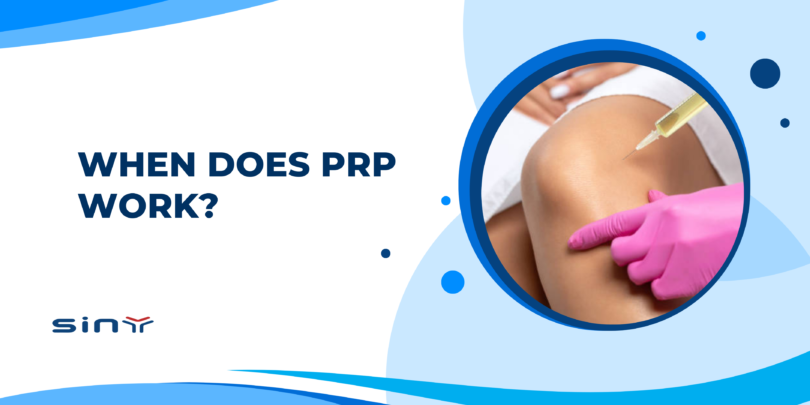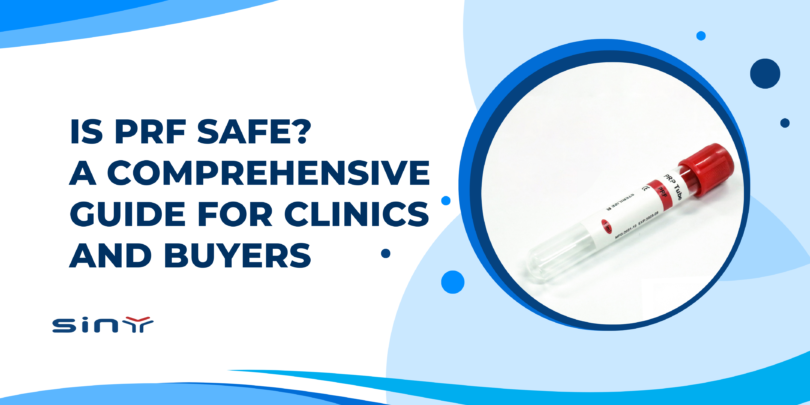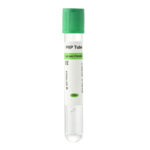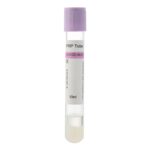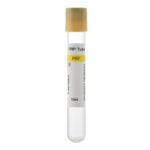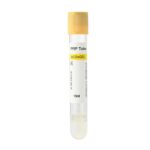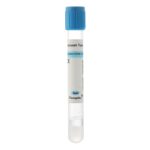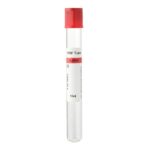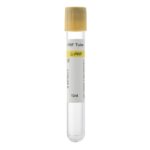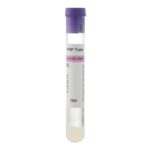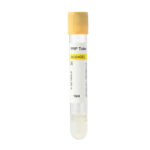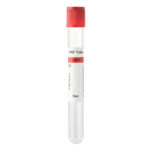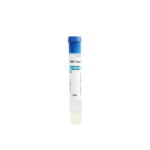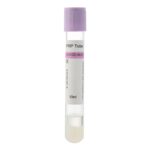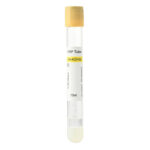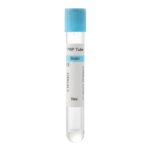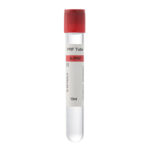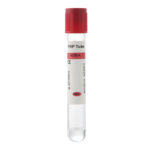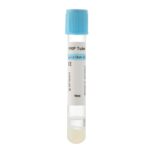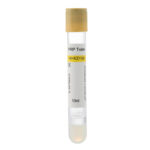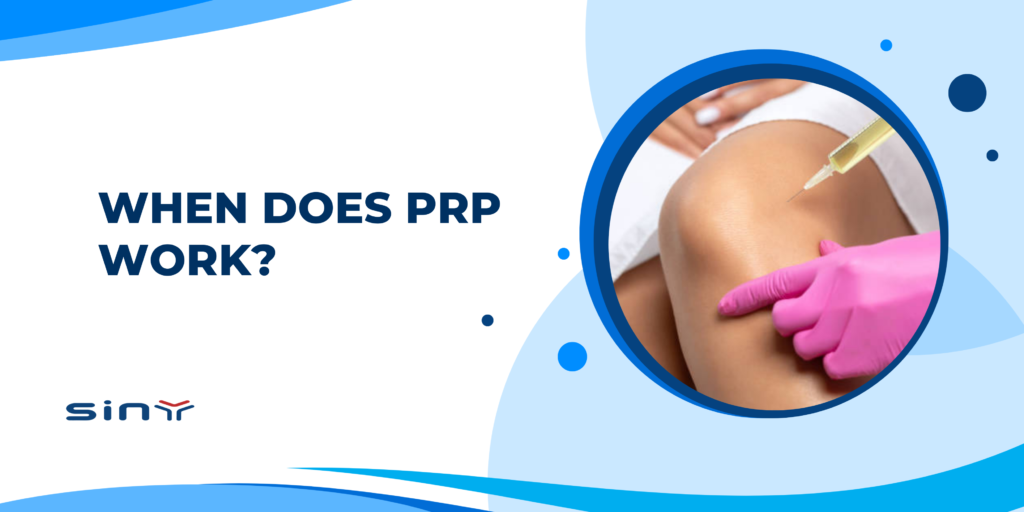
When does PRP work? This is one of the most frequently asked questions by clinicians, clinics, and procurement teams when evaluating Platelet-Rich Plasma (PRP) systems. PRP has become a mainstream regenerative therapy in dermatology, orthopedics, dentistry, and aesthetics; however, outcomes depend on timing, preparation, and—critically—the quality of the PRP tubes and the processing workflow.
What Is PRP and Why Does It Matter?
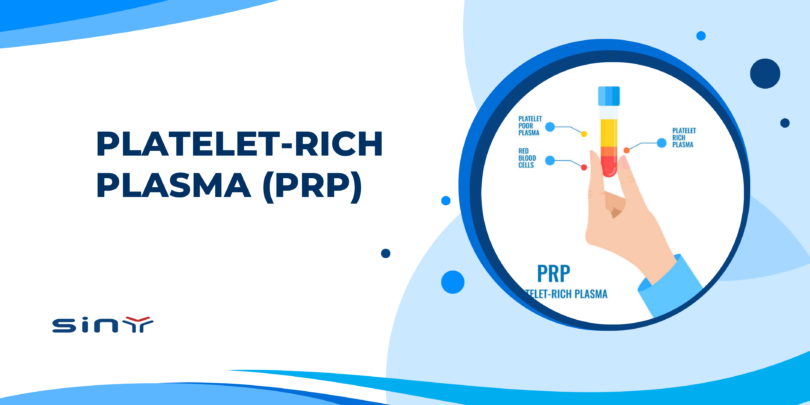
Platelet-Rich Plasma (PRP) is an autologous blood product derived from a patient’s own blood, concentrated to contain a high level of platelets and growth factors. These platelets release bioactive proteins that stimulate tissue repair, collagen production, angiogenesis, and cell proliferation.
The basic workflow includes:
- Blood collection in specialized PRP tubes
- Centrifugation to separate plasma and platelets
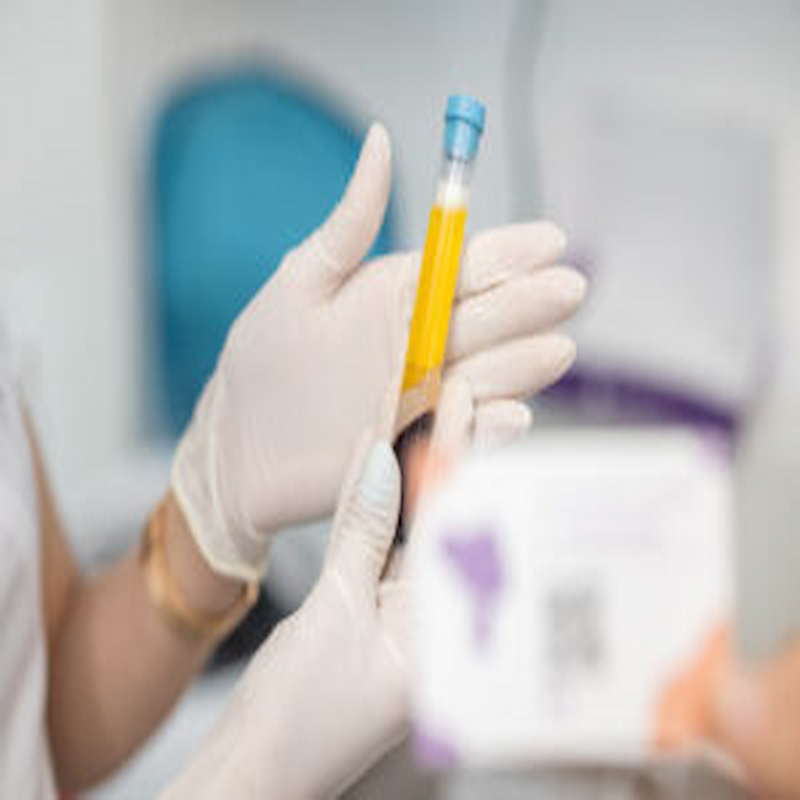
- Extraction of platelet-rich plasma
- Injection or topical application
PRP has become popular for:
- Hair restoration
- Skin rejuvenation
- Orthopedic injuries
- Dental and oral surgery
- Sports medicine
Because PRP is derived from the patient’s own blood, clinicians generally consider it safe with minimal risk of allergic reaction. However, its effectiveness depends heavily on how clinicians prepare PRP—and that process starts with the tube.

When Does PRP Work? Understanding the Timeline of Results
When does PRP work depends on the biological response of the tissue and the indication being treated. PRP is not an instant fix; it triggers a cascade of healing processes that take time.
Immediate Phase (0–7 Days)
- Platelets release growth factors such as PDGF, TGF-β, VEGF, and IGF.
- Inflammation and tissue signaling begin.
- Patients may experience mild swelling or redness.
Early Healing Phase (2–6 Weeks)
- Fibroblast activation and collagen synthesis start
- Improved blood flow and tissue remodeling
- Subtle improvements in skin texture, pain reduction, or hair follicle stimulation
Visible Results Phase (3–6 Months)
- Most clinical studies report visible results in this period.
- Hair regrowth, improved skin tone, or joint function becomes noticeable.
- Clinicians often require multiple sessions.
Clinical experts commonly note that PRP results for hair or skin typically appear after three to six months, with maintenance sessions recommended afterward.
The takeaway: PRP works gradually, and the quality of preparation significantly affects the speed and consistency of outcomes.
Why Tubes and Workflow Matter
The PRP preparation process is deceptively simple but technically sensitive. Variations in tube design, anticoagulant composition, gel separators, and centrifugation protocols can change platelet concentration by several-fold.
Standard PRP Workflow
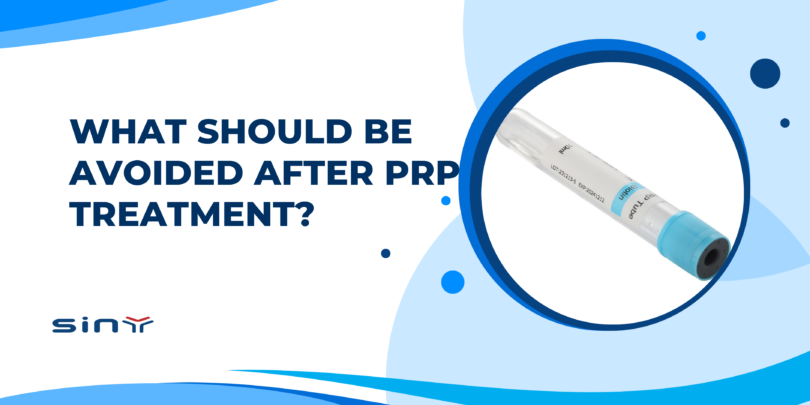
- Blood Draw: Whole blood is collected into sterile PRP tubes containing anticoagulants or separators.
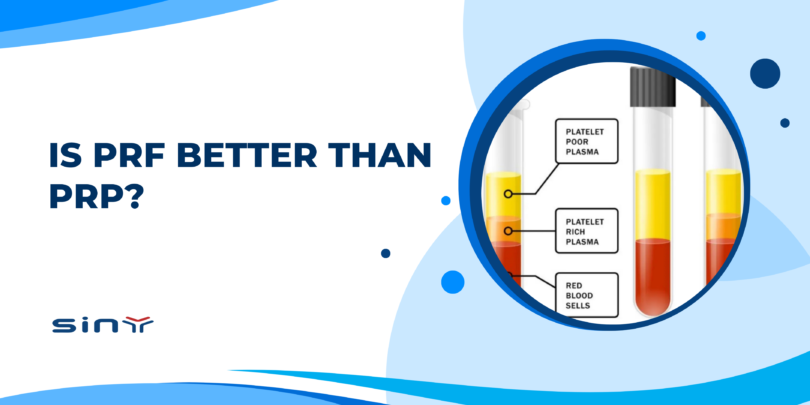
- Centrifugation: Blood is spun to separate red cells, buffy coat, and plasma layers.
- Extraction: The platelet-rich layer is collected for injection.
- Injection or Application: PRP is delivered to the target tissue.
Why PRP Tubes Matter
- Tube materials influence platelet activation.
- Separator gels affect plasma purity.
- Vacuum stability affects sample consistency.
- Sterility and certification impact clinical safety
Low-quality tubes can lead to:
- Inconsistent platelet concentration
- Contaminated plasma
- Reduced growth factor yield
- Regulatory compliance risks
For clinics and distributors, sourcing from a reliable manufacturer like Siny PRP ensures reproducibility, traceability, and regulatory alignment—without sounding like a sales pitch, this is simply risk management.
To review technical specifications and certifications, visit the Siny PRP product page or contact the team for documentation.
Benefits of PRP Therapy Across Medical Fields
PRP’s popularity stems from its versatility and biological mechanism. Because platelets release growth factors, PRP can stimulate natural healing rather than masking symptoms.
Key Benefits
- Autologous and biocompatible: Minimal immune reaction risk
- Promotes tissue regeneration: Enhances collagen, cartilage, and skin renewal
- Non-surgical approach: Minimally invasive with short downtime
- Adjunct therapy: Clinicians can combine PRP with microneedling, lasers, or surgery.
PRP is widely used in:
- Dermatology (skin rejuvenation, scars, alopecia)
- Orthopedics (tendon and ligament injuries)
- Dentistry (implantology, periodontal regeneration)
- Sports medicine
The expanding clinical applications have increased global demand for standardized PRP consumables and laboratory disposables.
Risks, Limitations, and Why Product Quality Is Critical
Although PRP is generally safe, outcomes vary. Common risks include:
- Temporary pain or swelling
- Infection can occur if clinicians compromise sterility
- Variable results depending on platelet concentration
The biggest hidden risk is poor-quality consumables. Substandard tubes can lead to contamination, inaccurate separation, and inconsistent therapeutic dosing.
Why Choosing a Reliable Supplier Matters
- Compliance with ISO and CE/FDA requirements
- Batch traceability and quality control
- Consistent platelet yield
- Technical documentation for clinical and distributor audits
Procurement teams often compare multiple PRP tube suppliers, but not all products are created equal. Evaluating manufacturing standards, sterility validation, and customer support can prevent downstream clinical failures.
If you’re comparing options, reviewing Siny PRP’s manufacturing and QA documentation can help streamline your supplier selection process.
Post-PRP Care and How It Affects Results
Even with perfect preparation, post-treatment care influences when PRP works and how well it performs.
Typical Aftercare Recommendations
- Avoid anti-inflammatory medications for 1–2 weeks.
- Limit intense exercise for 24–72 hours.
- Stay hydrated and maintain a balanced diet.
- Follow the clinician’s guidance for repeat sessions.
Most protocols recommend a series of 3–4 sessions spaced several weeks apart, with maintenance treatments annually or biannually.
FAQs
1. When does PRP work for hair growth?
Hair regrowth usually becomes noticeable after 3–6 months, with multiple sessions needed for optimal results.
2. When does PRP work for skin rejuvenation?
Skin texture and tone improvements may begin within 4–6 weeks, with progressive benefits over several months.
3. How many PRP sessions are needed?
Most protocols suggest 3–4 initial sessions, followed by maintenance treatments.
4. Does PRP work for everyone?
Results vary depending on age, health, condition severity, and PRP preparation quality.
5. Why are PRP tubes important for treatment success?
PRP tubes affect platelet concentration, sterility, and plasma purity—directly impacting clinical outcomes.
Final Thoughts
Understanding when does PRP work is not just about patient expectations—it’s about process control. From centrifugation parameters to consumable quality, every step affects platelet yield and therapeutic efficacy.
Clinics, distributors, and laboratories sourcing PRP tubes should prioritize reliability, certification, and reproducibility over price alone. Selecting a trusted manufacturer reduces variability and strengthens clinical credibility.
If you want to compare technical parameters or request samples, explore the Siny PRP product catalog or reach out to their technical team for support.