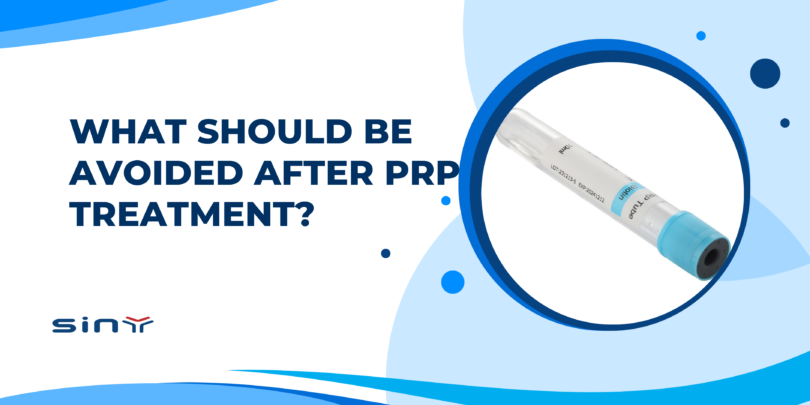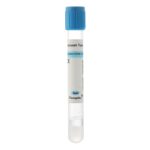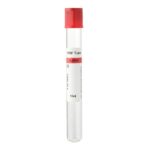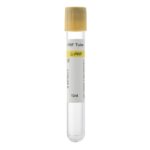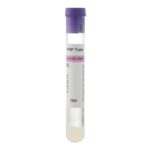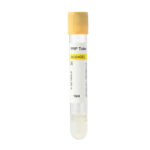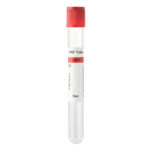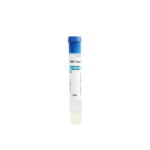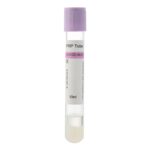
Platelet-rich plasma therapy has become increasingly popular in aesthetics, orthopedics, and regenerative medicine because it uses the patient’s own blood components to stimulate healing. Naturally, many patients ask what to eat before PRP treatment to maximize outcomes, but clinicians and procurement specialists also need to understand how preparation, materials, and equipment quality interact to influence results. Nutrition, hydration, and platelet health directly affect plasma concentration, while the quality of PRP collection tubes determines separation efficiency and clinical consistency.
If you are preparing for treatment—or sourcing consumables for a clinic—understanding both biological preparation and device selection is essential for predictable performance. Throughout this guide, we will explore dietary recommendations, preparation steps, procedural workflow, and how choosing reliable PRP systems, such as those available through Siny PRP, can impact clinical success.
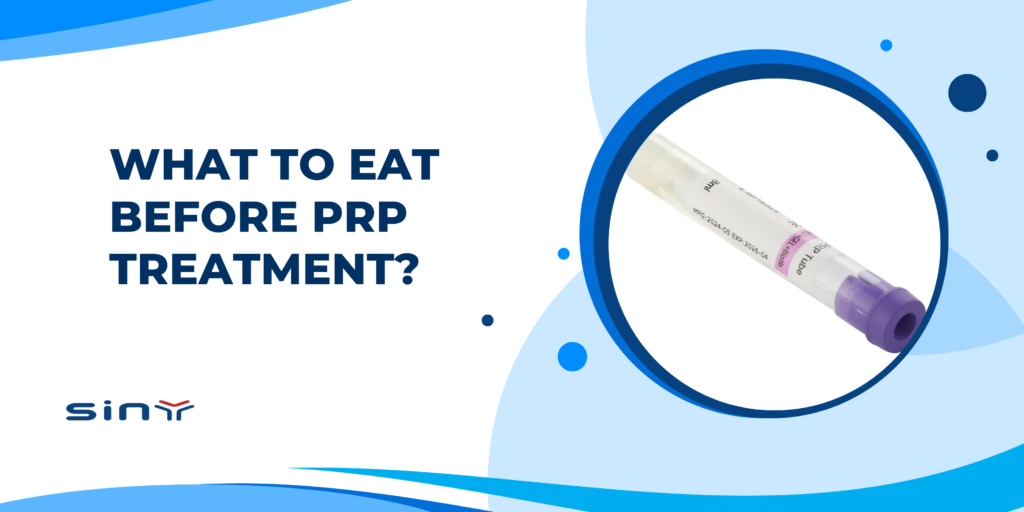
What to Eat Before PRP Treatment?
When discussing what to eat before PRP treatment, the primary goal is to optimize platelet function and plasma quality. Platelets contain growth factors that drive tissue repair, so diet choices in the days leading up to therapy can influence therapeutic potential.
A balanced, anti-inflammatory diet is generally recommended. Foods rich in vitamin C—such as citrus fruits, berries, bell peppers, and leafy greens—support collagen synthesis and immune function, which complements PRP’s regenerative mechanism. Protein intake is equally important because amino acids are necessary for tissue repair; lean meats, fish, eggs, legumes, and dairy are commonly suggested. Hydration is another key factor, as adequate fluid intake improves blood volume and facilitates smoother blood collection during the procedure.
Patients are usually advised to avoid alcohol, excessive caffeine, and highly processed foods before treatment because these can contribute to inflammation or dehydration. Some clinicians also recommend reducing sugar intake, as elevated glucose levels may impair the healing response.
From a clinical operations perspective, practitioners often notice that patients who follow proper pre-treatment nutrition guidelines yield better plasma quality during centrifugation. However, even with ideal patient preparation, inconsistent consumables can compromise results. That is why many clinics prioritize sourcing high-quality PRP kits and tubes from specialized suppliers, such as Siny PRP, to ensure reliable platelet concentration.

Pre-Procedure Preparation Beyond Diet: Medications, Lifestyle, and Timing
Understanding what to eat before PRP treatment is only one part of preparation. Medication management and lifestyle adjustments are equally critical because certain substances can interfere with platelet activity.
Non-steroidal anti-inflammatory drugs (NSAIDs), aspirin, and blood-thinning medications are commonly restricted before PRP therapy, as they may inhibit platelet function. Patients should always follow the physician’s guidance regarding medication discontinuation timelines. Smoking and alcohol consumption are also discouraged because they can impair circulation and cellular regeneration.
Sleep quality and stress management play a surprisingly important role. Platelet activation and immune response are influenced by systemic health, so adequate rest before the procedure can support better outcomes. Moderate exercise is typically acceptable, but strenuous activity immediately before treatment is often avoided to reduce inflammation markers.
For clinics performing PRP procedures, standardized patient preparation protocols improve consistency across cases. Yet another factor affecting repeatability is the equipment used for blood collection and centrifugation. Using validated PRP tubes with appropriate anticoagulants and separation gels helps reduce variability, which is why many professionals choose to work with established manufacturers such as Siny PRP for dependable supply chains.
PRP Procedure Overview: From Blood Collection to Injection
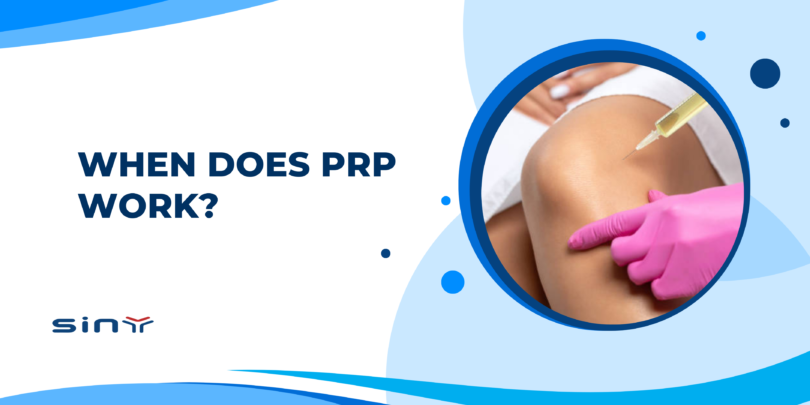
To fully understand what to eat before PRP treatment, it helps to know how the therapy works. The procedure typically involves three main stages: blood collection, centrifugation, and reinjection.
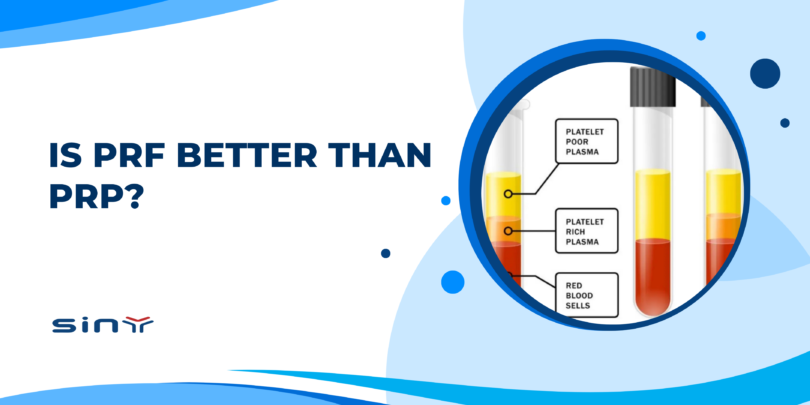
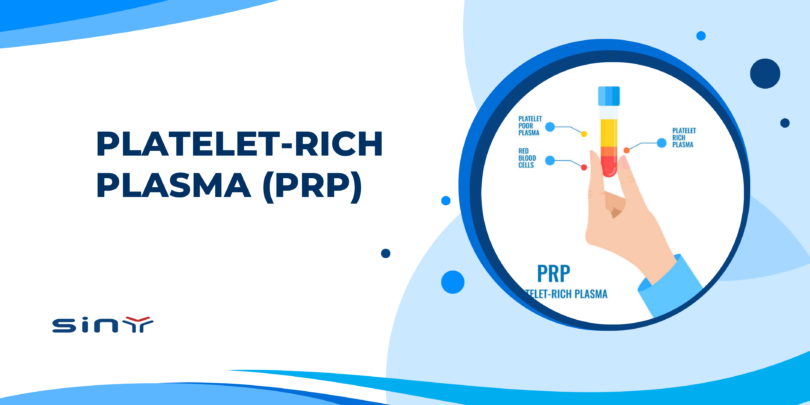
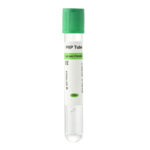
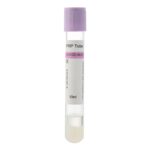
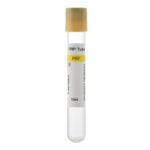
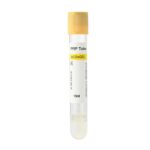
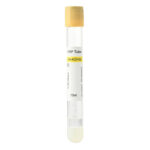
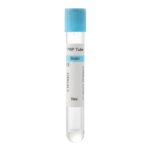
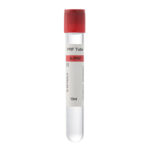
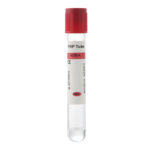
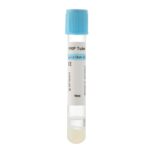
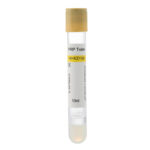
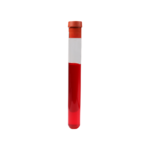
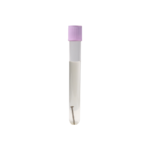
First, a small volume of the patient’s blood is drawn into specialized PRP tubes containing anticoagulants. These tubes are then placed in a centrifuge to separate the layers of red blood cells, platelet-poor plasma, and platelet-rich plasma. The concentrated platelet fraction is extracted and injected into the targeted treatment area, such as skin, scalp, joints, or tendons.
The efficiency of this separation process depends heavily on tube design, anticoagulant formulation, and centrifugation compatibility. Poor-quality tubes may result in inconsistent platelet yield or contamination between layers, ultimately affecting therapeutic effectiveness. Therefore, while patient nutrition and preparation matter, the medical devices used in the process are equally influential.
Clinics seeking reliable outcomes often evaluate suppliers based on manufacturing standards, regulatory compliance, and product consistency. Exploring professional-grade PRP consumables through trusted providers like Siny PRP can help practitioners maintain procedural quality while reducing operational risks.

Clinical Applications of PRP Therapy and Why Preparation Matters
PRP therapy is widely used across multiple medical and aesthetic fields, including facial rejuvenation, hair restoration, orthopedic injuries, dental surgery, and wound healing. In each application, platelet concentration and growth factor release are central to treatment success.
This is why the question of what to eat before PRP treatment extends beyond patient curiosity—it directly relates to biological optimization. Proper nutrition supports platelet health, while high-quality preparation systems ensure accurate separation and delivery.
For procurement professionals, the challenge often lies in selecting among numerous PRP products on the market. Differences in tube materials, anticoagulants, gel separators, and manufacturing standards can significantly impact clinical outcomes. Establishing partnerships with specialized manufacturers not only improves reliability but also simplifies inventory management and regulatory compliance. If you are evaluating suppliers, reviewing product specifications, and consulting with experienced providers such as Siny PRP can be a valuable step.
Choosing the Right PRP Supplier: A Critical Factor for Consistent Results
Even when patients follow all recommendations regarding what to eat before PRP treatment, inconsistent consumables can undermine outcomes. Reliable suppliers provide standardized manufacturing, quality control testing, and documentation that support clinical use.
When selecting a PRP supplier, key considerations include:
- Regulatory certifications and compliance standards
- Consistency of platelet recovery rates
- Compatibility with centrifuge systems
- Sterility assurance and packaging quality
- Technical support and logistics reliability
Clinics that invest in dependable PRP systems often experience fewer procedural complications and higher patient satisfaction. If you are exploring procurement options, reviewing detailed product information, or contacting the team at Siny PRP may help you make a more informed decision.
FAQs
1. Should I fast before PRP treatment?
In most cases, fasting is not required. A light, healthy meal with adequate hydration is typically recommended unless your provider advises otherwise.
2. What foods should I avoid before PRP therapy?
Alcohol, excessive caffeine, processed foods, and high-sugar meals are commonly discouraged because they may increase inflammation or dehydration.
3. Does diet really affect PRP results?
Yes. Platelet quality and overall health status can influence plasma composition, which may impact treatment effectiveness.
4. How much water should I drink before PRP?
Proper hydration is important. Many clinicians suggest increasing water intake the day before and the day of the procedure to facilitate blood draw and plasma quality.
5. Why does the type of PRP tube matter?
PRP tubes determine how efficiently platelets are separated and preserved. High-quality tubes improve consistency and therapeutic reliability.