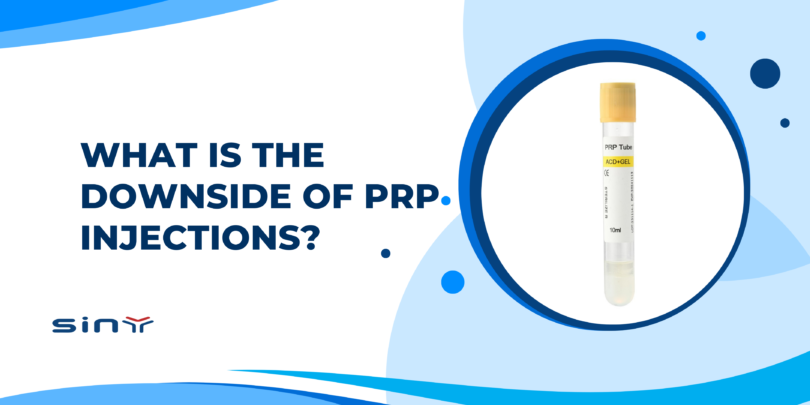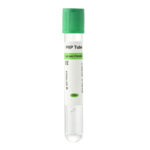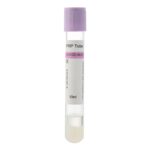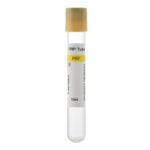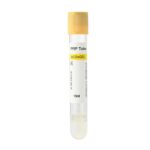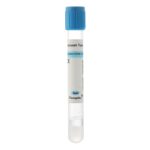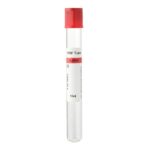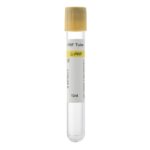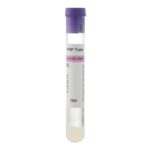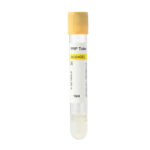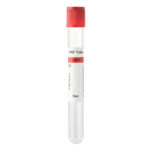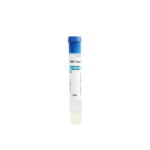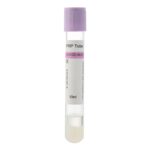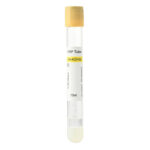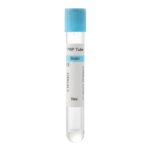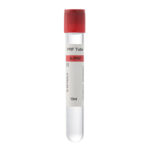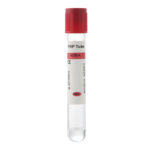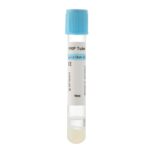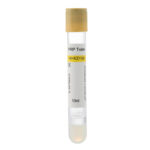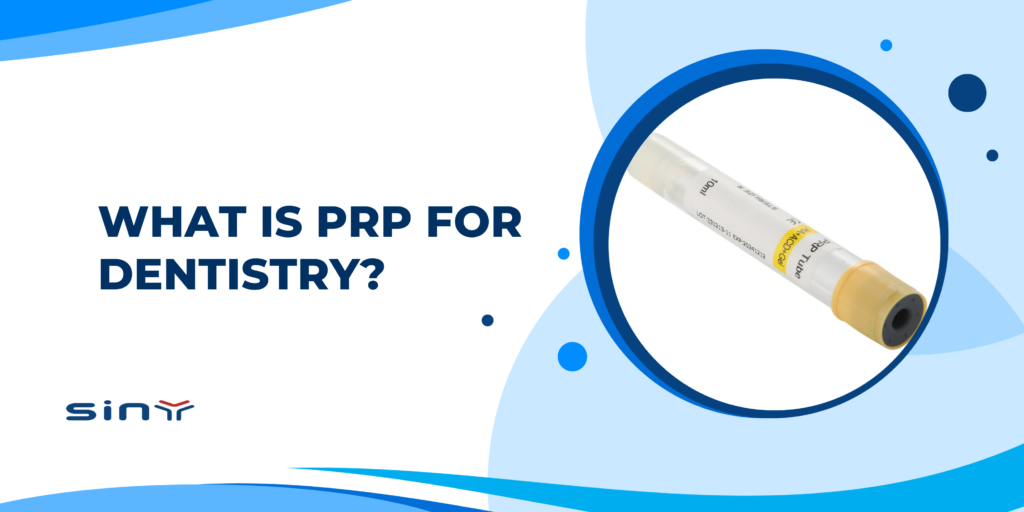
Platelet-Rich Plasma (PRP) has become a cornerstone concept in modern regenerative dentistry, so when we talk about what PRP is for dentistry, we refer to using a concentrated fraction of a patient’s own blood plasma (rich in platelets and growth factors) to support tissue healing in oral surgeries, implant placements, bone grafting, and more. With growing clinical demand and an increasing number of PRP systems and tubes on the market, choosing the right PRP tubes and supplies has become a real challenge for procurement teams. Understanding the science, workflow, and applications of PRP will help you make an informed decision — and that’s what this guide aims to provide.
What is PRP — the science behind it
PRP, or platelet-rich plasma, is an autologous plasma concentrate derived from the patient’s own blood. Compared to whole blood, PRP contains a significantly higher concentration of platelets, and these platelets carry growth factors such as PDGF, TGF-β, VEGF, and others in their alpha-granules.
When PRP is applied to a surgical site — for example, a tooth extraction socket, periodontal wound, bone graft site, or around a dental implant — these growth factors are gradually released. They stimulate cell migration, collagen formation, angiogenesis, and bone regeneration. Clinically, this can translate to faster healing, improved tissue quality, reduced inflammation, and an overall more predictable recovery process.
In simple terms: PRP enhances the body’s natural healing response by delivering a concentrated “boost” of regenerative signals exactly where they’re needed.
How is PRP prepared?
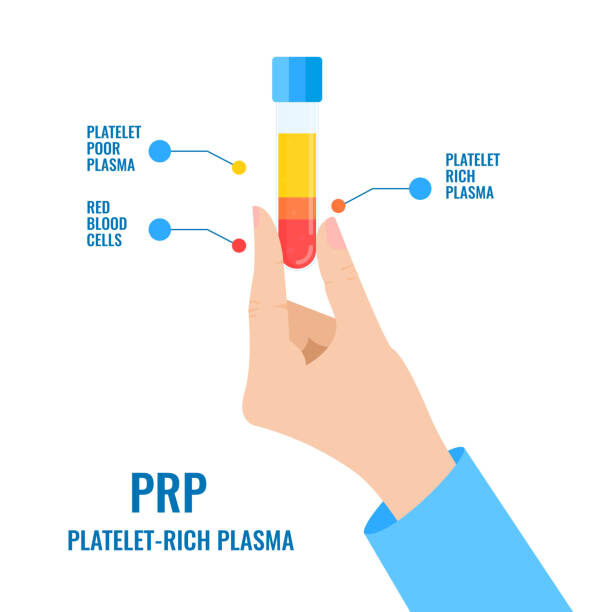
The typical PRP workflow includes drawing blood, spinning it in a centrifuge, separating layers, and extracting the platelet-rich fraction. The process usually includes:
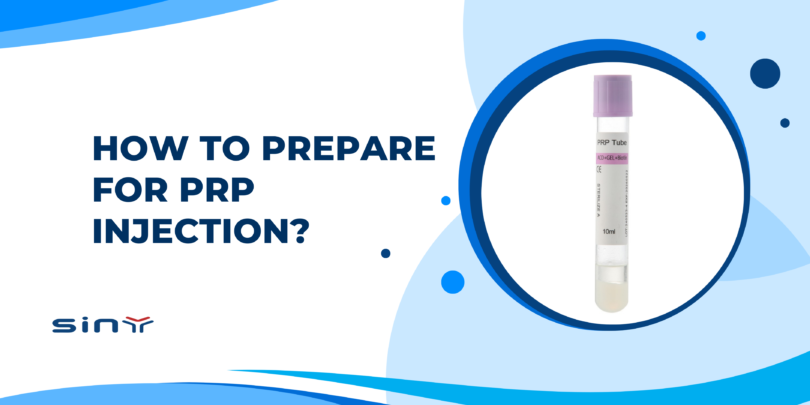
- Blood Draw: Venous blood is collected into sterile PRP tubes containing an anticoagulant and sometimes a separation gel to assist with proper fractionation.
- Centrifugation: Blood is spun at a controlled speed and for a controlled duration so its components separate into layers: red blood cells, platelet-poor plasma, and the platelet-rich buffy coat (plasma layer).
- Collection of PRP: The clinician carefully extracts the platelet-rich portion. Depending on the clinical goal, the PRP can either remain in liquid form or be activated to form a gel or membrane.
- Activation & Application: When activated with calcium chloride or similar agents, PRP forms a gel or clot. The PRP or PRP gel is then applied directly to the surgical site, either alone or combined with bone graft materials.
A key point many clinics overlook: the quality of PRP tubes and PRP kits significantly affects the biological quality of the final PRP product. Poor-quality tubes may contain unsuitable additives, produce lower platelet yields, or compromise sterility. The centrifugation parameters also depend on tube characteristics.
This is why choosing the right PRP system and reliable supplier is essential for consistent clinical outcomes. If you’d like more clarity on tube types or specifications, feel free to check the Siny PRP product page or contact us.

Clinical Applications of PRP in Dentistry
PRP is applied across many dental and maxillofacial procedures due to its regenerative capabilities. Key applications include:
Bone Grafting and Implant Dentistry
PRP supports bone formation and enhances graft stability, making it ideal for sinus lifts, ridge augmentation, socket grafting, and implant surgeries.
Tooth Extractions & Socket Preservation
PRP accelerates both soft and hard tissue healing, reducing postoperative discomfort and minimizing the risk of complications such as dry socket.
Periodontal and Soft-Tissue Procedures
PRP can support soft-tissue regeneration in periodontal defects, gingival recession coverage, flap surgeries, and guided tissue regeneration.
Oral & Maxillofacial Surgery
In reconstructive surgery or trauma cases, PRP assists in improving bone and soft-tissue regeneration, supporting faster recovery and better wound stability.
Across applications, PRP enhances healing quality, shortens recovery time, and improves patient comfort — all of which are highly valued in modern dental practice.
Why is Choosing the Right PRP Products and Supplier Crucial?
The market offers a wide variety of PRP tubes and kits, but not all of them produce the same platelet concentrations or the same level of sterility and reliability. Factors that differ among suppliers include:
- Tube material and sterility level
- Whether the anticoagulant is appropriate for PRP preparation
- Presence and type of separation gel
- Reproducibility of platelet yield
- Compatibility with your centrifuge
- Quality of activators if included
Even small variations can lead to large differences in results — and inconsistent PRP can compromise healing, negate clinical benefits, or waste time and resources.
A reliable, medically-validated PRP tube supplier ensures consistent platelet concentration and safe handling. That’s why partnering with suppliers like Siny PRP is valuable for clinics aiming for predictable results. You can always visit our product page or reach out to us for guidance or specifications.
Practical Workflow: How PRP Is Used in a Dental Clinic
A standard clinic workflow typically includes:
- Patient Assessment & Consent: Ensuring suitability for PRP use and ruling out contraindications.
- Sterile Blood Collection: Drawing a small volume of venous blood into PRP tubes.
- Centrifugation & Layer Separation: Using standardized speeds to achieve optimal platelet concentration.
- Extracting the PRP Fraction: Isolating platelet-rich plasma from platelet-poor layers.
- Activation (if needed): Mixing with calcium chloride or similar agents to produce PRP gel or membrane.
- Application During Surgery: Applying PRP to grafts, sockets, or soft-tissue sites.
- Healing & Follow-up: Monitoring tissue regeneration and recovery.
A consistent, high-quality workflow depends heavily on consistent, high-quality PRP supplies.
Limitations & Considerations
While PRP provides excellent regenerative benefits, clinicians should consider:
- Lack of universal standardization among PRP systems
- Variability in platelet concentration among patients
- Need for trained staff to ensure reliable preparation
- Variability among commercial PRP tubes and kit designs
- PRP works best as an adjunct, not always as a standalone replacement
These considerations reinforce why choosing validated products and a trustworthy supplier is essential.
FAQs
Q: Is PRP safe for dental applications?
Yes. Since PRP comes from the patient’s own blood, the risk of allergic reaction or rejection is extremely low, and sterilization protocols keep the process safe.
Q: What dental procedures benefit the most from PRP?
Implant surgery, bone grafting, sinus lifts, socket preservation, periodontal surgery, trauma repair, and most oral surgery procedures that require enhanced healing.
Q: Do all PRP kits produce the same results?
No. Platelet yield, growth factor levels, sterility, and gel formation vary widely among products. Kit quality directly affects the biological performance of PRP.
Q: Can PRP replace bone grafts or membranes?
PRP enhances healing and regeneration but usually works best combined with graft materials, membranes, or scaffolds, depending on the procedure.
Q: Is PRP expensive or complicated to use?
PRP is straightforward: draw blood, centrifuge, extract PRP, and apply. Costs mainly come from PRP tubes and staff time. High-quality kits offer better value by delivering more reliable results.
Summary
Understanding what PRP for dentistry is — its biological mechanisms, preparation steps, clinical applications, and product variations — is essential for any clinic embracing regenerative dentistry. PRP offers meaningful benefits: faster healing, better bone and soft-tissue outcomes, reduced complications, and happier patients.
However, the effectiveness of PRP depends on the quality of the preparation tubes, centrifuge protocol, and workflow consistency. Choosing a reliable supplier such as Siny PRP helps ensure reproducible platelet concentration, stable gel formation, and high-quality clinical results. You can always visit our Siny PRP product page or contact us for specs and procurement support.