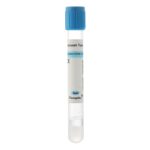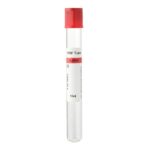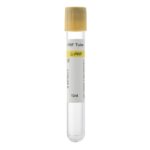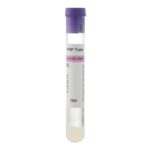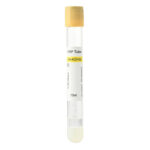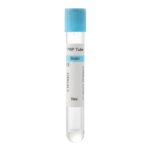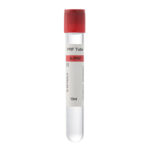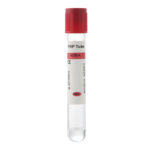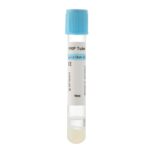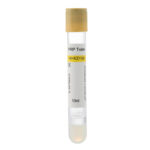
When patients and clinicians ask “PRP Treatment Duration?”, they are usually trying to balance expectations with clinical reality. Platelet-rich plasma (PRP) therapy is widely used in orthopedics, sports medicine, dermatology, and regenerative medicine, but its effects are neither instantaneous nor permanent, unlike surgical interventions.
PRP treatment duration depends on multiple variables: the patient’s condition, biological response, injection protocol, and—often overlooked—the quality of the PRP preparation process itself. For clinics and distributors sourcing PRP consumables, especially PRP tubes, understanding how treatment longevity is influenced by preparation quality is critical. With many PRP tube products available on the market, selecting the right system directly impacts treatment consistency and outcomes.
Understanding PRP therapy and treatment duration basics
PRP therapy involves concentrating a patient’s own platelets and growth factors and re-injecting them into targeted tissue to stimulate healing. The treatment duration does not refer to how long the injection takes, but rather how long the biological effects continue after administration.
Typical PRP results timeline
- Early phase (2–6 weeks): Cellular signaling and inflammation modulation begin.
- Mid phase (2–3 months): Tissue repair and regeneration accelerate.
- Peak effect (3–6 months): Functional improvement and symptom reduction are most noticeable
- Maintenance phase (6–12 months): Benefits gradually taper, depending on condition
For many musculoskeletal conditions, PRP results last 6 to 12 months, while dermatological applications such as skin rejuvenation may require maintenance sessions every few months.
It is important to understand that PRP does not “wear off” abruptly. Instead, its regenerative effects slowly diminish as tissues age or continue to experience mechanical stress. This natural biological process explains why clinicians sometimes recommend repeat treatments.
What factors influence how long PRP results last?
Clinicians cannot answer the question of PRP treatment duration with a single number because both biological and technical factors influence outcomes.
Patient-related factors
- Age and overall metabolic health
- Severity and chronicity of the condition
- Activity level and post-treatment rehabilitation
- Smoking status and systemic inflammation
Patients with early-stage conditions and better healing capacity often experience longer-lasting PRP benefits.
Treatment protocol factors
- Injection site and tissue type (joint, tendon, ligament, skin)
- Number of injections per treatment cycle
- Time interval between treatments
Preparation-related factors
PRP effectiveness is strongly linked to platelet concentration and biological activity. Inconsistent preparation can reduce growth factor release and shorten the duration of clinical benefits. This is why clinicians increasingly emphasize standardized preparation methods and reliable consumables in clinical practice.
Clinics seeking more predictable outcomes often review their preparation materials alongside treatment protocols. For those evaluating PRP consumables, product specifications and preparation compatibility can be reviewed at Siny PRP.
How PRP is produced step by step
To fully understand PRP treatment duration, it is essential to understand how PRP is prepared. The biological activity and longevity of PRP therapy are directly linked to the quality and consistency of the preparation process.
Step 1: Blood collection
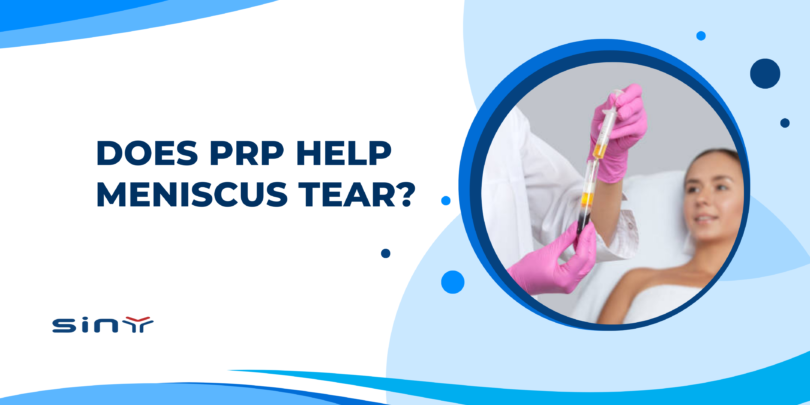
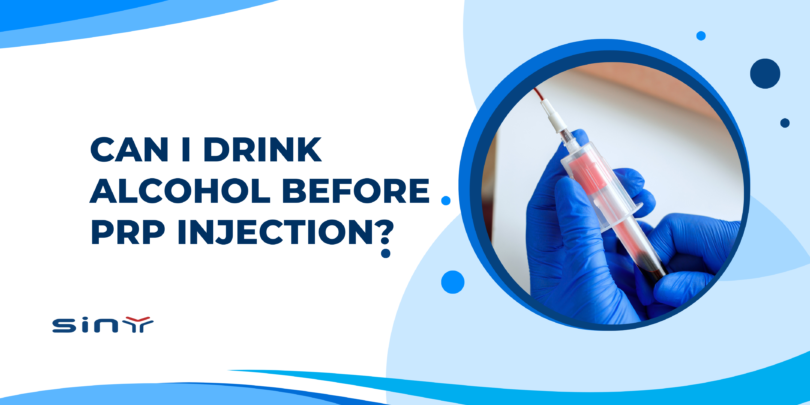
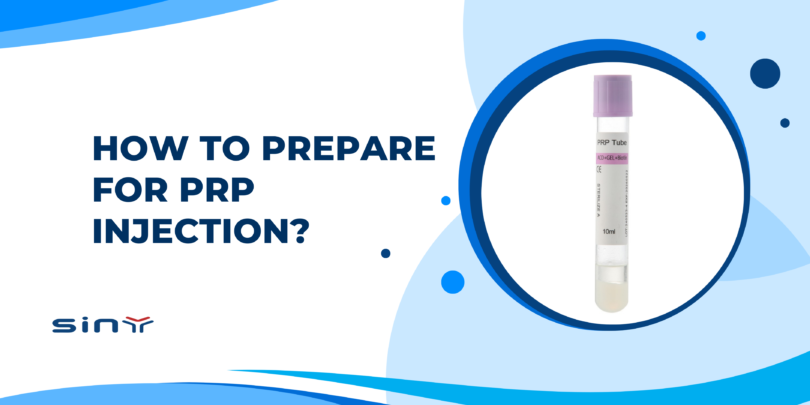
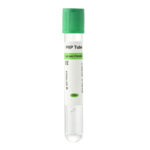
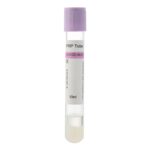
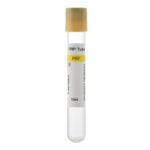
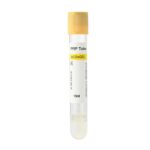
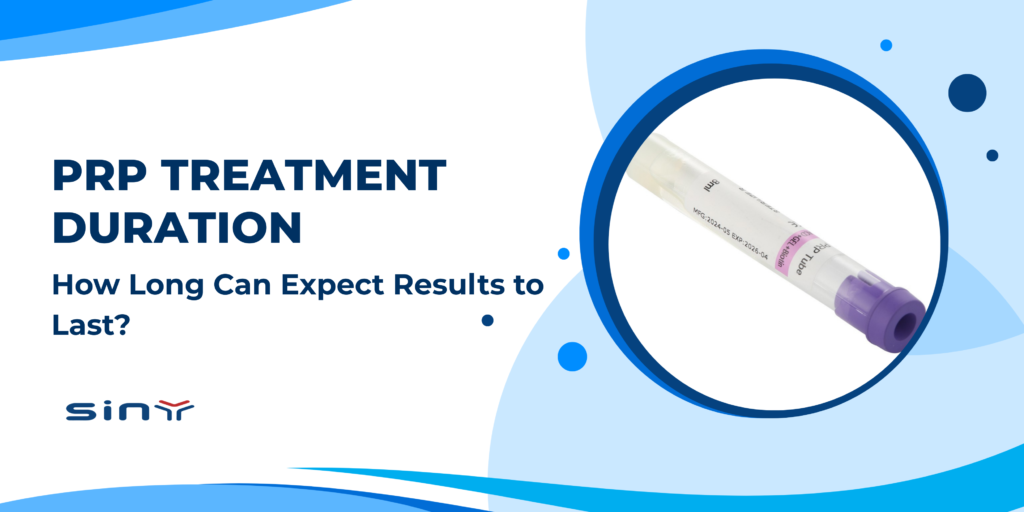
PRP preparation begins with collecting a small volume of the patient’s peripheral blood, typically 10–20 ml, into a PRP tube containing an anticoagulant. The anticoagulant prevents premature clotting and helps preserve platelet functionality during processing.
Step 2: Centrifugation
The blood-filled PRP tube is placed into a centrifuge and spun under controlled conditions. During centrifugation, blood components separate based on density:
- Red blood cells settle at the bottom.
- Platelet-rich plasma forms in the middle plasma layer
- Platelet-poor plasma remains at the top.
Precise centrifugation speed and time are essential. Improper settings may reduce platelet concentration or damage platelets, which can shorten the effective duration of PRP results.
Step 3: PRP extraction
After centrifugation, the platelet-rich plasma layer is carefully isolated using sterile technique. This fraction contains concentrated platelets and growth factors that drive tissue repair and regeneration.
Step 4: Injection or clinical application
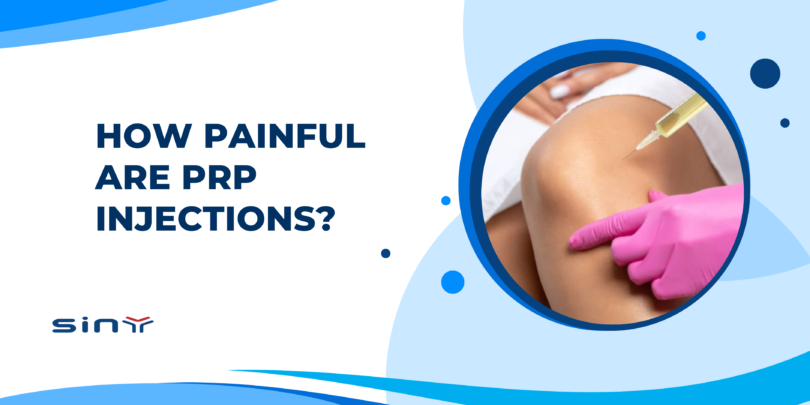
The prepared PRP is injected into the target area—such as joints, tendons, ligaments, scalp, or skin—or applied during surgical or dental procedures. Once administered, platelets release growth factors gradually, initiating a healing cascade that explains why PRP results develop over weeks and months rather than immediately.
PRP treatment duration by application area
PRP treatment duration varies depending on clinical indication and tissue type.
Orthopedics and sports medicine
For knee osteoarthritis, tendon injuries, and ligament conditions, PRP benefits often last 6–12 months, particularly when combined with rehabilitation.
Dermatology and aesthetics
In skin rejuvenation and hair restoration, PRP results are gradual and cumulative. Clinicians commonly recommend maintenance sessions every 3–6 months.
Dental and oral surgery
In dental applications, PRP primarily supports early healing and tissue regeneration rather than long-term symptom relief, but its impact during recovery is clinically valuable.
Across all applications, consistent PRP preparation supports more predictable treatment timelines. Clinics that standardize protocols and consumables typically report more stable outcomes.
Why supplier choice affects PRP treatment longevity
While PRP therapy relies on the patient’s biology, supplier quality plays a significant supporting role. Inconsistent consumables can disrupt preparation accuracy and compromise outcomes.
A reliable PRP tube supplier provides:
- Batch-to-batch product consistency
- Clear technical documentation
- Sterility and quality certifications
- Compatibility with standard centrifuges
Unstable supply or variable performance increases operational risk and may shorten PRP treatment duration. For clinics and distributors seeking long-term consistency, working with an experienced PRP consumables supplier is an important strategic decision. You can review product and technical details through Siny PRP.
FAQs
Q: How long does PRP treatment usually last?
A: Most patients experience benefits for 6–12 months, depending on condition severity and individual healing response.
Q: Does PRP need repeat injections?
A: Yes. Repeat treatments are common, especially for chronic conditions or maintenance therapies.
Q: When do PRP results become noticeable?
A: Improvements typically begin within 4–6 weeks and peak between 3–6 months.
Q: Does PRP preparation affect treatment duration?
A: Yes. Platelet concentration and preparation consistency influence biological activity and result in longevity.
Q: Are PRP tubes interchangeable?
A: No. Tube design and quality affect platelet yield, separation clarity, and preparation reliability.
Summary
Understanding PRP Treatment Duration? Requires evaluating both biological and technical factors. While patient condition and protocol matter, preparation quality plays a central role in determining how long PRP results persist.
With many PRP tubes available on the market, selecting reliable consumables is essential for achieving consistent outcomes and predictable treatment timelines. Clinics and distributors that prioritize preparation stability are better positioned to deliver long-term value.
If you are sourcing PRP tubes for clinical or distribution use, you can explore technical details or submit inquiries through Siny PRP to support your procurement decisions.