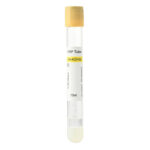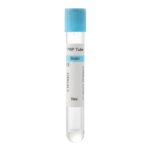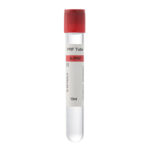
Platelet-Rich Plasma (PRP) has gained significant attention in regenerative medicine, aesthetics, orthopedics, and hair restoration. As demand grows, clinics and laboratories are also paying closer attention to PRP preparation protocols and consumables, since the quality of PRP directly influences clinical outcomes.
What Is Platelet-Rich Plasma (PRP)?
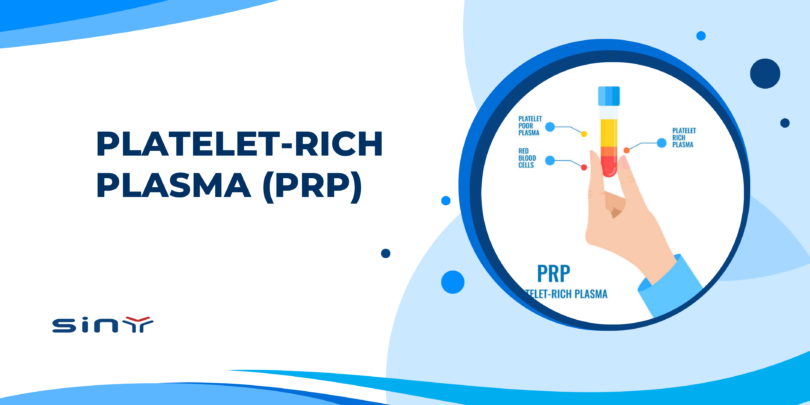
Platelet-Rich Plasma (PRP) is an autologous biological product derived from a patient’s own blood. It contains a higher-than-normal concentration of platelets suspended in plasma. Platelets are rich in growth factors and cytokines that play a key role in tissue repair and regeneration.
In PRP therapy, the clinician collects a small amount of blood, processes it to concentrate platelets, and then injects it into targeted tissues such as the scalp, skin, joints, or injured areas. Because PRP is autologous, clinicians generally consider it biocompatible and associate it with a low risk of immunological reaction.
PRP is widely used in dermatology, aesthetic medicine, sports medicine, dentistry, and wound management.
Preparation Before PRP Injection
Proper preparation before PRP injection is essential for maximizing treatment efficacy and minimizing complications. Clinics often recommend patients to:
- Stay well hydrated to improve plasma volume and blood flow.
- Avoid anti-inflammatory drugs (NSAIDs) before treatment, as they may interfere with platelet function.
- Avoid alcohol and smoking, which can affect platelet activity and circulation.
- Maintain a balanced diet to support platelet health.
From a clinical perspective, pre-treatment assessment should include medical history review, contraindication screening, and standardized consent procedures.
For clinics, standardized protocols help ensure consistent PRP quality and predictable outcomes across patients.
PRP Preparation Process
The PRP preparation process involves several controlled steps designed to isolate and concentrate platelets:
1. Blood Collection
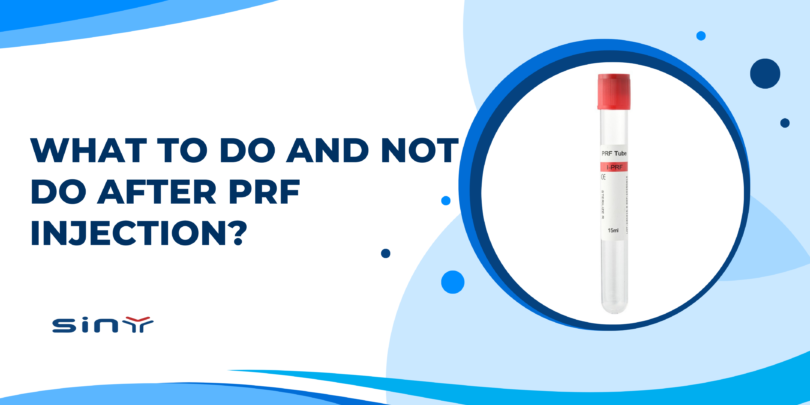
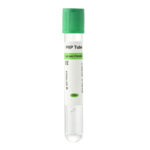
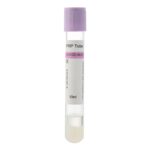
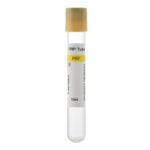
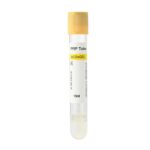
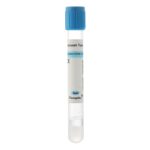
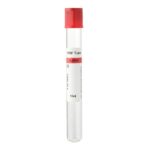
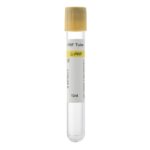
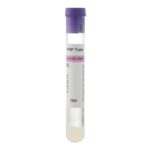
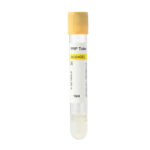
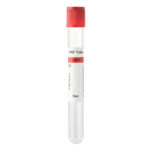
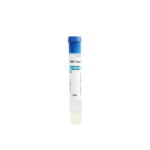
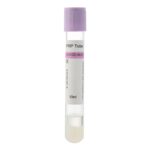
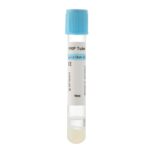
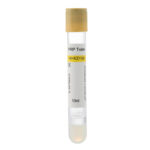
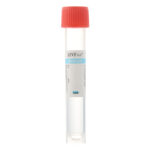
Blood is drawn into specialized PRP tubes designed to prevent clotting and preserve platelet integrity. Tube material, additives, and internal separators can influence platelet recovery and plasma purity.
2. Centrifugation
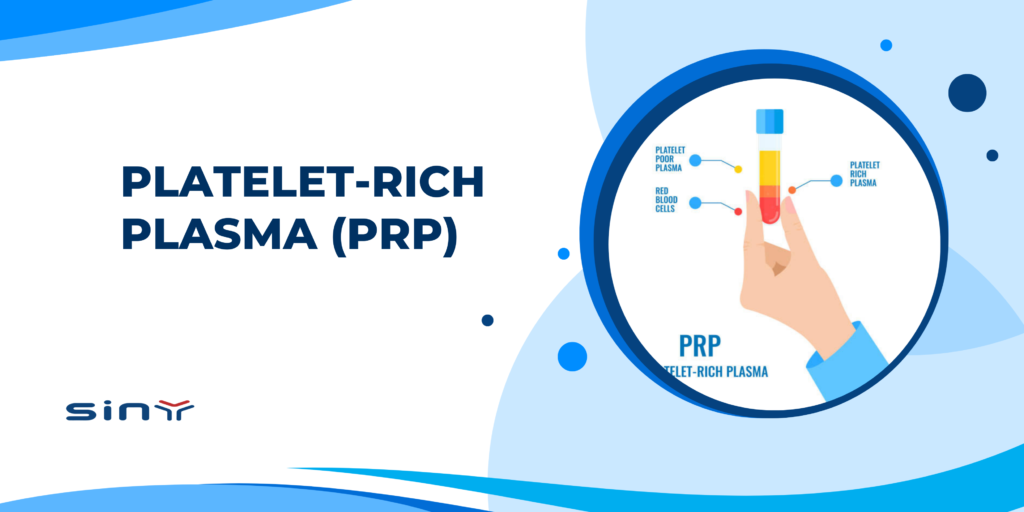
Collected blood is centrifuged to separate red blood cells, platelet-poor plasma, and platelet-rich plasma. Centrifuge speed and duration are critical parameters.
3. Platelet Concentration
The platelet-rich layer is extracted for injection. Some protocols involve single-spin or double-spin centrifugation to achieve different platelet concentrations.
4. Injection
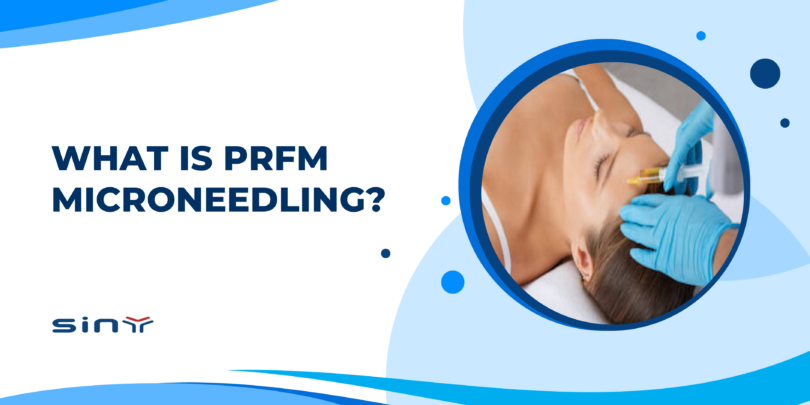
Clinicians inject PRP into the target tissue using sterile techniques, often guiding the injection with ultrasound or combining it with microneedling in aesthetic applications.
The choice of tubes, centrifuge settings, and handling technique directly affects platelet yield and growth factor concentration. Clinics often evaluate consumables and suppliers carefully to standardize their PRP workflows.
Benefits of PRP Therapy
PRP therapy offers several potential clinical benefits:
Enhanced Tissue Regeneration
Platelets release growth factors such as PDGF, TGF-β, and VEGF, which stimulate cell proliferation, angiogenesis, and extracellular matrix remodeling.
Improved Healing
PRP is used to accelerate healing in tendon injuries, surgical wounds, and chronic ulcers.
Aesthetic Improvements
In dermatology, clinicians use PRP to improve skin texture, elasticity, and tone, and they commonly include it in hair restoration protocols.
Autologous and Biocompatible
Since PRP is derived from the patient’s own blood, the risk of allergic reaction or disease transmission is minimal when prepared under sterile conditions.
For clinics, consistent PRP quality is essential to achieve reproducible clinical outcomes and maintain patient satisfaction.
Potential Risks and Limitations of PRP
Although clinicians generally consider PRP safe, it still has risks and limitations:
Injection-Related Side Effects
Patients may experience temporary pain, swelling, bruising, or redness at the injection site.
Infection Risk
Improper sterile technique or low-quality consumables can increase the risk of contamination.
Variable Clinical Outcomes
Platelet concentration and growth factor levels can vary depending on preparation protocols, equipment, and consumables.
Not Suitable for All Patients
Patients with certain blood disorders, infections, or severe medical conditions may not be candidates for PRP therapy.
This variability is why clinics increasingly standardize PRP systems and carefully select consumables and suppliers.
Post-PRP Aftercare and Recovery
Post-treatment care plays a critical role in PRP effectiveness. Common aftercare recommendations include:
- Avoid strenuous exercise for 24–48 hours.
- Avoid anti-inflammatory medications that may inhibit platelet activity.
- Maintain hydration to support tissue perfusion.
- Avoid excessive sun exposure and harsh skincare treatments in aesthetic applications.
- Follow clinic-specific protocols for scalp or skin care.
Educating patients on aftercare improves compliance and enhances treatment outcomes.
Why PRP Preparation Quality Matters for Clinics
While patient factors and clinical technique matter, PRP preparation quality is a core determinant of success. Tube design, materials, additives, and centrifugation protocols influence:
- Platelet recovery efficiency
- Plasma purity
- Consistency between treatments
- Risk of contamination
Clinics expanding PRP services often evaluate multiple PRP tube systems and suppliers to ensure reproducibility. Reviewing technical documentation or contacting manufacturers such as Siny PRP can help clinics understand performance characteristics and procurement options.
FAQs
What is PRP used for?
Clinicians use PRP in hair restoration, skin rejuvenation, orthopedics, dentistry, and wound healing.
How long does PRP preparation take?
The preparation process usually takes 15–30 minutes, depending on the protocol and equipment.
Is PRP safe?
Clinicians generally consider PRP safe when they prepare and administer it under sterile conditions, but outcomes depend on protocol quality and patient factors.
How many PRP sessions are needed?
Clinicians often recommend multiple sessions, depending on the clinical indication and patient response.
Does PRP tube quality affect results?
Yes. Tube materials and design influence platelet concentration and plasma purity, which directly affect therapeutic outcomes.
Summary
Platelet-Rich Plasma (PRP) is a versatile regenerative therapy with applications across medical and aesthetic disciplines. Its effectiveness depends on proper patient preparation, standardized processing protocols, and high-quality consumables.
For clinics and procurement teams, selecting reliable PRP tubes and suppliers is essential for consistent platelet yield and predictable clinical results. Evaluating technical specifications or contacting manufacturers such as Siny PRP can help streamline procurement decisions and support standa