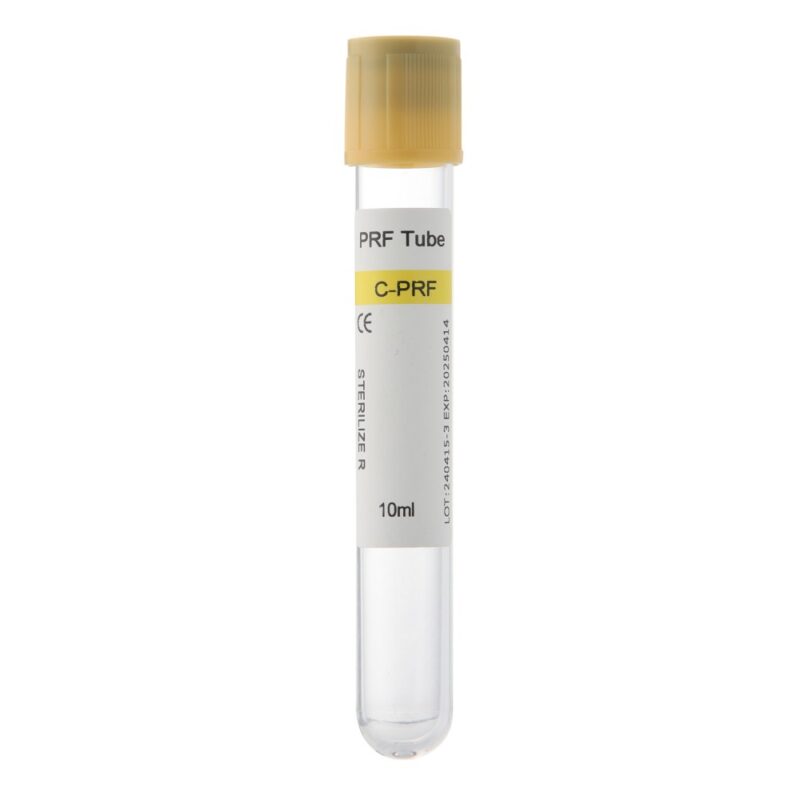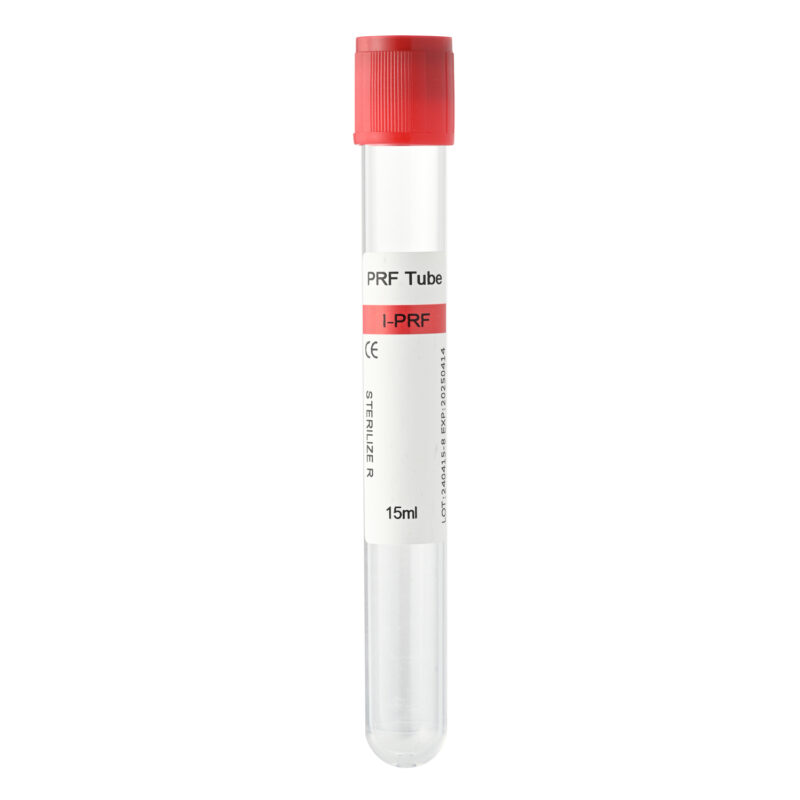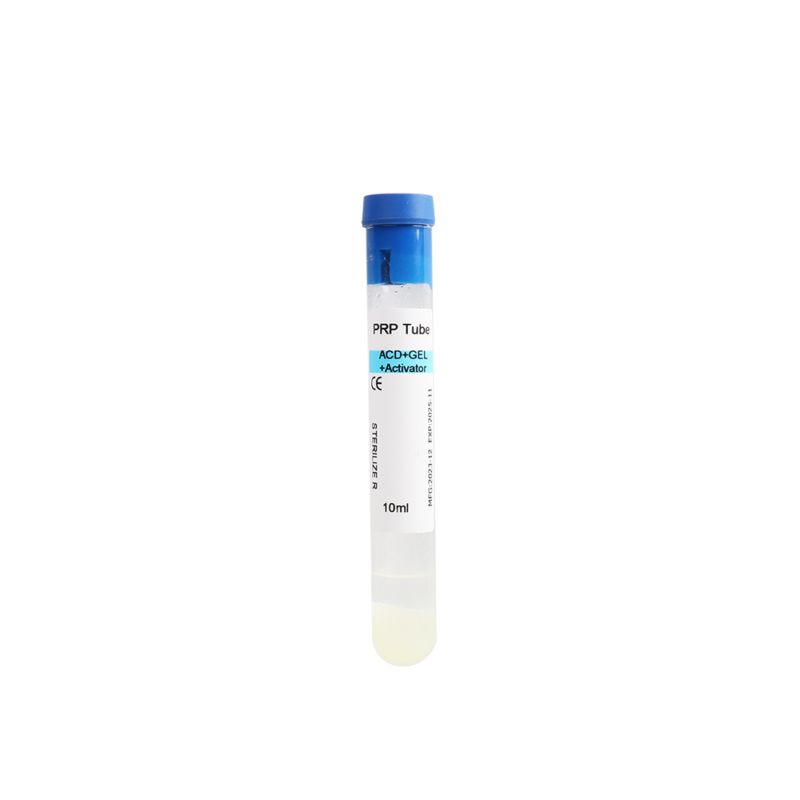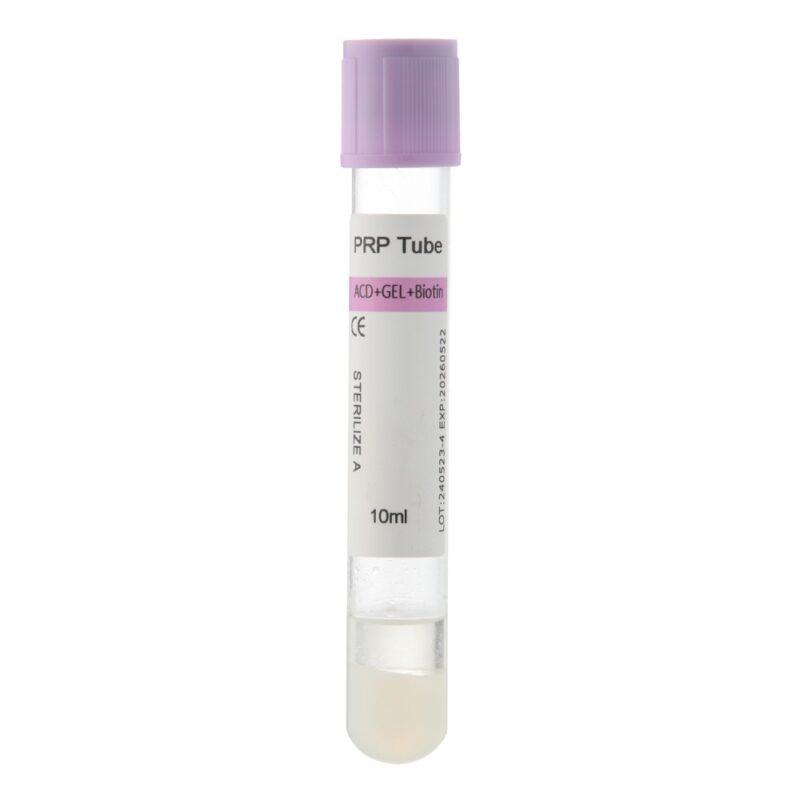
When patients or clinics first explore platelet-rich plasma therapy, one of the most common questions is simple but critical: how often can you get PRP injections?
The answer isn’t one-size-fits-all. PRP treatment frequency depends on the condition being treated, platelet concentration quality, and how well the body responds to therapy. Whether you’re treating hair loss, joint pain, or skin rejuvenation, understanding the correct injection schedule is essential for achieving consistent clinical outcomes.
For clinics and distributors, this also highlights an important point—consistent results don’t just depend on technique, but also on the reliability of PRP preparation systems. If you’re evaluating supply options, it’s worth taking a closer look at how your PRP tubes impact treatment intervals and patient outcomes.
How Often Can You Get PRP Injections for Different Treatments?
The recommended PRP injection frequency varies depending on the indication. Based on clinical practice patterns and published guidelines, most protocols follow a structured treatment cycle rather than random scheduling.
For hair restoration, PRP injections are typically performed once every 4 weeks for the first 3 sessions, followed by maintenance treatments every 4–6 months. This schedule allows progressive follicle stimulation without overstressing the scalp.
For orthopedic conditions such as tendon injuries or osteoarthritis, injections are often spaced 4–6 weeks apart. Many patients receive 2–3 injections per treatment cycle, depending on symptom severity.
In aesthetic treatments like microneedling with PRP or skin rejuvenation, treatments are commonly performed every 4–6 weeks, with maintenance every 6–12 months.
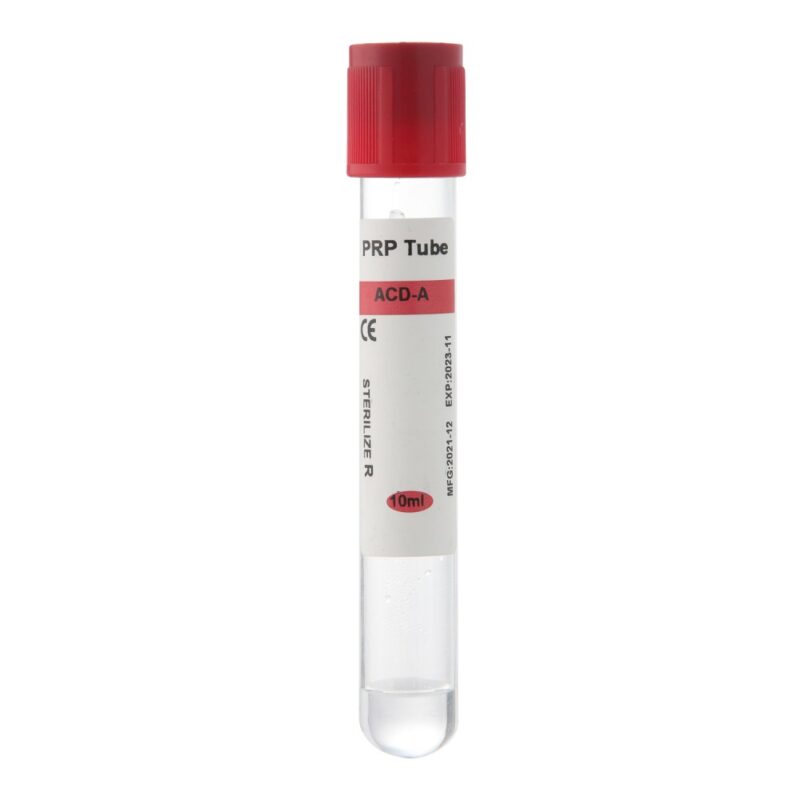
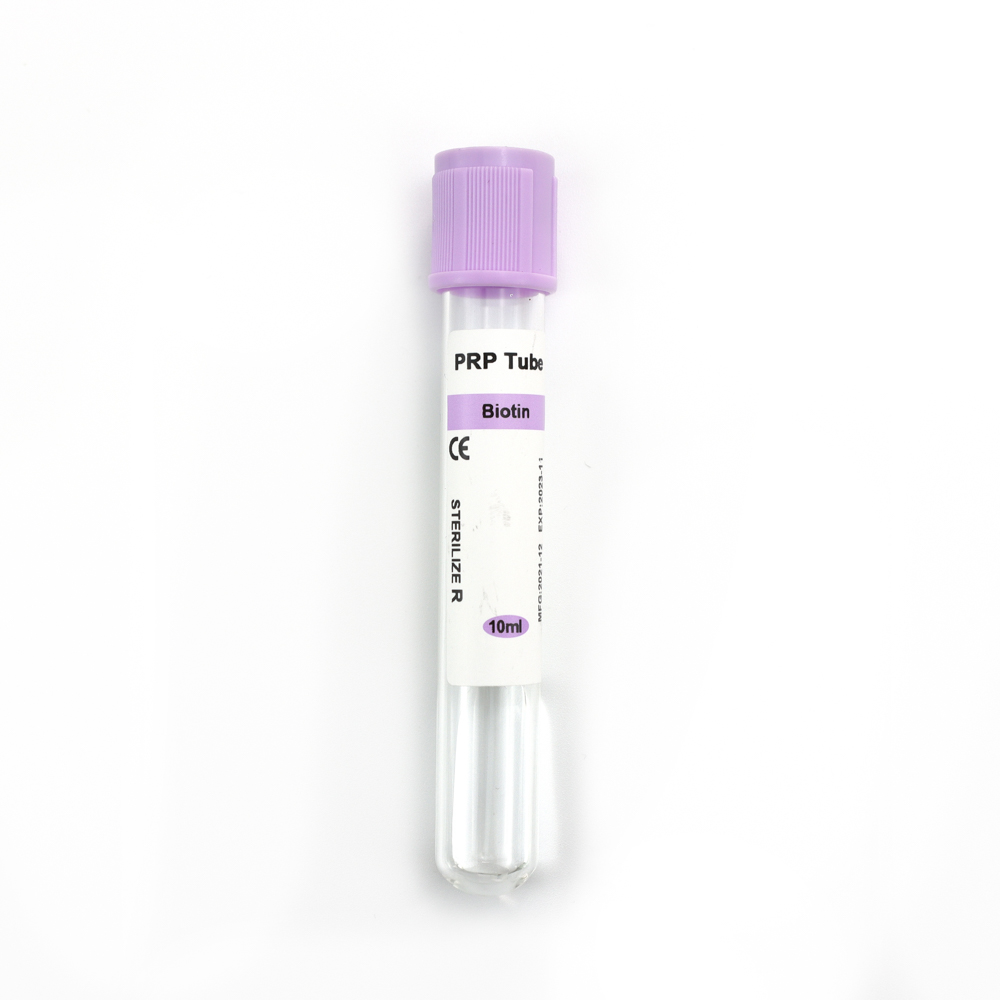
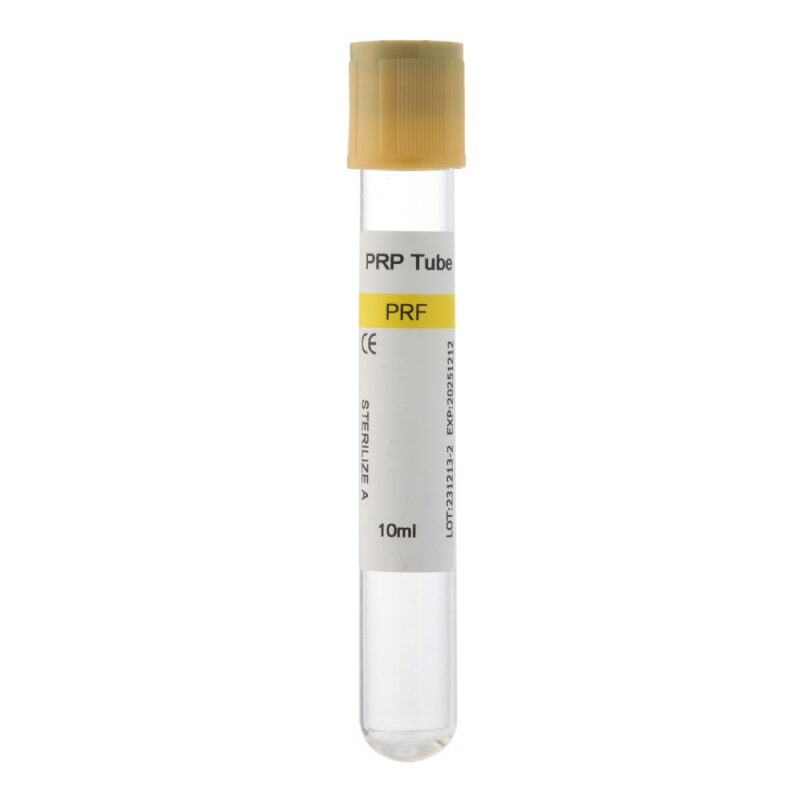
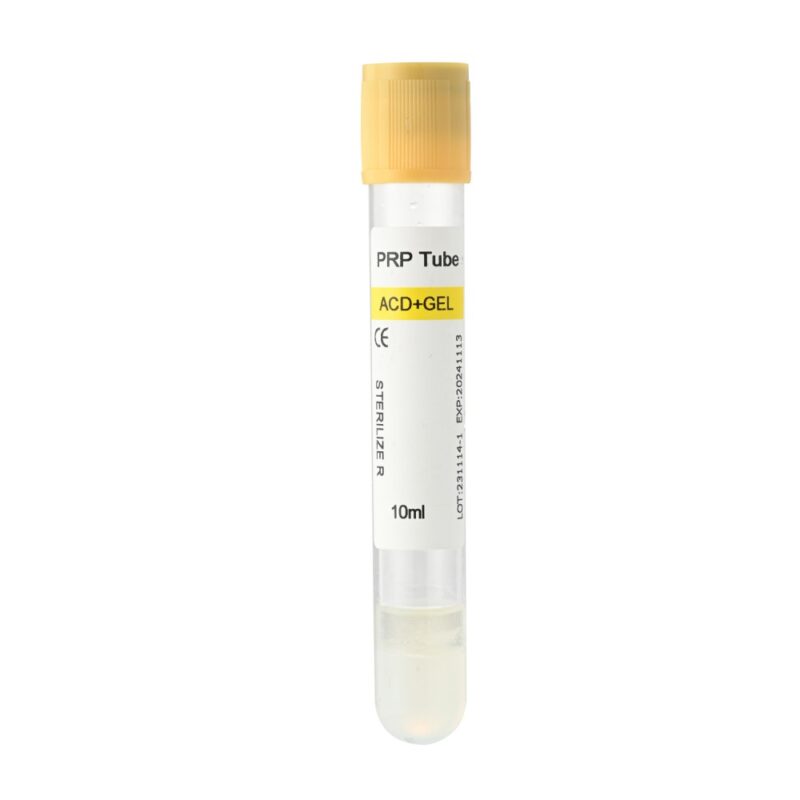
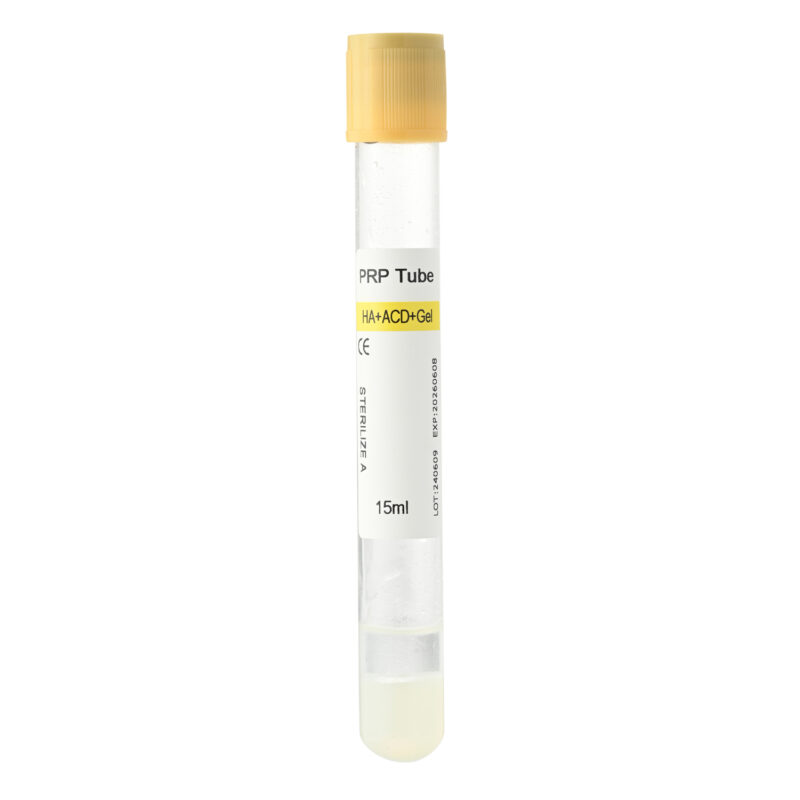
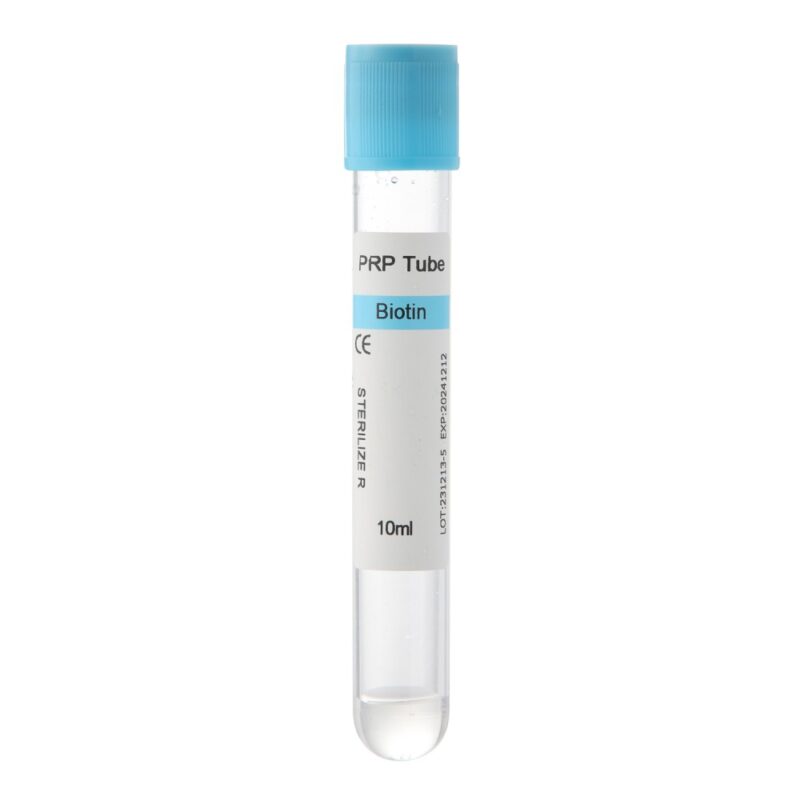
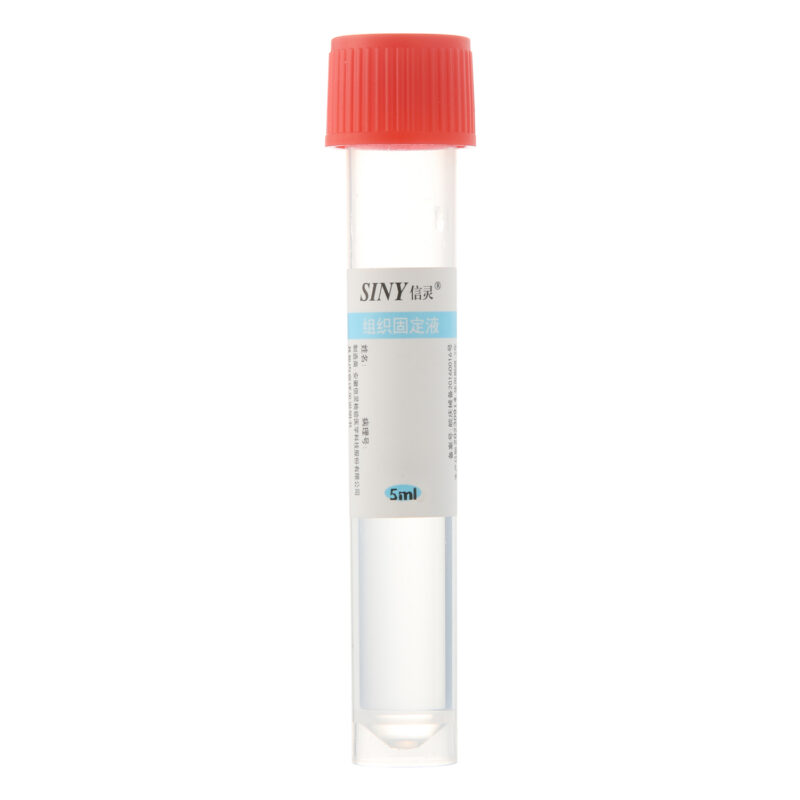
This structured approach ensures optimal tissue response while avoiding excessive inflammation. At the same time, clinics aiming for predictable outcomes often standardize their preparation protocols using systems like Siny PRP ACD+Gel Tubes or Siny PRP Tubes for Hair Restoration, which help maintain consistent platelet concentration across sessions.
What Factors Affect How Often You Can Get PRP Injections?
Understanding how often you can get PRP injections also requires looking at the variables behind treatment planning.
The first factor is the patient’s condition and healing response. Acute injuries may require fewer sessions, while chronic conditions often need repeated stimulation over time.
The second is platelet concentration quality. If PRP preparation is inconsistent—due to poor anticoagulant balance or unstable separator gel—the biological effect may vary, leading to unpredictable treatment intervals.
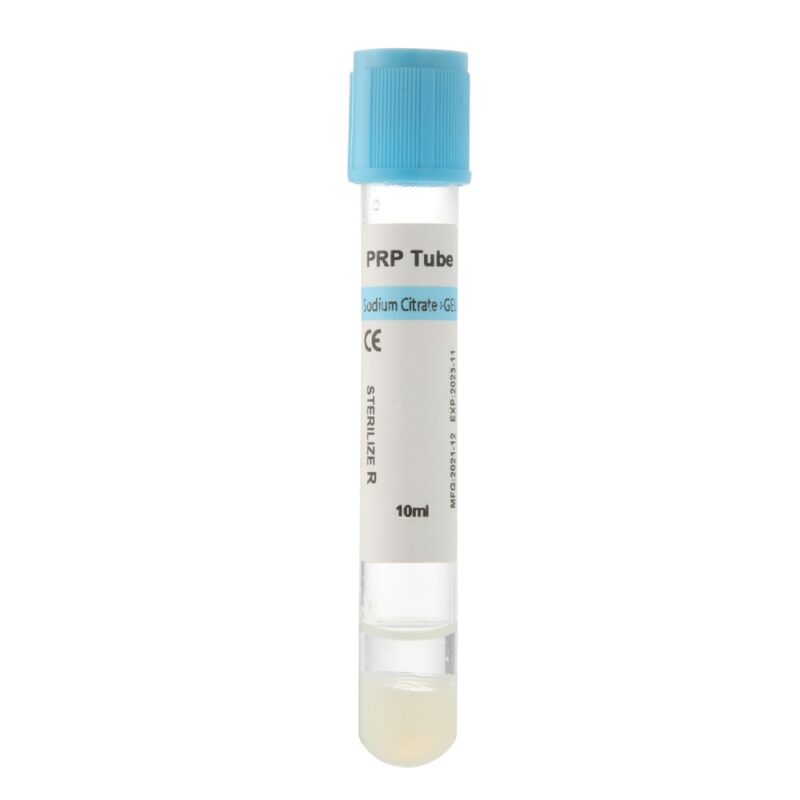
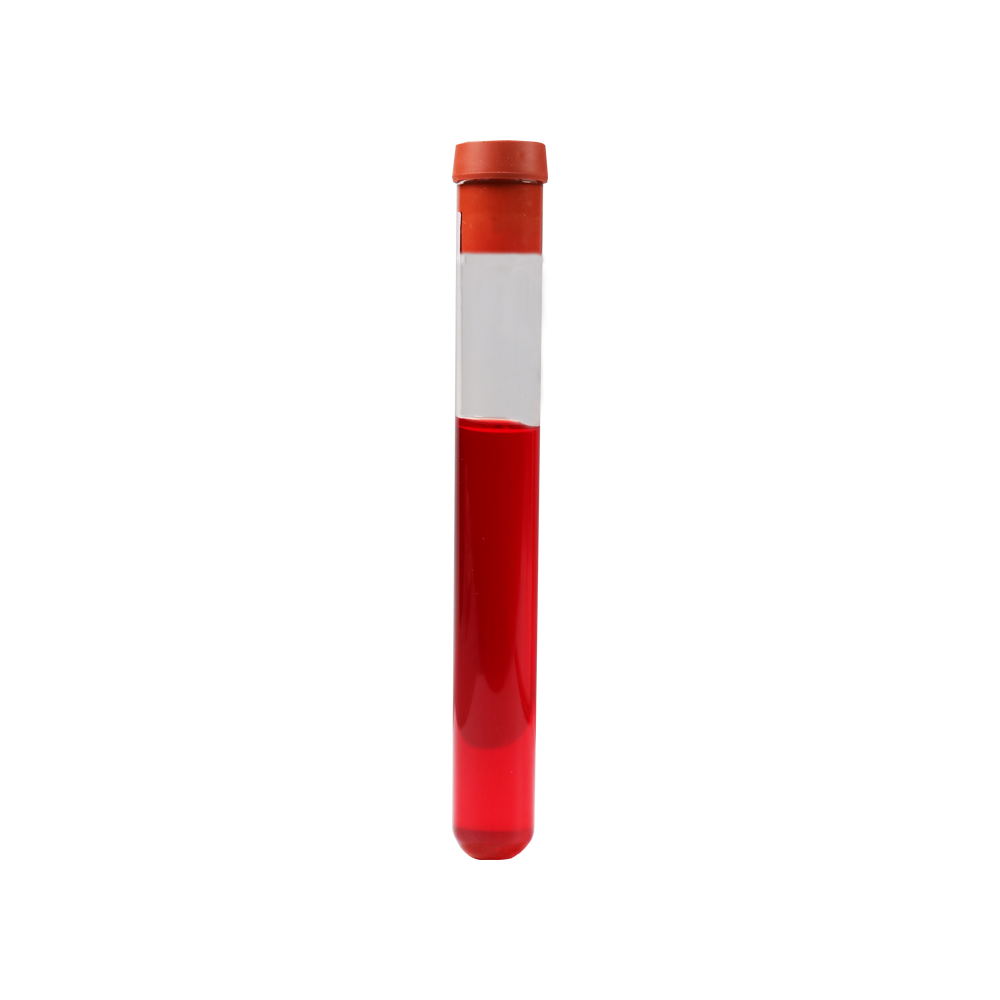
Another key factor is centrifugation protocol and tube design. For example, systems such as Siny PRP ACD-A + Separator Gel Tubes are engineered to preserve platelet viability during processing, which can improve consistency between sessions and reduce the need for overly frequent injections.
Finally, clinical goals matter. Preventive or maintenance treatments naturally occur less frequently than regenerative protocols.
If you’re evaluating suppliers or optimizing your treatment workflow, aligning your PRP system with your desired injection frequency can significantly improve patient satisfaction and repeatability.

Can You Get PRP Injections Too Frequently?
A common misconception is that more PRP injections automatically lead to better results. In reality, excessive frequency can reduce effectiveness and even lead to adverse outcomes.
PRP works by triggering a controlled inflammatory response followed by tissue regeneration. If injections are administered too frequently—before the body completes its healing cycle—it may disrupt this process rather than enhance it.
Over-treatment can result in:
- Increased inflammation and discomfort
- Diminished biological response
- Higher treatment costs without proportional benefits
That’s why most clinicians follow evidence-based spacing intervals instead of aggressive schedules.
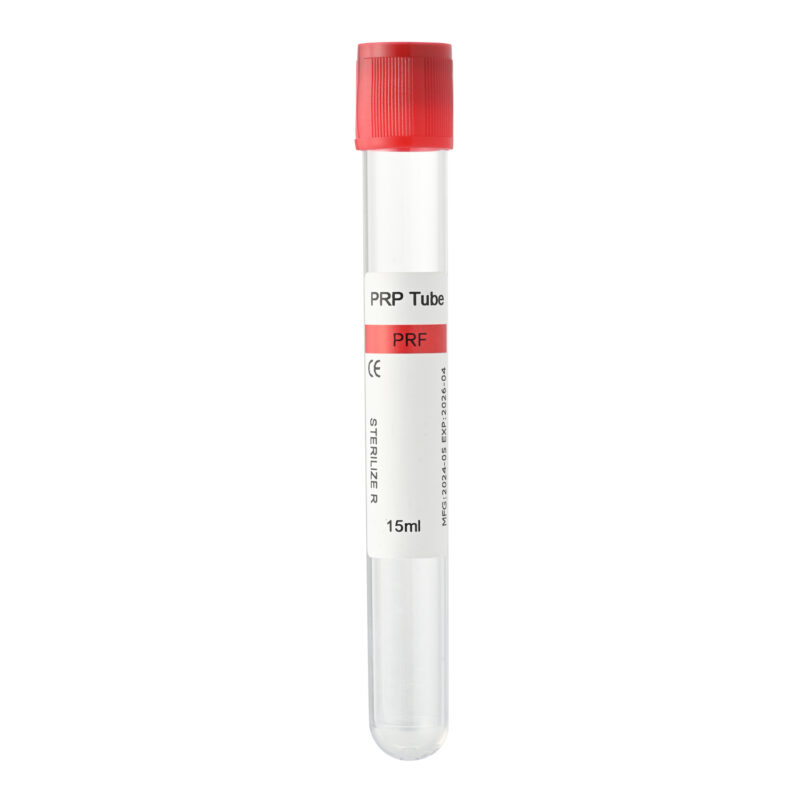
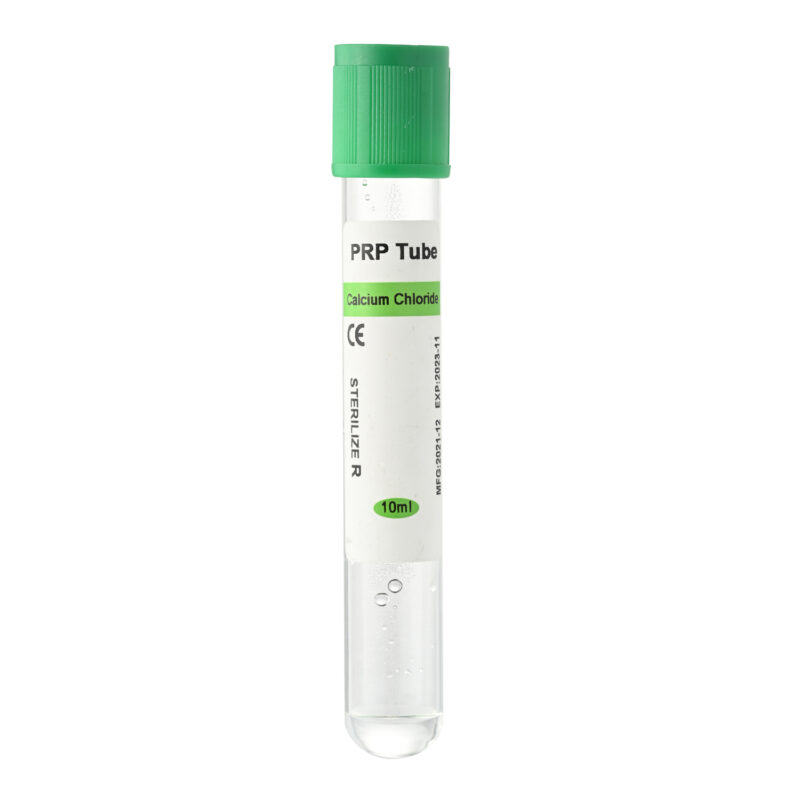
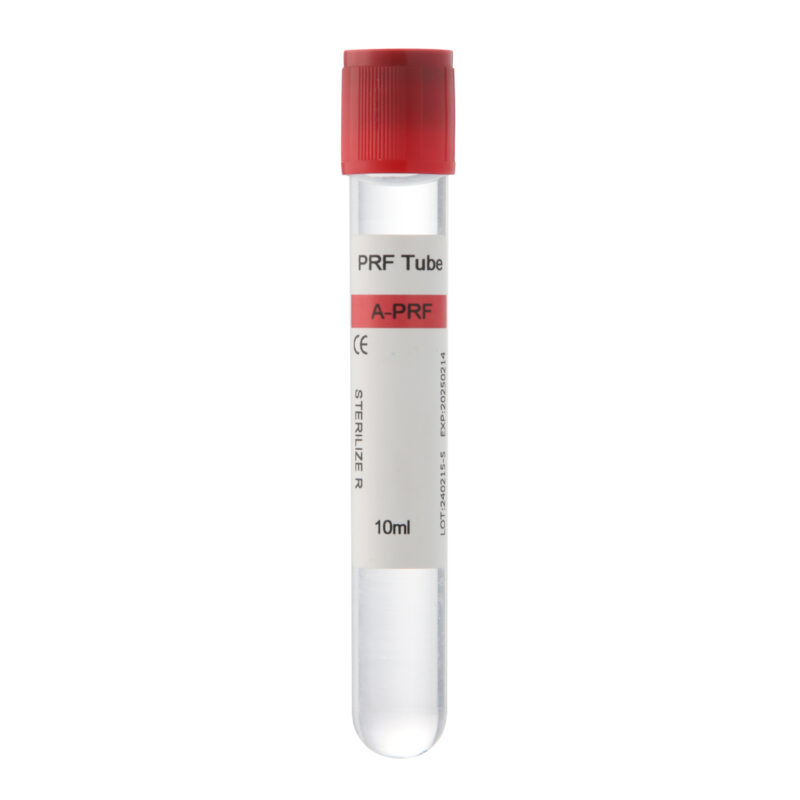
From a product perspective, consistent preparation reduces the temptation to compensate with higher frequency. Clinics using stable systems like Siny PRP Gel Tubes for Orthopedic Use often find they can maintain outcomes without unnecessary repeat injections.
How to Optimize PRP Injection Frequency for Better Results
Instead of asking only how often can you get PRP injections, a better question is: how can you optimize treatment intervals for maximum effectiveness?
First, establish a standardized treatment protocol. Consistency in timing, centrifugation speed, and PRP composition leads to more predictable outcomes.
Second, ensure high-quality PRP preparation materials. Variability in tube performance can directly affect platelet yield and growth factor release, which ultimately influences how often treatments are needed.
Third, monitor patient response over time. Adjust frequency based on clinical improvement rather than fixed schedules.
Finally, choose a reliable supply partner. For clinics or distributors looking to reduce variability across treatments, working with a manufacturer that provides stable PRP systems and technical support can make a measurable difference. If you’re exploring options, you can always reach out to Siny PRP for more detailed specifications or sample evaluation.

How Often Can You Get PRP Injections: Key Takeaways
So, how often can you get PRP injections?
- Most treatments follow a cycle of every 4–6 weeks initially.
- Maintenance sessions typically occur every 4–12 months.
- Frequency depends on condition, PRP quality, and patient response.
- Over-treatment does not improve results and may reduce effectiveness.
In clinical practice, success isn’t about increasing frequency—it’s about consistency and quality. And for that, both protocol design and preparation systems play a crucial role.
FAQ: How Often Can You Get PRP Injections?
1. How many PRP sessions are usually needed?
Most patients require 2–4 sessions initially, followed by maintenance treatments depending on the indication.
2. Can PRP injections be done every week?
No, weekly injections are generally not recommended because tissues need time to respond and regenerate.
3. How long should you wait between PRP treatments?
The standard interval is 4–6 weeks, although this may vary based on clinical goals.
4. Does better PRP quality reduce treatment frequency?
Yes. High-quality PRP preparation can improve consistency, potentially reducing the need for frequent injections.
5. Is PRP a long-term treatment?
PRP is often part of a long-term management strategy, especially for chronic conditions or aesthetic maintenance.
Final Thoughts
Understanding how often you can get PRP injections is essential for both clinical success and patient satisfaction. While general guidelines provide a framework, the real key lies in consistent preparation, proper timing, and individualized treatment planning.
If you’re looking to standardize your PRP workflow or evaluate more reliable preparation systems, exploring solutions from Siny PRP can be a practical next step toward improving both treatment efficiency and outcomes.