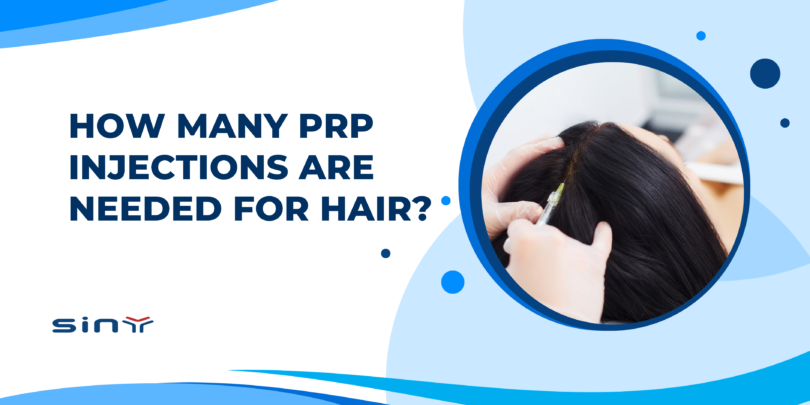
When it comes to hair restoration, one of the most common questions is: how many PRP injections are needed for hair regrowth?
In most clinical protocols, patients typically require 3 to 6 PRP sessions during the initial treatment phase, followed by maintenance treatments every 4–6 months. However, this number is not fixed—it varies depending on the severity of hair loss, patient response, and the quality of PRP preparation.
Understanding the full treatment cycle is essential not only for patients but also for clinics and distributors sourcing reliable PRP systems. The effectiveness of each session depends heavily on consistency—from platelet concentration to separation quality.
How Many PRP Injections Are Needed for Hair Growth Results?
The standard answer to how many PRP injections are needed for hair usually falls into three stages:
1. Initial Treatment Phase
Most patients undergo:
- 3–4 sessions spaced 4 weeks apart.
- In some cases, up to 6 sessions for advanced hair thinning.
This phase is designed to stimulate dormant hair follicles and improve scalp vascularization.
2. Consolidation Phase
After the initial sessions:
- Treatments may continue every 6–8 weeks.
- Focus shifts to strengthening hair shafts and reducing shedding.
3. Maintenance Phase
To sustain results:
- Patients typically need 1 session every 4–6 months.
Without maintenance, results may gradually decline.
At this stage, clinics begin to realize that treatment consistency matters more than frequency, especially when the quality of PRP varies between sessions. When evaluating different PRP systems, it may be helpful to explore the preparation standards behind platforms like Siny PRP to ensure stable outcomes.
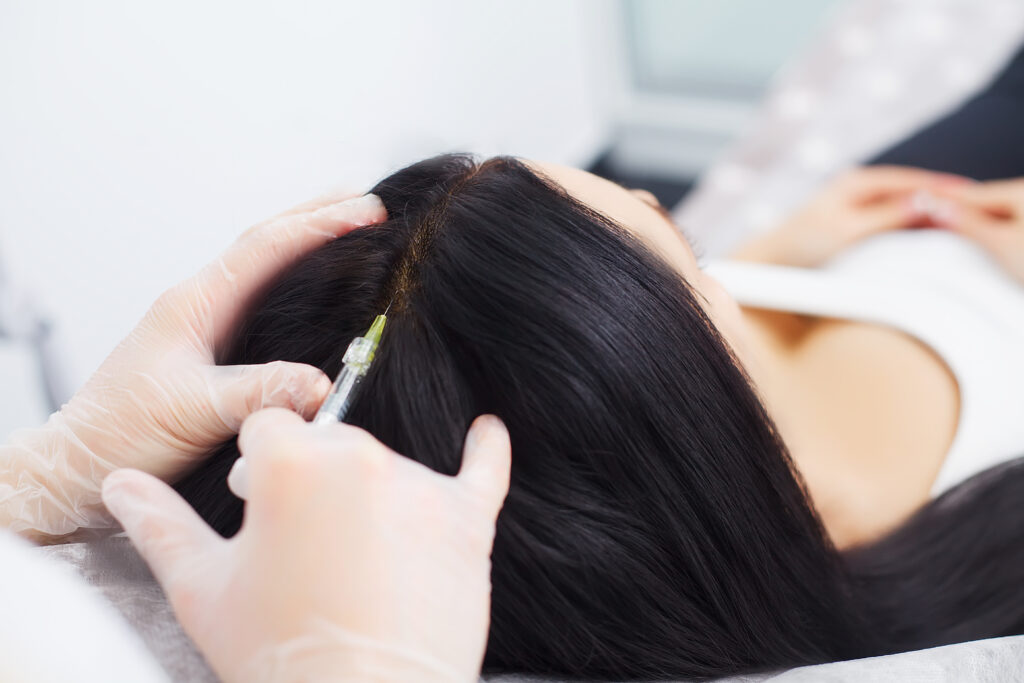
Why Do Some Patients Need More PRP Sessions Than Others?
Not every patient responds the same way to PRP therapy. The number of injections required depends on several key factors:
Severity of Hair Loss
- Early-stage thinning → fewer sessions (3–4).
- Advanced androgenic alopecia → more sessions (5–6+).
Biological Response
Some patients respond quickly, while others require repeated stimulation for visible improvement.
PRP Preparation Quality
This is often overlooked.
The concentration of platelets, separation clarity, and anticoagulant stability directly affect treatment effectiveness. Poor-quality PRP may require more sessions to achieve the same result.
That’s why many clinics today are shifting focus from “how many sessions” to “how consistent each PRP preparation is.”
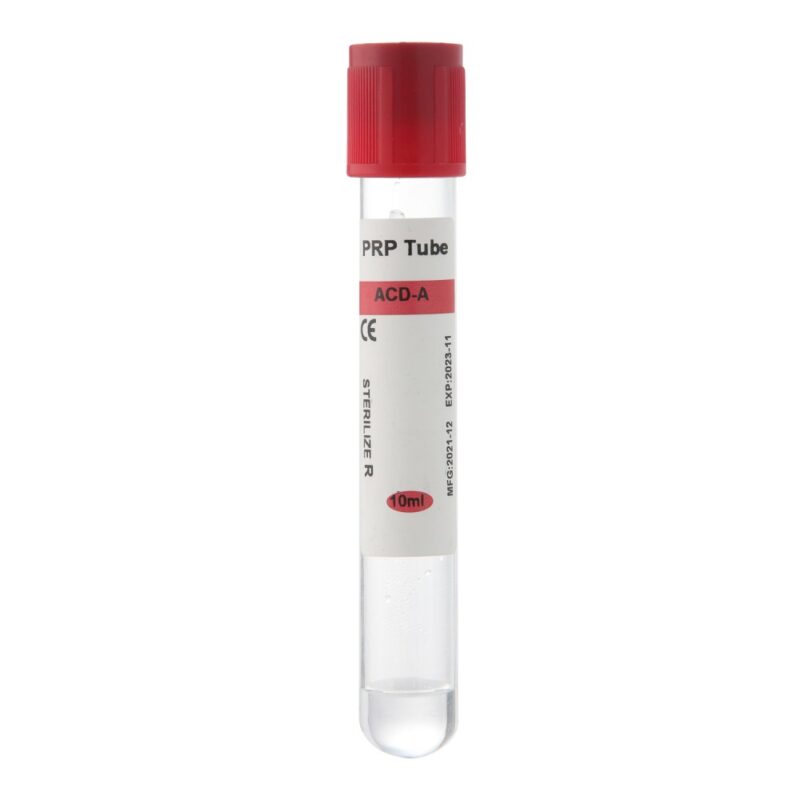
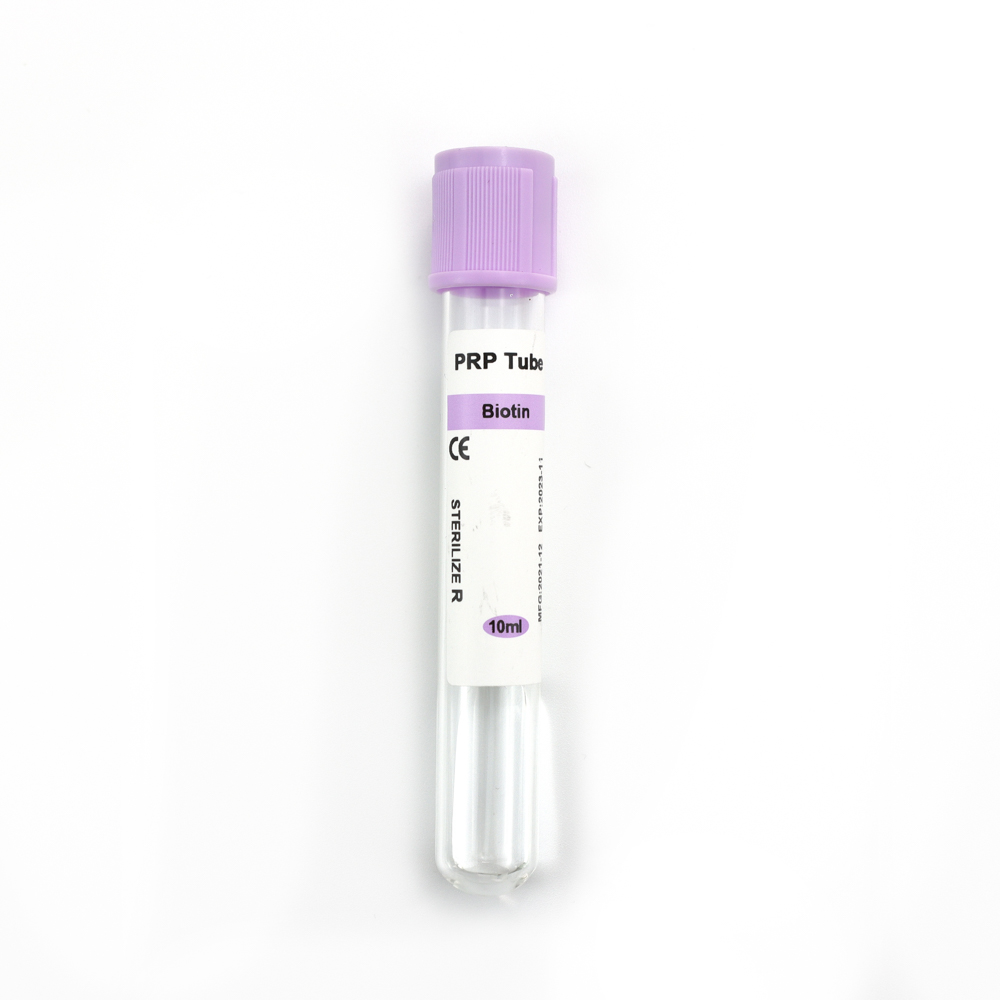
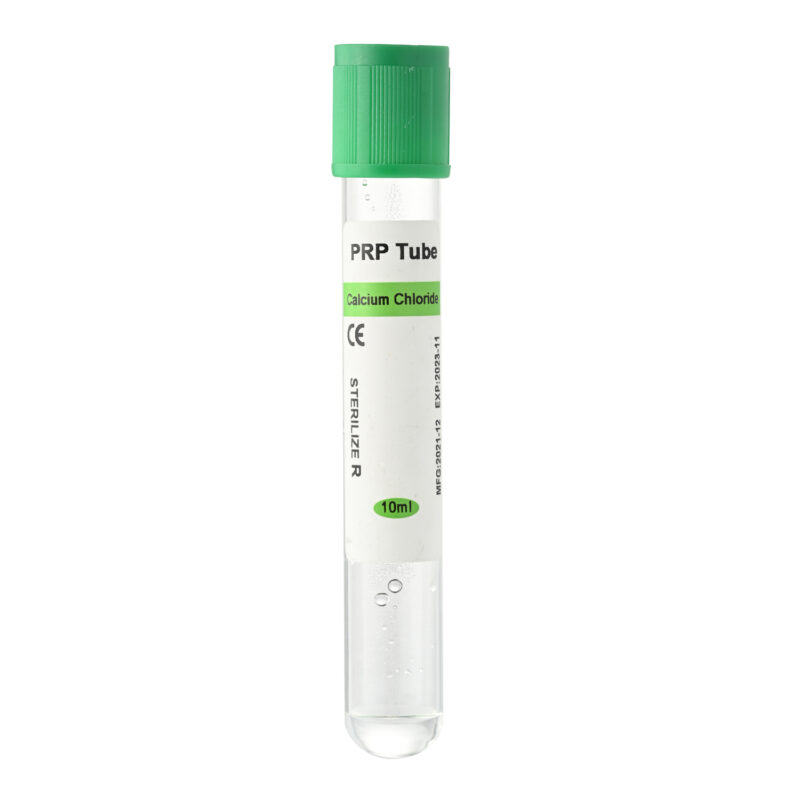
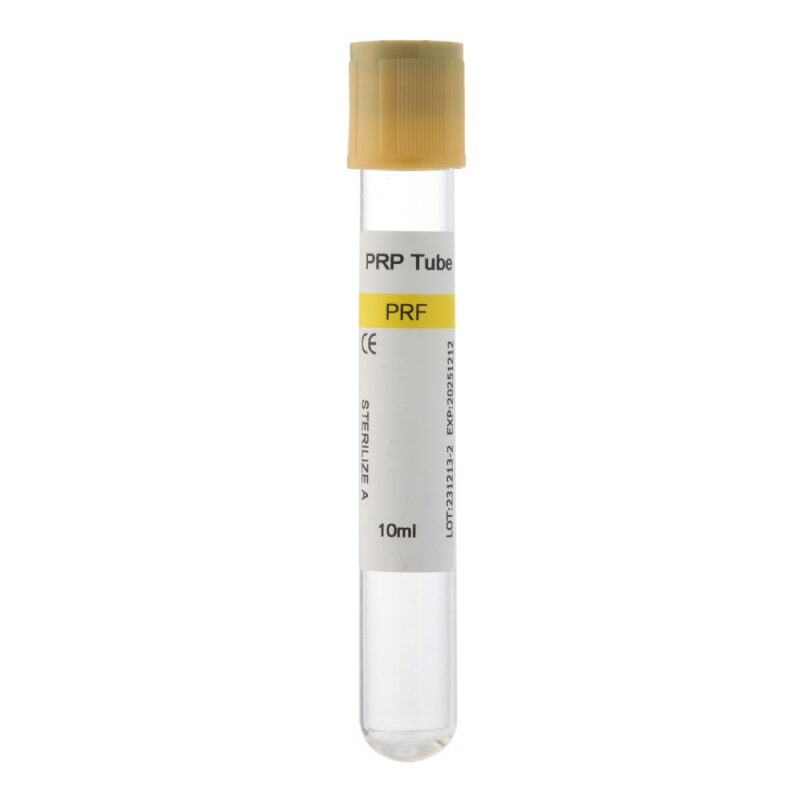
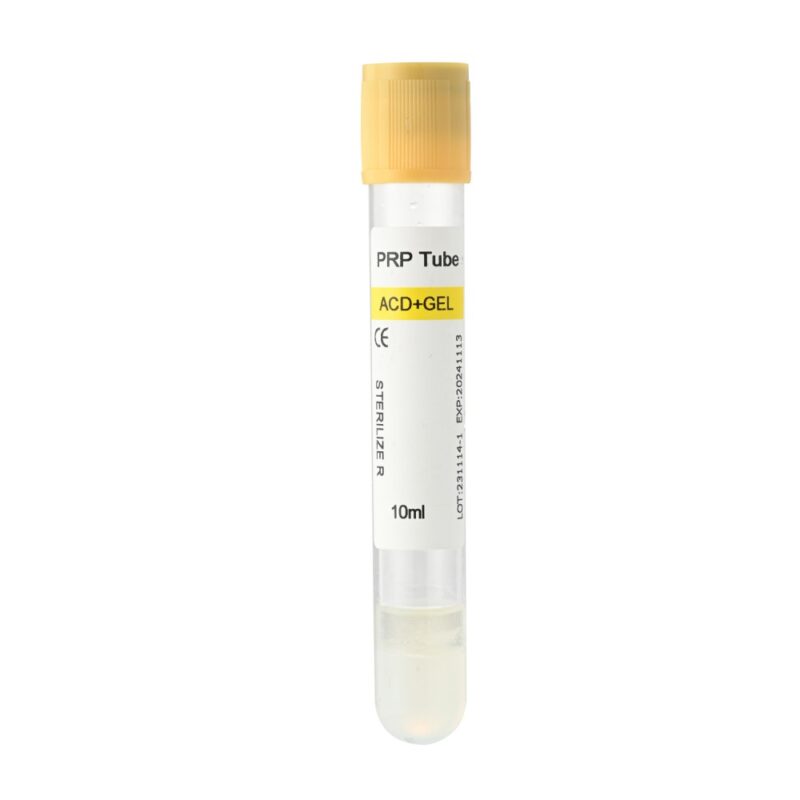
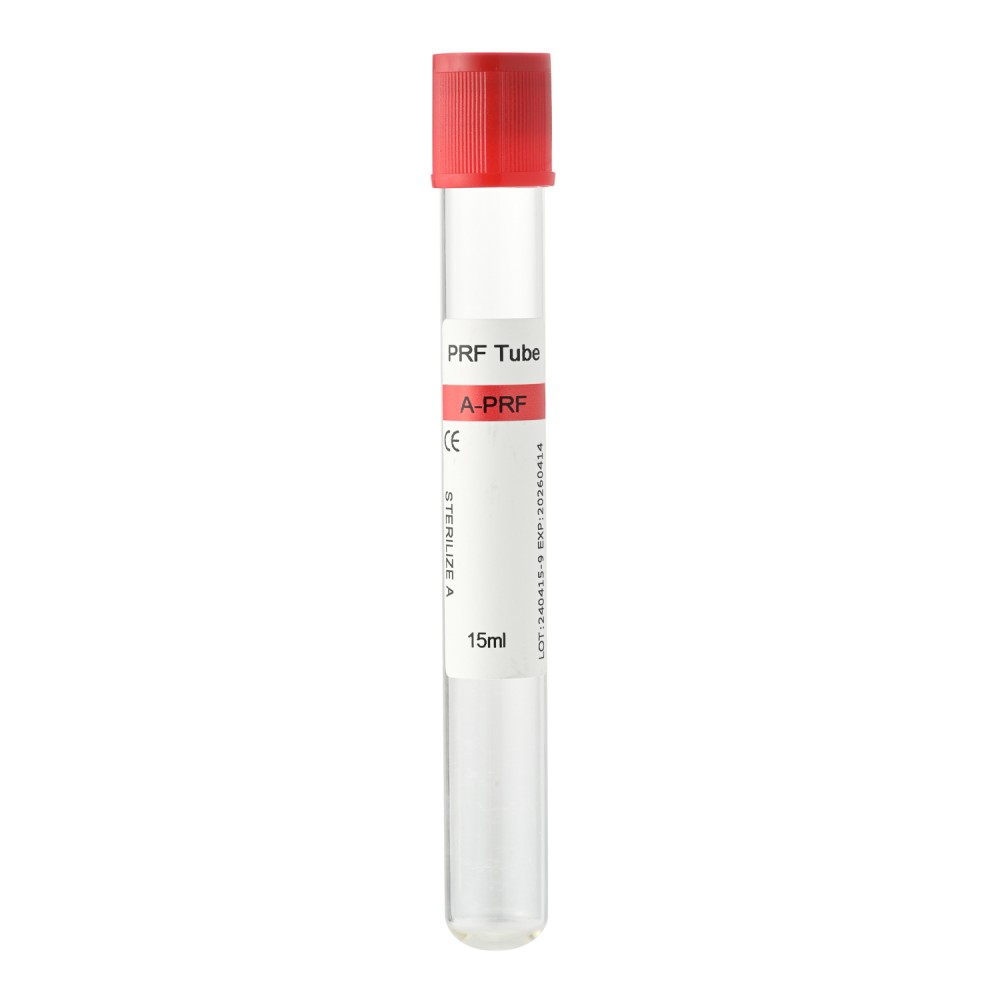
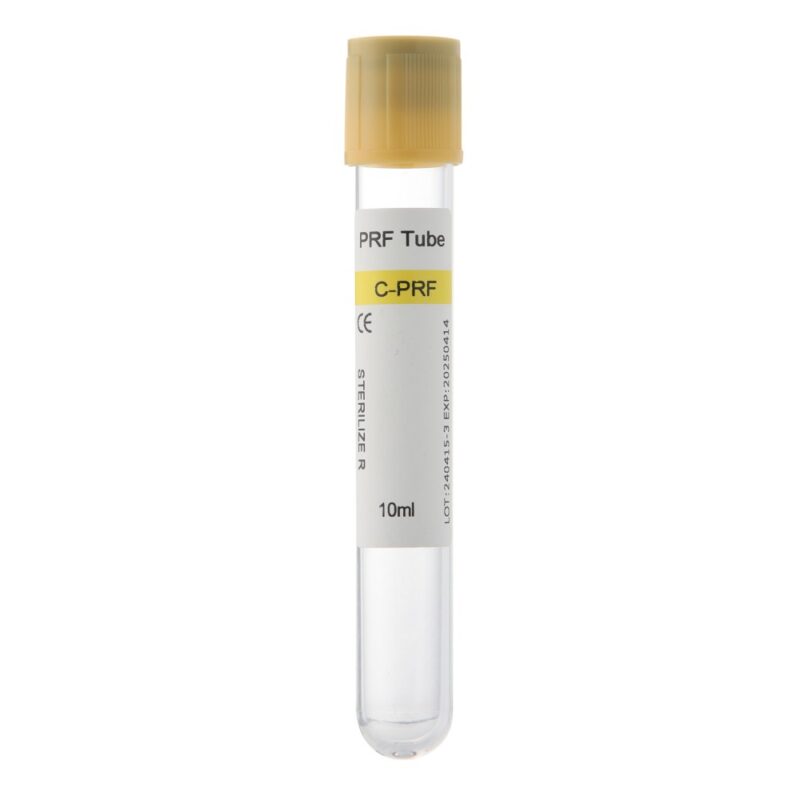
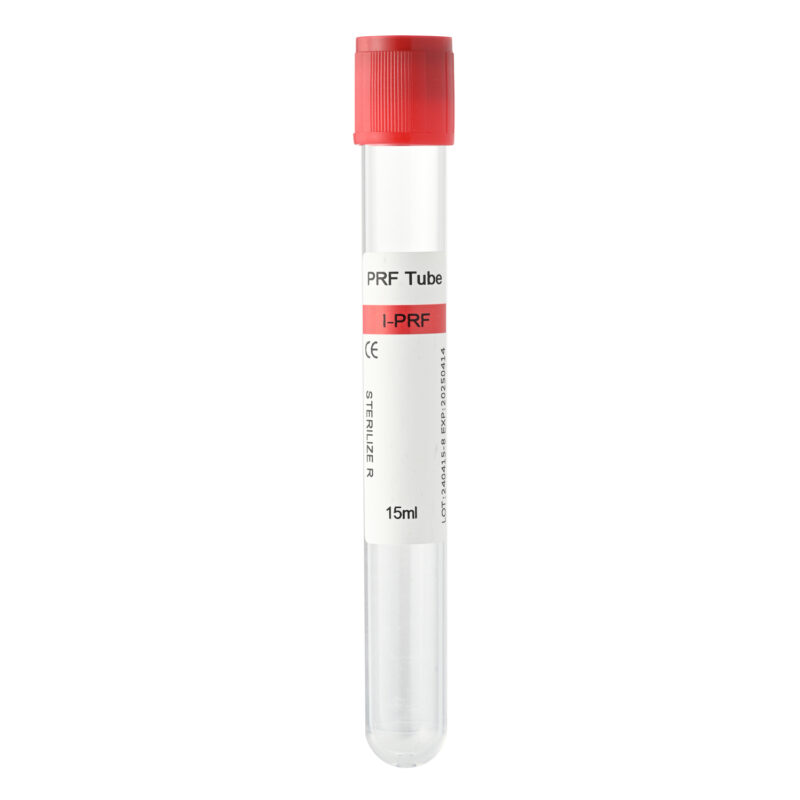
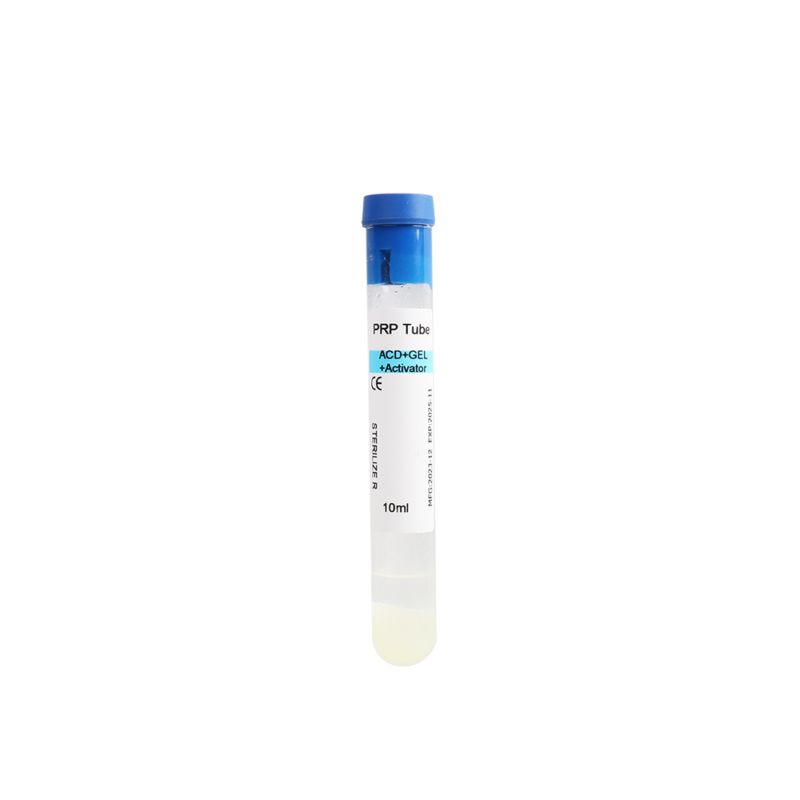
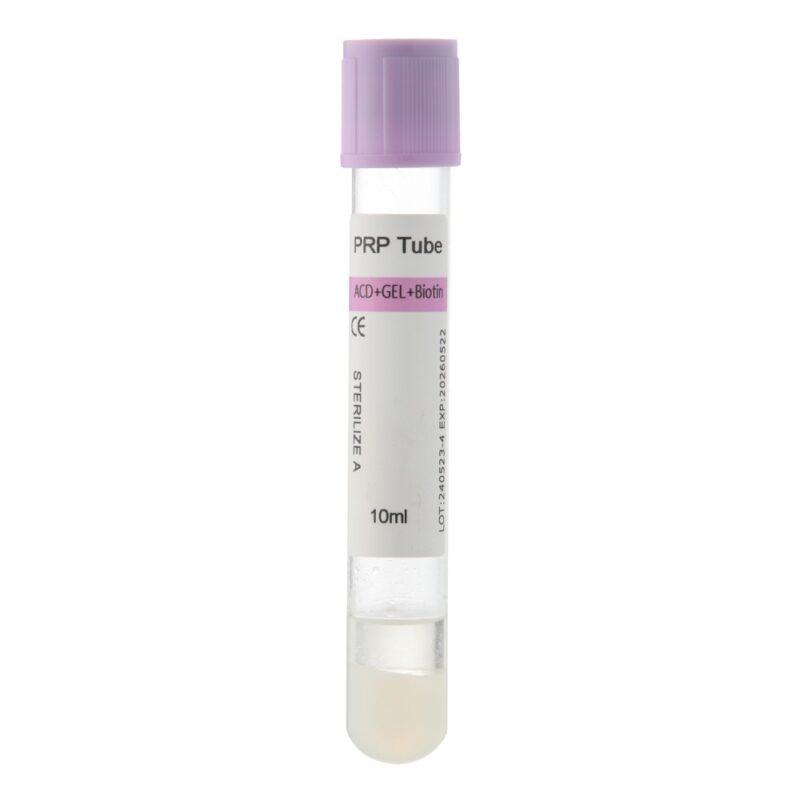
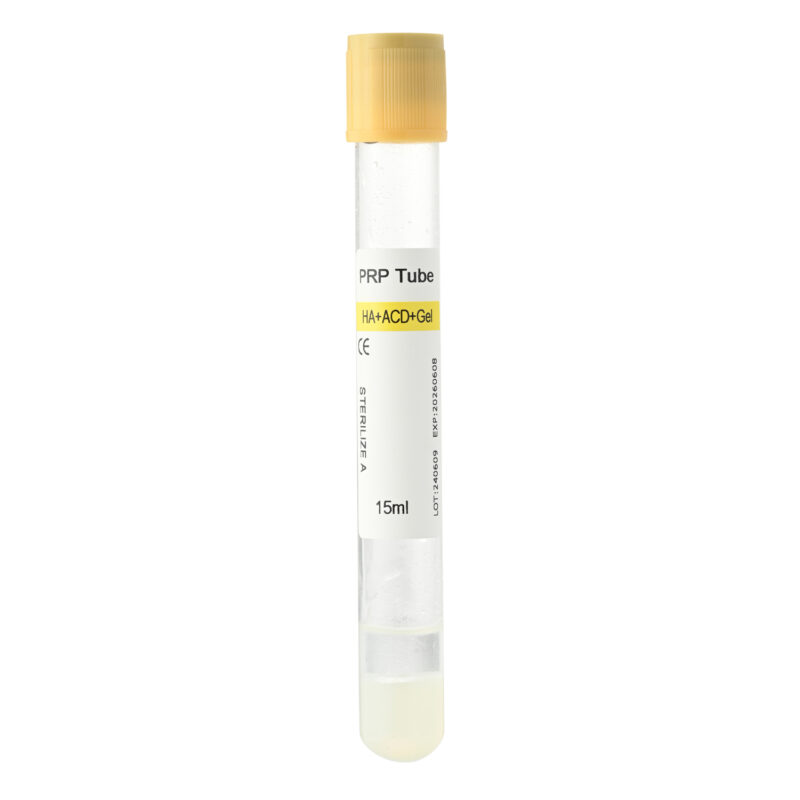
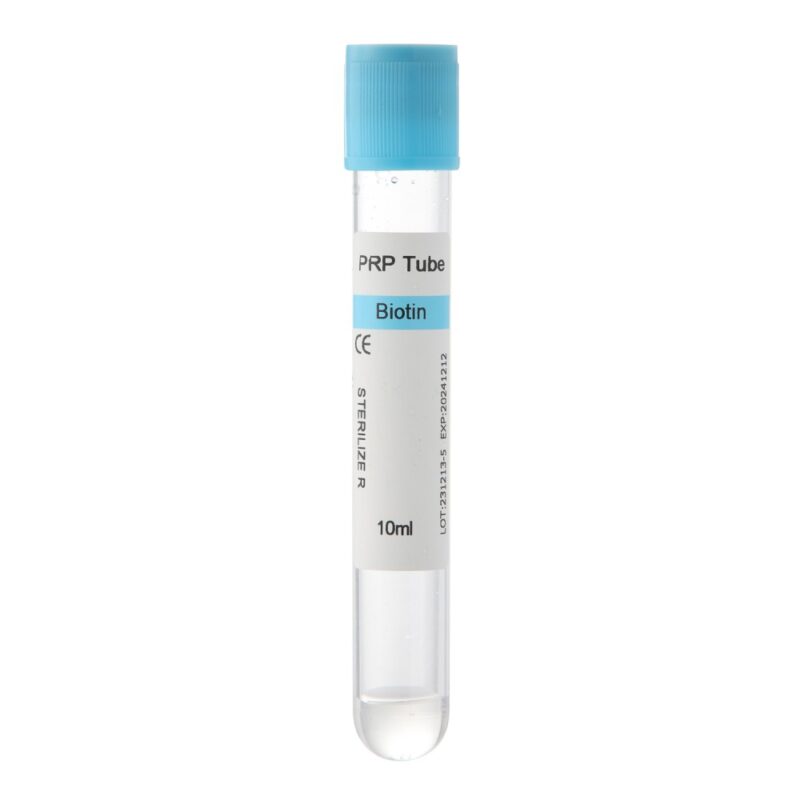
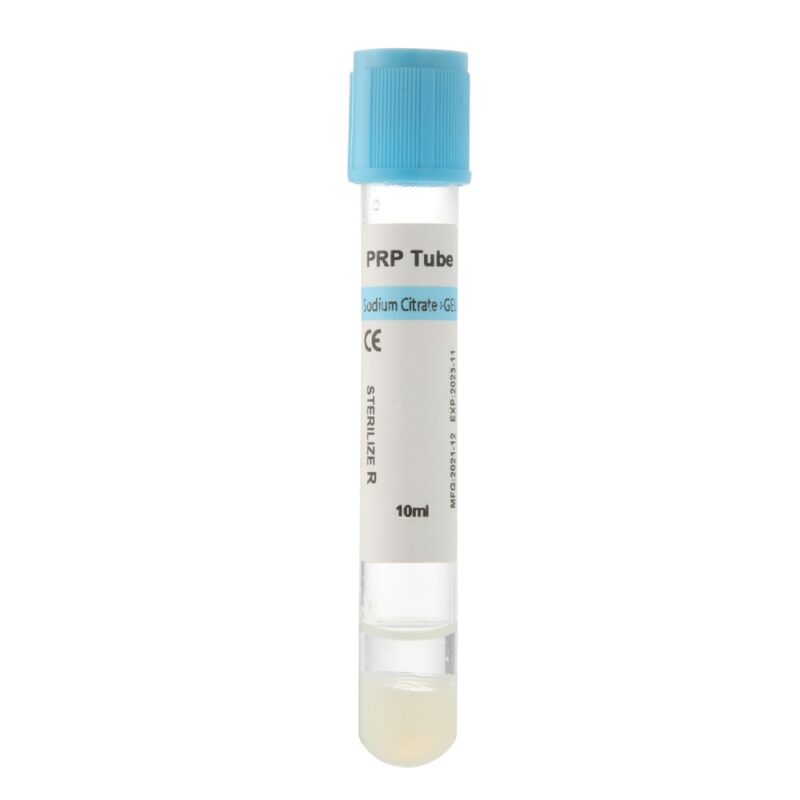
If you’re comparing supply options, reviewing standardized systems such as Siny PRP ACD Gel Tubes or PRP Tube with Biotin can help you better understand how preparation impacts outcomes.

How Long Does It Take to See Results from PRP Hair Treatment?
Even if patients follow the recommended number of PRP injections, results are not immediate.
Typical timeline:
- 1–2 months: Reduced hair shedding.
- 3–4 months: Early regrowth and thicker strands.
- 6 months+: Noticeable improvement in density.
Hair growth is a gradual biological process. PRP works by activating follicles—not replacing them—so patience is essential.
Clinically, inconsistent PRP quality can delay this timeline. Stable platelet activation and minimal contamination during centrifugation are crucial for achieving predictable results.
How Often Should PRP Injections Be Repeated for Hair Maintenance?
After completing the initial treatment plan, maintenance becomes critical.
Recommended schedule:
- Every 4–6 months for most patients.
- Some cases may require quarterly sessions.
Hair loss is a progressive condition. PRP helps manage it—but does not permanently cure it.
Clinics that achieve long-term patient satisfaction usually focus on:
- Consistent PRP concentration
- Standardized protocols
- Reliable consumables
For distributors and buyers, this translates into a key question:
Can your PRP supply system deliver the same quality every time?
If you’re currently evaluating suppliers, you can always reach out to the Siny PRP team to better understand how different tube formulations support consistent clinical outcomes.

What Happens If You Stop PRP Treatments?
Stopping PRP therapy does not cause immediate hair loss, but:
- Hair may gradually return to its original state.
- The benefits of improved follicle activity will decline.
This is why maintenance sessions are widely recommended.
From a clinical perspective, patient retention often depends on visible, consistent results. That consistency is closely tied to preparation quality, which again highlights the importance of choosing a reliable PRP system rather than focusing only on price.
FAQ: How Many PRP Injections Are Needed for Hair?
Q1: Are 3 PRP sessions enough for hair regrowth?
For mild hair thinning, 3 sessions may be sufficient. However, most patients benefit from at least 4–6 sessions.
Q2: Can I see results after one PRP injection?
Some patients notice reduced shedding after one session, but visible regrowth usually requires multiple treatments.
Q3: How long do PRP hair results last?
Results can last 6–12 months, depending on maintenance frequency and individual response.
Q4: Does PRP work for all types of hair loss?
PRP is most effective for androgenic alopecia and early-stage hair thinning. It is less effective for complete baldness.
Q5: Why do PRP results vary between clinics?
Differences in PRP preparation methods, centrifugation protocols, and tube quality can significantly impact outcomes.
Final Thoughts
So, how many PRP injections are needed for hair?
The short answer is: 3 to 6 sessions initially, followed by regular maintenance.
The real answer, however, goes deeper—it depends on consistency, protocol, and preparation quality.
The success of PRP therapy is not just about how many injections there are, but about how well each one is prepared.
If you’re looking to improve treatment outcomes or explore more stable PRP preparation solutions, working with an experienced manufacturer like Siny PRP can be a practical next step.