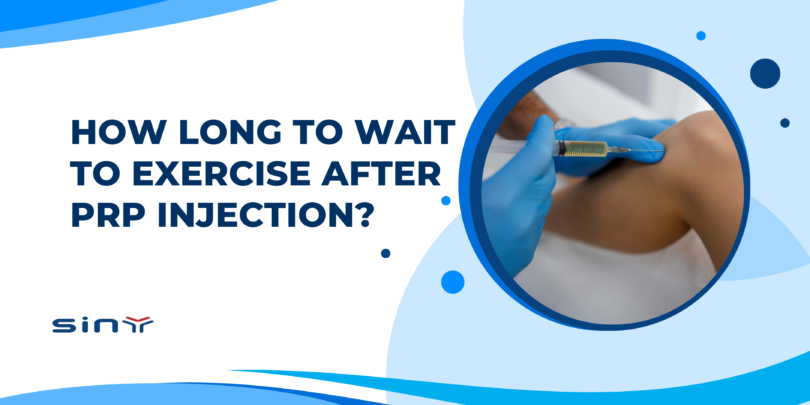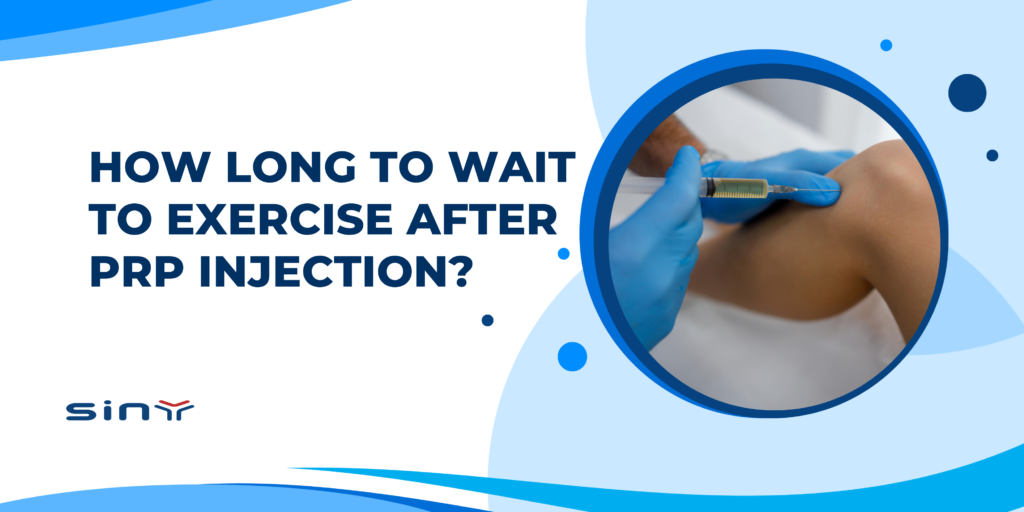
If you’re considering platelet-rich plasma therapy, one of the most common questions is: How long to wait to exercise after PRP injection?
Whether you’re an athlete, a clinic owner, or a distributor sourcing high-quality PRP kits, understanding the recovery timeline is essential—not just for patient outcomes, but also for choosing the right preparation system. The truth is, recovery isn’t a one-size-fits-all timeline. It depends on the treatment area, the injection protocol, and the quality of the PRP preparation itself.
In this guide, we’ll break down exactly when it’s safe to return to exercise, what happens inside the body after PRP, and how to ensure optimal results.
Understanding PRP Therapy Before Returning to Exercise
Before diving into timelines, it’s important to understand how PRP works.
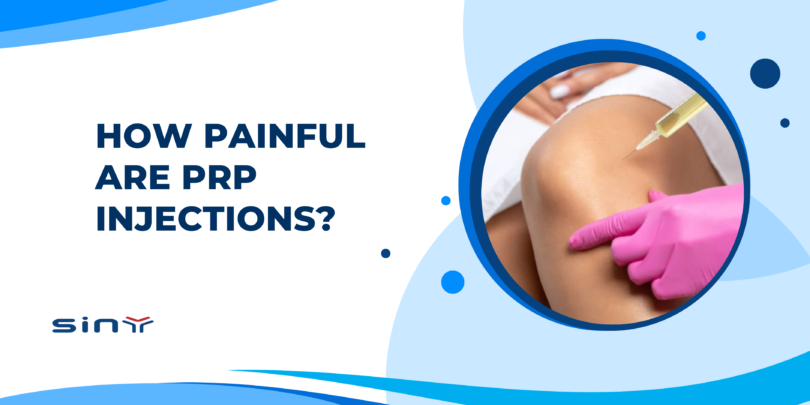
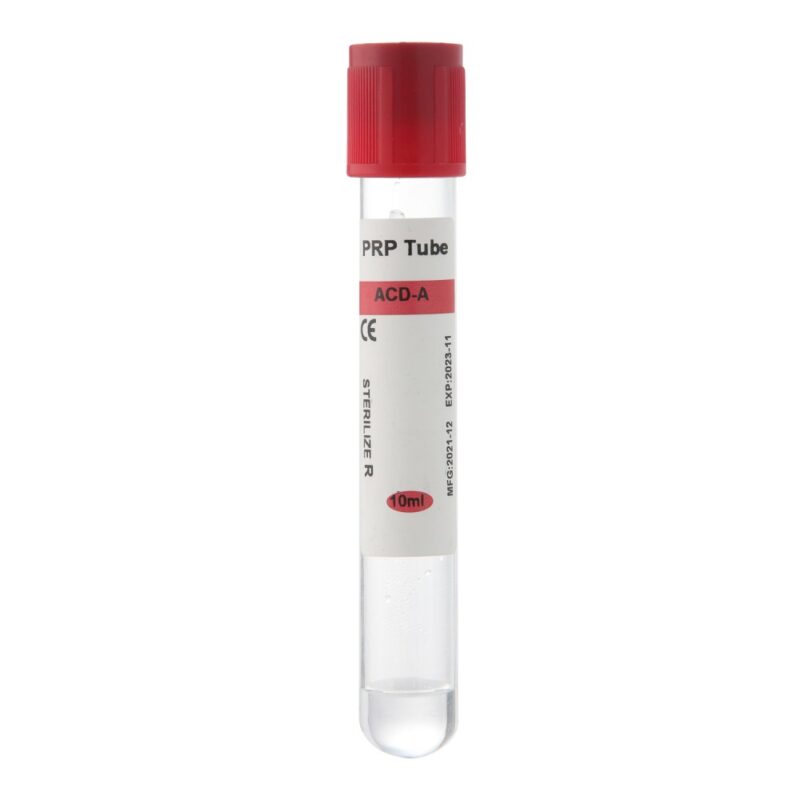
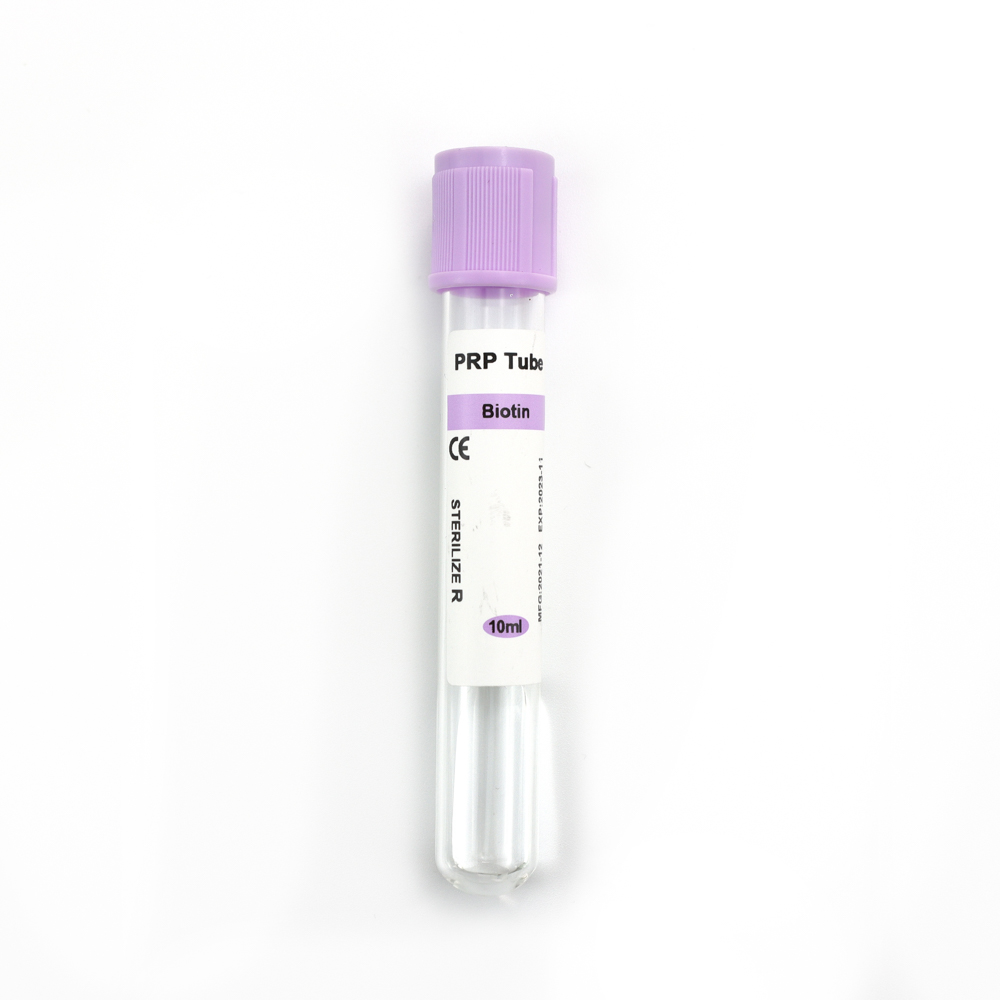
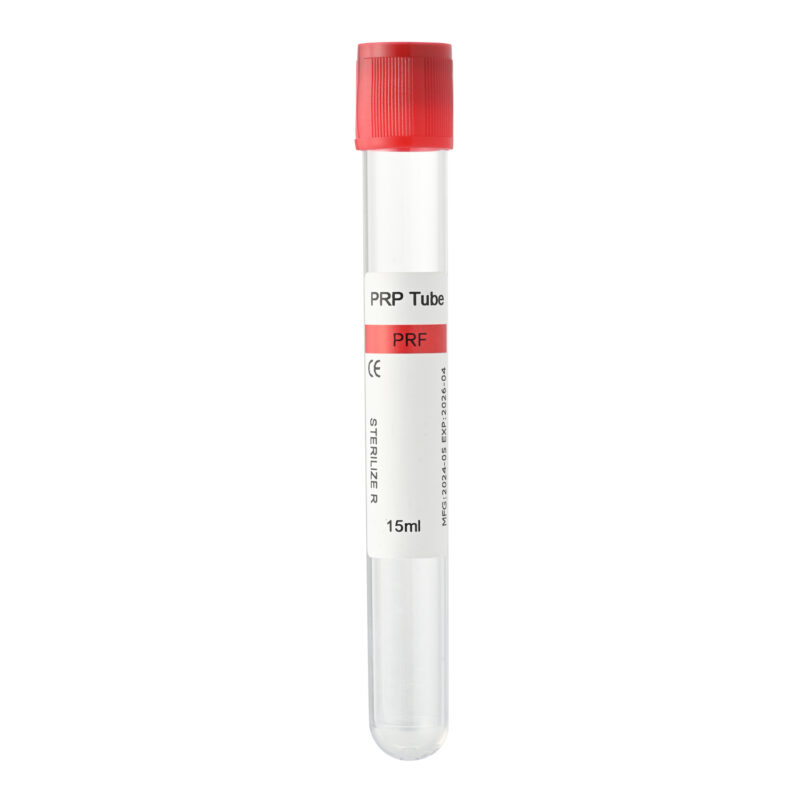
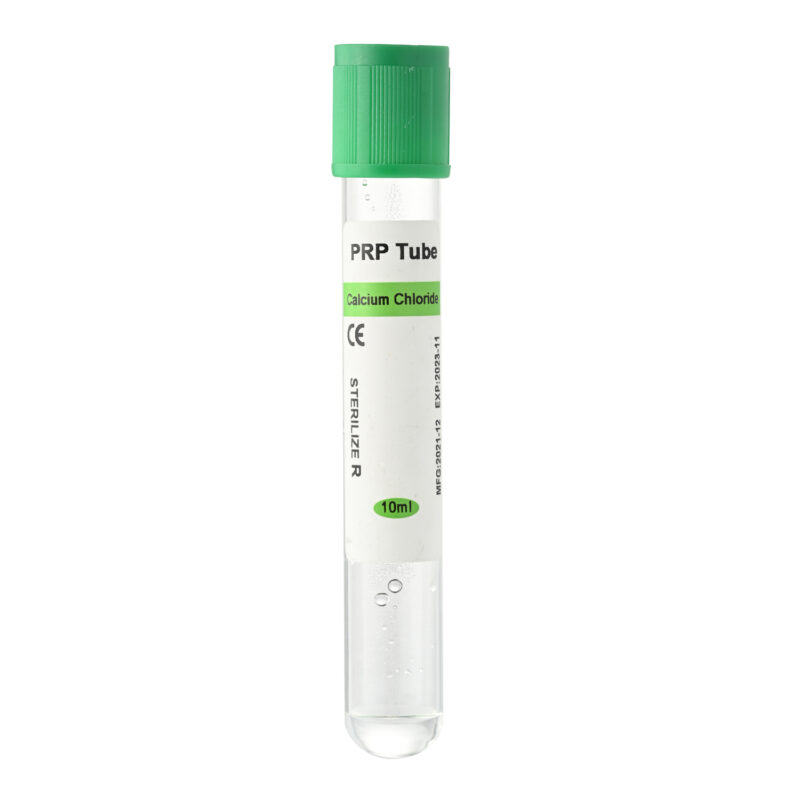
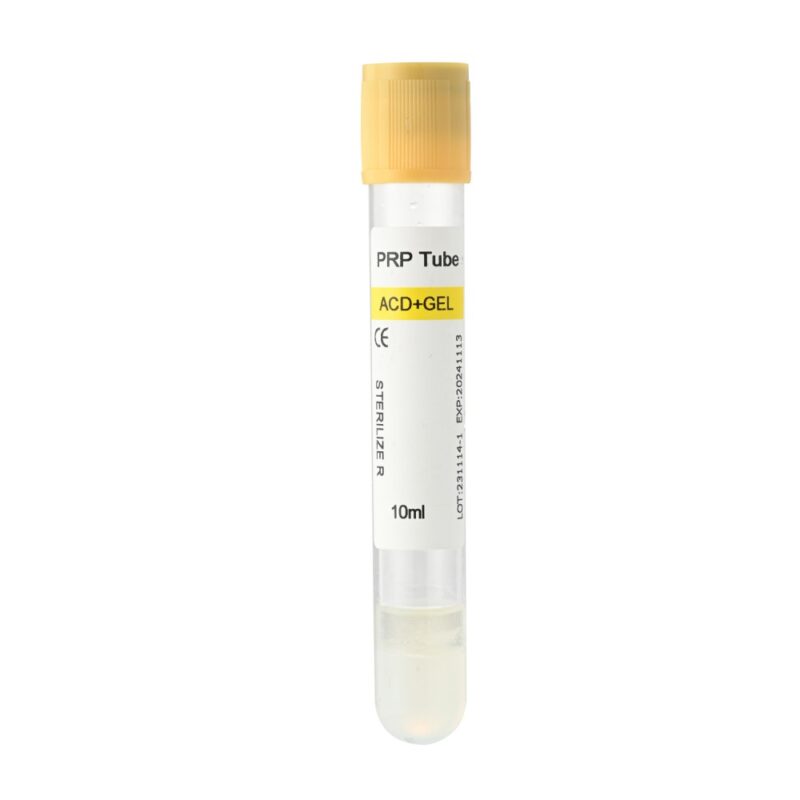
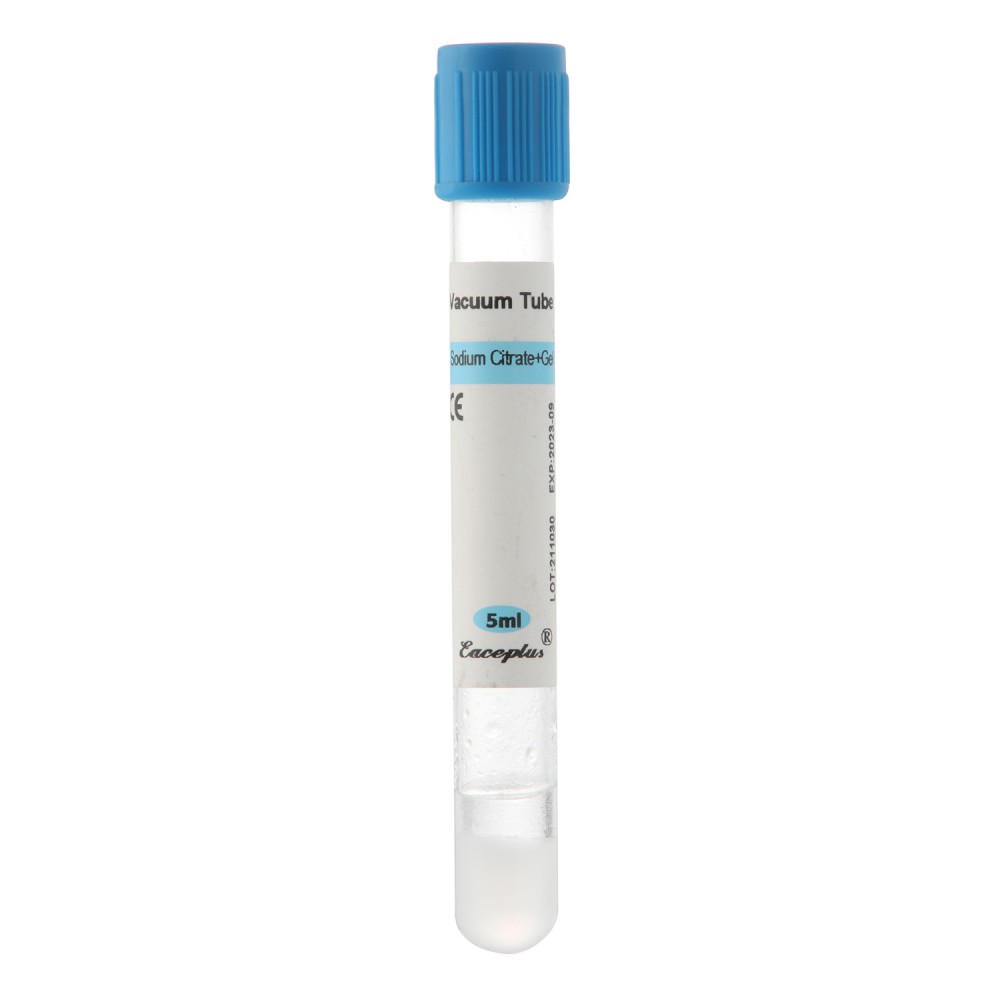
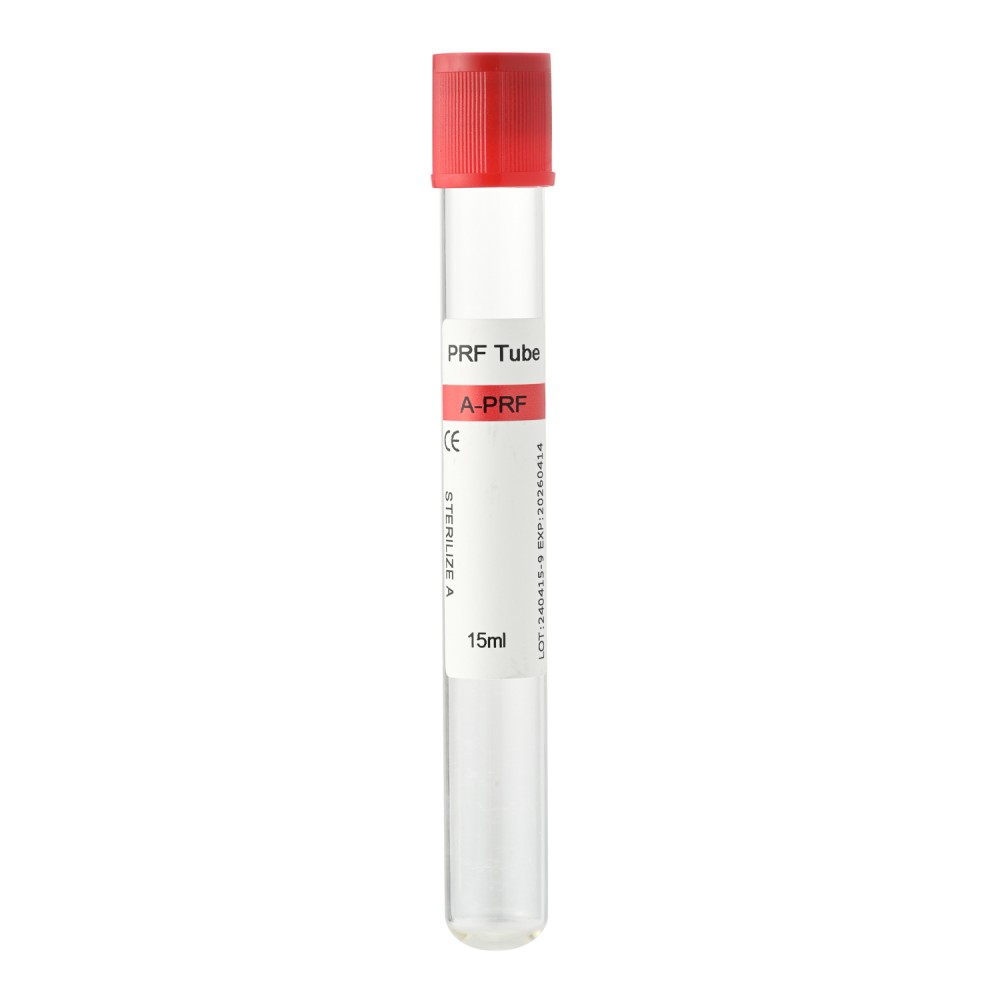
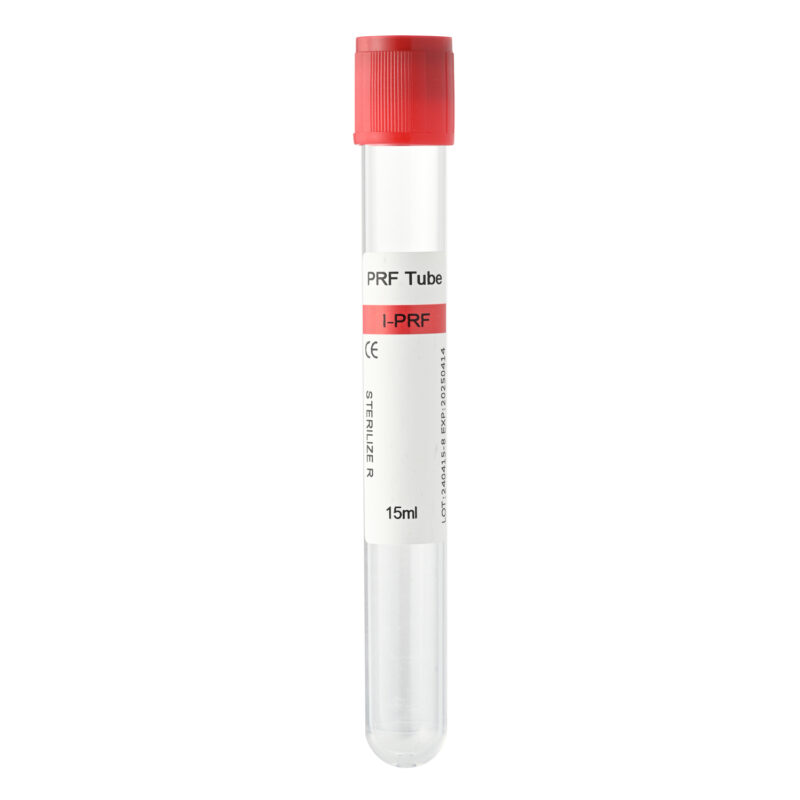
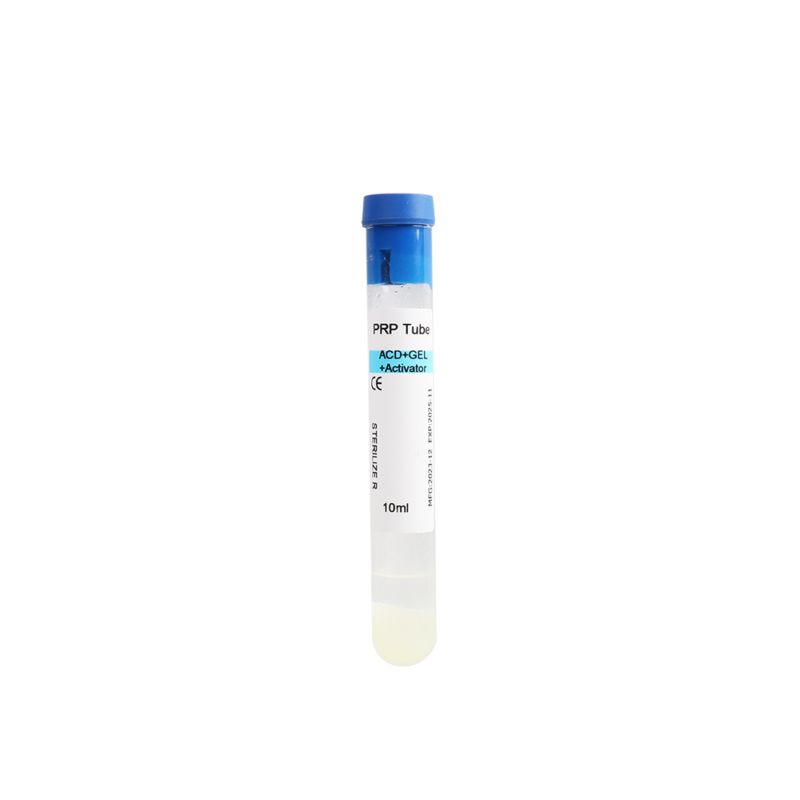
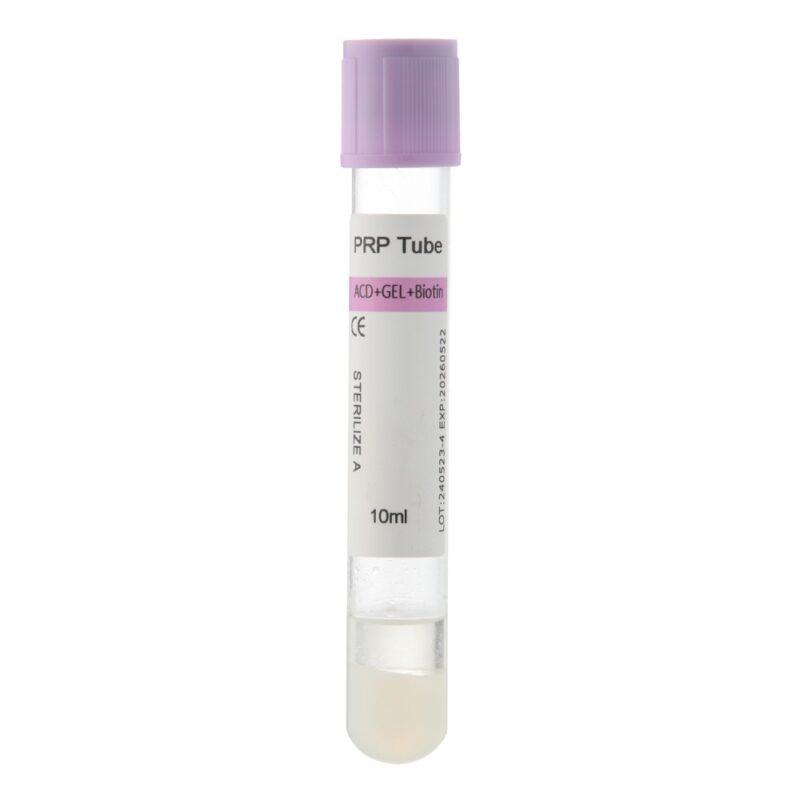
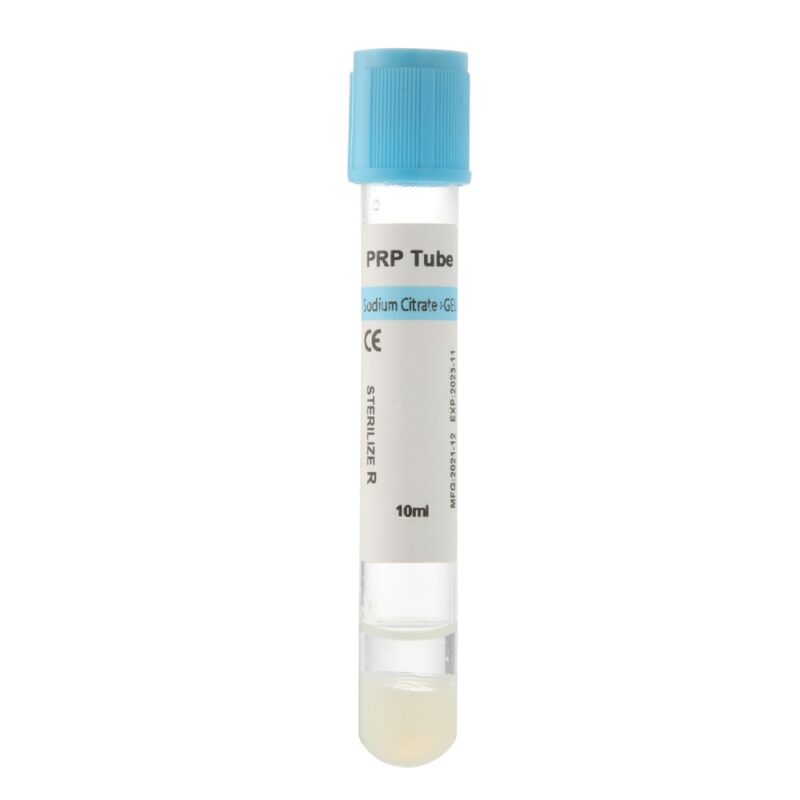
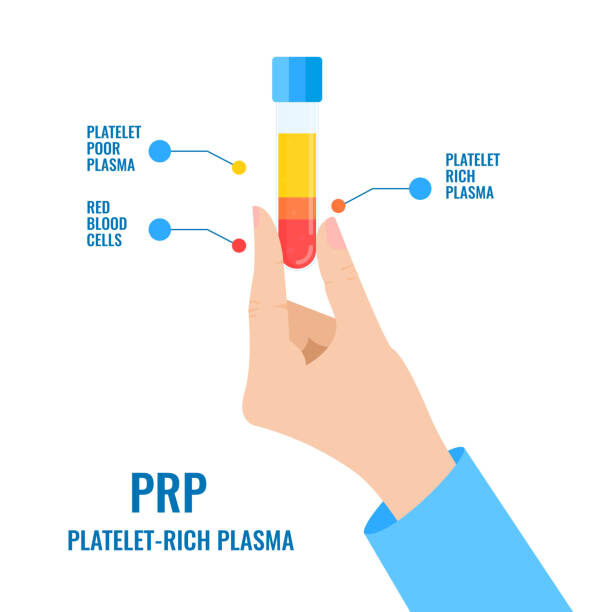
PRP injections involve drawing a patient’s blood, processing it—typically using systems like Siny PRP ACD+Gel PRP Tube or Siny PRP Sodium Citrate Gel Tube—and concentrating platelets rich in growth factors. These platelets are then injected into the injured or targeted area to stimulate healing.
After injection, the body enters a controlled inflammatory phase. This is not damage—it’s the beginning of regeneration. Exercising too early can disrupt this process, reducing treatment effectiveness.
This is why knowing how long to wait to exercise after PRP injection is not just about safety—it directly impacts results.
👉 Clinics that want consistent outcomes often rely on stable PRP systems. You can explore more options on Siny PRP to ensure reliable preparation.
How Long To Wait To Exercise After PRP Injection: Recovery Timeline
Most top clinical guidelines suggest a phased return to activity, rather than a fixed number of days.
First 24–48 Hours: Complete Rest
Immediately after PRP injection, patients should avoid all forms of exercise. Even light activities can interfere with platelet activation and distribution.
Days 3–7: Light Movement Only
Gentle movements such as walking or stretching may be allowed, depending on the treatment area. However, no resistance training or high-impact activity should be introduced.
Week 2: Gradual Reintroduction
Low-intensity exercises can begin. This includes controlled physical therapy movements or light cycling.
Weeks 3–6: Progressive Training
Patients can gradually return to more demanding workouts, but intensity should still be monitored.
After 6 Weeks: Full Activity (If Cleared)
Most patients can resume full exercise routines—provided healing has progressed well.
So, when asking how long to wait to exercise after PRP injection, the realistic answer is:
👉 From 2 weeks (light activity) to 6 weeks (full return), depending on the case.
Factors That Affect How Long To Wait To Exercise After PRP Injection
Not all PRP treatments are the same. Several factors influence recovery time:
1. Injection Area
- Knee or tendon injuries require longer recovery.
- Scalp PRP (hair restoration) allows a faster return.
2. Severity of Condition
Chronic injuries often need a longer healing window than acute cases.
3. PRP Quality and Preparation
This is often overlooked—but critical.
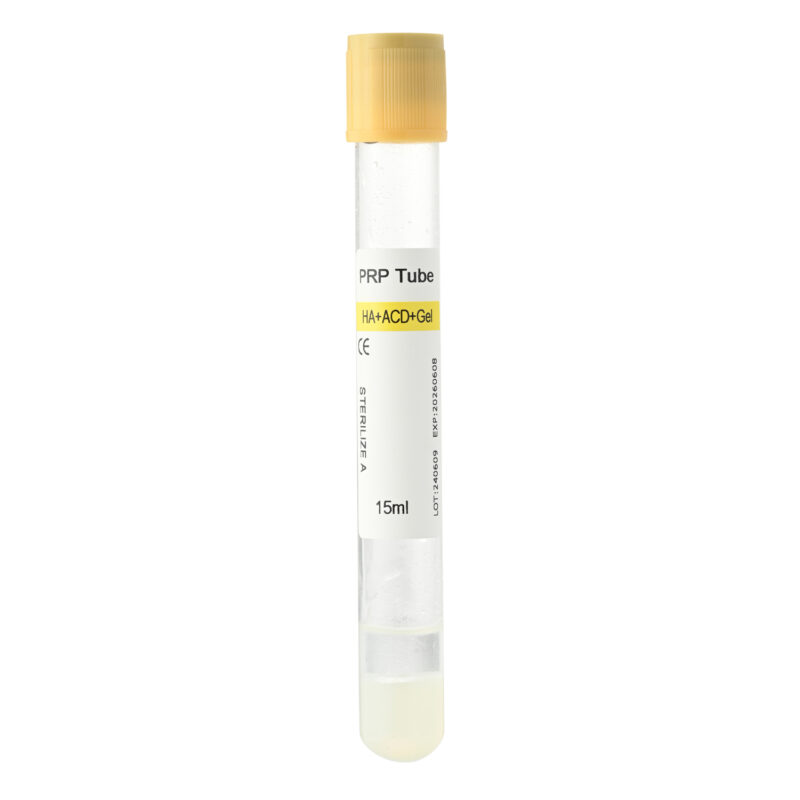
The concentration of platelets, separation clarity, and absence of contaminants all affect how well the body responds. High-quality systems like Siny PRP ACD+Gel+HA Tube for Orthopedic Use ensure consistent separation, which can improve recovery predictability.
👉 For distributors and clinics, choosing the right PRP tube supplier is just as important as the treatment itself.
4. Patient Compliance
Following post-injection instructions plays a major role in outcomes.
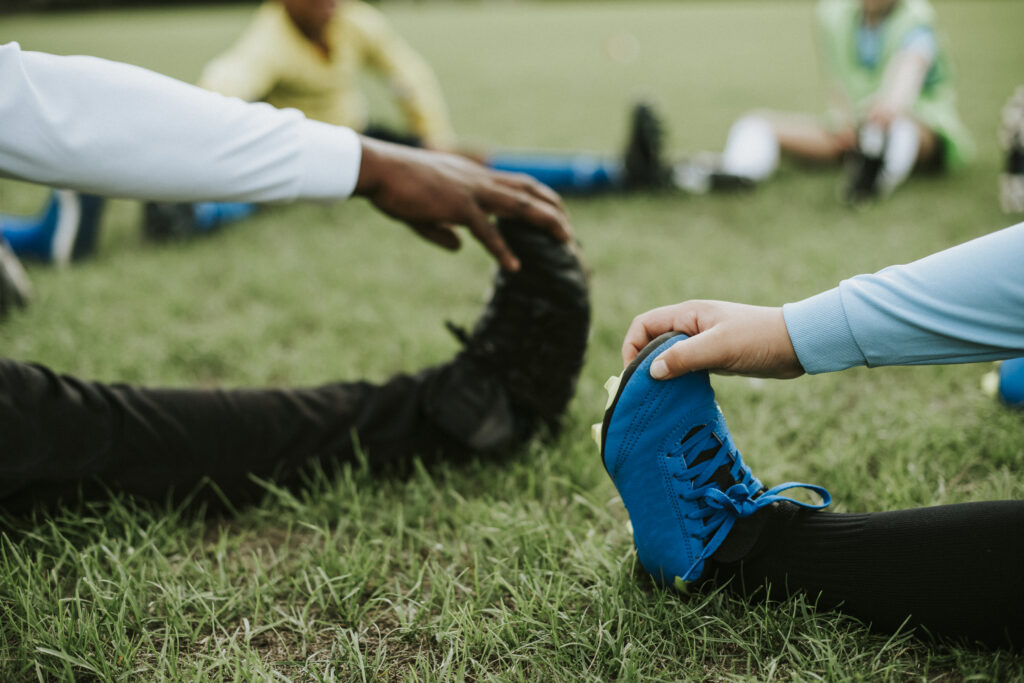
What Happens If You Exercise Too Soon After PRP Injection?
Exercising too early is one of the most common mistakes—and it can compromise results.
Here’s what can go wrong:
- Disruption of platelet localization
- Increased inflammation or swelling
- Reduced the effectiveness of growth factors
- Higher risk of re-injury
In simple terms, returning to activity too soon may undo the benefits of the treatment.
That’s why understanding how long to wait to exercise after PRP injection is essential—not just for patients, but for clinics aiming to deliver consistent outcomes.
Best Practices for Safe Return to Exercise
To maximize PRP results, consider the following guidelines:
- Follow a structured rehabilitation plan.
- Avoid anti-inflammatory drugs immediately after treatment.
- Gradually increase intensity, not duration first.
- Work with a clinician or physiotherapist.
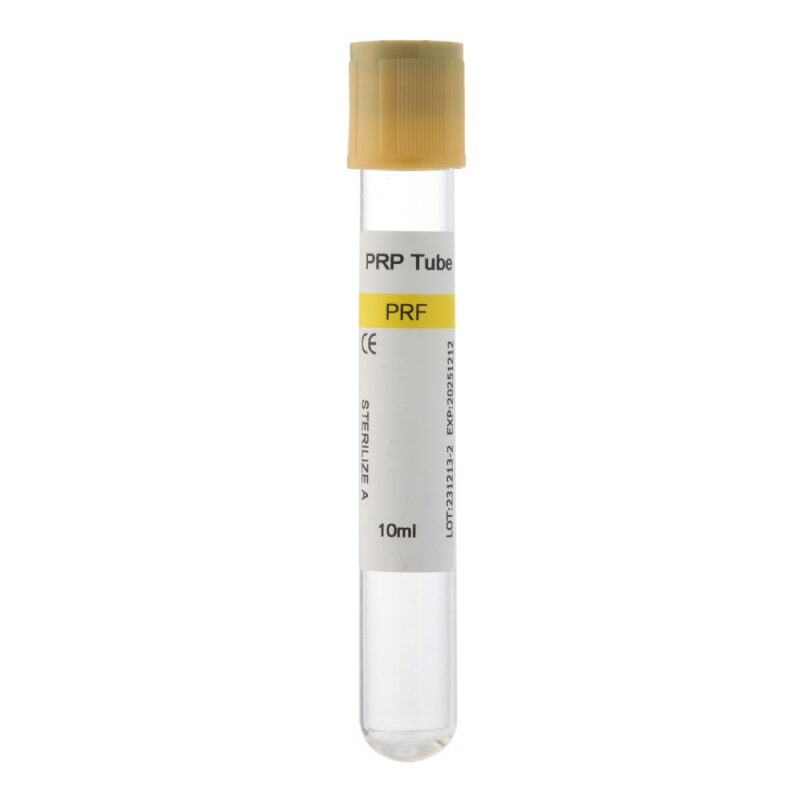
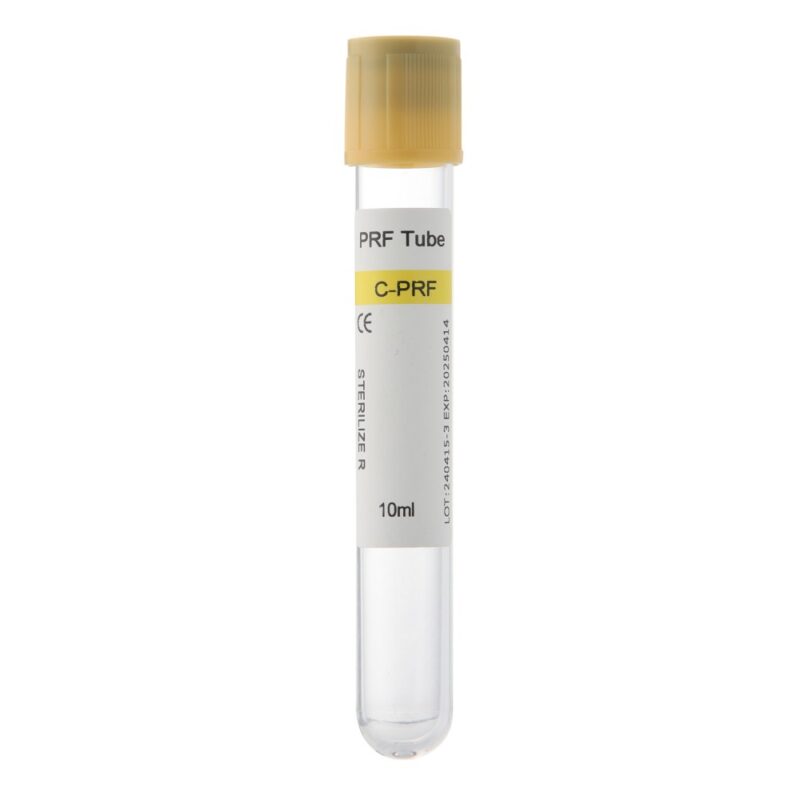
From a clinical operations perspective, using standardized PRP preparation systems—such as Siny PRP 10ml Yellow Top ACD+Gel Tube—can help ensure reproducible results across patients.
👉 If you’re sourcing PRP kits for your clinic or distribution business, it’s worth reviewing the full product range at Siny PRP to match different treatment needs.
FAQs
How long after PRP injection can I walk?
Walking is usually allowed within 24–48 hours, but only at a low intensity.
Can I do gym workouts after PRP?
Most patients should wait at least 2 weeks before resuming light gym activity, and 4–6 weeks for full workouts.
Is it okay to run after PRP injection?
Running should be avoided for at least 2–3 weeks, depending on the treatment area.
Does exercise affect PRP results?
Yes. Exercising too early can reduce effectiveness, while gradual reintroduction supports healing.
Does PRP recovery time vary?
Absolutely. It depends on the condition, injection site, and PRP preparation quality.
Final Thoughts
Understanding how long to wait to exercise after PRP injection is key to achieving the best possible results. While timelines can vary, a structured, gradual return to activity is always the safest approach.
For clinics and distributors, it’s also important to remember that outcomes don’t rely on technique alone—the consistency of PRP preparation plays a major role. Choosing a reliable supplier like Siny PRP can help ensure every treatment delivers predictable, high-quality results.
If you’re looking to improve your PRP offerings or expand your product line, now is the right time to explore professional-grade solutions.