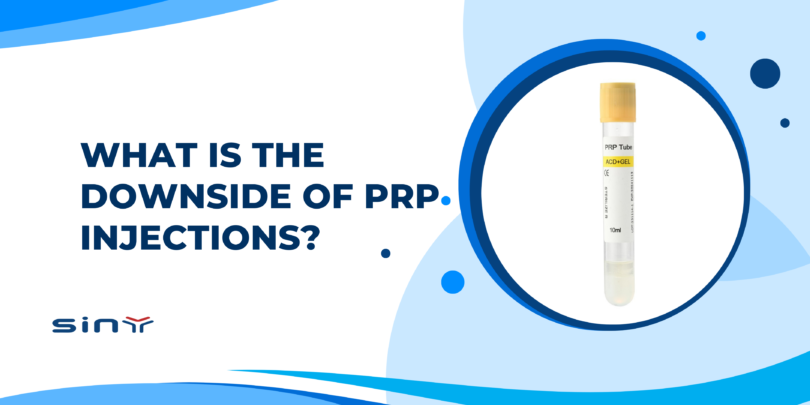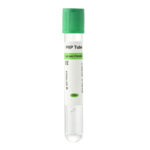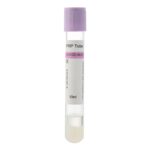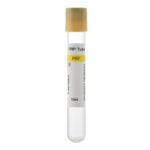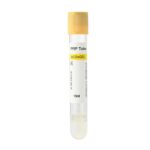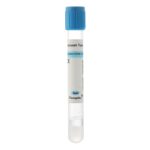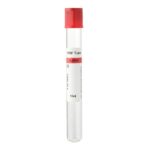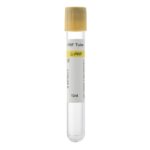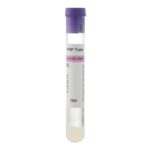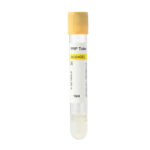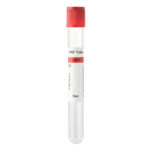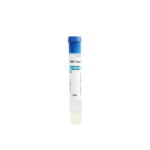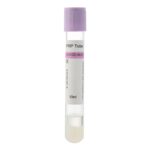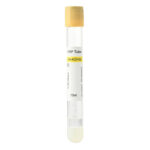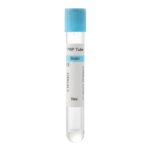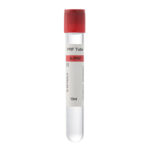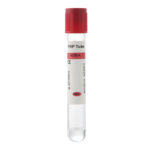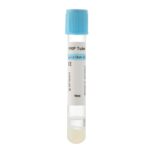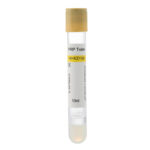
In recent years, interest in regenerative therapies has surged, especially surrounding Exosomes vs PRP, two widely used biological treatments in dermatology, orthopedics, and aesthetic medicine. While clinicians understand the science, many procurement managers, distributors, and clinic owners struggle when choosing reliable PRP products—especially PRP tubes—because the market is saturated with inconsistent quality. This guide breaks down the differences between exosomes and PRP, how they work, how PRP is prepared, and what you should consider when purchasing products for your practice.
What Is PRP and Why It Remains a Core Regenerative Therapy
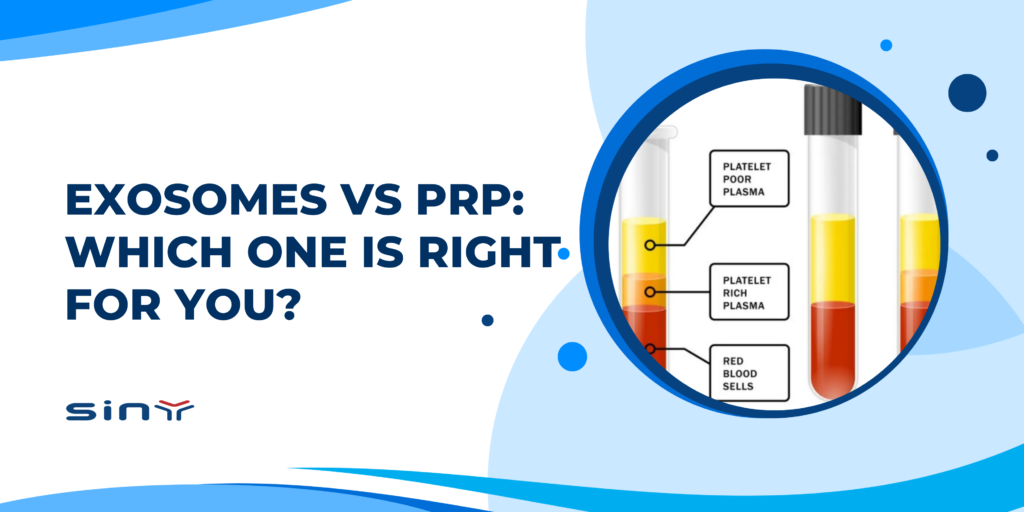
To understand Exosomes vs PRP, it’s essential to first clarify what PRP actually is and why it has become a foundational tool in regenerative treatments. PRP—Platelet-Rich Plasma—is an autologous concentrate prepared from a patient’s own blood. By centrifugation, platelets are isolated and concentrated, yielding a plasma solution rich in growth factors, cytokines, and bioactive proteins that stimulate tissue repair.
Clinically, PRP is widely used because it is safe, minimally invasive, and cost-effective. Since the material comes from the patient, PRP avoids immune rejection, allergic reactions, and regulatory complexities associated with donor materials. For hair restoration, orthopedic injuries, skin rejuvenation, and wound care, PRP continues to offer reliable results backed by years of research.

What Are Exosomes?
Exosomes are nanosized extracellular vesicles naturally released by stem cells, immune cells, and many other cell types. Unlike PRP, which relies on concentrated platelets, exosomes function as biological messengers. They carry microRNA, mRNA, proteins, lipids, and signaling molecules that influence how nearby cells behave. In regenerative medicine, this means exosomes can activate healing pathways, modulate inflammation, and enhance collagen production.
Because exosomes are cell-derived but not tied to the patient’s own blood, they offer a standardized, ready-to-use product. They require no blood draw, no centrifugation, and no preparation time in the clinic. This makes them especially attractive for high-volume aesthetic practices and advanced skin therapies. Their strong anti-inflammatory and reparative signals make them effective for:
- Accelerating post-laser healing
- Improving skin texture and elasticity
- Reducing inflammation
- Supporting hair regrowth
- Enhancing scar remodeling
Preparation Process of PRP
Unlike exosomes, PRP must be prepared within the clinic, and every detail—from blood draw to centrifugation—affects the final concentration and biological activity. This makes the quality of PRP tubes and consumables critically important.
Step 1: Blood Collection
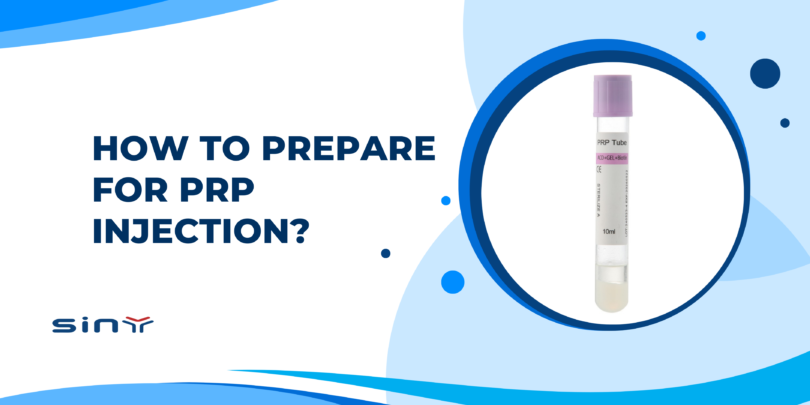
Blood is drawn into sterile PRP tubes preloaded with anticoagulants. Vacuum accuracy and sterility ensure a stable blood condition before centrifugation.
Step 2: First Centrifugation (Soft Spin)
This separates plasma from red blood cells. A well-engineered PRP tube allows clean layering without causing hemolysis or platelet shear.
Step 3: Plasma Extraction
The platelet-rich plasma layer is collected. Tubes with stable gel barriers or defined gradients help prevent contamination from red or white blood cells.
Step 4: Second Centrifugation (Hard Spin)
Many protocols use a second spin to concentrate platelets into a compact pellet, creating higher-purity PRP. The structural integrity of the tube and the stability of the gel are key to successful platelet concentration.
Step 5: Activation (Optional)
Clinicians may activate PRP chemically or allow natural activation during injection or microneedling.
This workflow demonstrates why PRP preparation is highly dependent on consumables. Poorly manufactured PRP tubes can cause clotting, platelet rupture, or separation failure—directly affecting final treatment quality.
For clinics and distributors seeking clinically tested tubes with consistent separation performance, you may explore options from Siny PRP.

Applications and Clinical Considerations: Exosomes vs PRP
Although both therapies promote regeneration, their ideal uses differ.
PRP Is Often Preferred For:
- Hair restoration procedures
- Orthopedic pain and joint injuries
- Facial rejuvenation and microneedling
- Tendon/ligament recovery
- Acne scars and tissue remodeling
PRP works well for patients preferring autologous treatment or those prioritizing safety and cost efficiency. Because PRP relies heavily on preparation quality, the choice of tubes, centrifugation protocol, and operator training significantly influences outcomes.
Exosomes Are Often Preferred For:
- Severe inflammatory skin conditions
- Post-laser repair
- Anti-aging therapies need strong molecular signaling
- Patients with low platelet counts (limit PRP use)
Exosomes are shelf-stable (with proper storage), require no blood draw, and offer a potent regenerative signal without preparation variability.
When procurement teams evaluate both options, PRP tends to be more cost-effective long-term but requires higher consistency in consumable supplies. Exosomes are easier to use but costlier per treatment session.
Choosing Between Exosomes and PRP
Neither therapy is universally better—each suits different clinical needs. PRP is favored for its autologous safety and affordability, while exosomes provide strong molecular-level benefits with minimal preparation. The decision depends on:
- Treatment indication
- Patient preference
- Clinic setup and equipment
- Cost structure
- Regulatory environment
- Supplier reliability
For clinics offering both, PRP remains the backbone therapy because of its broad applicability and lower per-treatment cost. Exosomes often serve as a premium add-on or combined therapy.
Regardless of your choice, the quality of your products and consumables determines clinical consistency. This makes selecting a trusted supplier crucial.
If your clinic or business is seeking dependable PRP consumables or wants guidance on selection, feel free to contact Siny PRP for professional support.
FAQs
Q1: Can exosomes be combined with PRP?
Yes. Many clinics combine them to enhance signaling and healing effects, especially in hair restoration and skin rejuvenation.
Q2: Is PRP safer than exosomes?
PRP is autologous, which eliminates cross-reactivity risks. Exosomes are safe when properly manufactured, but supplier quality is crucial.
Q3: Do PRP tubes affect final platelet concentration?
Absolutely. Tube additives, gel stability, and centrifugation compatibility all influence platelet recovery and purity.
Q4: Are exosomes more effective than PRP?
They are not “better,” but different. Exosomes excel in molecular signaling and inflammation control; PRP excels in natural wound healing and tissue repair.
Q5: What is the biggest challenge in buying PRP supplies?
Inconsistent tube quality. Poor-quality products cause separation errors, platelet damage, or unreliable results.
Final Summary
When comparing Exosomes vs PRP, clinics must evaluate not only biological effectiveness but also workflow, cost, patient preference, and the reliability of suppliers. PRP remains versatile and cost-efficient, while exosomes provide strong regenerative effects with minimal preparation. Regardless of the therapy you choose, consistent product quality is the backbone of dependable clinical results.