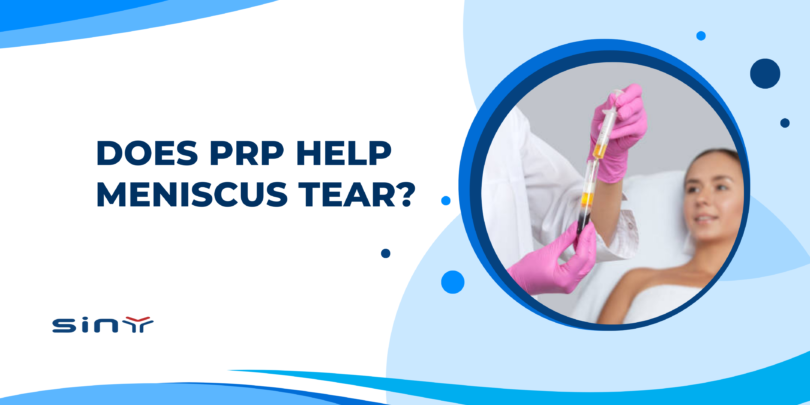
Does PRP help meniscus tear? The short answer is: yes, in certain cases, platelet-rich plasma (PRP) can support healing and reduce symptoms, particularly in mild to moderate tears located in vascularized areas of the meniscus.
The meniscus is a crescent-shaped cartilage in the knee that acts as a shock absorber. However, only the outer third—known as the “red zone”—has sufficient blood supply. Tears in this region are more likely to respond to biological therapies like PRP, while inner “white zone” tears often require surgical intervention.
PRP works by delivering a concentrated dose of platelets and growth factors directly to the injured site. These bioactive components may:
- Stimulate tissue repair.
- Reduce inflammation.
- Improve joint function over time.
Still, outcomes vary depending on tear severity, patient age, and PRP preparation quality—which is often overlooked in general discussions.
What Is PRP and Why Does It Matter for Meniscus Healing
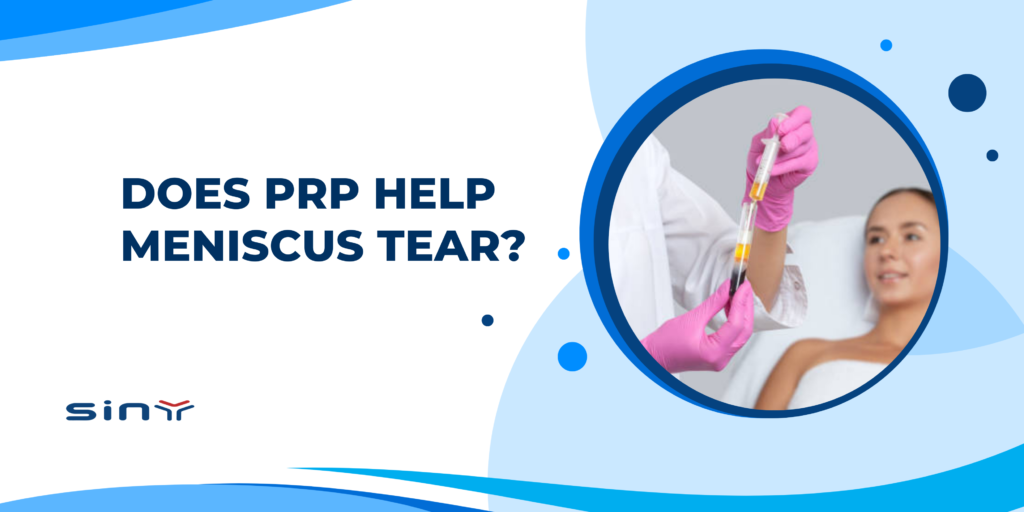
Platelet-rich plasma is derived from the patient’s own blood, processed through centrifugation to isolate platelets and growth factors. The effectiveness of PRP therapy depends heavily on how well the plasma is prepared, not just how it is injected.
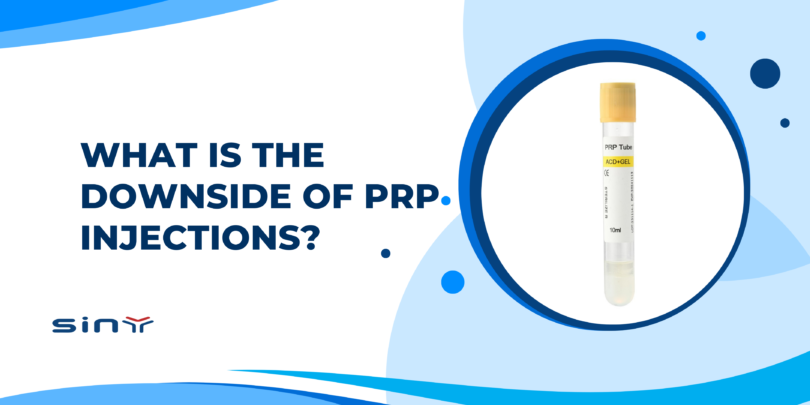
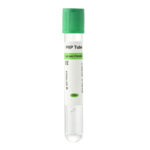
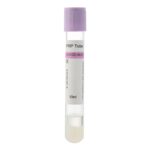
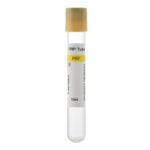
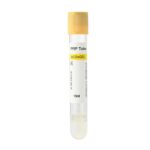
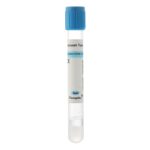
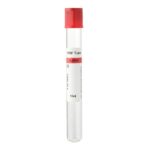
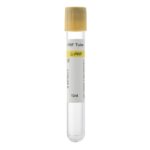
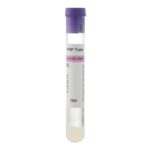
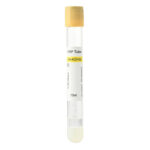
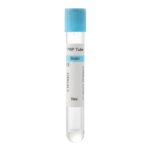
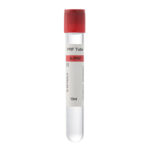
For example, high-quality systems such as:
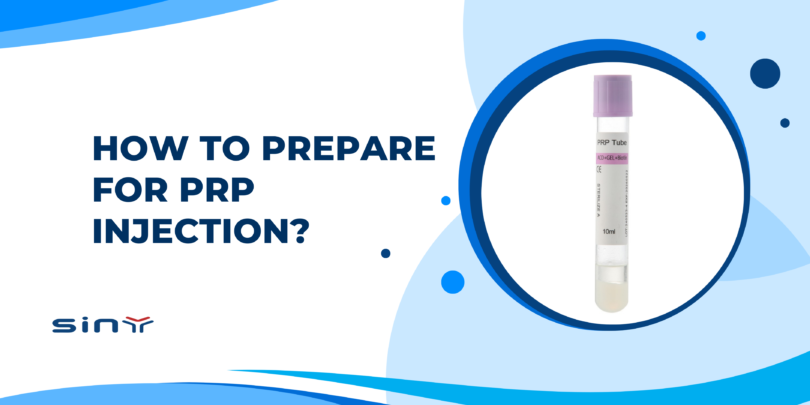
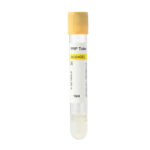
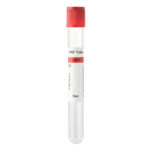
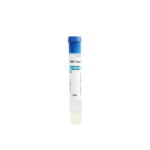
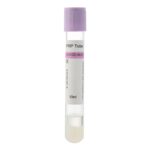
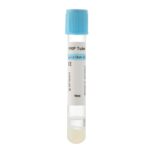
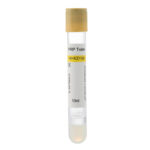
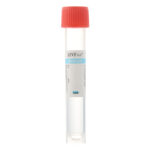
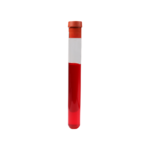
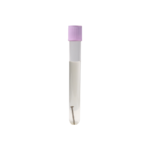
- ACD Gel PRP Tube for Orthopedic Use
- Sodium Citrate + Gel PRP Tube
- Biotin PRP Tube for Regenerative Therapy
They are designed to ensure optimal platelet concentration and clean separation layers.
A poorly prepared PRP sample—contaminated with red blood cells or lacking sufficient platelet concentration—can significantly reduce clinical outcomes. That’s why understanding the preparation system is just as important as understanding the treatment itself.
If you’re evaluating PRP for orthopedic applications, it’s worth reviewing reliable preparation systems on platforms like Siny PRP to ensure consistent results.

How PRP Treatment for Meniscus Tear Works (Step-by-Step)
A typical PRP treatment for meniscus injury involves several key steps:
1. Blood Collection
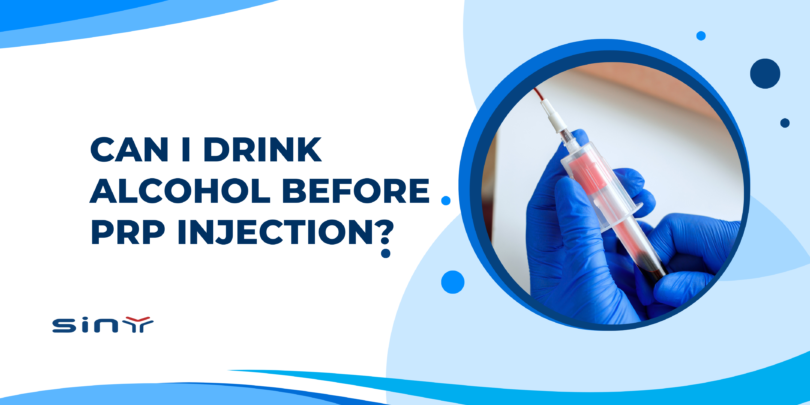
Venous blood is drawn using sterile vacuum tubes designed for PRP preparation.
2. Centrifugation
The sample is spun at controlled speeds to separate plasma, platelets, and red blood cells.
3. PRP Extraction
The platelet-rich layer is carefully extracted, avoiding contamination.
4. Injection
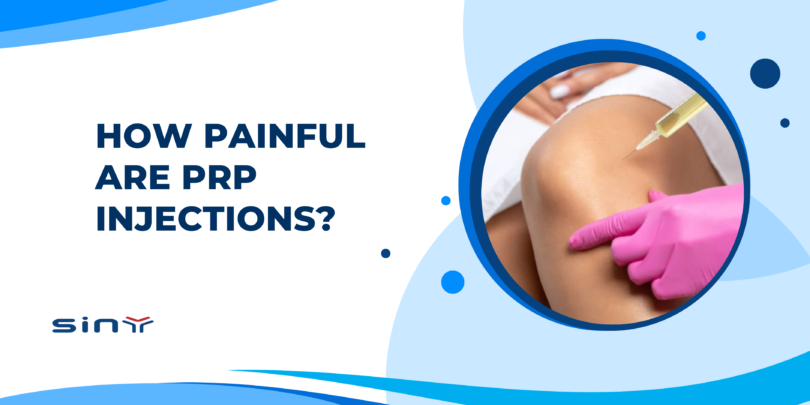
PRP is injected into the affected knee joint under ultrasound guidance.
5. Recovery & Rehabilitation
Patients usually follow a structured rehab plan to maximize healing.
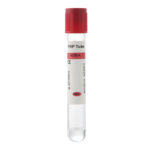
The choice of PRP tube and gel system directly affects separation quality. Advanced options like HA PRP Tubes or ACD-A PRP Tubes with Separator Gel can improve platelet yield and consistency—critical factors for orthopedic outcomes.
Clinics looking to standardize their procedures often start by optimizing their PRP preparation kits before scaling treatment protocols.

Does PRP Help Meniscus Tear in All Cases? Limitations and Expectations
While PRP therapy is promising, it is not a universal solution.
PRP tends to work best for:
- Partial meniscus tears
- Early-stage degenerative changes
- Younger or moderately active patients
PRP is less effective for:
- Complex or large tears
- Chronic degenerative damage
- Cases requiring mechanical stabilization
Clinical studies suggest PRP may reduce pain and delay surgery, but it does not “regrow” cartilage in all cases.
Another critical limitation is variability in PRP quality across providers. Differences in centrifuge protocols, tube additives, and separation technology can lead to inconsistent results—even for similar patients. This is where sourcing from a dependable supplier like Siny PRP becomes relevant—not as a sales point, but as a way to ensure reproducibility in clinical outcomes.

Choosing the Right PRP System: Why Supplier Quality Matters
In practice, two clinics using PRP may achieve very different outcomes—often due to differences in preparation systems rather than injection technique.
When selecting PRP products, buyers should evaluate:
- Additive type (ACD, sodium citrate, biotin, HA)
- Gel separation efficiency
- Platelet recovery rate
- Sterility and certification (ISO 13485)
- Consistency across batches
For instance, systems like:
They are engineered for stable platelet concentration and clean separation, which are essential in orthopedic treatments such as meniscus repair.
In a competitive market filled with similar-looking products, these technical differences can directly impact clinical success rates.
If you’re sourcing PRP kits for distribution or clinical use, reviewing detailed product specifications—and not just pricing—can make a measurable difference.
FAQ: Does PRP Help Meniscus Tear?
1. How many PRP injections are needed for a meniscus tear?
Typically, 1–3 injections are recommended, depending on severity and patient response.
2. Is PRP better than surgery for meniscus tears?
For minor tears, PRP may help avoid or delay surgery. Severe tears usually still require surgical repair.
3. How long does it take to see results from PRP?
Most patients notice improvement within 4–8 weeks, with continued healing over several months.
4. Are there risks associated with PRP injections?
Since PRP is autologous, risks are low, but improper preparation or injection technique can reduce effectiveness.
5. Does PRP work for all types of meniscus tears?
No—PRP is more effective in vascularized areas and early-stage injuries.
Final Thoughts
So, does PRP help meniscus tear? The evidence suggests it can be a valuable tool—especially when used appropriately and prepared correctly. However, the success of PRP therapy is not just about the concept, but about execution, consistency, and product quality.
For clinics, distributors, and procurement teams, this means looking beyond basic treatment claims and focusing on reliable PRP systems that deliver reproducible results.
If you’re exploring PRP solutions for orthopedic applications, taking a closer look at well-designed systems—such as those available through Siny PRP—can help you build both clinical confidence and long-term partnerships.