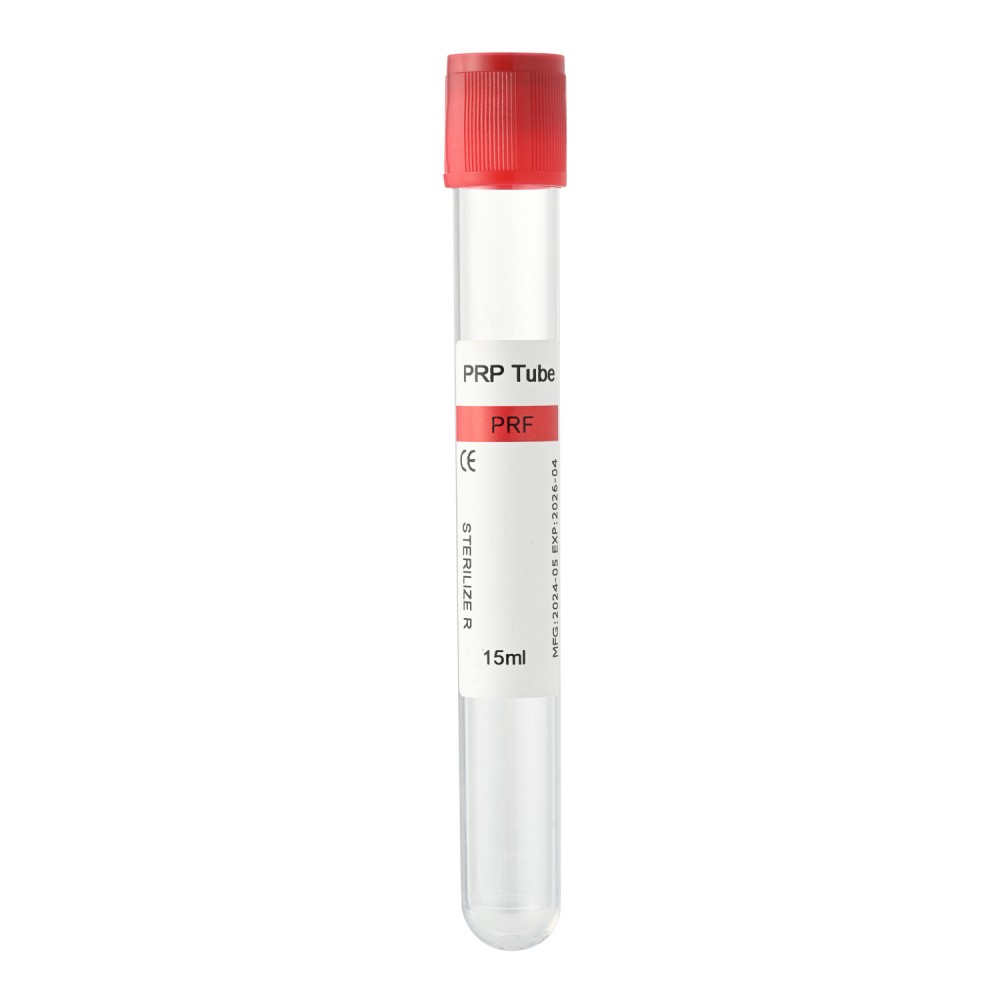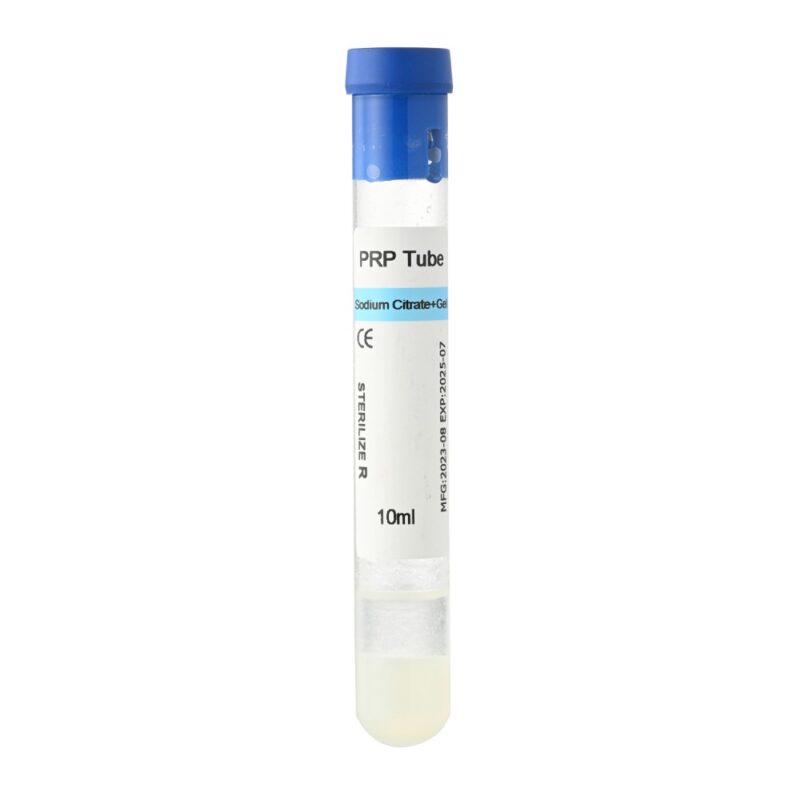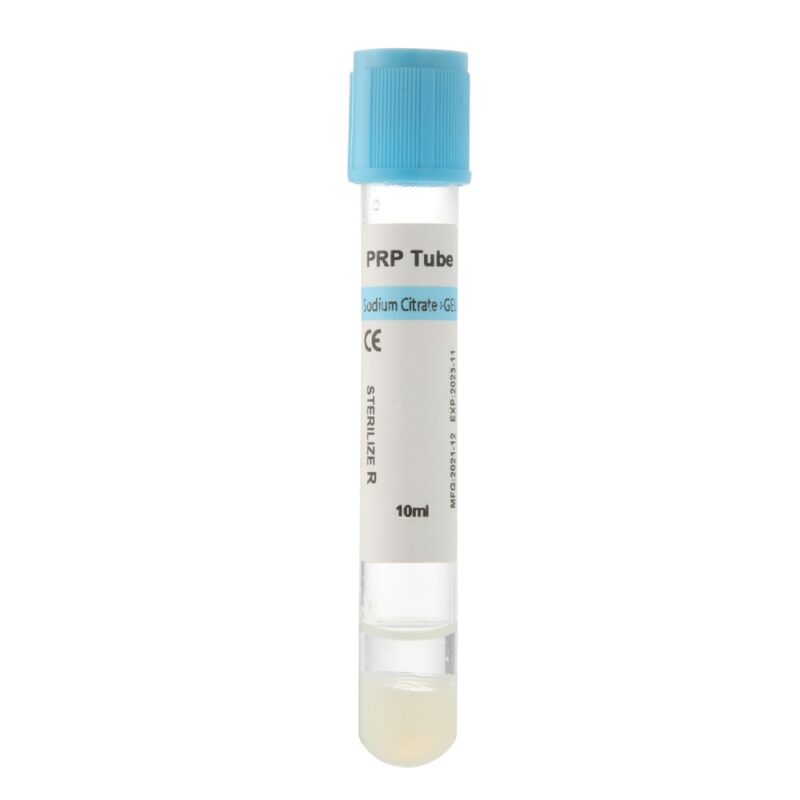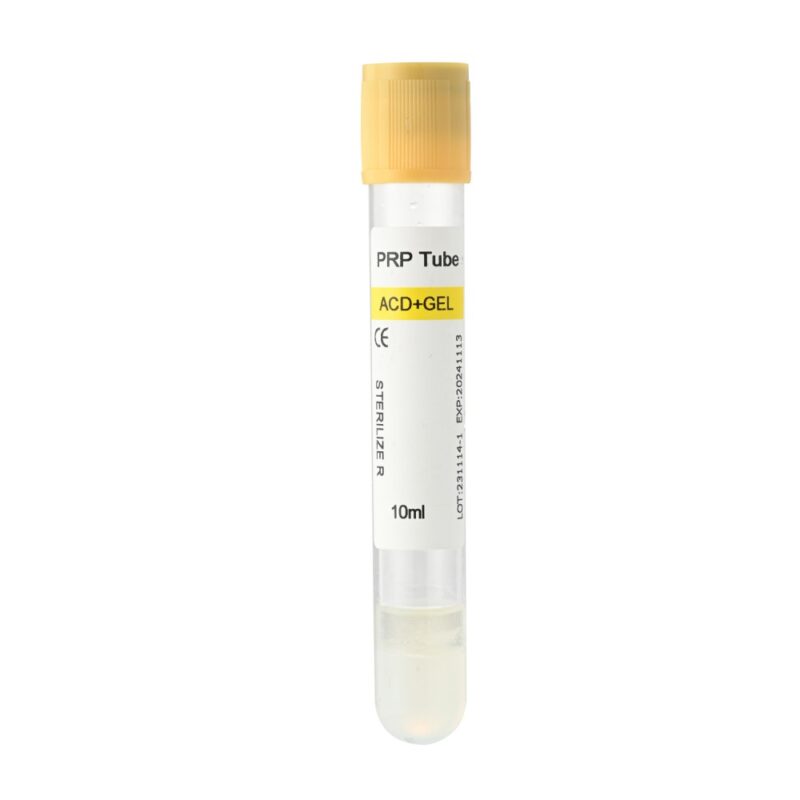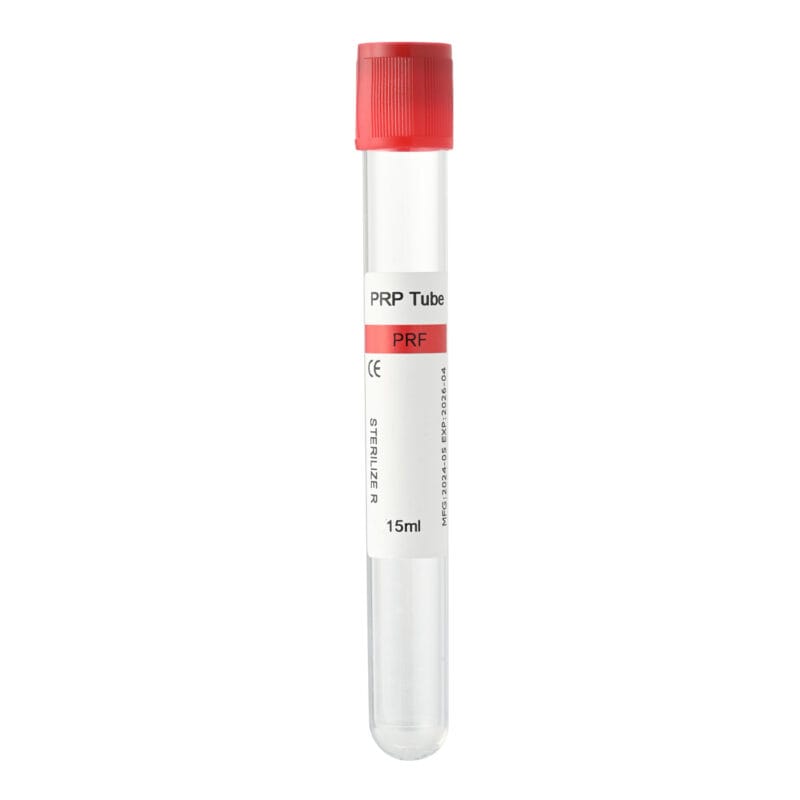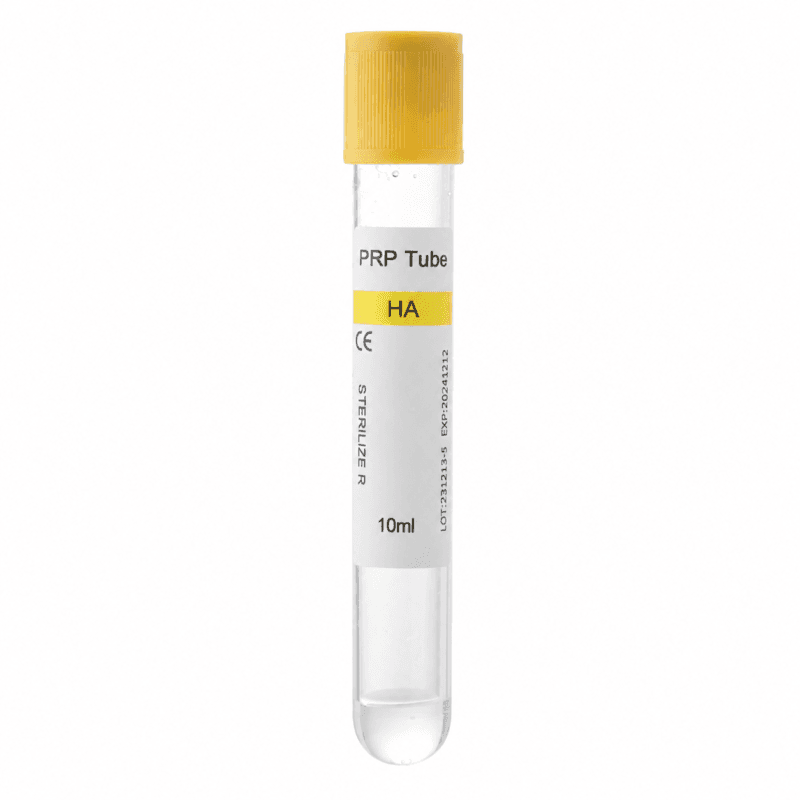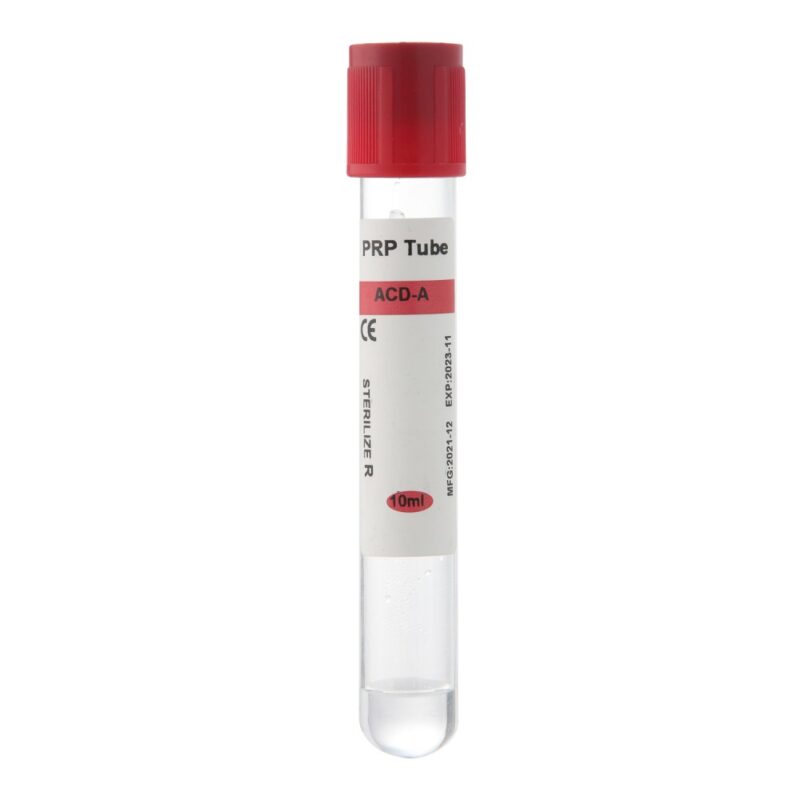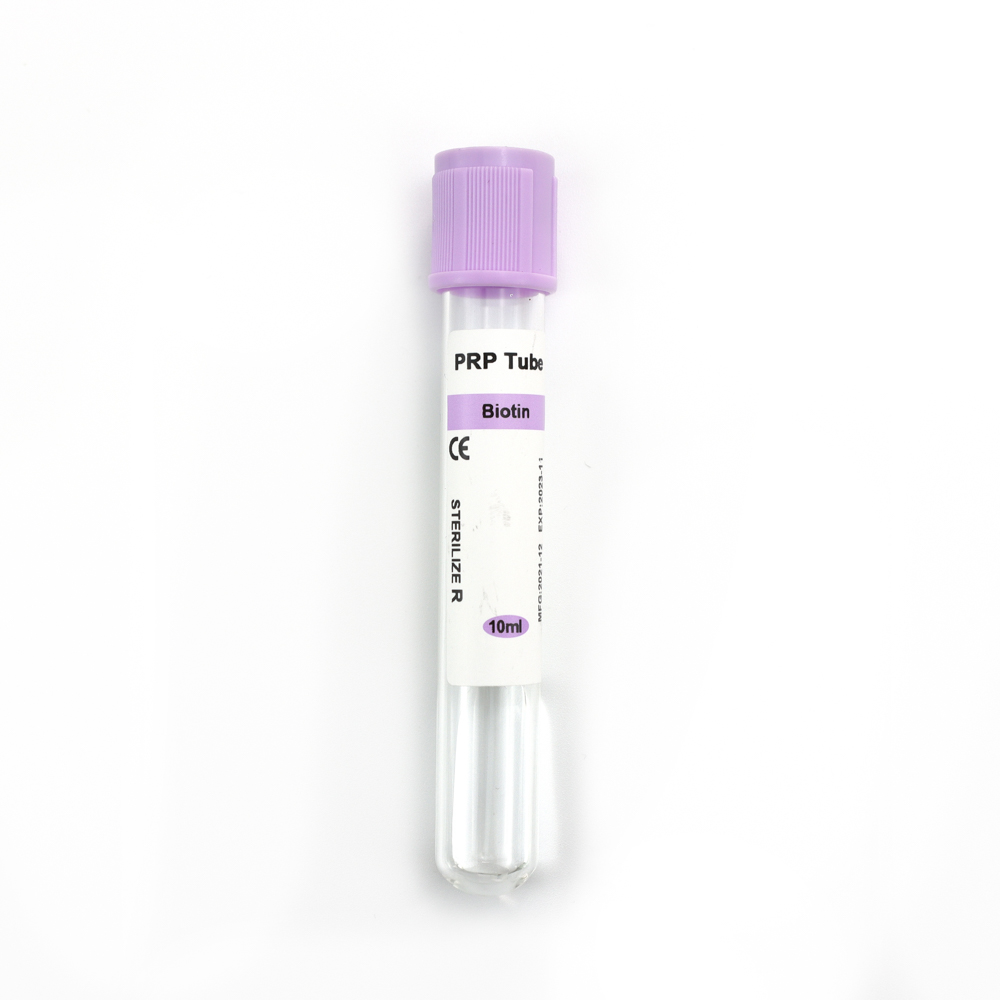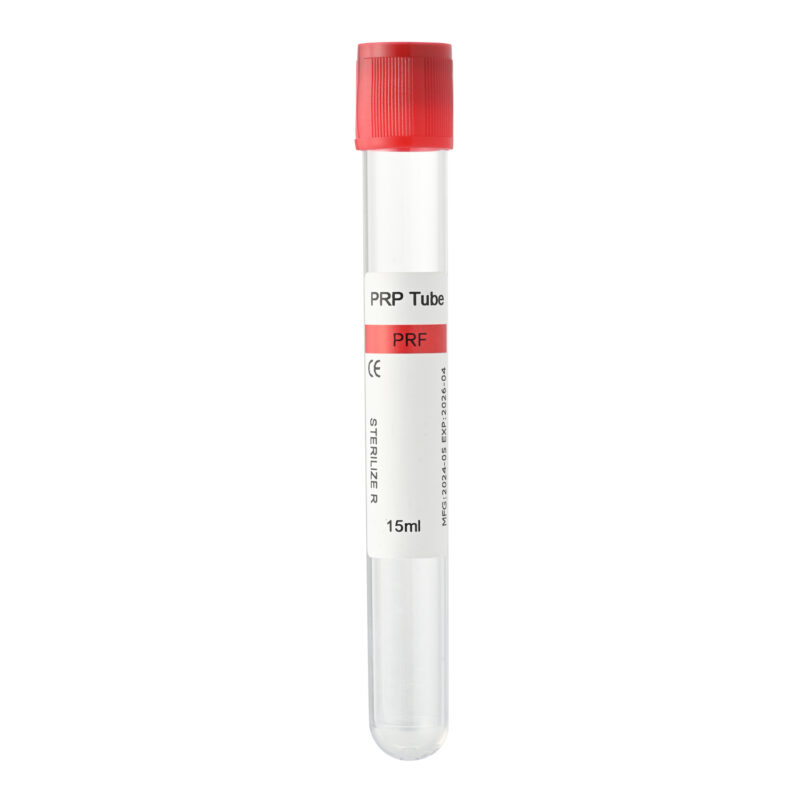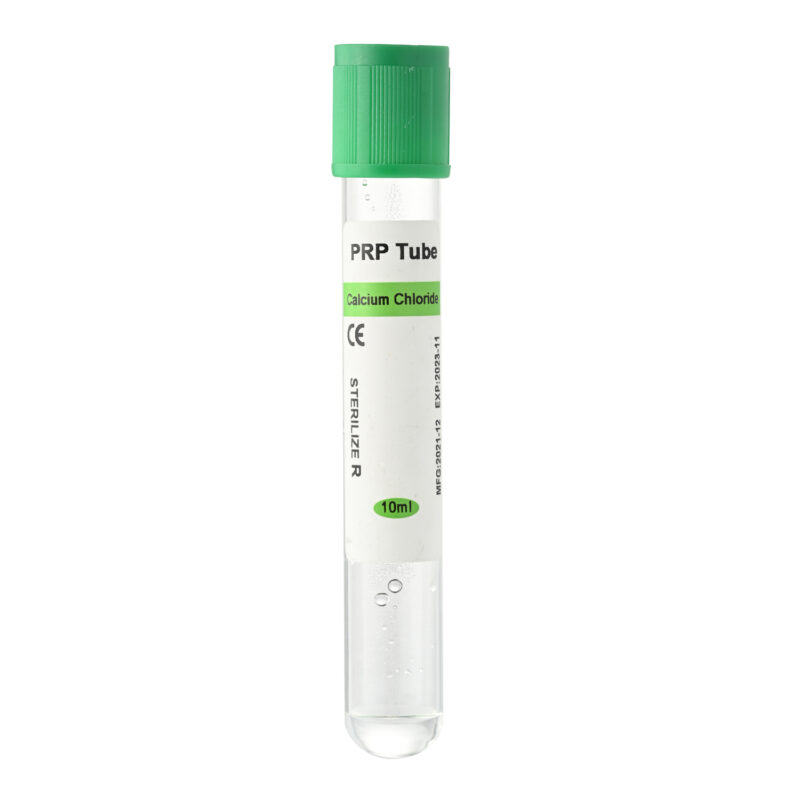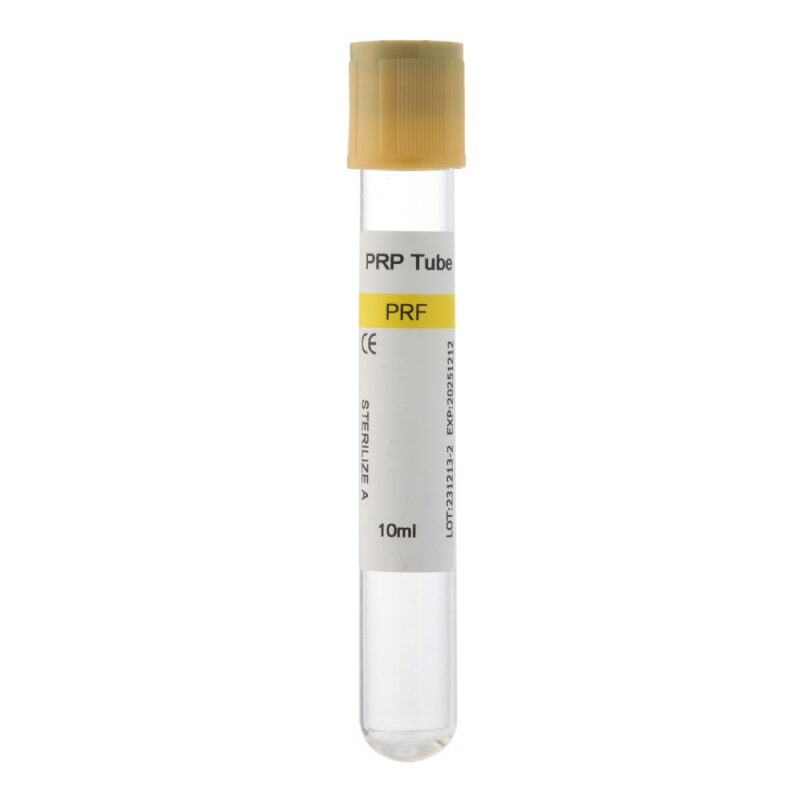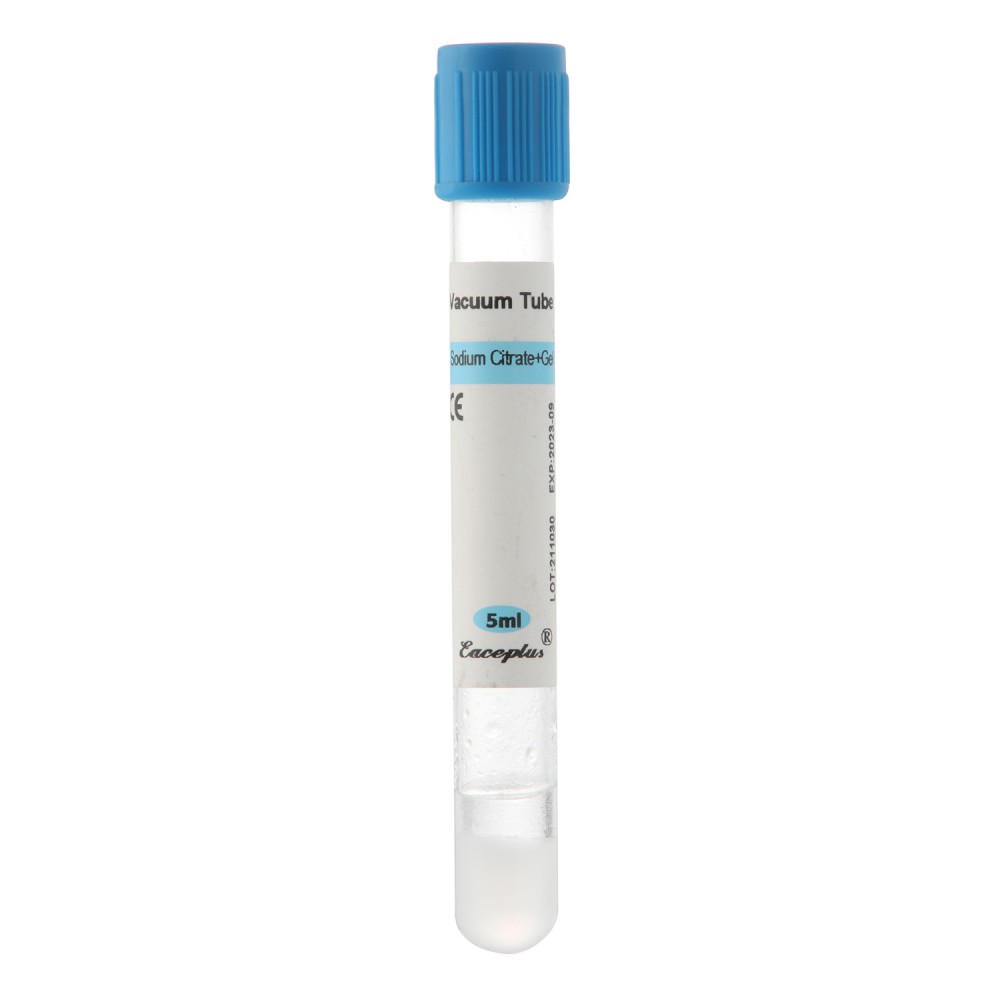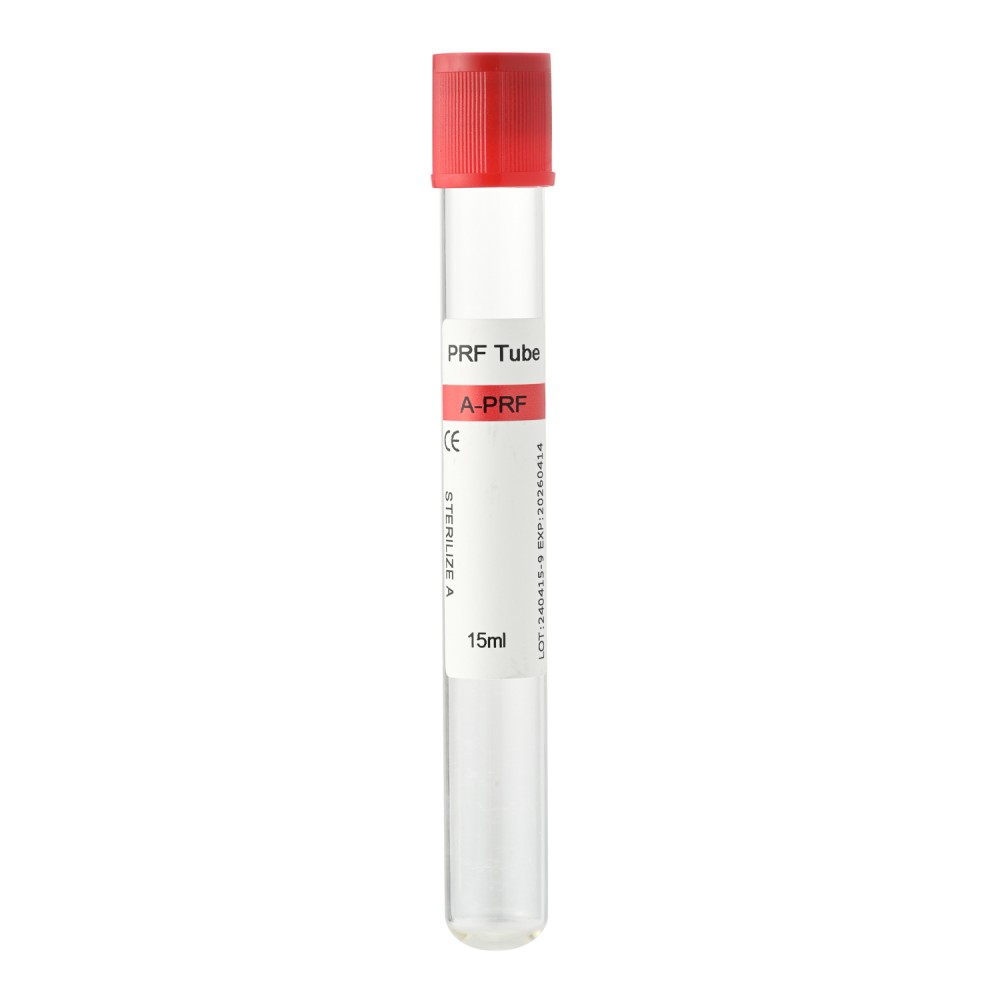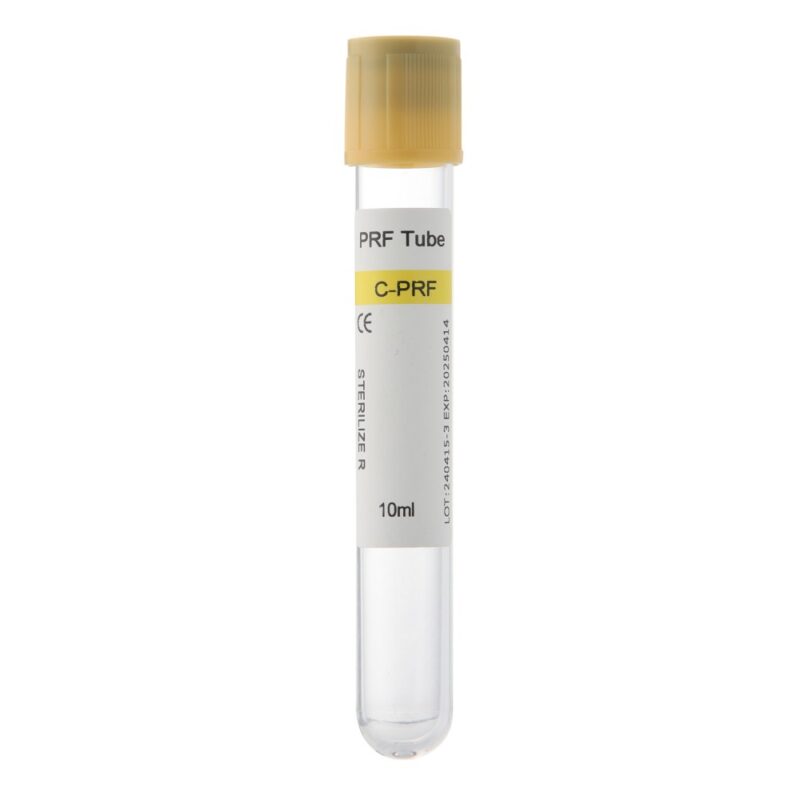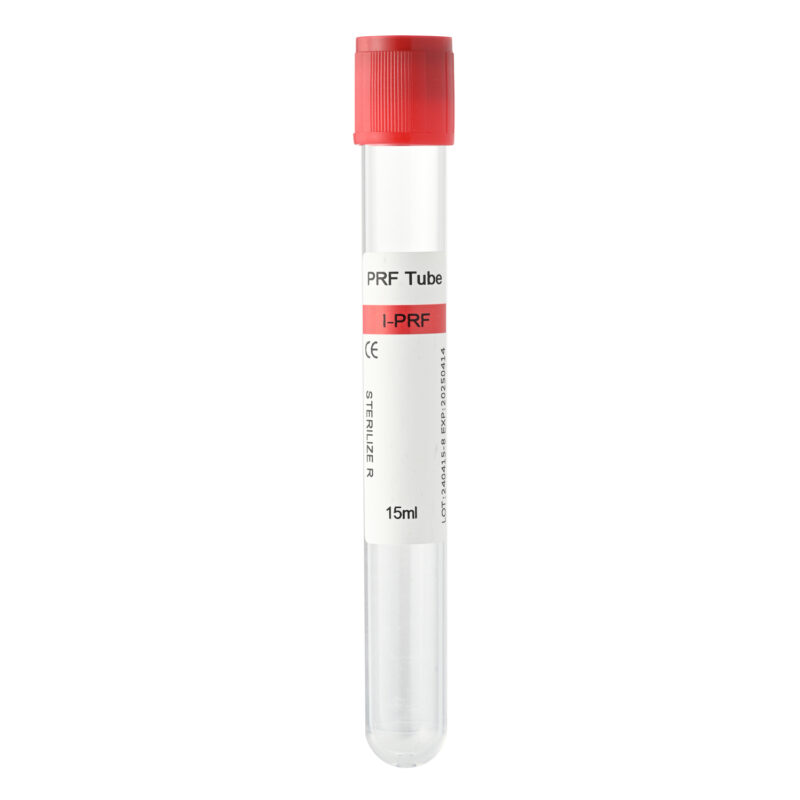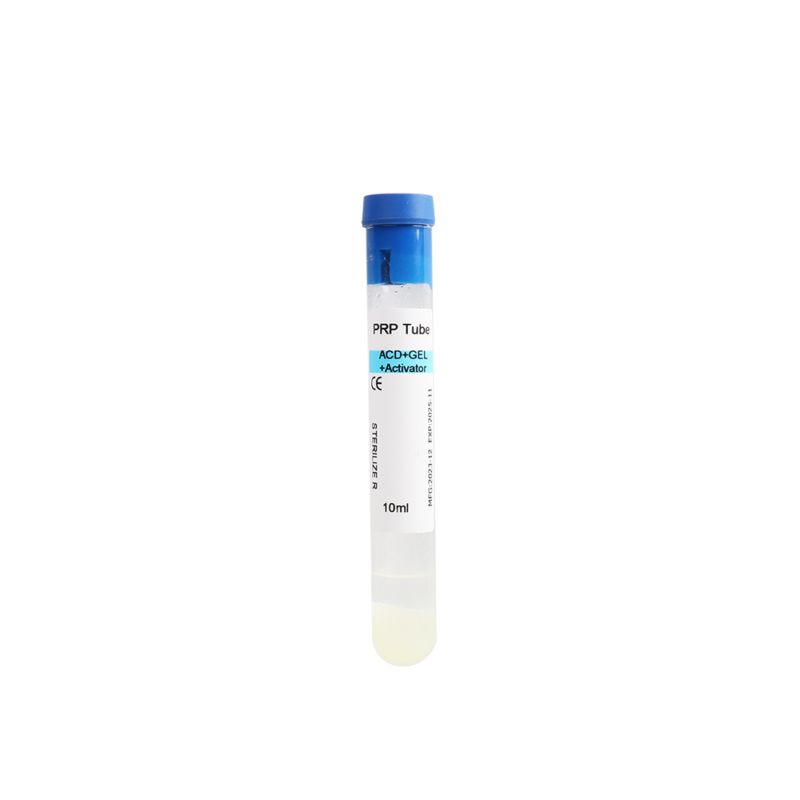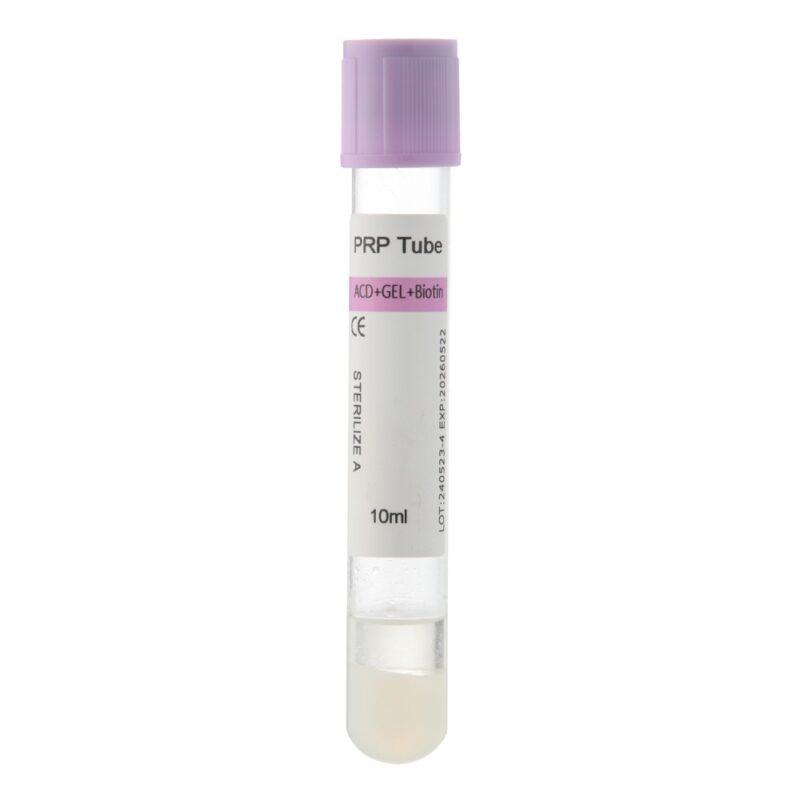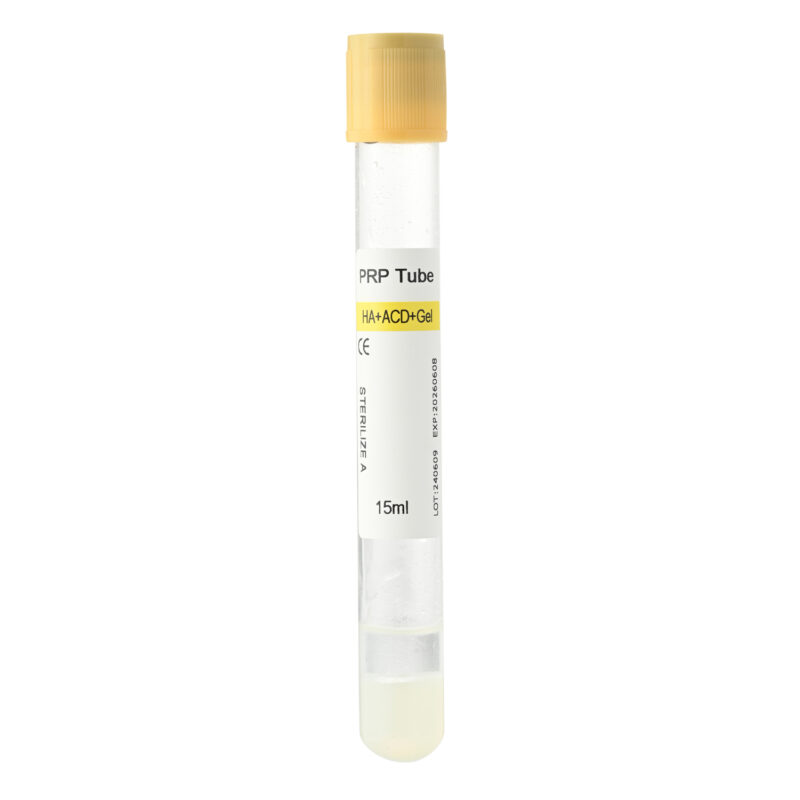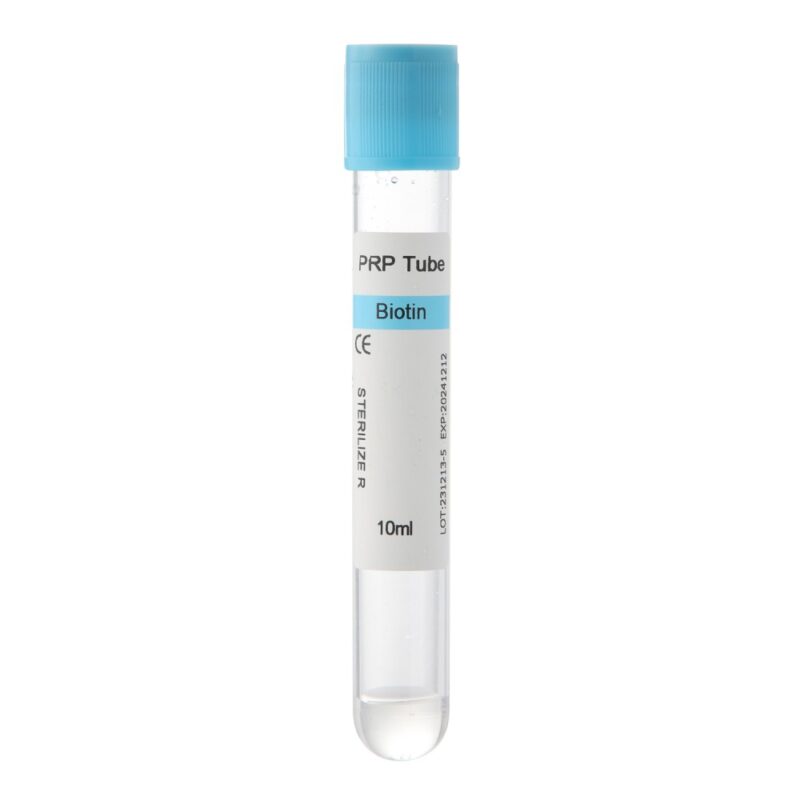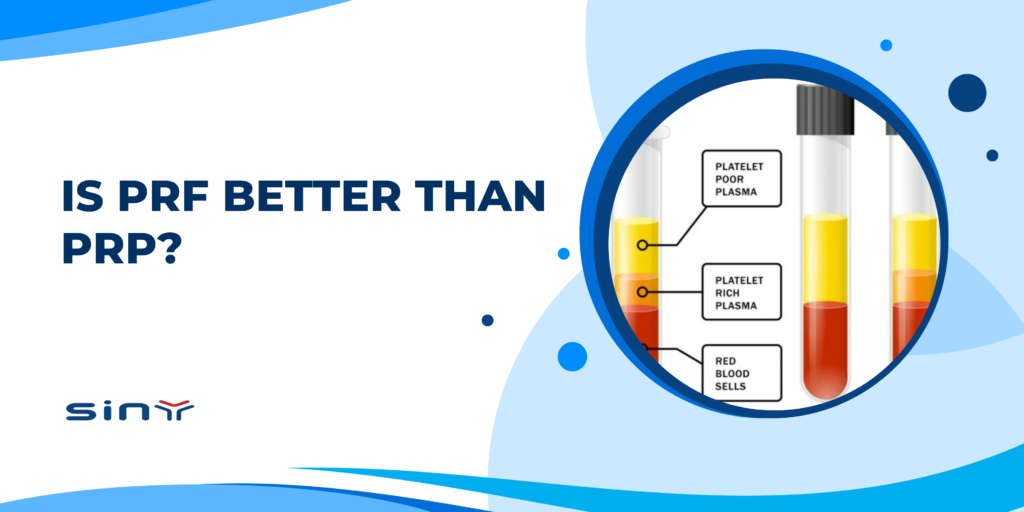
Is PRF better than PRP? This is one of the most common questions among clinics, practitioners, and distributors exploring regenerative medicine solutions. Both platelet-rich plasma (PRP) and platelet-rich fibrin (PRF) are autologous blood-based therapies designed to accelerate tissue repair, improve skin quality, and stimulate hair growth. However, their preparation methods, biological behavior, and clinical indications differ in meaningful ways.
For clinics and distributors sourcing PRP and PRF tubes, understanding these differences is crucial—not only for treatment outcomes but also for informed product selection and effective procurement strategies. This guide explains how PRP and PRF work, compares their advantages and limitations, and highlights why consumable quality matters.
What Is PRP and How Does It Work?
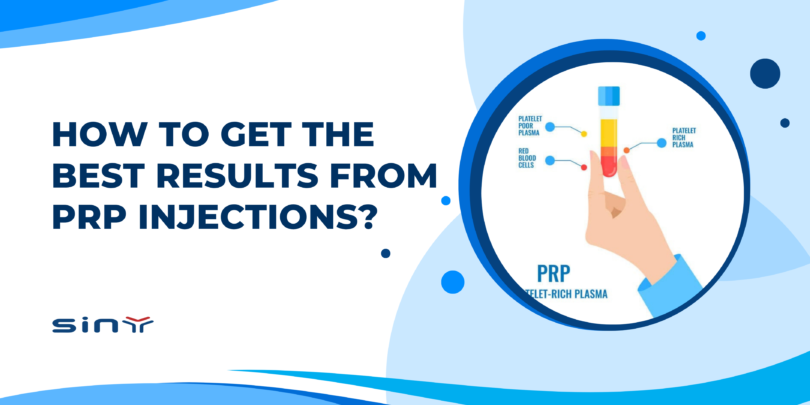
Platelet-rich plasma (PRP) is a concentrated plasma fraction derived from a patient’s own blood. After centrifugation, platelets are separated and injected into target tissues such as the scalp, skin, joints, or wounds.
PRP contains growth factors such as PDGF, VEGF, and TGF-β, which stimulate cell proliferation, angiogenesis, and tissue remodeling. Anticoagulants are added during preparation to prevent clotting, allowing clinicians to inject liquid plasma rich in platelets.
PRP is widely used in dermatology, orthopedics, dentistry, and aesthetics due to its established clinical evidence and predictable preparation protocols.

What Is PRF and How Does It Work?
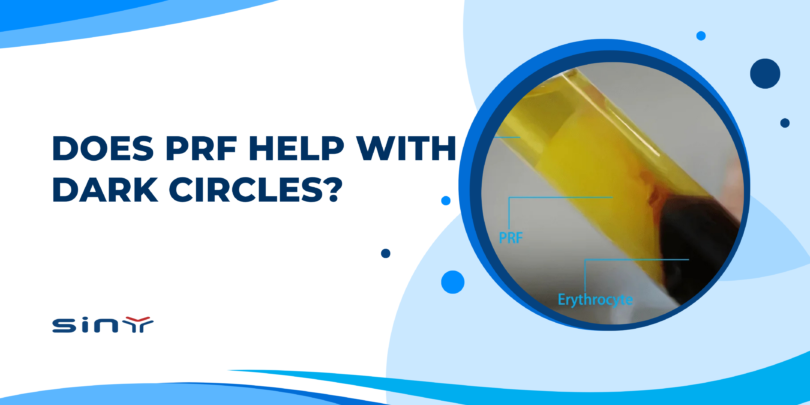
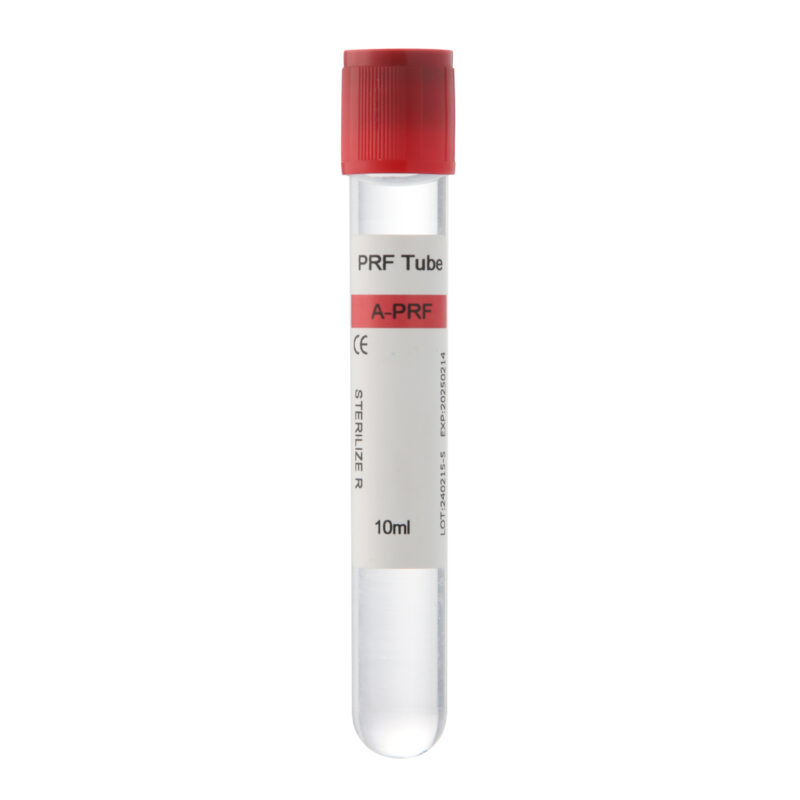
Platelet-rich fibrin (PRF) is a newer generation of platelet concentrate. Unlike Platelet-rich plasma, PRF is prepared without anticoagulants, allowing blood to clot naturally during centrifugation. This forms a fibrin matrix that traps platelets, leukocytes, and growth factors.
The fibrin scaffold acts as a biological reservoir, releasing growth factors gradually over several days. This slow-release mechanism makes PRF particularly attractive for tissue regeneration, wound healing, and advanced facial rejuvenation protocols.
Is PRF Better Than PRP?
1. Growth Factor Release
PRP releases growth factors immediately after injection, while PRF releases them slowly over time due to its fibrin structure. This makes Platelet-rich plasma suitable for rapid stimulation and PRF beneficial for sustained regeneration.
2. Preparation Method
PRP requires anticoagulants and precise centrifugation protocols. PRF does not use anticoagulants, making it more biologically natural but also more time-sensitive during preparation.
3. Clinical Evidence
PRP has a longer history of clinical research and standardized protocols. PRF is a newer technology but is gaining traction due to its promising regenerative outcomes.
4. Handling and Injection
PRP remains injectable as a liquid, while PRF often forms a gel-like consistency. This affects application techniques and treatment protocols.
Benefits and Limitations of PRF vs PRP
Benefits of PRP
- Well-established clinical evidence
- Easier to standardize and store
- Injectable liquid form suitable for multiple indications
- Widely accepted in regulatory frameworks.
Limitations of PRP
- Requires anticoagulants
- Growth factors are released rapidly, with shorter biological activity.
Benefits of PRF
- Natural preparation without anticoagulants
- Slow and sustained growth factor release
- Fibrin scaffold supports cell migration and healing.
- Potentially longer-lasting regenerative effects.
Limitations of PRF
- Short handling window before clot formation
- Less standardized protocols
- Limited long-term clinical data compared to PRP.
Clinical Applications: When PRF May Be Better Than PRP
Whether PRF is better than PRP depends on the clinical goal:
- Hair restoration: PRP remains widely used; PRF may improve follicle microenvironment
- Facial rejuvenation: PRF is increasingly favored for gradual tissue regeneration
- Wound healing and dentistry: PRF is often preferred due to its fibrin matrix
- Orthopedics: PRP is more commonly standardized and researched
In many clinics, PRP and Platelet-rich fibrin are complementary rather than competing therapies.
Why Tube Quality Matters for PRP and PRF Outcomes
Regardless of whether PRF is better than PRP, preparation quality directly affects clinical results. Tube material, additives, sterility, and centrifugation compatibility influence platelet yield and biological activity.
High-quality Platelet-rich plasma and PRF tubes help ensure:
- Consistent platelet concentration
- Minimal contamination with red blood cells
- Stable separation layers
- Batch-to-batch reproducibility
Clinics expanding regenerative services often evaluate technical specifications and regulatory documentation before procurement. Reviewing product parameters or contacting suppliers such as Siny PRP can help clinics streamline consumable selection and reduce variability in clinical outcomes.
Is PRF Better Than PRP for Buyers and Distributors?
From a procurement perspective, Platelet-rich fibrin and PRP tubes serve different market segments. PRP tubes dominate the global regenerative market due to standardized protocols and large-scale clinical adoption. PRF tubes represent a growing premium niche, especially in aesthetics and dentistry.
Distributors and clinics should consider:
- Target clinical applications
- Regulatory requirements
- Practitioner training
- Tube performance data and certifications
Choosing a reliable supplier improves procedural consistency and strengthens clinical branding without locking into a single treatment modality.
FAQs
Is PRF more effective than PRP?
PRF may provide longer-lasting growth factor release, but Platelet-rich plasma has stronger clinical evidence. Effectiveness depends on the indication and protocol.
Is PRF safer than PRP?
Both are autologous and generally safe. PRF avoids anticoagulants, which some practitioners consider more natural.
Can PRP and PRF be combined?
Yes. Some protocols combine both to achieve immediate and sustained regenerative effects.
Which is better for hair loss, PRP or PRF?
Platelet-rich plasma is more widely studied, but PRF shows promising results for improving the scalp microenvironment.
Do PRF tubes cost more than PRP tubes?
PRF tubes can be more specialized due to design and protocol requirements.
Summary
So, is PRF better than PRP? The answer depends on clinical goals, practitioner experience, and protocol design. Platelet-rich plasma offers predictable, immediate biological stimulation with extensive clinical validation, while PRF provides sustained regenerative signaling through its fibrin scaffold.
For clinics and distributors, both therapies represent important segments in regenerative medicine. Selecting high-quality Platelet-rich plasma and PRF tubes ensures consistent preparation and reliable outcomes. Evaluating product specifications or contacting manufacturers such as Siny PRP can help streamline procurement decisions and support scalable regenerative practice.