What should be avoided after PRP treatment is one of the most frequently asked questions by both clinicians and patients. Platelet-Rich Plasma (PRP) therapy is widely used in aesthetics, dermatology, orthopedics, and hair restoration because it leverages the body’s own growth factors to stimulate healing and tissue regeneration. However, the post-treatment phase plays a critical role in determining outcomes.
For clinics sourcing PRP tubes and building standardized treatment protocols, understanding post-PRP restrictions is essential. Proper guidance improves patient satisfaction, reduces complications, and enhances clinical credibility. At the same time, the quality of PRP preparation—including tube performance—can significantly influence treatment success.
What Should Be Avoided After PRP Treatment: Immediate Post-Procedure Restrictions
The first 24–72 hours after PRP therapy are critical. During this period, growth factors are actively stimulating cellular repair, and external interference can blunt therapeutic effects.
Patients should avoid touching or massaging the treated area unless instructed by the clinician. Excessive pressure can disrupt platelet activation and micro-injection sites. Makeup and topical skincare products should also be avoided for at least 24 hours in facial treatments to reduce infection risk.
Heat exposure is another common issue. Saunas, hot showers, and steam rooms can increase inflammation and swelling, which may interfere with PRP-driven healing. Similarly, intense physical activity should be postponed for at least 24–48 hours to prevent increased blood flow and bruising.
Clinics that standardize these guidelines often see more consistent outcomes, which reinforces trust in regenerative procedures.
What Should Be Avoided After PRP Treatment in the First Week
Beyond the first few days, the body continues to remodel tissue and release growth factors. During this phase, certain medications and lifestyle habits can negatively impact results.
Non-steroidal anti-inflammatory drugs (NSAIDs) such as ibuprofen and aspirin should generally be avoided unless medically necessary. These drugs can suppress inflammation, which is part of the PRP healing cascade. Alcohol and smoking are also discouraged, as they impair circulation and cellular repair.
Sun exposure is another key concern, especially in dermatology and hair restoration PRP. UV radiation can trigger hyperpigmentation and delay skin recovery. Patients should use broad-spectrum sunscreen and avoid tanning beds.
Clinics often provide written post-care instructions to ensure compliance and minimize variability in results.
Lifestyle Factors That Can Reduce PRP Effectiveness
When discussing what should be avoided after PRP treatment, lifestyle factors are often underestimated. Poor hydration, lack of sleep, and chronic stress can all reduce the body’s regenerative response.
A balanced diet rich in protein, vitamins, and antioxidants supports tissue repair. Patients should be encouraged to drink adequate water and maintain healthy sleep patterns. Excessive caffeine or dehydration can also affect circulation and platelet function.
From a clinical perspective, educating patients on these lifestyle elements positions PRP as a holistic regenerative therapy rather than a quick cosmetic procedure.
The Role of PRP Preparation Quality in Post-Treatment Outcomes
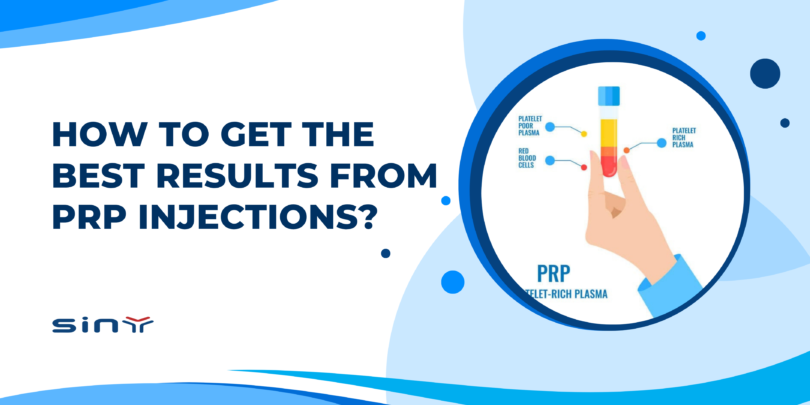
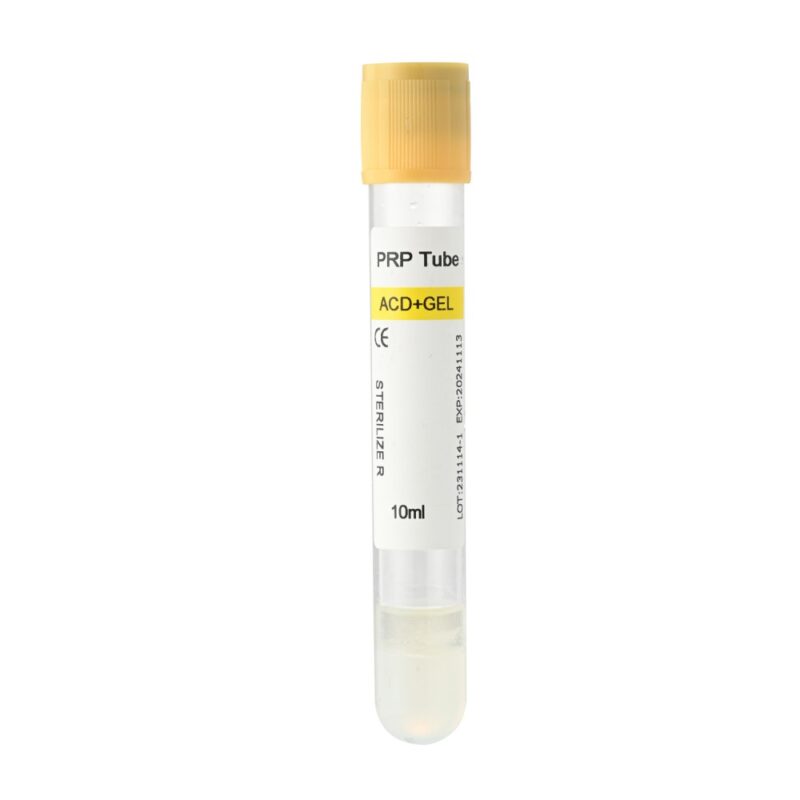
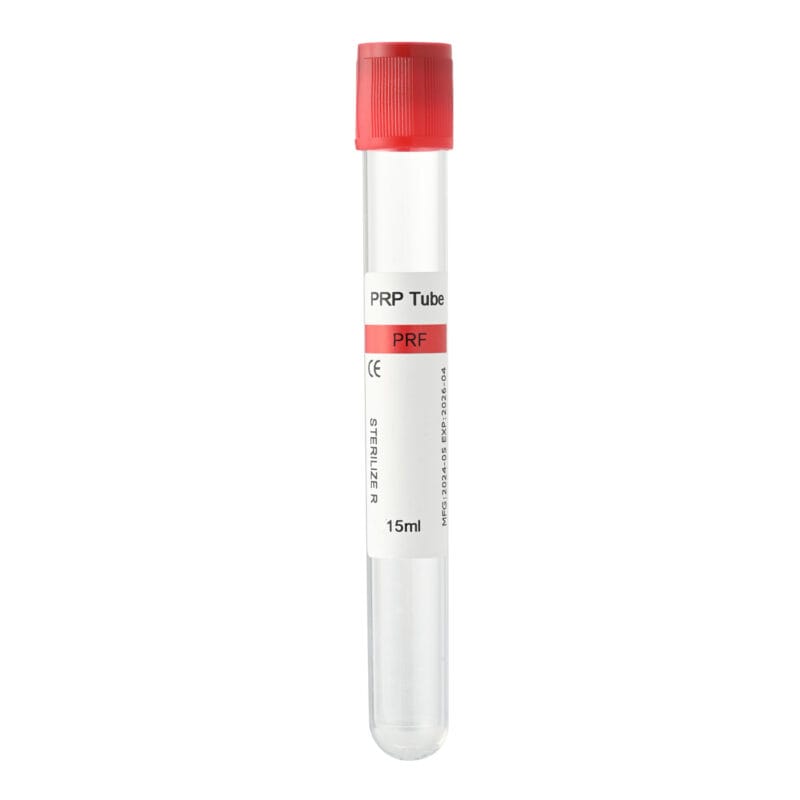
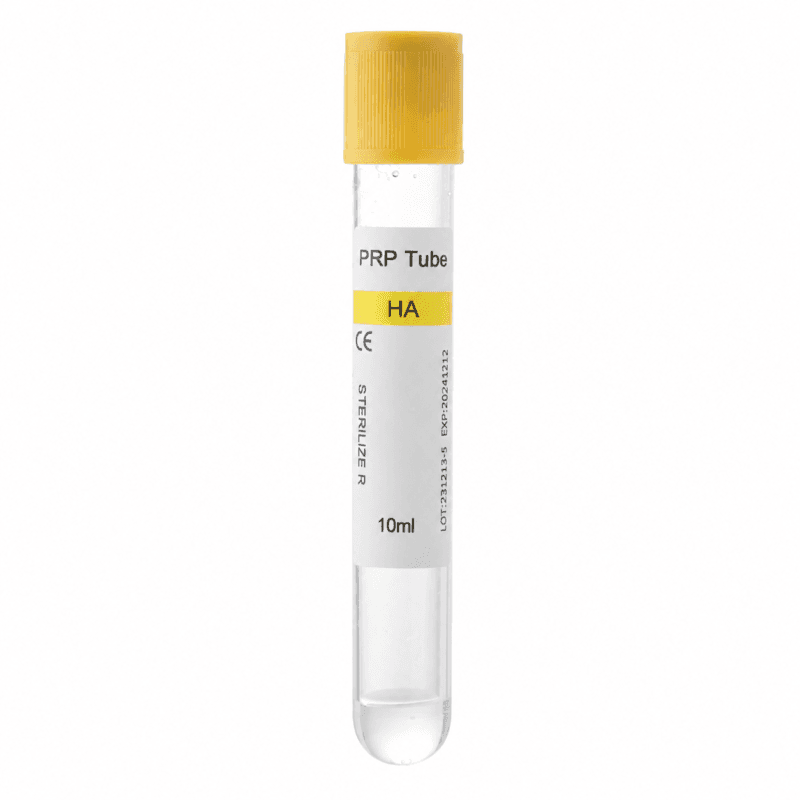
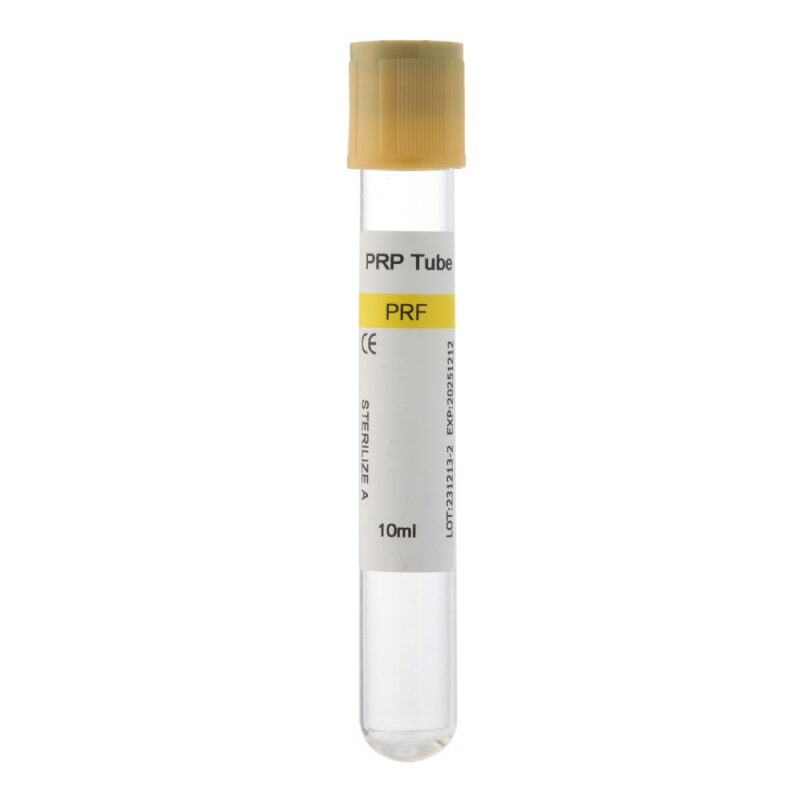
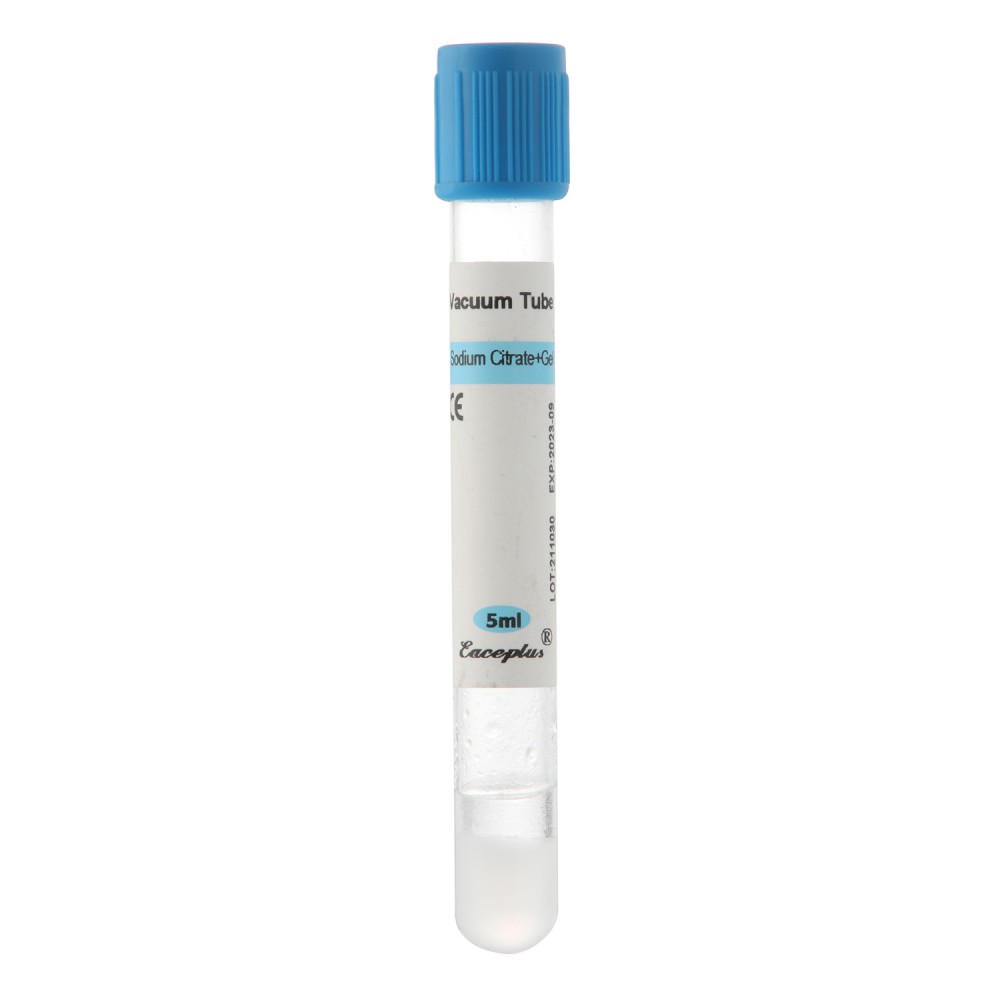
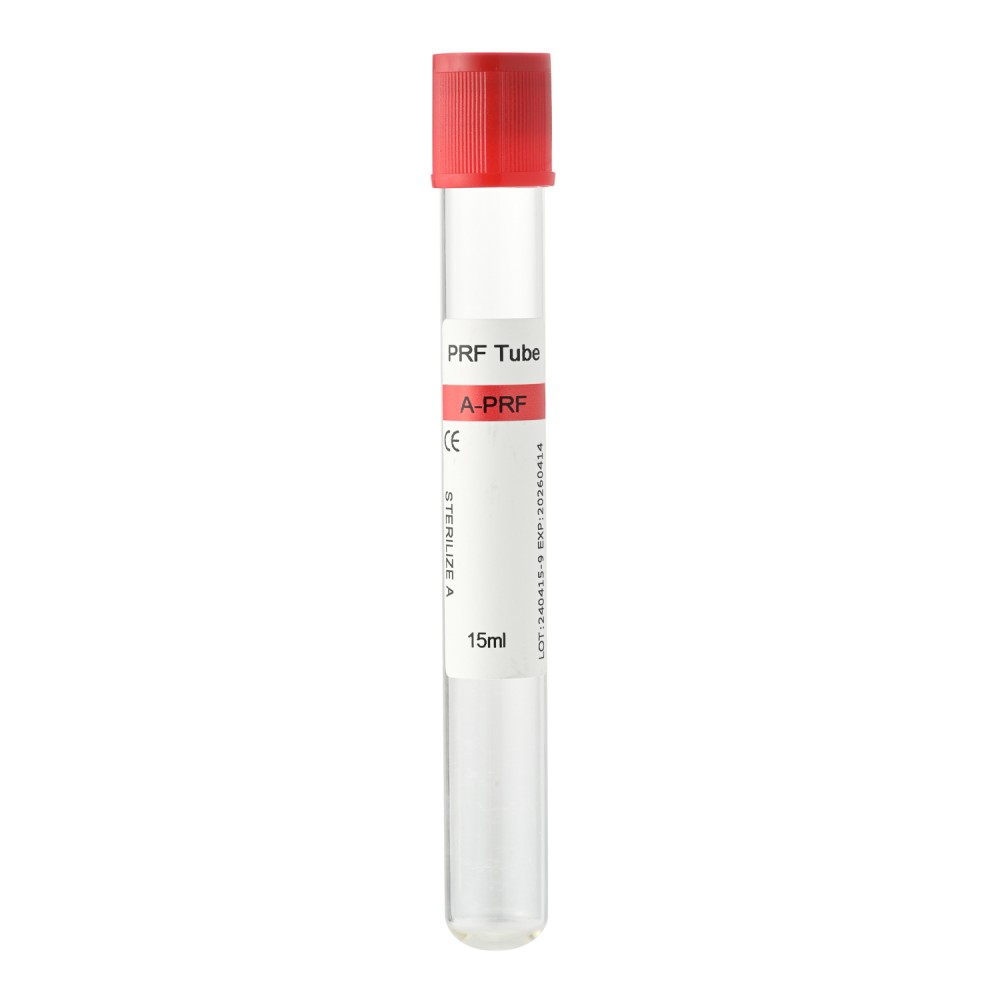
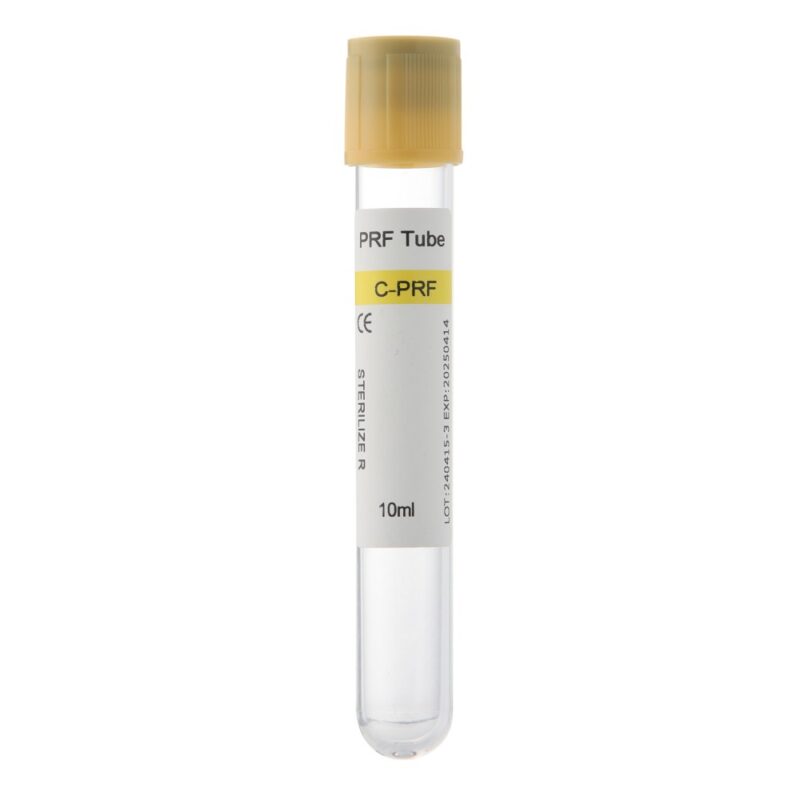
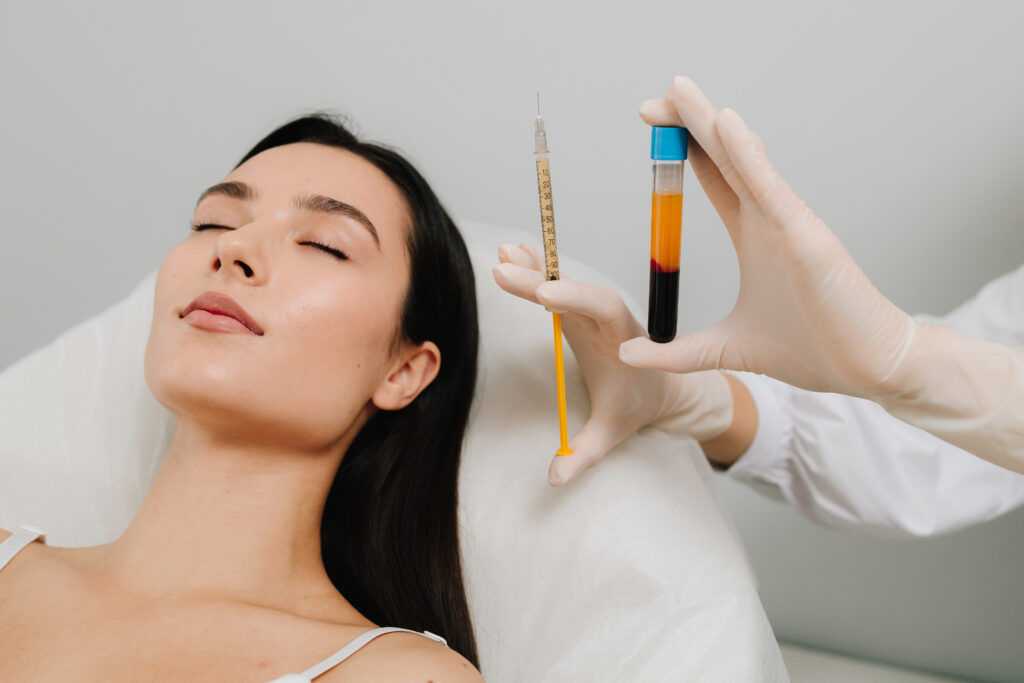
While post-care behavior is crucial, the quality of PRP preparation is equally important. Platelet concentration, plasma purity, and growth factor integrity depend heavily on the blood collection system, centrifugation protocol, and consumables used.
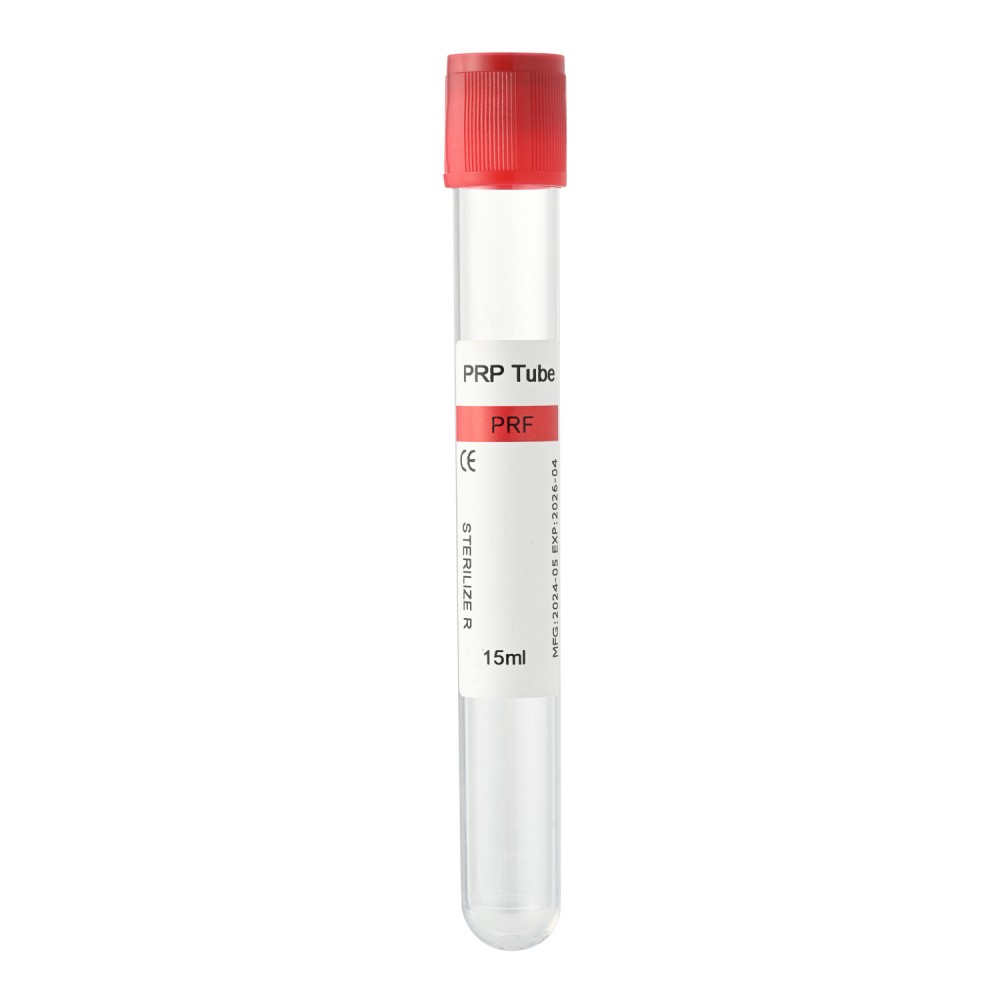
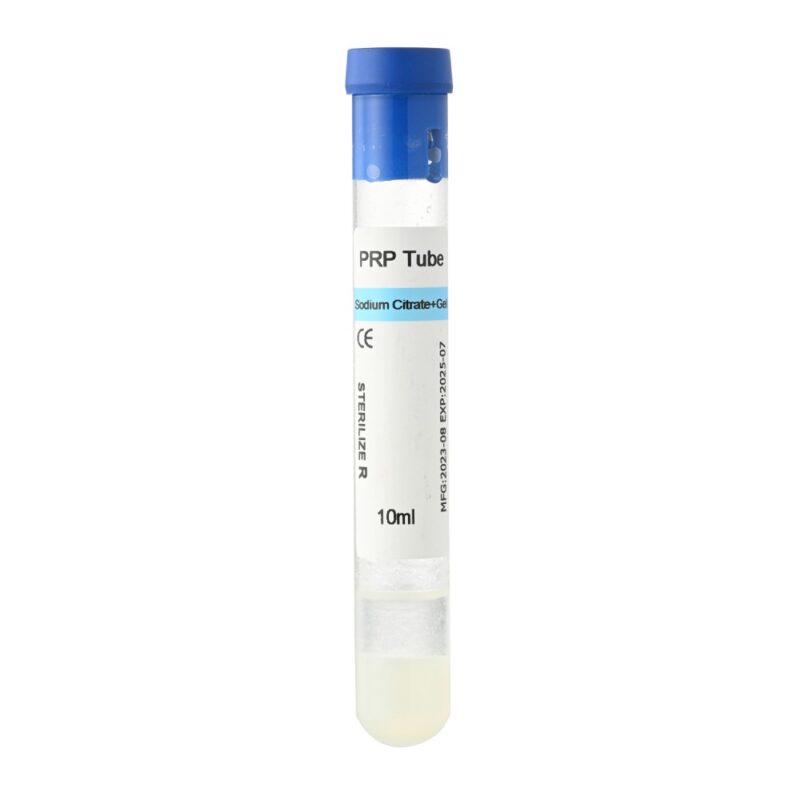
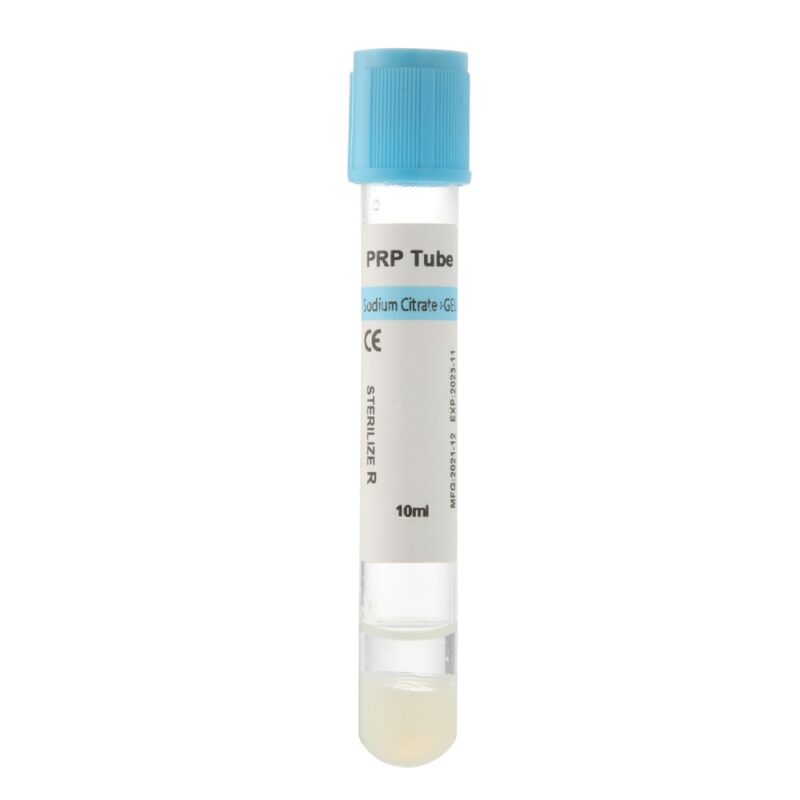
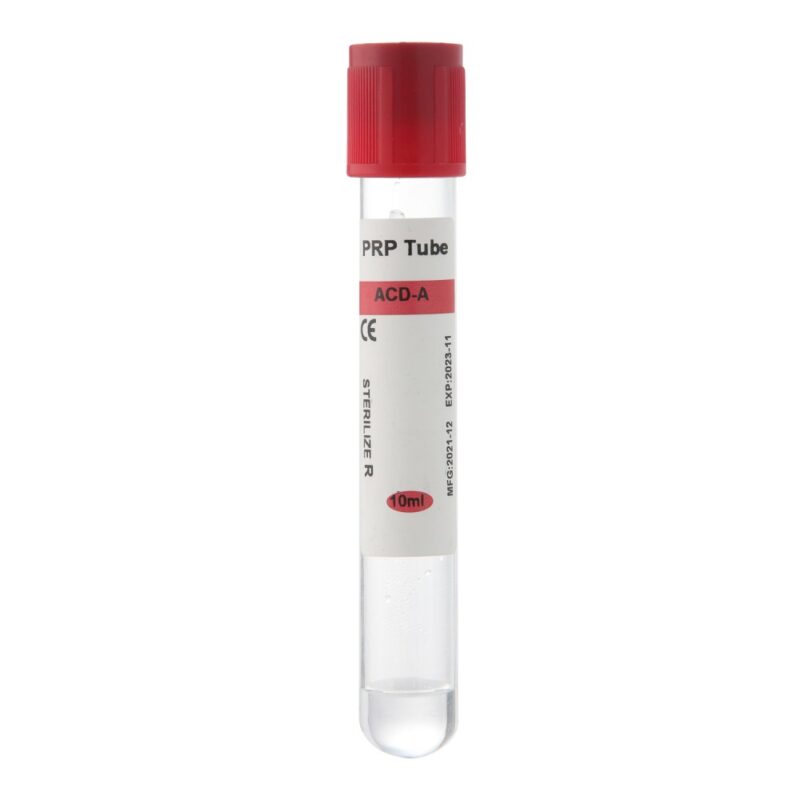
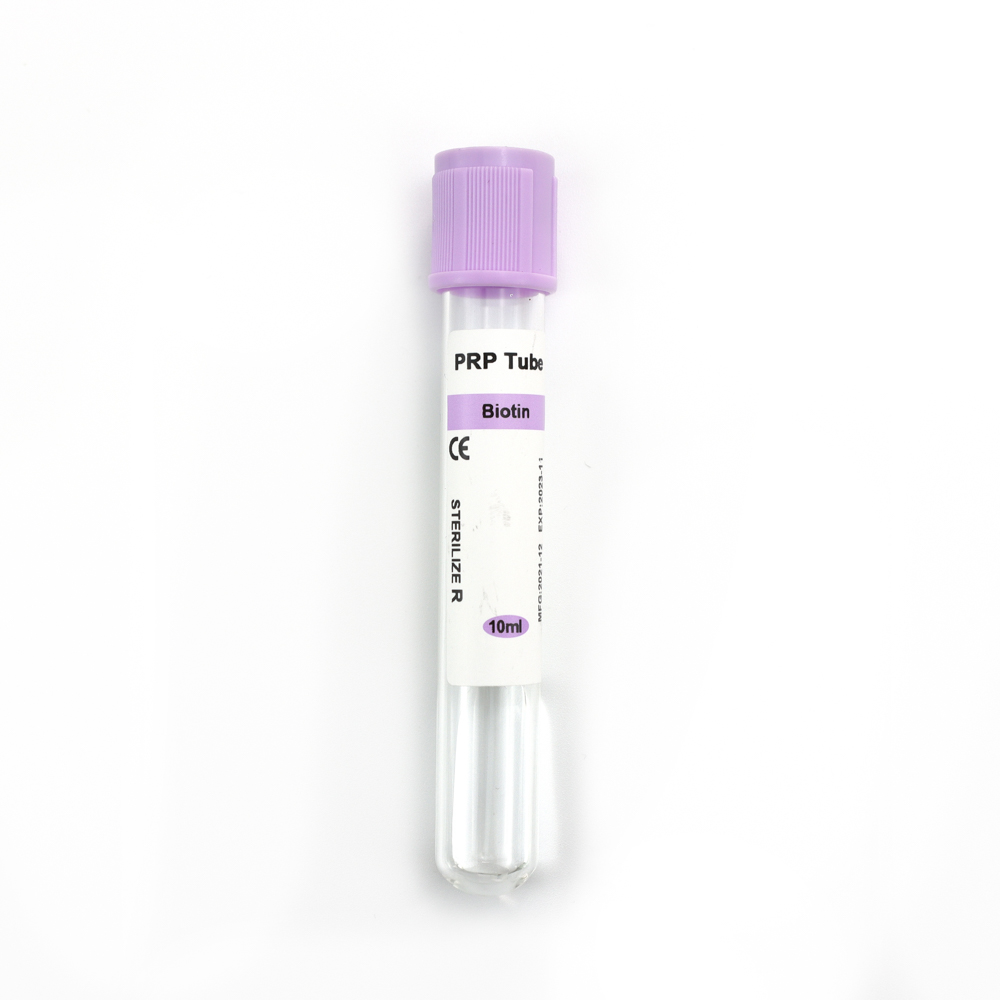
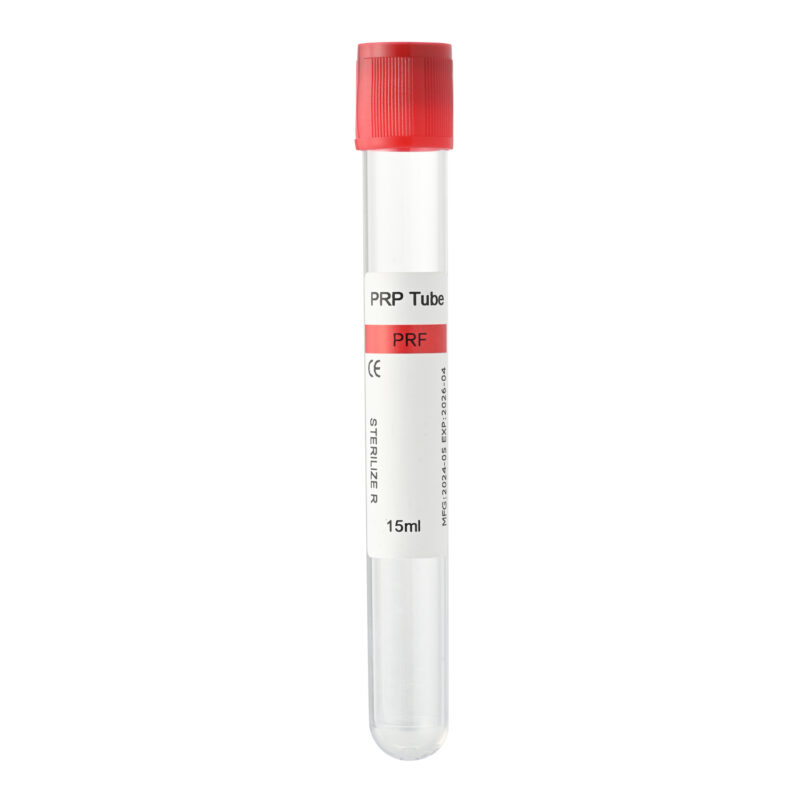
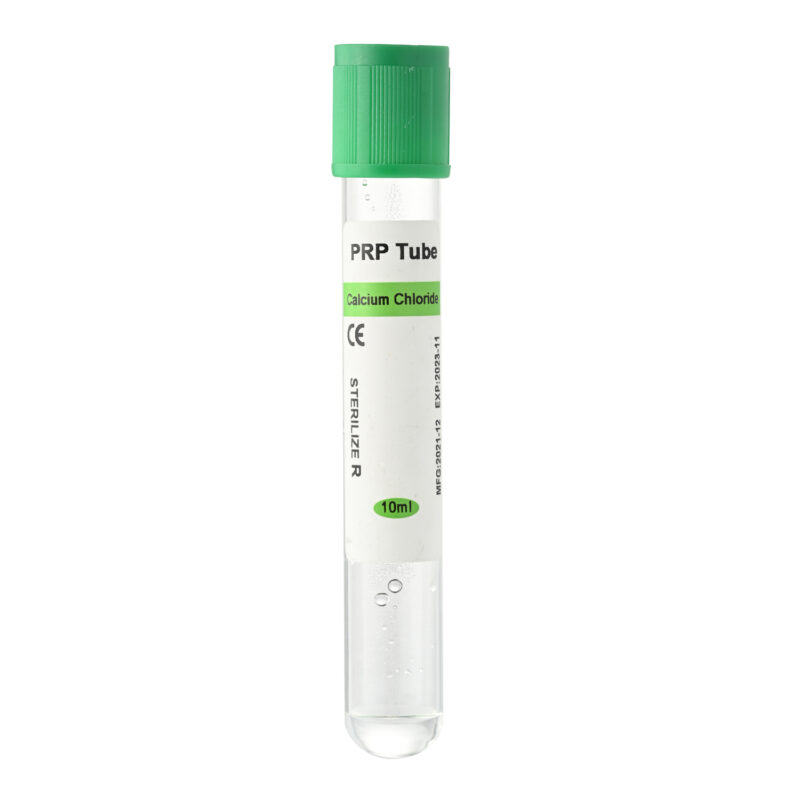
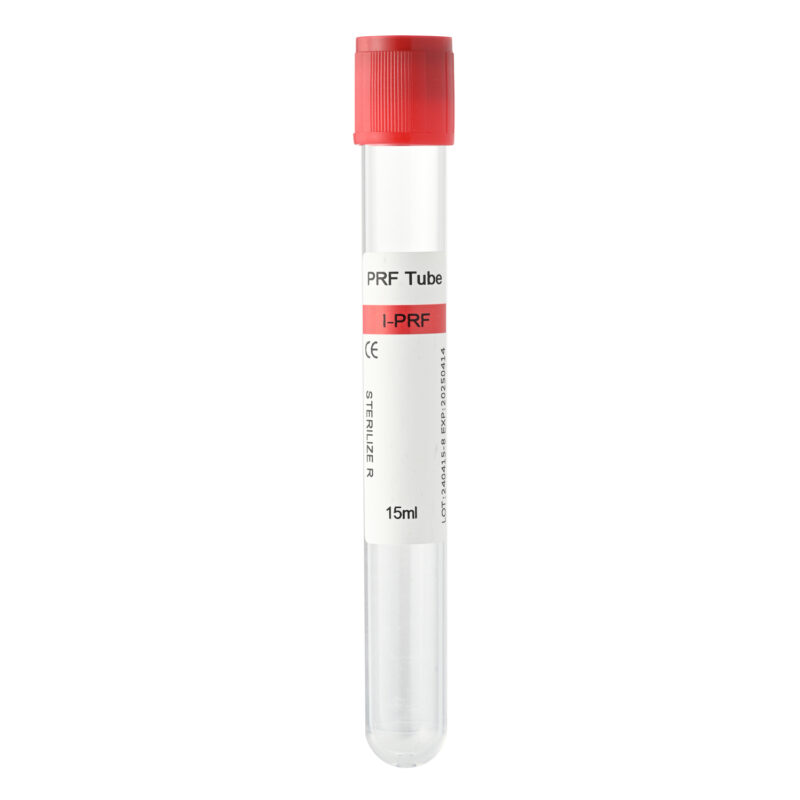
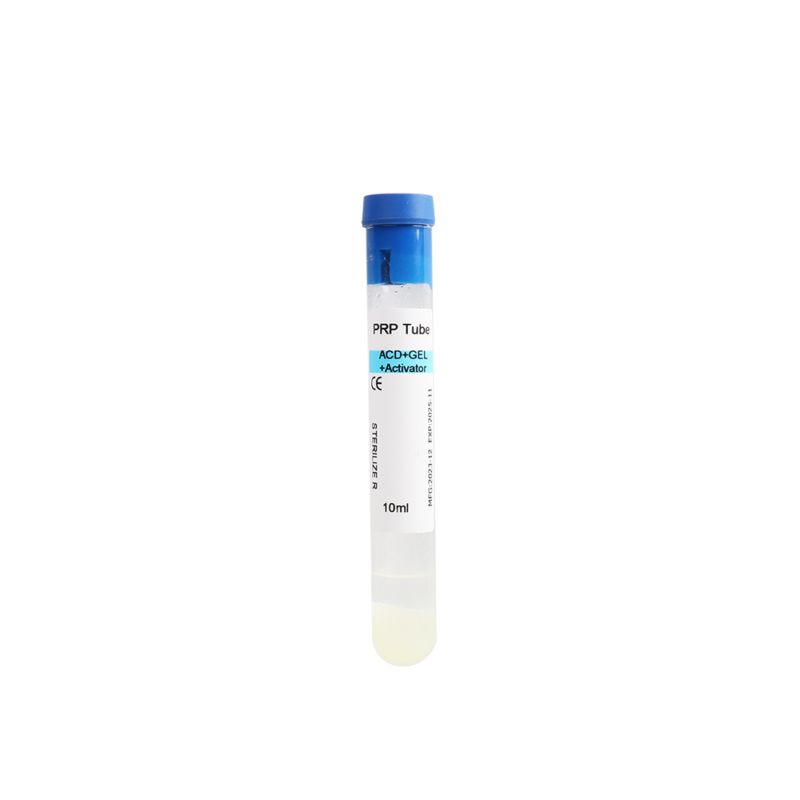
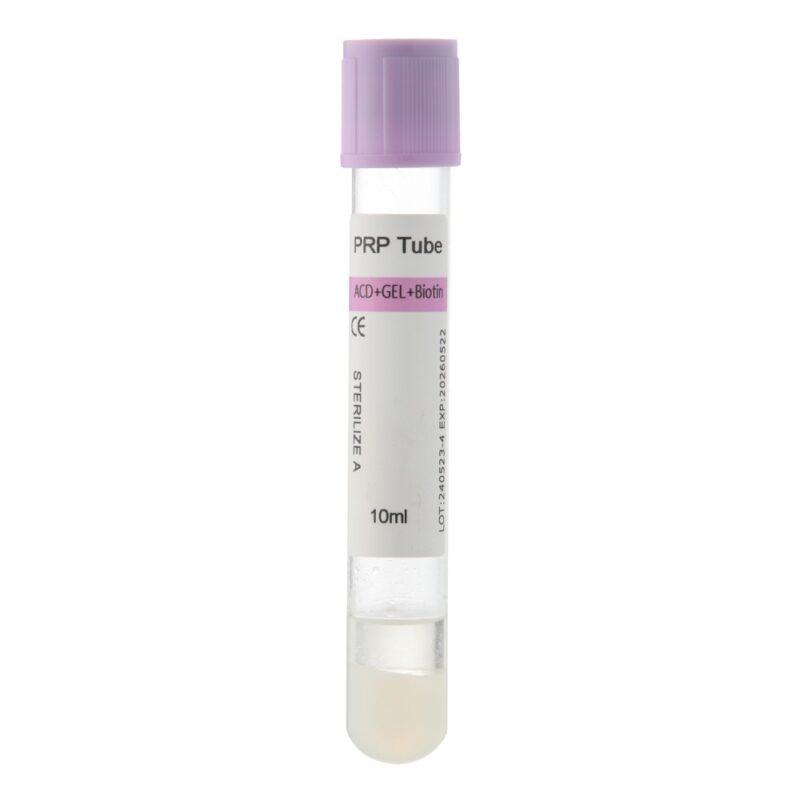
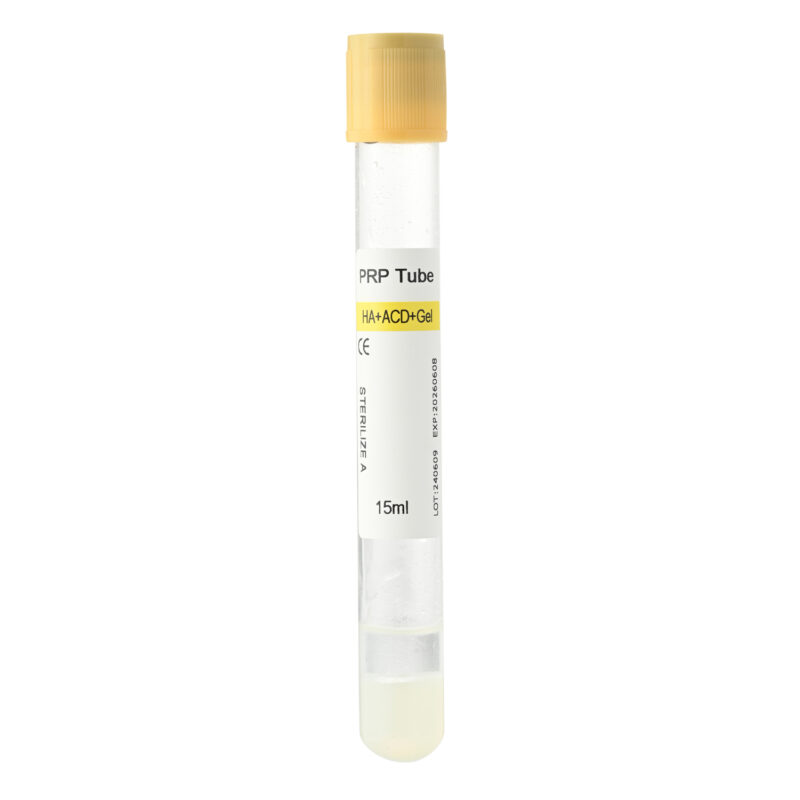
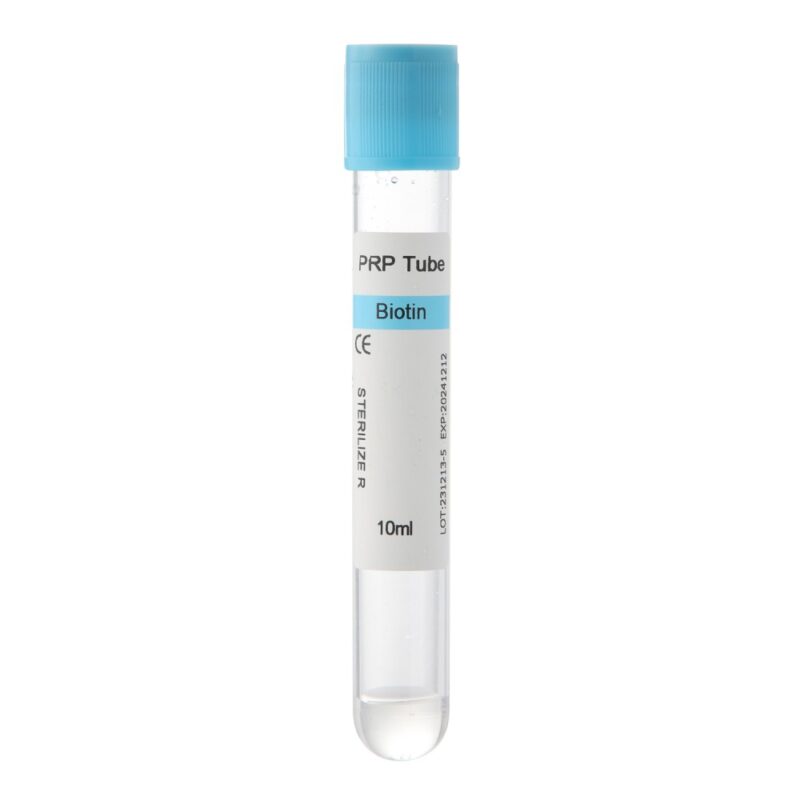
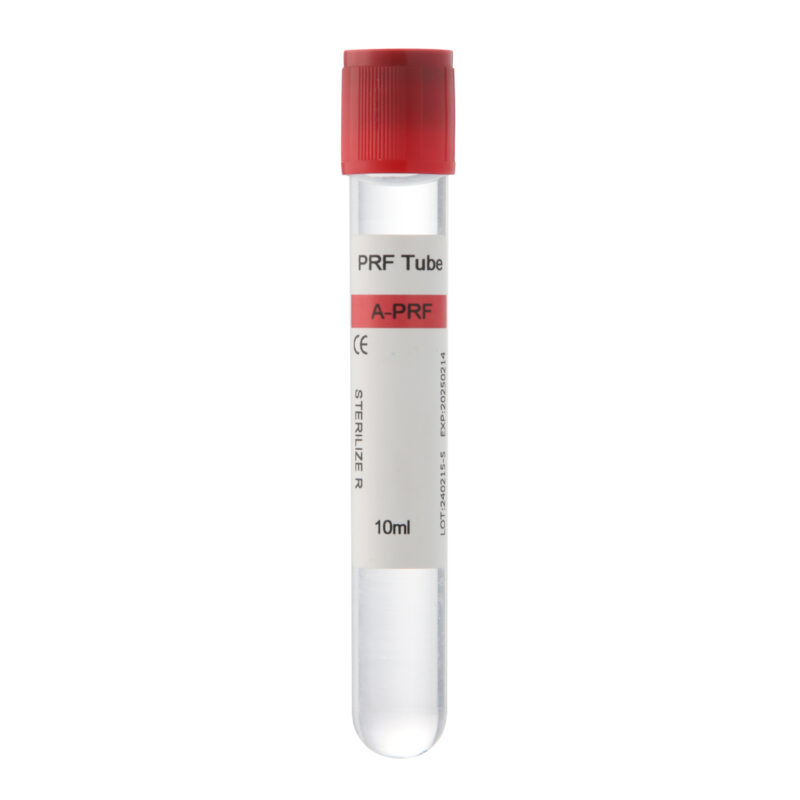
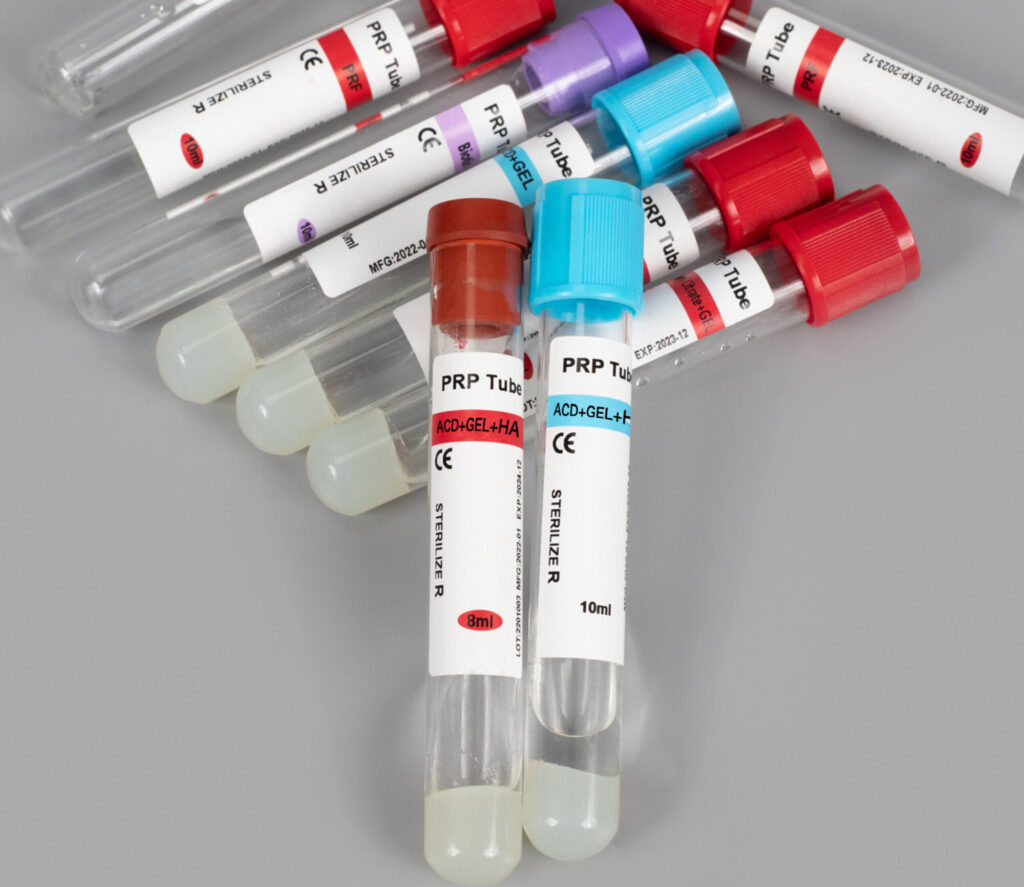
High-quality PRP tubes are designed to separate platelets efficiently and minimize contamination with red blood cells or leukocytes. Variations in tube additives, gel barriers, and material consistency can affect PRP yield and reproducibility.
For clinics expanding PRP services, working with a reliable manufacturer ensures consistency across treatments and reduces procedural variability. Many practitioners evaluate technical specifications and validation data before selecting a supplier, often reviewing product pages or contacting manufacturers directly for detailed documentation. Brands like Siny PRP are frequently considered during this evaluation process.
Why Choosing a Reliable PRP Tube Supplier Matters
In regenerative medicine, consistency is key. Using substandard consumables can lead to inconsistent platelet concentrations, unpredictable clinical outcomes, and increased patient complaints.
A dependable PRP tube supplier provides:
- Consistent manufacturing quality
- Medical-grade materials
- Validated separation performance
- Clear instructions and technical support
While supplier selection should never feel like overt marketing, it is a strategic decision that impacts both clinical results and brand reputation. Clinics that prioritize validated PRP consumables often experience smoother workflows and more reproducible outcomes.
If you are comparing PRP tube options, reviewing product specifications, or reaching out to manufacturers such as Siny PRP for technical details can help streamline procurement decisions.
FAQs
Can I wash my face or hair after PRP treatment?
Yes, but typically after 24 hours, depending on the treated area and the clinician’s advice. Gentle cleansing is recommended.
Is exercise allowed after PRP injections?
Light activity may be resumed after 24–48 hours, but strenuous exercise should be avoided for several days to reduce swelling and bruising.
Can I take painkillers after PRP?
Avoid NSAIDs unless prescribed. Acetaminophen is usually preferred if pain relief is needed.
Is alcohol allowed after PRP treatment?
Alcohol should be avoided for at least 48 hours, as it can impair healing and increase bruising.
How long do PRP results take to appear?
Initial improvements may appear within weeks, with continued improvement over several months as tissue regeneration progresses.
Summary
Understanding what should be avoided after PRP treatment is essential for achieving optimal regenerative outcomes. From avoiding heat, NSAIDs, and excessive sun exposure to maintaining healthy lifestyle habits, post-care behavior significantly influences treatment success. Equally important is the consistency and quality of PRP preparation, which depends on reliable tubes and standardized protocols.
For clinics and distributors exploring PRP consumables, reviewing product specifications and consulting established manufacturers such as Siny PRP can help ensure consistent clinical results and efficient procurement workflows.