When patients or clinicians ask How long do you rest after a PRP Injection They’re really trying to understand the optimal balance between physical activity and biological healing. PRP (platelet-rich plasma) injections have become widely used across musculoskeletal medicine, aesthetics, and regenerative therapies because they harness the body’s own healing mechanisms. But the duration and quality of rest after these injections have a direct impact on how well the treatment works and how long the benefits last.
Rest period is not just a comfort consideration; it’s tied to the underlying biology of platelet activation and tissue regeneration. Rest helps reduce inflammation, prevent reinjury, and maximize the local effect of growth factors released by platelets. The rest timeline can vary depending on the treated area (e.g., knee joint vs facial skin), the intensity of activity, and the patient’s overall health.
This guide will explain recommended rest periods, the reasons behind them, how to integrate rest into a broader recovery plan, and how choosing high-quality PRP consumables — starting with the right PRP tubes — supports consistent outcomes. If you are evaluating PRP tube options for your clinic or practice, you can explore products and specifications at Siny PRP.
Why rest matters — biological basis for post-PRP downtime
Understanding how long you rest after PRP injection starts with appreciating what PRP does inside the body. PRP delivers a concentrated dose of platelets and growth factors to a targeted site, triggering an orchestrated healing response:
- Inflammatory phase: Immediately after the injection, platelets release signaling molecules that recruit white blood cells and initiate inflammation — a necessary step in healing.
- Proliferative phase: Over the next days to weeks, fibroblasts and other reparative cells build new tissue matrix.
- Remodeling phase: Over months, the tissue continues to reorganize and strengthen.
Activity can modulate this healing cascade. Controlled mechanical load can stimulate repair, but excessive strain too soon after a PRP injection can:
- Disrupt the initial inflammatory signaling.
- It causes microtrauma that overwhelms the local healing response.
- This results in increased pain, swelling, and suboptimal long-term outcomes.
Because of this, clinicians generally advise a period of rest and graduated return to activity after PRP injections — the specifics depending on the treatment site and therapeutic goal.
General rest guidelines — how long do you rest after a PRP injection
Though individual protocols vary, rest recommendations can be broadly grouped into immediate, short-term, and functional recovery phases.
Immediate Rest (first 24–72 hours)
During the first one to three days after a PRP injection:
- Avoid vigorous activity, heavy lifting, and repetitive use of the treated area.
- Minimize impact and stress on the injection site to allow the initial healing response to stabilize.
- Gentle movement, like short walks, can improve circulation without overloading the treatment site.
Short-Term Rest (first week)
After the initial 72 hours:
- Transition back into light, non-strenuous daily activities as tolerated.
- Avoid high-impact sports, strenuous strength training, or prolonged standing/walking if a lower extremity was treated.
- Follow specific clinician-provided guidelines for your treatment area.
Functional Recovery (weeks 2–6+)
Most clinicians recommend a gradual resumption of normal activities after 1–2 weeks, increasing intensity over time:
- Week 2: Introduce gentle, controlled range-of-motion movements.
- Weeks 3–4: Add low-impact strengthening exercises as tolerated.
- Weeks 4–6: Transition to higher-level functional activity based on clinical message and symptom resolution.
For clinics using PRP injections in musculoskeletal settings (e.g., tendons and joints), this functional rest timeline helps patients optimize tissue remodeling and minimize the risk of reinjury. The same principles apply to aesthetic applications (e.g., facial PRP), although specifics may vary — see the next section for application-specific guidance.
Application-specific recommendations
How long you rest after PRP injection can vary by clinical indication. Below are broad guidelines tailored to common PRP uses:
Musculoskeletal (tendons, ligaments, joint injections)
- Immediate rest: 48–72 hours of minimal use of the treated area.
- Short-term return: Light activity by day 3–7, with symptom monitoring.
- Rehabilitation phase: Controlled strengthening initiated around weeks 2–4 under professional guidance.
- Full return: Most patients resume full activity between 4–8 weeks, depending on tissue and symptoms.
Sports Medicine
Athletes often follow structured rehabilitation protocols with phased load progression. Rest and sport-specific training plans are adjusted based on functional assessments rather than strict time alone.
Aesthetic (facial injections)
Facial PRP injections or PRP-enhanced microneedling typically require:
- 24–48 hours of rest from strenuous activity, sauna, or excessive sun exposure.
- A gradual return to regular skin routines within a few days.
- Avoid heavy exercise for the first 48 hours to reduce swelling and optimize skin healing.
Hair Restoration
Scalp injections are commonly seen:
- 24 hours of rest from strenuous activity.
- Mild activity after 24–48 hours, avoiding aggressive scalp rubbing.
These protocols are general; clinicians personalize plans based on individual factors such as age, baseline activity level, and concomitant treatments.
How PRP is prepared and why quality affects recovery timelines
To answer how long you should rest after PRP injection effectively, it’s important to tie rest guidance to the quality of PRP preparation — because consistent biologic potency influences tissue response and, by extension, recovery and rest strategies.
PRP preparation workflow typically includes:
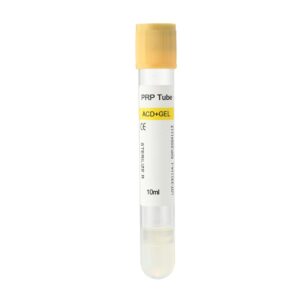
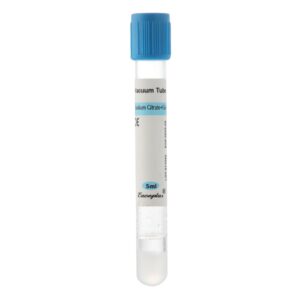
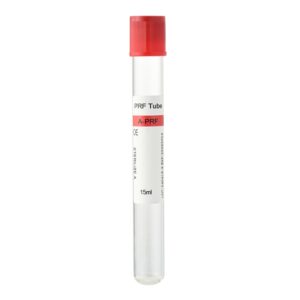
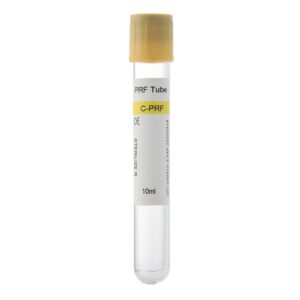
- Blood collection using a PRP tube designed to concentrate platelets reliably.
- Centrifugation to separate platelets from red blood cells and plasma.
- Extraction of platelet-rich plasma with a high concentration of growth factors.
The design of the PRP tube and quality of the consumables affect platelet yield, purity, and consistency across sessions:
- Variability in platelet concentration can alter the biological stimulus at the injection site.
- Inconsistent tubes (poor vacuum, uneven anticoagulant coating) yield variable biologic products, which can affect inflammation onset and the optimal rest period.
- Sterility and manufacturing quality reduce the risk of inflammatory complications that would prolong rest and delay rehabilitation.
This is why supplier selection matters: choosing validated, medical-grade PRP tubes supports predictable PRP quality and more consistent recovery timelines. Clinics evaluating PRP consumables should review technical data on platelet recovery and sterility, and can explore offerings at Siny PRP for documented performance.
Practical tips for managing post-PRP rest and recovery
To make the most of your PRP treatment — whether for joint pain, aesthetic enhancement, or soft tissue healing — here are actionable aftercare recommendations that complement rest:
Pain and inflammation management
- Apply ice or cold packs for the first 24–72 hours to reduce swelling.
- Avoid heat, massage, or aggressive stretching near the injection site for the first few days.
Activity modulation
- Prioritize active rest (gentle mobility) over complete inactivity after the initial rest window.
- Avoid similar loading patterns that contributed to the original injury before the healing response is established.
Sleep and nutrition
- Quality sleep enhances tissue repair.
- Adequate protein and micronutrients help support collagen synthesis and immune function.
Monitoring and follow-up
- Document pain levels, swelling, and functional progress.
- Communicate with your clinician if symptoms worsen or do not follow expected improvement patterns.
Integrating thoughtful rest with targeted rehabilitation helps patients move more safely through the healing phases while maximizing the benefits of PRP.
FAQs
Q1: Is complete bed rest necessary after a PRP injection?
A: No. Complete bed rest is usually unnecessary. Short-term rest from strenuous activity (48–72 hours) is recommended, but gentle movement helps circulation and healing.
Q2: Can I work the day after a PRP injection?
A: Yes, if your job does not involve strenuous physical activity or load on the treated area. Always confirm with your clinician.
Q3: Does the rest period differ for knee injections vs facial PRP?
A: Yes. Joint injections generally require longer functional rest and rehabilitation, while facial PRP typically focuses on short-term avoidance of strenuous activity and sun exposure.
Q4: Will rest affect the outcome of my PRP treatment?
A: Appropriate rest supports the biologic healing process. Too little rest may delay healing or prolong inflammation, reducing the effectiveness of PRP.
Q5: How important is the quality of PRP tubes for recovery?
A: Very important. Consistent PRP composition supports predictable tissue responses and recovery timelines. Clinics should choose medical-grade tubes with reliable performance data — see options at Siny PRP.
Summary
Answering How long do you rest after a PRP Injection requires both medical context and practical guidance. Short-term rest (48–72 hours) coupled with a progressive return to activity over weeks supports healing without unnecessary deconditioning. The exact timeline depends on the treatment area, patient factors, and protocol.
Equally important for clinics is the quality and consistency of PRP preparation. Variability in PRP tubes and consumables can lead to inconsistent biological effects and altered recovery curves, which in turn affect how clinicians advise rest and rehabilitation. Carefully selecting validated PRP tubes and kits helps standardize treatment outcomes and reduce variability in recovery.
For clinics and buyers reviewing PRP consumable options, you can explore product specifications, call out performance requirements, and request technical support through Siny PRP to ensure your practice delivers consistent, high-quality PRP injections and clear aftercare guidance.