One of the most common questions in aesthetic medicine and hair restoration is: “Does PRP regrow hair permanently?” Platelet-rich plasma (PRP) therapy has gained substantial attention as a non-surgical, biologically based treatment for hair thinning and early pattern hair loss. PRP involves concentrating a patient’s own platelets and growth factors and injecting them into the scalp to stimulate local tissue repair and follicular activity. Clinics and patients alike are interested in whether these effects lead to permanent hair regrowth or whether the improvements are temporary and require maintenance.
This article examines the scientific evidence behind hair regeneration with PRP, explores how PRP works, and discusses how treatment protocols and product quality — including consistent PRP preparation with validated tubes — influence long-term outcomes. For clinics considering PRP tube options or seeking to standardize hair restoration workflows, reviewing high-quality consumables at Siny PRP can support better and more reproducible clinical results.
How PRP Works?
To understand does PRP regrow hair permanently, we must first look at how PRP interacts with hair biology. PRP is derived from a small volume of the patient’s blood, processed through centrifugation to produce a concentration of platelets enriched with growth factors such as PDGF, VEGF, and TGF-β. When injected into the scalp, these growth factors are thought to:
- Stimulate localized cell proliferation.
- Promote angiogenesis (formation of new blood vessels around follicles)
- Modulate inflammation
- Encourage dormant or weak hair follicles to re-enter active growth phases.
PRP essentially creates a more favorable microenvironment for existing follicles. In early stages of pattern hair loss, where follicles have not yet fully miniaturized or disappeared, this stimulation can result in visible hair density improvement and decreased shedding.
However, it is important to clarify that PRP does not create new hair follicles where none exist. Rather, it supports the health and function of existing follicular units.
Can Hair Regrowth from PRP Be Permanent?
So, does PRP regrow hair permanently? The current body of research suggests that PRP can produce meaningful and sustained improvements in hair thickness, density, and follicular activity, but “permanent” regrowth is not guaranteed for every patient.
What Studies Show
Clinical studies and systematic reviews report that PRP can:
- Increase hair count and density compared to baseline.
- Reduce hair shedding and miniaturization progression.
- Improve patient satisfaction in mild to moderate androgenetic alopecia.
These outcomes have been observed over follow-up periods ranging from six months to a year or longer in many cases. However, the degree of permanence varies by individual biology, severity of hair loss, and treatment adherence.
Limitations to Permanence
PRP’s effects are often described as delaying progression rather than curing the underlying hair loss mechanism, which in most cases has a genetic or hormonal basis. As such:
- Improvements may diminish over time if maintenance treatments are discontinued.
- PRP is not equally effective in advanced baldness, where follicles are depleted
- Lifelong hormonal influences continue to affect follicle health.
In summary, PRP often leads to sustained improvement in many patients, but the results are not universally permanent. Maintenance sessions and combination therapies (e.g., microneedling, topical or oral treatments) may be recommended to prolong benefits.
Typical PRP Treatment Plan for Hair Restoration
When considering does PRP regrow hair permanently, understanding the typical clinical workflow matters because consistent application correlates with the longevity of results.
Treatment Protocol Overview
A standard PRP hair restoration protocol may include:
- Initial series: 3–4 sessions spaced 4–6 weeks apart
- Early evaluation: 8–12 weeks post initial session for early signs of improvement
- Long-term maintenance: 2–4 sessions per year based on clinical response
Preparation and Procedure
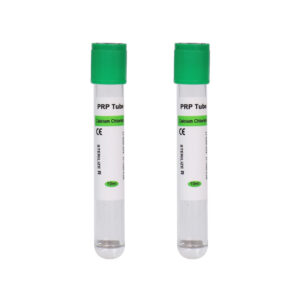
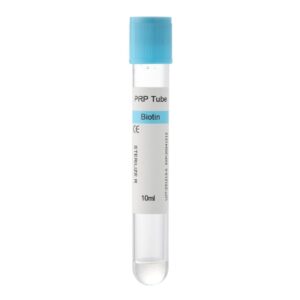
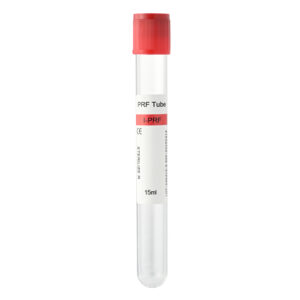
- Blood draw using a reliable PRP tube with consistent platelet yield. High-quality PRP consumables help ensure reproducible concentration of platelets.
- Centrifugation tailored to the clinic’s protocol to isolate the platelet-rich fraction.
- Scalp injections in areas of thinning with a microinjection grid pattern.
- Follow-up plan tailored to the patient’s response and goals.
High-quality PRP tubes affect how well platelets are separated and concentrated, which in turn influences the biological potency of the final PRP product. For clinics seeking validated and consistent tubes, explore options at Siny PRP.
Factors Affecting the Longevity of Hair Regrowth
The question does PRP regrow hair permanently has a complex answer because hair restoration outcomes depend on multiple interacting factors:
Patient-Specific Variables
- Age and genetic predisposition
- Stage and pattern of hair loss
- Scalp health and presence of miniaturized follicles
- Endocrine factors (such as DHT sensitivity)
Treatment Quality and Protocol
- Platelet concentration in PRP
- Injection technique and spacing
- Frequency and total number of sessions
- Integration with adjunctive treatments
Consumable Quality
- Consistency of PRP tube performance
- Sterility and material quality
- Precision of additive distribution (if any) in tubes
Because these factors influence biological response and clinical durability, selecting high-quality consumables — including tubes and centrifugation materials — reduces variability and supports more predictable results. Reviewing detailed product information and performance documentation on Siny PRP can help clinics make informed procurement choices.
Practical Considerations and Managing Expectations
When patients ask does PRP regrow hair permanently, it is also important for clinicians to set realistic expectations and provide a comprehensive care plan:
- Early treatment typically yields better outcomes compared to advanced hair loss with extensive bald areas.
- Maintenance visits help prolong the biological stimulation of follicles.
- Combination strategies with microneedling or medication can amplify and extend benefits.
- Lifestyle factors such as nutrition, stress management, and scalp care contribute to overall hair health.
PRP enhances hair follicle activity but is part of a multimodal approach to hair restoration rather than a standalone magic solution.
FAQs
Q: Does PRP permanently fix hair loss?
A: PRP can lead to sustained improvement, but its effects are not permanent in all cases. Maintenance treatments are often necessary.
Q: How soon can I see results after PRP hair treatment?
A: Many individuals notice early changes within 8–12 weeks, with more noticeable improvement by 4–6 months.
Q: Is PRP effective for advanced baldness?
A: PRP works best when hair follicles are present but weak. It has a limited effect where follicles are completely absent.
Q: How many PRP sessions are typically recommended?
A: A series of 3–4 initial sessions followed by maintenance treatments is common practice.
Q: Why does product quality matter for PRP?
A: Consistent PRP tube performance influences platelet concentration and growth factor yield, which affect treatment consistency and outcomes. Clinics often evaluate tube quality and supplier reliability, such as those offered by Siny PRP, for better standardization.
Summary
So, does PRP regrow hair permanently? The answer is nuanced. PRP can produce long-lasting improvements in hair density and thickness for many patients, particularly in early or moderate hair loss, but it is not a guaranteed permanent cure for all. Longevity of results is influenced by patient biology, treatment protocols, and the quality of PRP preparation — including the tubes and consumables used.
For clinics seeking to standardize PRP delivery and improve consistency, selecting reliable PRP tubes and working with trustworthy suppliers like Siny PRP supports reproducible results and higher patient satisfaction.