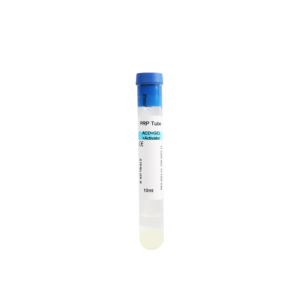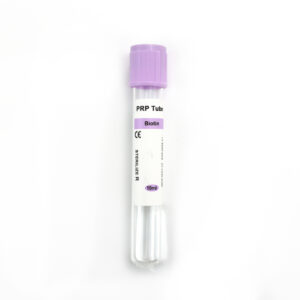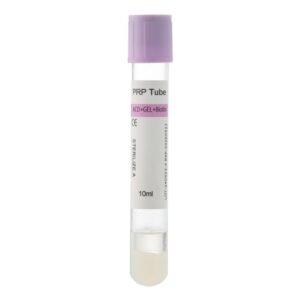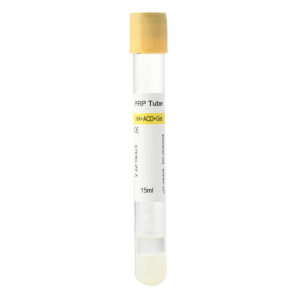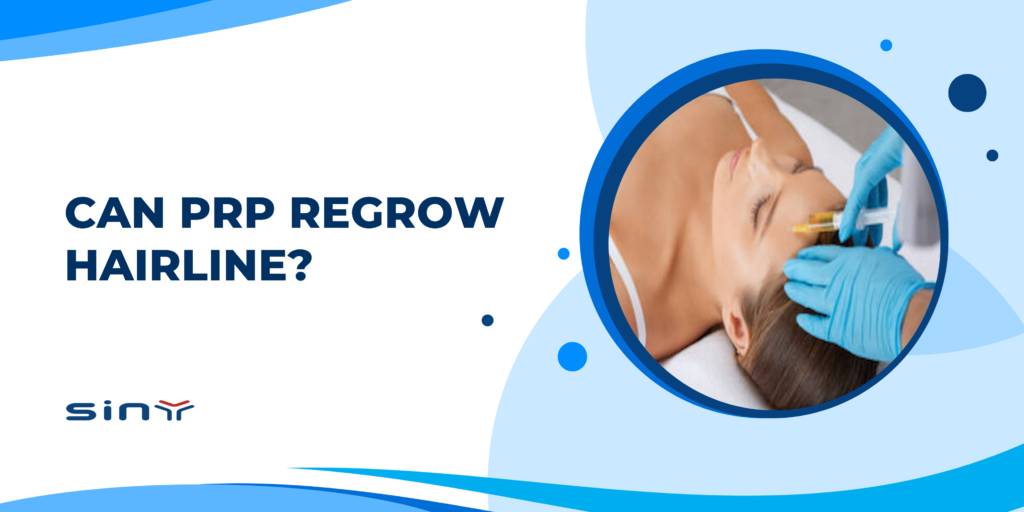
“Can PRP regrow hairline?” is one of the most frequently asked questions by individuals experiencing thinning hair or early recession. Platelet-rich plasma (PRP) therapy, an autologous regenerative treatment derived from a person’s own blood, has gained popularity for its potential to stimulate hair growth. PRP contains concentrated platelets and growth factors that may reactivate dormant hair follicles, improve scalp circulation, and support healthier, thicker strands. However, whether PRP can specifically restore a receding hairline depends on multiple factors, including the stage of hair loss, follicle viability, treatment protocol, and consistency of sessions.
This article explores the clinical evidence, hairline-specific outcomes, recommended treatment workflows, and why selecting high-quality PRP consumables — starting with your PRP preparation tubes — matters for achieving optimal results. Clinics and practitioners who are serious about predictable outcomes should review validated PRP tube options and protocols available at Siny PRP.
What PRP Does for Hair?
To understand whether PRP can regrow hairline, it’s important first to look at how PRP works at the biological level. PRP is created by drawing a small volume of the patient’s blood and then using a centrifuge to concentrate platelets — cells rich in growth factors such as PDGF, VEGF, and TGF-β — that naturally signal tissue repair and regeneration. When these concentrated platelets are injected into the scalp, they may help:
- Stimulate dormant or weakened hair follicles.
- Increase local blood flow and nutrient delivery.
- Promote the anagen (growth) phase of the hair cycle.
- Enhance follicular cell proliferation and scalp health.
Clinical observations and studies suggest that PRP can increase hair count, improve hair density, and reduce shedding in patients with pattern hair loss, including areas near the hairline, especially in early to moderate thinning cases.
However, treatment outcomes are not identical for every patient. PRP response depends on biological factors, treatment consistency, and the quality of PRP preparation itself.
Clinical Evidence Supporting PRP for Hairline and Hair Regrowth
So, can PRP regrow the hairline in a clinically meaningful way? In many patients, the answer is yes, particularly where hair follicles are still present but weakened. PRP has been shown to support:
- Increased hair density and shaft thickness
- Reduced hair shedding
- Activation of miniaturized or dormant follicles
- Improved scalp condition
Hairline regrowth tends to be gradual rather than immediate. Patients may notice fine “baby hairs” appearing first, followed by improved density over several months. PRP is less effective in areas where follicles have been absent for a long time, as the treatment does not create new follicles.
For clinics offering PRP hairline therapy, standardizing PRP preparation is essential. Variations in platelet concentration can lead to inconsistent results, which is why many clinics prioritize reliable PRP tubes and preparation systems. Consistent consumables, such as those offered by Siny PRP, help support reproducible clinical outcomes.
How PRP Is Used for Hairline Restoration
PRP for hairline regrowth is typically delivered through multiple small injections across thinning areas of the scalp, including frontal and temporal regions. The goal is to evenly distribute growth factors to follicles showing early signs of miniaturization.
Common PRP Treatment Protocol
- Initial phase: 3–4 sessions, spaced 4–6 weeks apart
- Evaluation period: Visible improvement often begins around 3 months
- Peak response: Commonly seen at 6 months
- Maintenance: Follow-up sessions every 4–6 months, depending on response
PRP may also be combined with complementary approaches such as microneedling, topical therapies, or low-level laser treatments to enhance outcomes. Patient selection and realistic expectation setting are essential parts of the treatment process.
What PRP Can and Cannot Do
While PRP has shown promising results for hairline thinning, it is important to clarify that PRP is not a permanent cure for hair loss. It works by stimulating natural regenerative pathways, which means results are gradual and require ongoing maintenance in many cases.
Key points patients should understand:
- PRP works best in early to moderate hair thinning
- Results vary between individuals.
- Maintenance sessions are often necessary.
- PRP does not reverse advanced baldness
Why PRP Tube Quality Matters for Hairline Results
When evaluating whether PRP can regrow hairline, one often overlooked factor is the quality of the PRP tube itself. The tube plays a direct role in:
- Platelet yield and concentration
- Separation efficiency during centrifugation
- Consistency between treatment sessions
- Overall PRP quality
Inconsistent or low-quality tubes may result in variable platelet concentrations, which can impact treatment effectiveness. A trusted supplier provides technical transparency, batch consistency, and manufacturing standards that help clinics maintain reliable PRP protocols.
FAQs
Can PRP regrow the hairline permanently?
PRP can stimulate regrowth in thinning hairline areas, but results are not permanent without maintenance treatments.
How long does it take to see results?
Most patients notice visible improvements within 3–6 months, with continued improvement over time.
Does PRP work on completely bald hairlines?
PRP is most effective where follicles are still present. It cannot regrow hair in areas with no viable follicles.
How many PRP sessions are usually required?
An initial series of 3–4 sessions is common, followed by maintenance treatments as needed.
Is PRP safe for hairline treatment?
PRP is generally well-tolerated, as it uses the patient’s own blood. Mild temporary discomfort or redness may occur.
Summary
So, can PRP regrow the hairline? For many individuals with early or moderate hairline thinning, PRP offers a scientifically supported option to stimulate hair growth, improve density, and slow progression. Success depends on realistic expectations, proper treatment planning, and consistent PRP preparation.
For clinics and practitioners, selecting reliable PRP tubes and consumables is a foundational step toward delivering consistent results. Exploring professional PRP solutions from Siny PRP can help support standardized protocols and long-term treatment programs.