When patients, clinicians, or clinic managers ask “can PRP help arthritis?”, they’re essentially seeking to know whether platelet-rich plasma (PRP) injections can meaningfully reduce pain, improve joint function, or potentially slow the degenerative process in arthritic joints — especially in the knee. For clinics considering offering PRP therapy, that question also carries a procurement dimension: which PRP kits or tubes to choose, how to standardize preparation, and how to reliably deliver results.
In recent years, multiple clinical studies and meta-analyses have addressed PRP for osteoarthritis (OA) and arthritis in general. The evidence suggests PRP may offer symptomatic relief and functional improvement in many cases, but results are mixed and depend heavily on PRP preparation quality, injection protocol, and patient selection. Understanding this complexity is essential for both clinicians recommending PRP and procurement teams selecting PRP tubes and kits.
What is PRP, and why might it help arthritis?
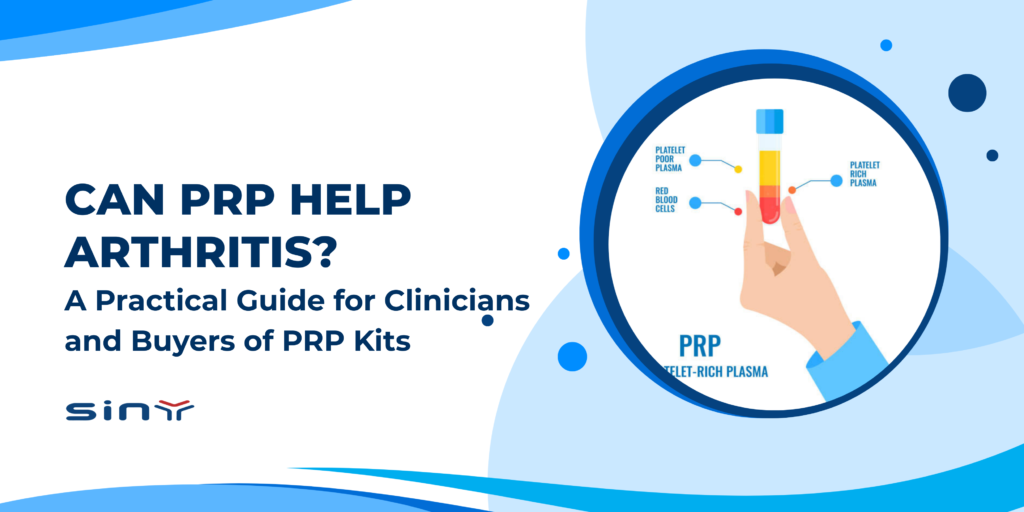
Platelet-rich plasma (PRP) is an autologous concentrate derived from the patient’s own blood. When prepared properly, PRP contains elevated concentrations of platelets, which release a variety of growth factors and cytokines — such as PDGF, TGF-β, VEGF — that can modulate inflammation, support tissue repair, and promote regeneration of soft tissue elements. In the context of arthritis, particularly early-to-moderate degenerative joint disease, PRP is hypothesized to:
- Reduce inflammation in the synovium and joint environment — potentially lowering inflammatory cytokines and mediators.
- Stimulate chondrocyte activity and extracellular matrix synthesis, supporting cartilage health or slowing further degeneration.
- Enhance joint tissue healing and reduce pain — potentially improving mobility and quality of life.
Because PRP is derived from the patient’s own blood, it carries minimal risk of immune reaction, rejection, or systemic side effects. These biological and safety features underlie the growing interest in PRP as a regenerative or disease-modifying adjunct in the management of arthritis.

What does clinical evidence say: can PRP help arthritis (especially knee arthritis)?
The clinical data for PRP in arthritis — especially degenerative osteoarthritis of the knee (KOA) — are cautiously optimistic, though not universally conclusive. Key findings include:
- PRP injections can significantly reduce pain and improve function compared with placebo, hyaluronic acid, or corticosteroid injections. Improvements have been observed in pain, stiffness, and daily living activities for up to 6–12 months.
- Comparative studies report greater reductions in pain and stiffness, and better physical function with PRP versus hyaluronic acid, with favorable safety and no major adverse events.
- Studies using three PRP injections administered four weeks apart have reported symptomatic relief and improved quality of life for early-stage knee OA patients.
However, limitations remain: variability in PRP preparation (platelet concentration, leukocyte content), heterogeneity in injection protocols (single vs multiple injections, interval, volume), and differences in patient selection (disease severity, age, comorbidities) lead to inconsistent outcomes. Some studies have found limited benefit in certain subgroups or joint types.
Conclusion of evidence: PRP can help arthritis — especially osteoarthritis of the knee — when applied under appropriate conditions (early to moderate OA, properly prepared PRP, realistic expectations). But PRP is not a guaranteed cure. It should be considered a part of a broader therapeutic strategy rather than a standalone panacea.
Practical use: how PRP therapy for arthritis is administered
If your clinic or medical center plans to offer PRP for arthritis — or you are evaluating PRP tube/kits procurement — it’s important to understand the typical workflow, and why product quality matters as much as clinical protocol.
Typical PRP Injection Workflow
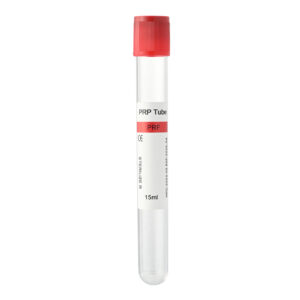
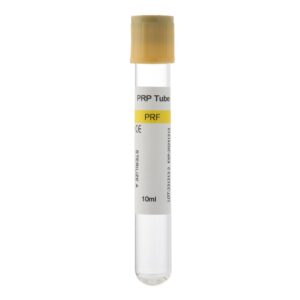
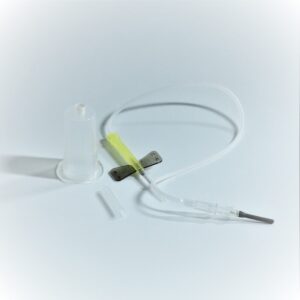
- Patient blood draw — autologous blood is collected into specialized PRP tubes or kits.
- Centrifugation / PRP preparation — proper centrifugation protocol is followed to concentrate platelets; high-quality kits ensure reproducible platelet yield and minimal contamination.
- PRP extraction — the platelet-rich layer is carefully collected.
- Injection — intra-articular injection under sterile conditions, sometimes guided for accuracy.
- Follow-up & monitoring — symptoms and mobility are monitored; repeat injections may be planned based on patient response.
Why high-quality PRP kits matter
Because PRP outcomes vary with preparation quality, choosing robust, validated PRP tubes or kits is critical:
- Consistent platelet concentration ensures a predictable biological effect.
- Medical-grade, sterile, well-documented kits reduce complications and maintain compliance.
- Standardized protocols help clinics replicate results reliably across patients.
If you are sourcing PRP kits, it is essential to choose a supplier that provides validation data, clear instructions, and dependable batch traceability. Reliable supply and quality control help ensure that PRP can genuinely help arthritis patients. For validated PRP kits, you may consider assessing options at Siny PRP.
Which arthritis patients benefit most — and when might PRP be less effective?
Not every arthritis case benefits equally from PRP therapy. Factors influencing efficacy include:
- Stage of arthritis: Early to moderate osteoarthritis responds best. Severe cartilage loss limits benefits.
- Joint condition: Knees with preserved structure and stable alignment show better outcomes; inflammatory arthritis is more variable.
- Lifestyle factors: Excess weight or mechanical overload can shorten PRP benefit duration.
- Treatment expectations: PRP does not rebuild cartilage fully; realistic goals include pain reduction, improved mobility, and slower progression.
Clinics and patients should regard PRP as an adjunct therapy with supportive benefits rather than a full restorative treatment. Setting clear expectations enhances satisfaction and resource planning.
Why selecting a reputable PRP product supplier is as important as the clinical protocol
The answer to “can PRP help arthritis” depends not only on patient conditions and injection technique but equally on the quality of PRP kits used. Supplier quality matters because:
- Reproducibility: Good suppliers deliver stable platelet yield, sterile packaging, and reliable batch quality.
- Regulatory compliance: Proper documentation and sterility guarantees ensure safe clinical use.
- Program scalability: Stable supply chains and technical support are critical for clinics offering repeated PRP treatments.
- Risk control: Poor-quality kits produce variable results and expose clinics to avoidable complications and costs.
For clinics evaluating PRP kit options, supplier selection is a strategic decision. It directly influences patient outcomes and service consistency. If you require validated, clinically reliable PRP kits, consider reviewing the products available at Siny PRP.
FAQs
Q: Is PRP effective for all types of arthritis?
A: PRP shows the strongest evidence for osteoarthritis, especially in the knee. Evidence for inflammatory arthritis is limited and inconsistent.
Q: How long does PRP benefit last?
A: Many patients experience benefit for 6–12 months, with some receiving maintenance injections depending on symptoms.
Q: Are multiple injections more effective than a single injection?
A: Yes. Many studies suggest that a series of 2–3 injections provides better and more durable outcomes than a single injection.
Q: Are there side effects?
A: PRP is generally safe; temporary swelling or discomfort is common. Serious complications are rare.
Summary
The question “Can PRP help arthritis?” does not have a simple universal answer. PRP can provide meaningful pain relief and functional improvement — especially in early-to-moderate osteoarthritis — but results depend heavily on preparation quality, injection protocol, and realistic patient selection.
For clinics offering PRP therapy, choosing the right PRP kit supplier is as important as the clinical decision itself. Supplier quality influences reproducibility, safety, and long-term service reliability. If you are evaluating PRP kits for arthritis therapy, consider exploring the clinical-grade options available at Siny PRP, or contact us directly for specifications and samples.